The global vehicle wrap market, valued at approximately $4.7 billion in 2022 and projected to expand at a compound annual growth rate (CAGR) of over 22% through 2030, has moved from a niche automotive customization trend to a dominant force in out-of-home (OOH) advertising. For vehicle wrap businesses, sign shops, and print professionals, the ability to capitalize on this growth depends heavily on operational efficiency and the precision of design assets. SignSilo has emerged as a critical infrastructure component for these professionals, offering a centralized, high-fidelity digital library that addresses the most significant bottlenecks in the production pipeline: accuracy, speed, and cost-effectiveness.
The Evolution of Vehicle Graphics and the Need for Centralization
In the early decades of the sign-making industry, vehicle lettering was largely a manual process involving hand-painted designs or simple vinyl cutouts. The advent of wide-format digital printing revolutionized the sector, allowing for full-color photographic wraps that transform vans, trucks, and buses into mobile billboards. However, this technological leap introduced a new challenge: the need for highly accurate, 1:20 scale blueprints of thousands of different vehicle makes and models.
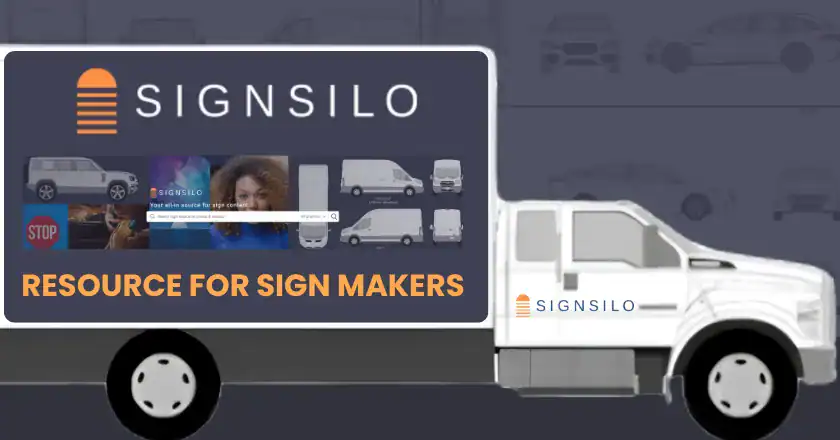
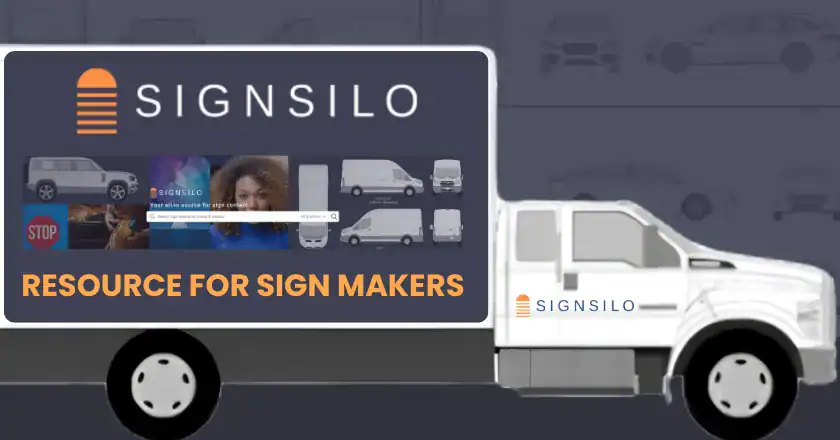
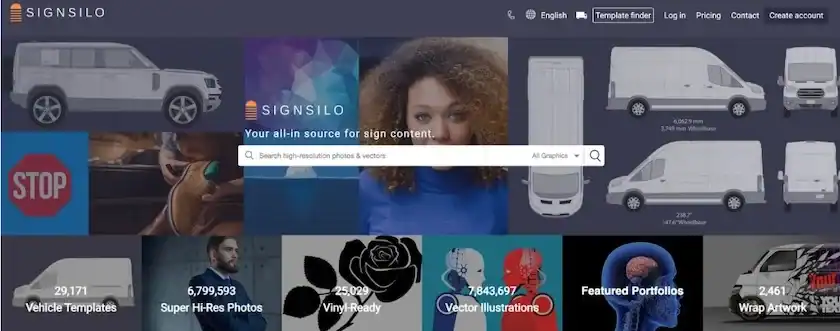
Historically, design teams were forced to source these templates from disparate providers, often paying high per-template fees or struggling with outdated files that did not account for the subtle contour changes in newer vehicle releases. SignSilo was developed specifically to resolve this fragmentation. By consolidating vehicle templates, wrap-specific artwork, premium typography, and high-resolution photography into a single subscription-based ecosystem, the platform allows shops to move from the "consultation" phase to the "production" phase with unprecedented speed.
The Technical Core: Precision Vehicle Templates
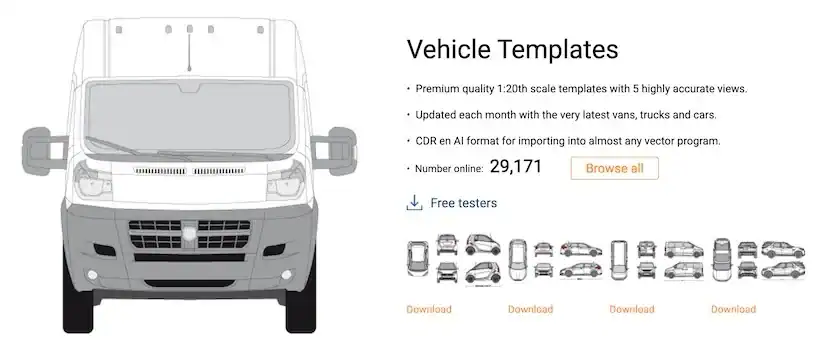
The most vital asset for any wrap professional is the vehicle template. Unlike a standard graphic design project, a vehicle wrap must account for three-dimensional complexities, including door handles, fuel caps, sensors, and deep recesses in body panels. A design that looks perfect on a flat screen can fail spectacularly during installation if the template is inaccurate.
SignSilo’s library includes thousands of templates covering passenger cars, commercial vans, heavy-duty trucks, trailers, buses, and even specialty emergency vehicles. These templates are provided in multi-layered vector formats (such as AI, EPS, and CDR), which offer several technical advantages:

- Scaling Without Loss: Because the files are vector-based, they can be scaled from a small proofing document to the actual size of a 53-foot trailer without any pixelation.
- Layered Construction: Templates are built with separate layers for the vehicle body, windows, and hardware. This allows designers to place graphics "behind" handles or "over" windows with a single click, providing the client with a realistic preview of the final product.
- Measurement Accuracy: Each template is created based on manufacturer specifications, ensuring that the dimensions used in the design software translate perfectly to the vinyl plotter and the physical vehicle.
For a mid-sized sign shop, the time saved by not having to manually measure a vehicle—a process that can take hours and is prone to human error—is alone worth the cost of the subscription.
Bridging the Creative Gap with Ready-to-Use Wrap Designs
While many high-end wrap shops employ full-time illustrators, many smaller enterprises or "mom-and-pop" sign shops operate with limited design staff. Furthermore, even experienced designers occasionally face "creative block" or tight deadlines that do not allow for a design from scratch.
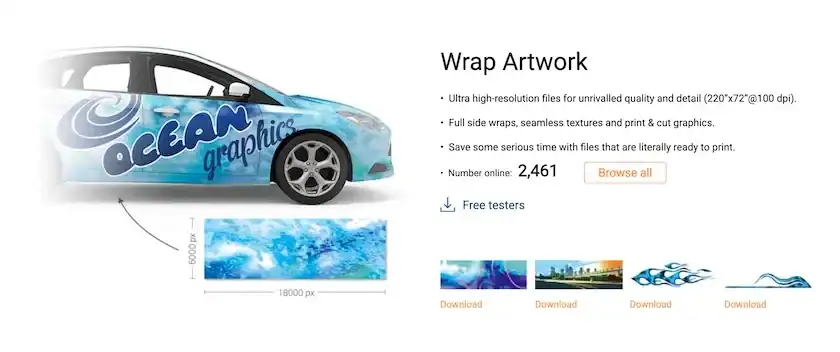
SignSilo addresses this by providing a curated collection of wrap-ready artwork. These are not merely generic patterns; they are professional-grade compositions designed specifically for the unique "flow" of vehicle bodies. These assets include:

- Abstract Textures and Patterns: Designed to wrap seamlessly around corners and over complex curves.
- Themed Commercial Concepts: Industry-specific designs for plumbing, HVAC, catering, and landscaping businesses.
- Customizable Elements: Because these designs are provided in vector format, shops can easily change colors to match a client’s existing branding or rearrange elements to fit different vehicle shapes.
This "fast-start" capability allows shops to offer premium-tier design services without the overhead of a large creative department, effectively leveling the playing field between small independent shops and large corporate franchises.
Typography and Imagery: The Science of Readability at 60 MPH
Vehicle branding is a unique subset of graphic design because the medium is often in motion. A font that looks elegant on a business card may be illegible on a van traveling at highway speeds. SignSilo’s inclusion of premium, hand-selected fonts focuses on high-impact legibility. These fonts are chosen for their bold weights and clear kerning, ensuring that a business’s phone number or website is readable from a distance.
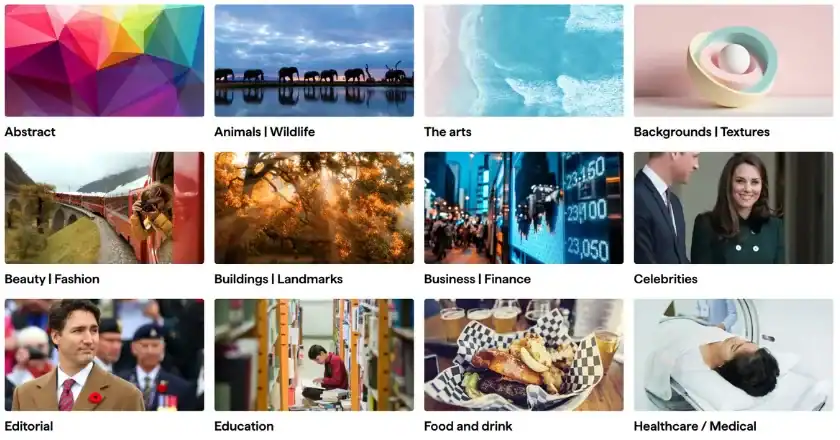
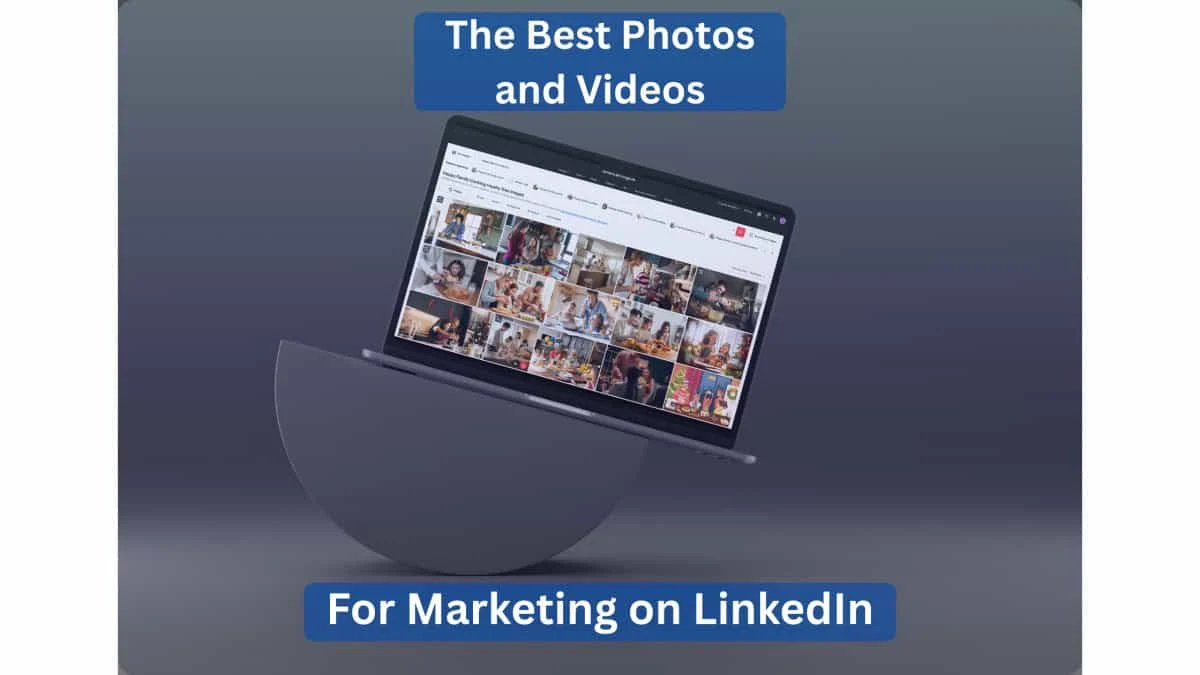
In addition to typography, the platform offers a deep library of high-resolution stock photography. In the context of vehicle wraps, "high resolution" is a technical requirement, not a luxury. Images used on the side of a large box truck must be of sufficient quality to be printed at massive scales without showing artifacts. SignSilo’s imagery is vetted for these specific wide-format requirements, providing designers with the raw materials needed for "lifestyle" wraps—such as a florist’s van featuring ultra-crisp floral photography.
Economic Analysis: Subscription vs. Per-Asset Purchasing
The shift toward the "Silo" model represents a significant economic shift in the industry. To understand the value proposition, one must compare the traditional cost of digital assets:
- Individual Vehicle Template: $30 – $80 per file.
- Single High-Resolution Stock Photo: $10 – $50.
- Professional Font License: $20 – $100 per weight.
For a shop completing just two custom wraps per month, the "Full Membership" at $39 per month offers a near-instant return on investment. By eliminating the friction of individual purchases, shops can also be more experimental in their design phase, trying multiple templates or image combinations without incurring additional costs. This flexibility leads to better final designs and higher client satisfaction.
Supporting Data and Industry Implications
The rise of platforms like SignSilo is a response to the "Professionalization of Personalization." Recent industry surveys indicate that nearly 70% of fleet managers believe vehicle graphics are a highly effective form of brand reinforcement. Furthermore, the 3M "Power of Wraps" study suggested that a single intra-city truck can generate up to 16 million impressions per year.
As the demand for these impressions grows, the turnaround time expected by clients has shortened. In the current market, a business owner who purchases a new van on a Monday often expects it to be branded and on the road by Friday. SignSilo provides the "just-in-time" digital inventory necessary to meet these aggressive schedules.
Broader Impact on Fleet Branding and Consistency
For large-scale fleet operations—companies with 50 to 500 vehicles spread across different geographic regions—consistency is the primary challenge. When a fleet manager orders wraps from different local installers, ensuring that the logo placement on a Ford Transit in New York matches the placement on a Mercedes Sprinter in Los Angeles is difficult.
By using a standardized resource like SignSilo, fleet managers and their designated wrap shops can ensure they are using the exact same templates and design files. This synchronization reduces brand drift and ensures that the corporate identity remains uniform regardless of where the vehicle is wrapped.
Future Outlook: Digital Assets in the Age of AI
As noted in the article’s conclusion, the integration of Artificial Intelligence (AI) is already beginning to touch the sign-making world. SignSilo’s forward-looking approach suggests a future where AI-assisted design tools can be paired with their high-fidelity templates to automate the more tedious aspects of "paneling" and "tiling" designs for print. However, the core requirement for human-verified, manufacturer-accurate templates remains unchanged. AI can generate an image, but it cannot (yet) measure the exact clearance of a 2024 Toyota Tacoma door handle with the precision required for a physical vinyl application.
Conclusion
SignSilo represents more than just a download site; it is a specialized toolset for a high-growth, high-stakes industry. By providing a unified source for vehicle templates, wrap designs, fonts, and photography, the platform addresses the practical realities of the modern sign shop. In an era where "time is money" is the ultimate business truth, SignSilo provides the efficiency required for professionals to scale their operations, reduce costly errors, and deliver the high-impact visual results that their clients demand. For any professional serious about the vehicle wrap business, access to such a centralized resource is no longer an option—it is a competitive necessity.