The close of 2025 brings with it an eagerly anticipated annual report from America’s premier rental house, offering an unparalleled glimpse into the dynamic landscape of the photography and videography industry. This comprehensive data, derived from thousands of rental transactions throughout the year, serves as a crucial barometer for market trends, illuminating product success and forecasting future directions for manufacturers, professionals, and enthusiasts alike. Far from mere anecdotal observations, these figures represent the collective operational choices of a vast creative community, providing a robust, data-driven narrative of what gear truly empowered projects across the nation in the past twelve months.
The Dominance of Versatility: Lenses Define Rental Patterns
In an industry often characterized by the adage "Prime is King," the 2025 rental data presents a compelling counter-narrative, underscoring the paramount importance of versatility in the professional and prosumer rental market. The Canon RF 24-70mm f/2.8L IS USM zoom lens secured the top position as the most rented item of the year, a testament to its broad utility across diverse photographic and videographic disciplines. Its slightly faster, though marginally shorter-ranged, sibling, the Canon RF 28-70mm f/2L USM, followed closely, reinforcing the preference for flexible mid-range zooms. This trend highlights a fundamental distinction between equipment purchases, where specialized prime lenses might be chosen for specific artistic expressions, and rentals, where a single lens often needs to adapt to multiple shooting scenarios, project demands, and client expectations.
The inherent value of a versatile zoom for rental clients stems from its ability to cover a wide array of focal lengths without the need for frequent lens changes, saving precious time on set and reducing the amount of equipment to transport. From event coverage and corporate videography to portraiture and documentary work, a high-quality 24-70mm zoom is often the workhorse lens. It wasn’t until the 17th position that the first prime lens, the acclaimed Canon RF 50mm f/1.2L USM, appeared on the list. This suggests that while primes are undeniably valued for their optical quality and shallow depth of field capabilities, their niche applications mean they are rented less frequently than their more adaptable zoom counterparts, especially for general-purpose assignments. The implications for lens manufacturers are clear: while specialized primes continue to hold their prestige, investment in robust, high-performance zooms with excellent image stabilization and wide apertures remains critical for capturing a significant share of the rental market.
Camera Performance: Canon’s R6 Mark II Takes the Crown Amidst Shifting Tides
Delving deeper into camera body rentals, the Canon R6 Mark II unexpectedly emerged as the most rented camera of 2025, surpassing its more resolution-heavy counterparts, the Canon R5 Mark II (ranking 8th) and the original R5 (ranking 4th). This outcome underscores a strategic preference among renters for a camera that offers an exceptional balance of features, performance, and perhaps critically, cost-effectiveness within the rental ecosystem. The R6 Mark II, lauded for its robust autofocus, impressive low-light performance, and capable video features (including uncropped 4K 60p), likely hit a sweet spot for a vast segment of creators who require professional-grade results without necessarily needing the absolute highest megapixel count or raw video capabilities of its more expensive siblings.
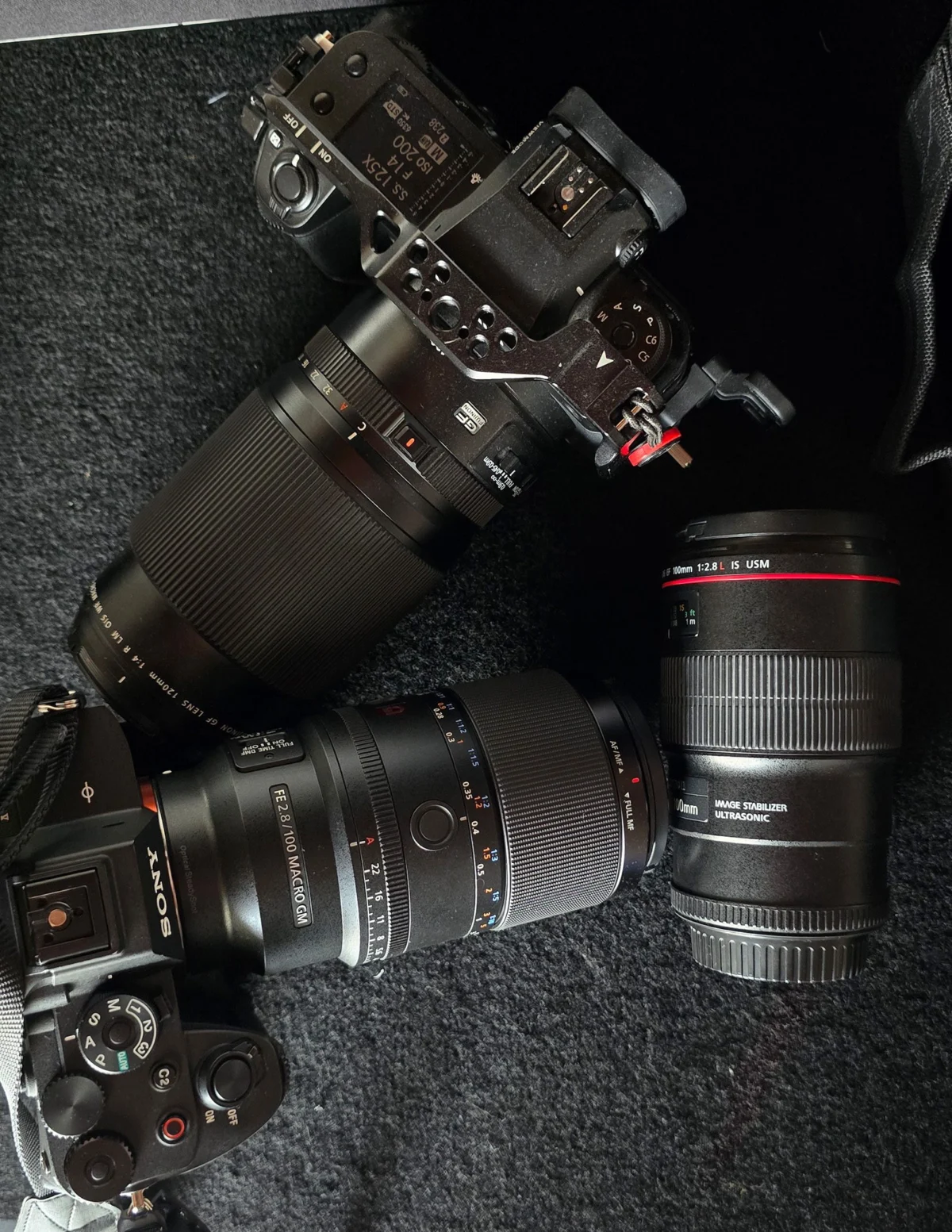
Sony, a formidable innovator in the mirrorless segment, demonstrated its expansive market presence with nine different camera models populating the top twenty camera rentals. This diverse showing ranged from professional cinema systems like the Sony FX6, indicating strong demand for high-end video production, to compact, high-performance point-and-shoot options such as the Cybershot RX100 VII, reflecting a broader appeal for versatile, portable solutions across various user segments. This wide array of popular Sony bodies highlights the brand’s successful strategy of offering specialized tools for different niches while maintaining a consistent user experience.
Conversely, the 2025 data revealed a conspicuous absence of Fujifilm cameras in the top twenty, and only a single entry from Nikon, the professional-grade Nikon Z8. This disparity sparks considerable discussion regarding market positioning and brand penetration within the rental sector. While Fujifilm has cultivated a dedicated following for its unique color science and retro aesthetics, its market share in high-volume, general-purpose rentals appears limited compared to the dominant players. Nikon’s solitary entry, while significant given the Z8’s capabilities as a hybrid powerhouse, suggests the brand is still working to recapture a broader segment of the professional rental market that has largely gravitated towards Canon and Sony’s extensive mirrorless ecosystems. The performance of these brands within the rental space often serves as a precursor to broader market acceptance and long-term sales trends.
Accessory Essentials: Power and Storage Drive Demand
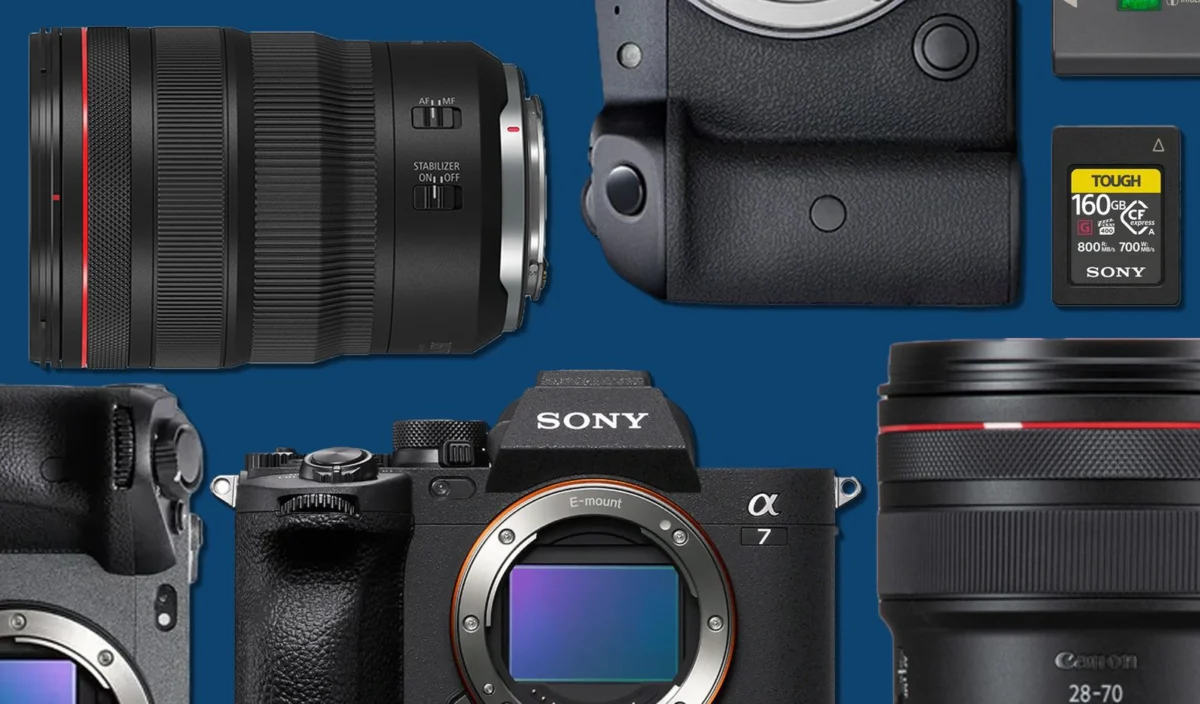
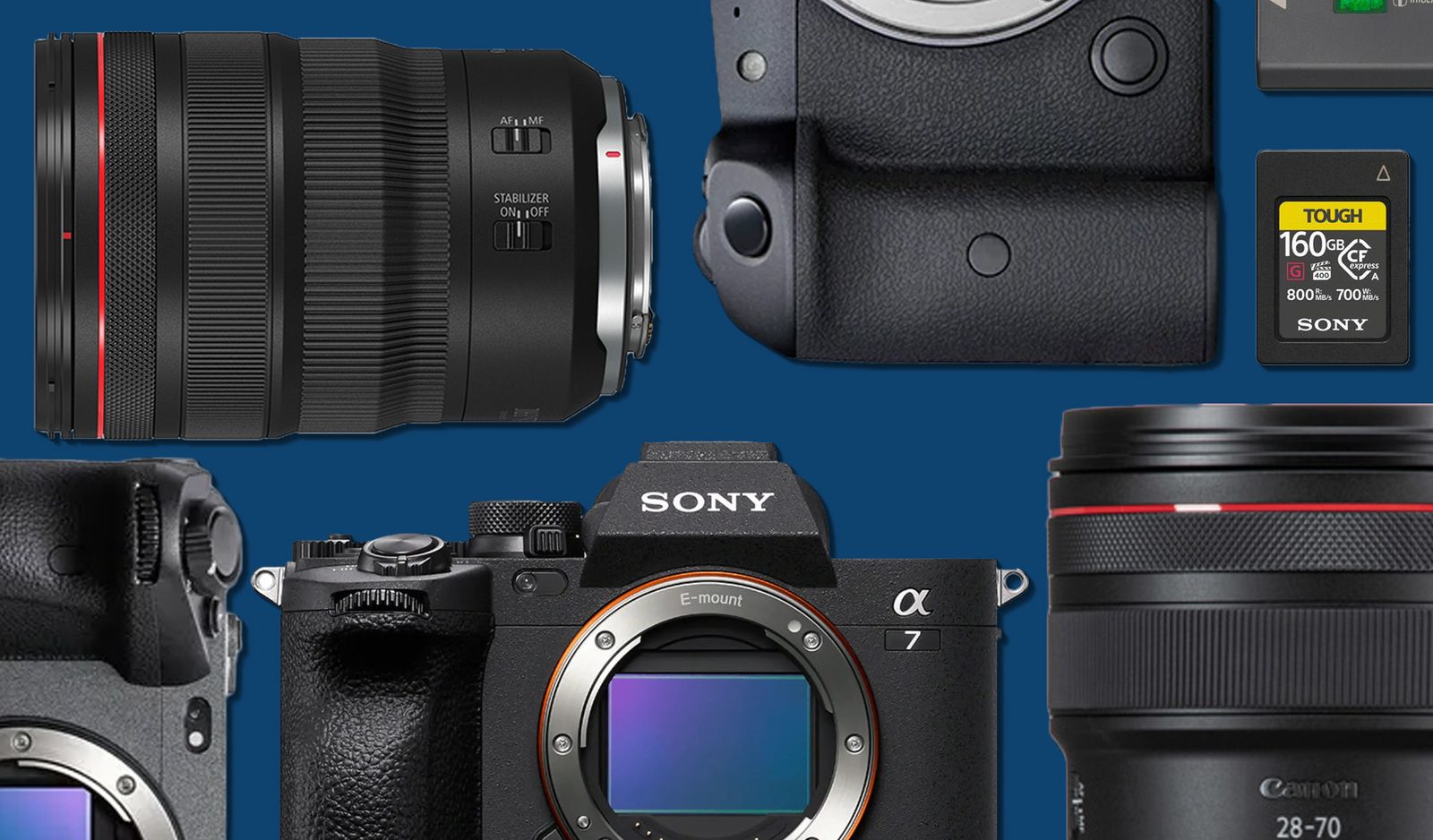
Beyond cameras and lenses, the accessory rental data for 2025 painted a clear picture of operational necessities in modern digital workflows. Unsurprisingly, batteries and memory cards dominated the top twenty accessory rentals. This trend is directly attributable to the evolving demands of contemporary mirrorless cameras, which are known for their higher power consumption compared to their DSLR predecessors, particularly when recording high-resolution video or utilizing advanced features like continuous autofocus and electronic viewfinders. The increasing adoption of 4K, 6K, and even 8K video, coupled with faster burst shooting rates in photography, necessitates larger capacity and faster memory cards, making them indispensable rental items.
The near absence of dedicated lighting gear or advanced drone equipment from the top twenty, aside from the DJI TB50 battery pack (ranking 18th), is noteworthy. This could indicate several factors: highly specialized lighting and drone systems might be less frequently rented compared to fundamental items, or they might be more often owned outright by production houses and individuals specializing in those areas. The inclusion of the DJI TB50 battery, however, subtly underscores the growing integration of drone technology into professional productions, even if the drones themselves aren’t appearing as top rental units. The remaining positions in the accessory list were occupied by practical support equipment such as light stands and tripods, reinforcing the foundational importance of stable camera support for any serious production. This segment of the market, while less glamorous, remains crucial for ensuring successful shoots.
Brand Market Share by Revenue: A Stable Duopoly with Niche Growth
The market share data for 2025, calculated by revenue rather than rental count, provides a different lens through which to view the industry’s competitive landscape. This metric inherently favors higher-priced, professional-grade brands, yet it consistently showed Canon leading the rental market with a 26.51% share, demonstrating a steady increase from 25.69% in 2024 and 23.96% in 2023. Sony followed closely, also exhibiting consistent growth from 19.13% in 2023 to 20.45% in 2024, and reaching 21.66% in 2025. This enduring duopoly at the top reflects their extensive product ecosystems, continuous innovation, and broad appeal across various professional segments.
Nikon’s share, while modest at 5.56% in 2025, saw a slight dip from its 5.91% in 2024, though still above its 4.88% in 2023, indicating a period of stabilization as it consolidates its mirrorless offerings. DJI, a dominant force in drone technology, continued its upward trajectory, increasing its market share from 3.31% in 2023 to 3.80% in 2024, and further to 4.29% in 2025. This consistent growth underscores the increasing integration of aerial cinematography and photography into mainstream production workflows, with DJI’s comprehensive drone and stabilization solutions proving popular in the rental space.
Other brands like Blackmagic (3.15%), Sigma (3.13%), and Fuji (2.79%) maintained relatively stable, albeit smaller, shares. Blackmagic’s presence highlights the demand for accessible cinema cameras and post-production solutions, while Sigma’s consistent showing, even with limited entries in the top 20 specific products, speaks to its reputation for high-quality, third-party lenses. Fujifilm, despite its absence from the top camera rentals by count, managed a slight revenue increase, suggesting its niche appeal commands a respectable price point within its user base.
Specialized brands such as Aputure (2.29%), Panasonic (2.01%), Leica (1.52%), RED (1.11%), and Sachtler (1.05%) each carved out their respective niches. The slight decline for RED (from 2.03% in 2023 to 1.11% in 2025) might reflect increased competition in the high-end cinema camera market from brands like ARRI (not listed but a major player) and even Sony’s VENICE line, or perhaps a shift towards more accessible prosumer cinema cameras. Leica’s consistent presence, despite its premium pricing, underscores its enduring appeal among a specific, high-end clientele. Overall, the market share data paints a picture of a mature industry dominated by two major players, with several strong niche brands and growing influence from drone technology.
Popular New Gear of 2025: A Year of Refinement and Practicality
The analysis of the most popular new gear for 2025 offers a forward-looking perspective, albeit with certain caveats. Products released earlier in the year naturally accrue more rental orders than those launched in the final months, and this list also encompasses new product markets or sub-sections the rental house entered during the year. The leading item in this category was an updated version of the Manfrotto 190 series tripod, a long-standing favorite known for its reliability and versatility in video production. This emphasizes that foundational, robust support equipment continues to be a critical investment for professionals.
Making a strong debut from the lighting sector was the Amaran COB 200x, a 200W bi-color monolight. Its popularity stems from its dual power options (battery and AC) and bi-color capabilities, rendering it an exceptionally versatile and portable lighting solution for diverse shooting environments. This reflects a growing demand for flexible, powerful, and efficient lighting tools that can adapt to both studio and on-location shoots, aligning with the increasingly mobile nature of modern content creation.
The remainder of the "new gear" list comprised primarily refreshes of existing popular products. This suggests that 2025 was largely a "transitional year" for the industry, characterized by incremental upgrades to already successful gear rather than revolutionary new technologies. Manufacturers appeared to focus on refining performance, enhancing user experience, and addressing specific feedback points on established product lines. While perhaps less exciting than groundbreaking innovations, this strategic focus on iteration ensures product maturity, addresses evolving user needs, and provides reliable tools for the creative community. The emphasis on practical upgrades further aligns with the rental market’s overarching preference for dependable, high-performing equipment that consistently delivers results.
Broader Implications and Future Outlook
The 2025 rental data from America’s premier rental house offers profound insights into the current state and likely future trajectory of the photography and videography industry. The enduring dominance of versatile zoom lenses and hybrid-capable mirrorless cameras like the Canon R6 Mark II signals a market that values adaptability, efficiency, and professional output across a spectrum of projects. The consistent growth of Canon and Sony, coupled with the strategic niche plays of other brands, suggests a healthy, yet highly competitive, ecosystem.
The emphasis on essential accessories like batteries and memory cards highlights the evolving technical demands of modern digital capture. Furthermore, the popularity of updated, reliable support and lighting equipment underscores the foundational elements that remain critical to any successful production, regardless of technological advancements in cameras and lenses. As the industry moves forward, manufacturers will likely continue to focus on hybrid functionality, robust performance in challenging conditions, and efficient workflows, all while navigating the delicate balance between innovation and refinement. The insights gleaned from rental trends serve not only as a historical record but as a vital compass, guiding future product development and informing the strategic decisions of professionals and businesses throughout the creative landscape. The forthcoming analysis of purchase data will undoubtedly offer another layer of understanding, revealing which of these workhorse rental items eventually earned a permanent place in the arsenals of dedicated creators.