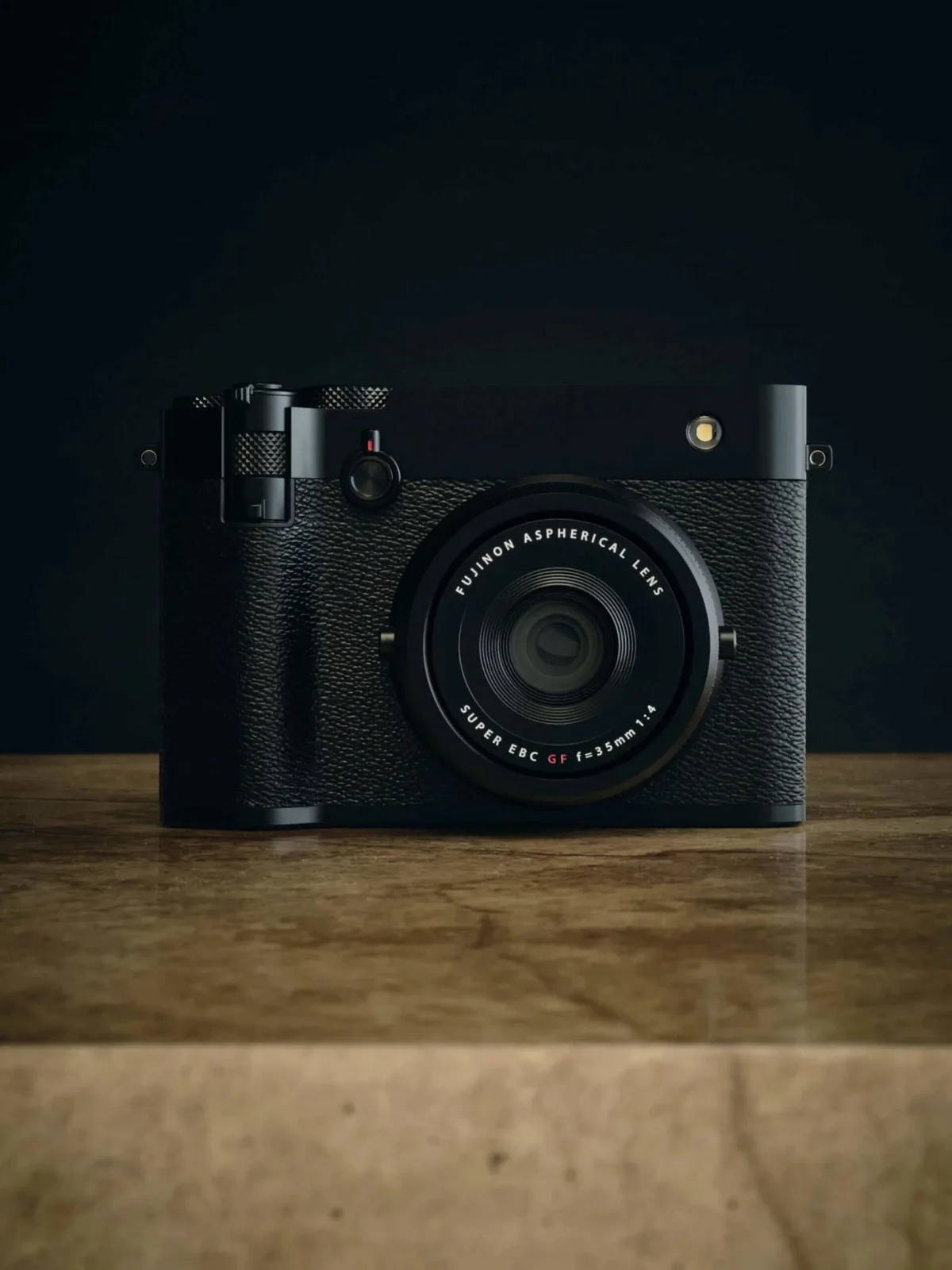
The Fujifilm GFX 100RF, a distinctive medium-format mirrorless camera, has entered the professional photography landscape, presenting a compelling blend of high-resolution imaging and remarkable portability. Upon initial evaluation, the camera’s compact form factor is immediately striking, particularly when contrasted with its larger GFX siblings. This design choice positions the GFX 100RF as an exceptionally svelte medium-format offering, approaching the physical footprint and weight of a full-frame camera such as a Nikon Z7 paired with a compact 35mm lens. Its aesthetic consciously harks back to classic rangefinder designs, drawing parallels to revered cameras like the Plaubel Makina 67, while integrating cutting-edge digital technology. The camera arrives equipped with a fixed 35mm lens, a choice that frames its intended use case and target demographic.
Strategic Design Philosophy: Portability Over Conventional Features
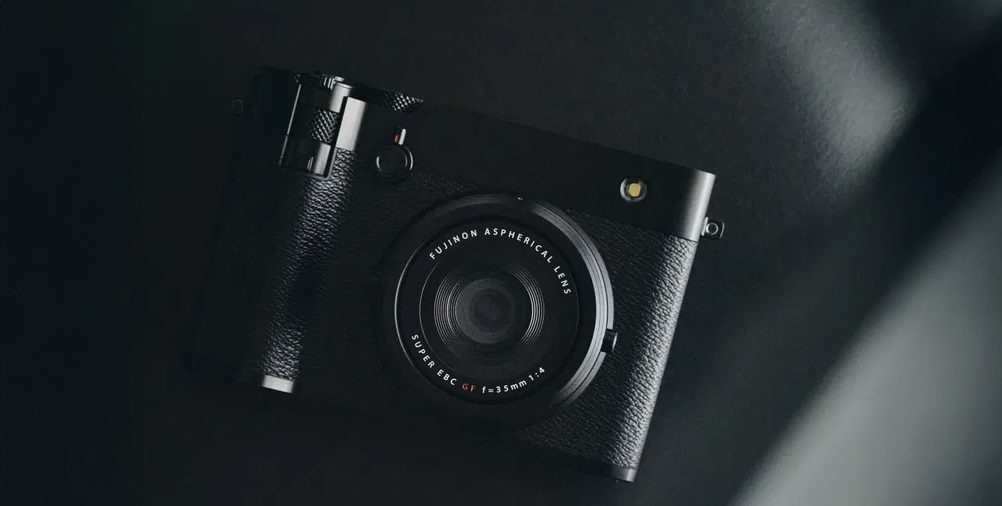
The GFX 100RF has generated considerable discussion within the photographic community, largely centered on its deliberate omission of certain features commonly expected in high-end cameras. Specifically, the absence of in-body image stabilization (IBIS) and a particularly fast lens has been a focal point of debate. However, these design decisions are integral to Fujifilm’s overarching strategy for the 100RF: to drastically reduce the camera’s size and weight while retaining the formidable 100-megapixel, 33x44mm medium-format sensor from Sony. Incorporating IBIS and larger, faster optics would inevitably increase the camera’s bulk and heft, directly contradicting the core tenet of its design.
This emphasis on portability carves out a highly specialized niche for the GFX 100RF. Fixed-lens, high-end digital cameras already occupy a relatively small segment of the market, and the 100RF’s design ethos places it within a further refined subset of this category. It is engineered as a precise, lightweight, and fluid operating tool tailored for photographers who prioritize ultimate image quality in a highly portable package. This makes it particularly appealing to those who desire the expansive detail of medium format photography coupled with the field of view equivalent to a 28mm lens on a full-frame system. While other fixed-lens options exist, the GFX 100RF uniquely addresses the demand for a compact, precise, 100-megapixel medium-format camera.
User Experience and Ergonomics: A Blend of Innovation and Familiarity
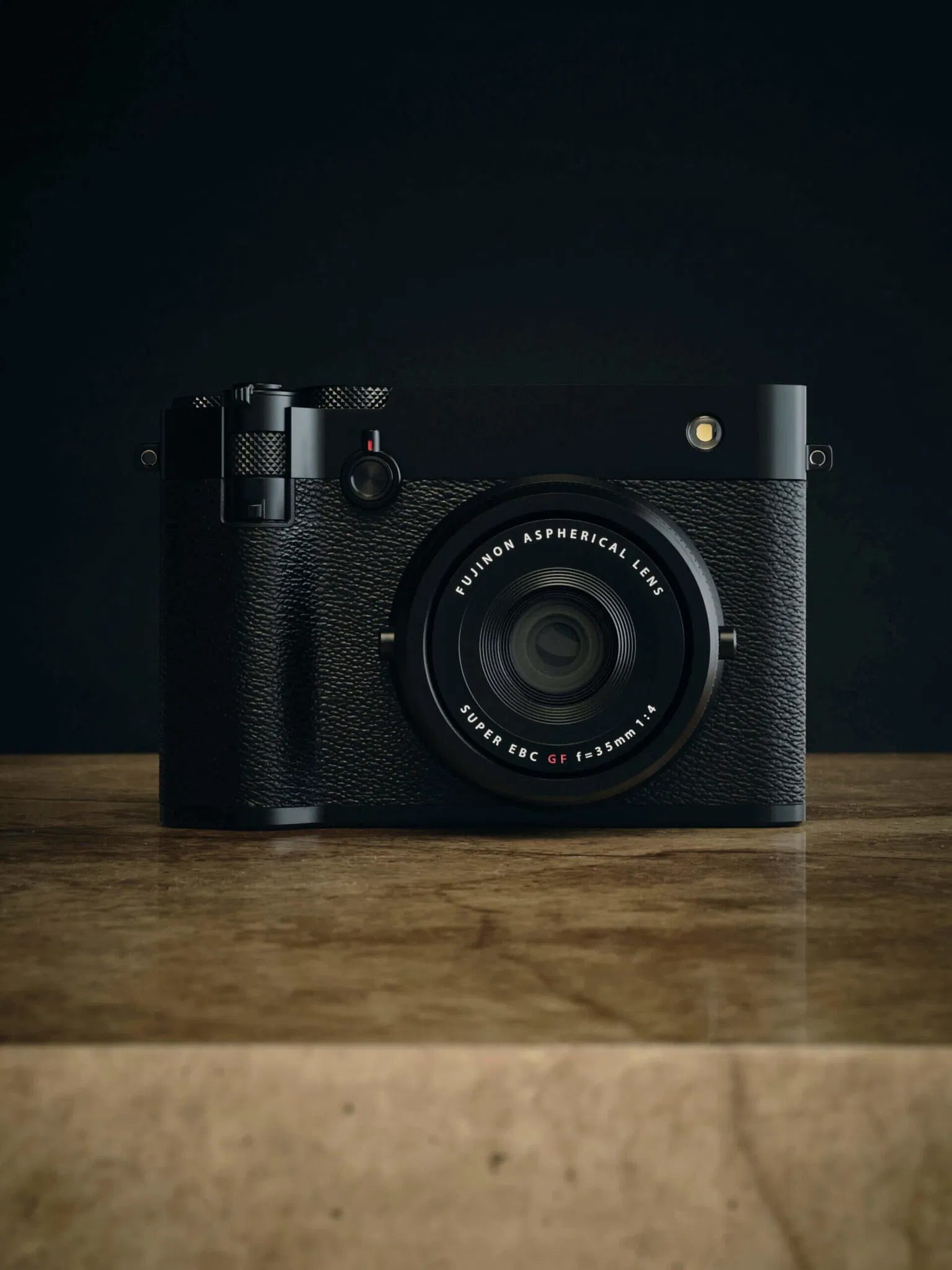
The ergonomic design of the GFX 100RF presents a mixed experience, combining several well-executed features with areas that suggest room for refinement. A notable point of concern is the extremely light action of the on/off switch, which raises the possibility of accidental activation when the camera is stowed in a bag. Conversely, the Q button has been thoughtfully redesigned to sit flush with the camera body, effectively preventing inadvertent presses—a welcome improvement for user interaction.
Exposure control benefits from a flexible system, featuring "A" (auto) positions for both aperture and shutter speed, which enhances adaptability in various shooting scenarios. The ISO adjustment, integrated as a collar around the shutter dial, represents an elegant solution for quick access. However, the lack of distinct detents on this dial can hinder confident operation by feel, requiring visual confirmation for precise settings. The exposure compensation dial stands out as an ergonomic highlight, boasting a generous size and optimal placement for intuitive thumb access.
Despite these strengths, the camera’s haptic feedback from its knurled dials and joystick has been noted as somewhat vague and lacking the tactile precision found in some competitors, such as Nikon. Further minor design details include a battery door latch that does not self-engage and a card slot door that feels less robust compared to industry benchmarks. The camera incorporates two SD card slots, a choice that, while widely compatible, might be seen as less future-proof or performant than a CFExpress slot for a 100-megapixel system generating substantial file sizes.
Imaging Prowess: Sensor, Lens, and Performance Characteristics
The GFX 100RF is equipped with the same high-performance 100-megapixel Sony 33x44mm sensor found in the GFX 100 II, ensuring exceptional image quality that will be familiar to users of that system. This includes Fujifilm’s characteristic ISO 80 black-point subtraction, a subtle but impactful aspect of its image processing. Autofocus performance is robust and entirely adequate by medium-format standards, though it generally trails the rapid advancements seen in the latest full-frame mirrorless cameras. For the deliberate pace often associated with medium-format photography, this level of autofocus precision remains highly effective.
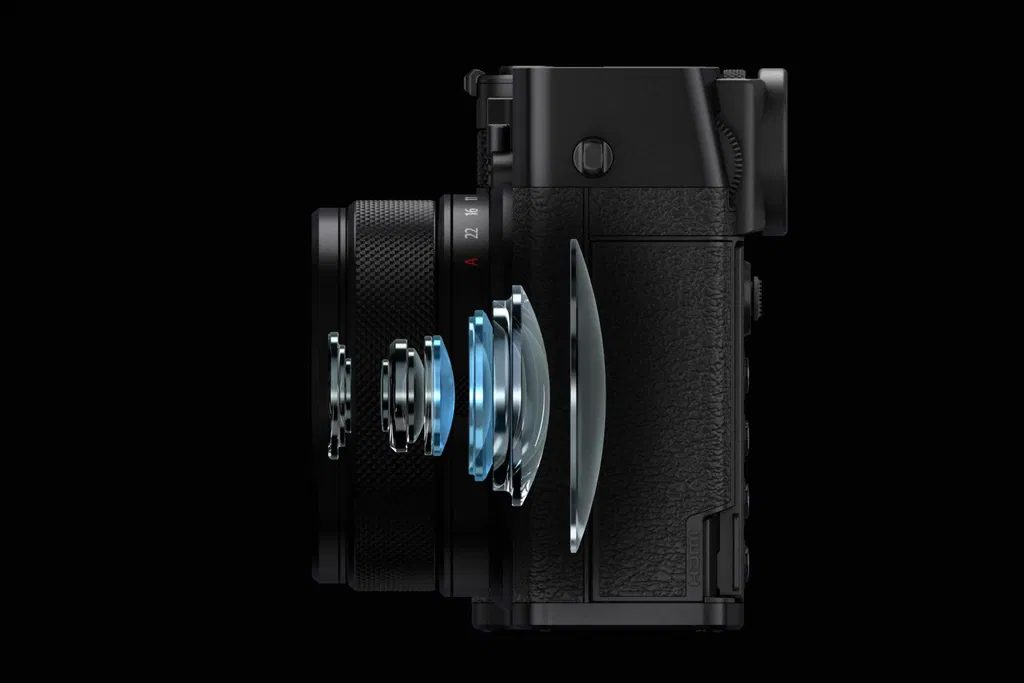
The integrated lens, despite its compact dimensions, delivers a strong optical performance. It achieves excellent on-axis sharpness, maintaining detail until the onset of diffraction-induced blur, with only a modest decrease in sharpness towards the edges of the frame. Critically, field curvature is virtually absent, ensuring consistent sharpness across the image plane. While uncorrected files may exhibit noticeable distortion, digital correction algorithms effectively neutralize this, with negligible impact on overall sharpness. Vignetting is present but moderate and easily corrected in post-processing.

A key feature of the GFX 100RF’s lens is its leaf shutter, which contributes to the camera’s quiet operation and overall appeal. However, leaf shutters can introduce specific optical characteristics, and in this case, at shutter speeds of 1/500 second and above, they can lead to subtle bokeh artifacts. These become more pronounced at 1/4000 second but are generally considered less objectionable than the artifacts observed in certain other medium-format lenses, such as Hasselblad’s XCD 38V and 90V. The effect manifests as non-circular bokeh balls at high shutter speeds, along with a slight increase in perceived depth of field due to the shutter’s diaphragm-like action.
Flash synchronization capabilities have been a point of inquiry for some users, particularly at high shutter speeds. Testing with a hot shoe-mounted flash indicates general reliability, though a minor loss of light can occur at 1/4000 second. This phenomenon is largely dependent on the flash duration at the chosen power setting; if the flash duration exceeds the shutter speed, some light loss is inevitable, especially at maximum power settings.
Power Management and Battery Efficiency

The GFX 100RF demonstrates improved battery life compared to its counterparts, the GFX 100 II and GFX 100S II, when using the same battery type. This enhancement is primarily attributed to the absence of in-body image stabilization (IBIS) and the lower power demands of its leaf shutter lens. Unlike cameras with a focal plane shutter and IBIS, the 100RF’s design minimizes continuous power draw, contributing to extended operational times per charge—a valuable asset for a travel-oriented medium-format system.
Unique Features and Usability Considerations
The camera includes a crop control feature, intended as a compositional aid, which allows users to preview different aspect ratios within the electronic viewfinder (EVF). While potentially useful, its implementation has drawn criticism for its size and lack of a locking mechanism. A more significant usability nuance arises from the integration of the camera’s metering system with this crop tool: the recommended exposure can fluctuate based on the chosen EVF crop borders, potentially leading to inconsistent metering if not understood and accounted for by the user.
For photographers accustomed to the Fujifilm GFX ecosystem, the GFX 100RF offers a familiar and intuitive interface, facilitating a rapid bonding experience. For newcomers, the Fujifilm user interface might initially feel somewhat unconventional, yet many find its unique approach to be efficient and enjoyable once mastered.
Market Positioning and Competitive Landscape
The GFX 100RF is fundamentally a specialized tool, offering a compact solution for high-resolution medium-format work. Its appeal as a travel camera is undeniable, given its reduced size and weight. However, its fixed 35mm lens, which provides a field of view equivalent to a 28mm lens on a full-frame sensor, dictates its primary photographic perspective. Users who prefer a different native field of view, such as the classic 35mm full-frame perspective, would need to crop their 100-megapixel images, effectively reducing the active sensor area and resulting in a lower resolution output—approximately 60 megapixels in such a scenario.
In this context, the GFX 100RF faces direct competition from high-end fixed-lens full-frame cameras like the Leica Q3 and the Sony RX1R III. These alternatives offer distinct advantages and trade-offs:
- Leica Q3: Weighs similarly to the GFX 100RF but boasts IBIS, making it a potentially superior choice for handheld shooting in low-light conditions. It often commands a higher price point.
- Sony RX1R III: Significantly smaller and lighter than both the GFX 100RF and Leica Q3, offering extreme portability. Its price point is generally comparable to the GFX 100RF.
Choosing between these options involves a nuanced consideration of priorities. While opting for a full-frame alternative might not always lead to significant cost savings, it can substantially reduce weight, particularly with the Sony RX1R III. The presence of IBIS in the Leica Q3 represents a tangible benefit for certain shooting styles, especially when absolute resolution is not the sole determinant of image quality. The GFX 100RF’s design implicitly trusts photographers to manage camera shake, harkening back to an era when high-resolution cameras routinely operated without IBIS. While not strictly "necessary," IBIS is undeniably a desirable feature in many modern shooting environments, and its absence warrants careful consideration for potential users.
Fujifilm’s marketing strategy for the GFX 100RF also emphasizes the cropping capabilities of its 100-megapixel sensor. It is factually accurate that a 100-megapixel sensor, particularly one with comparable pixel pitch, offers greater flexibility for aggressive cropping than a 60-megapixel sensor. This allows for more significant compositional adjustments in post-production while retaining substantial detail. The GFX 100RF can indeed provide a higher quality cropped image at the same angle of view compared to a 60-megapixel full-frame camera like the Leica Q2 (which has a 47MP sensor, often compared to 60MP for discussion of resolution classes). However, when comparing the GFX 100RF’s cropped image quality to the Sony RX1R III at equivalent full-frame angles of view, the advantage for the GFX 100RF is primarily situated within the specific range between a 28mm and 35mm full-frame lens perspective. This means that while the GFX 100RF offers superior cropping headroom for certain compositions, its overall advantage in flexibility over other high-resolution fixed-lens cameras needs to be understood within these specific focal length equivalencies.
Detailed Optical Analysis and Image Characteristics
The GFX 100RF’s optical performance, particularly concerning bokeh, field curvature, distortion, and vignetting, warrants closer examination.
-
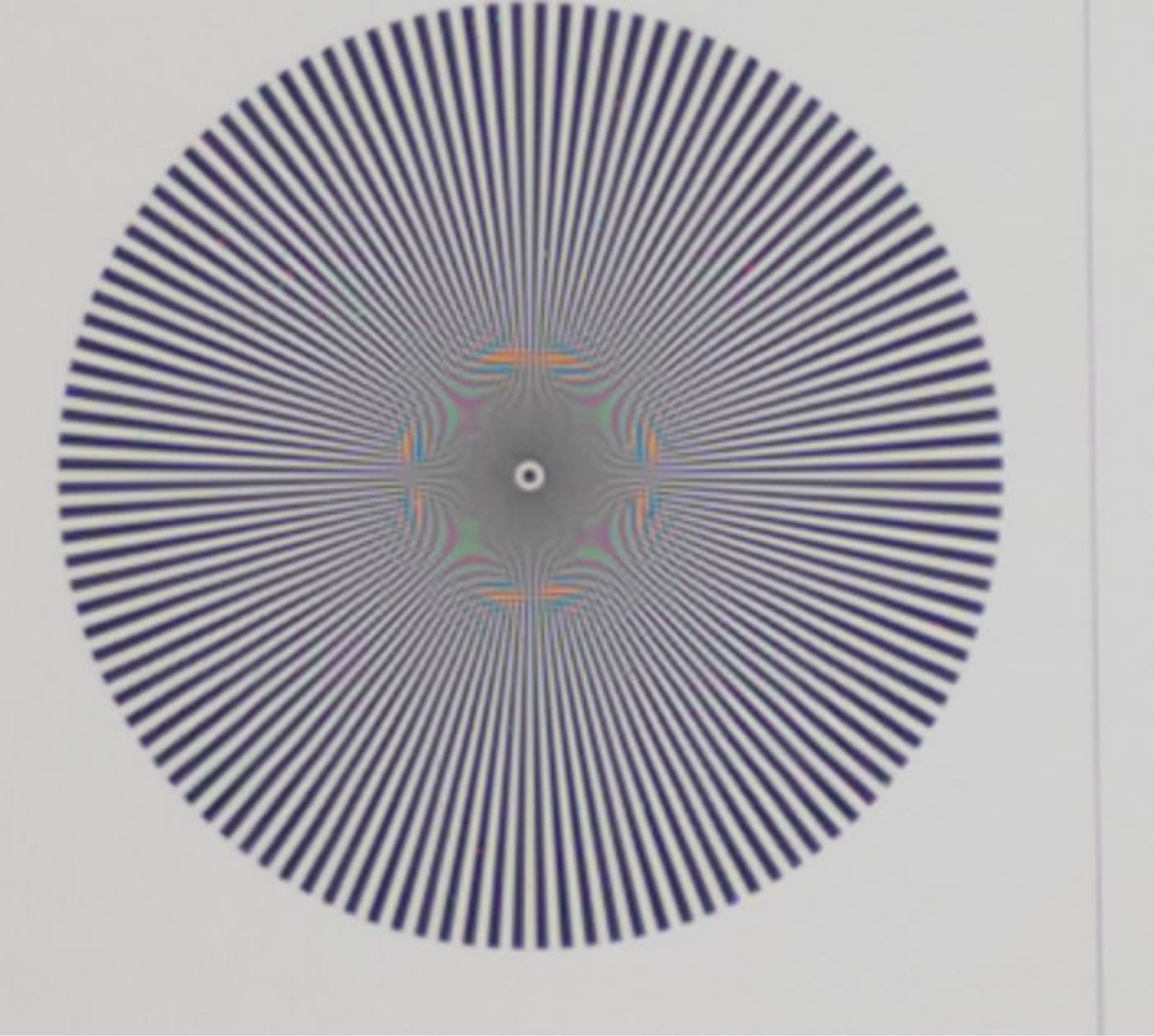
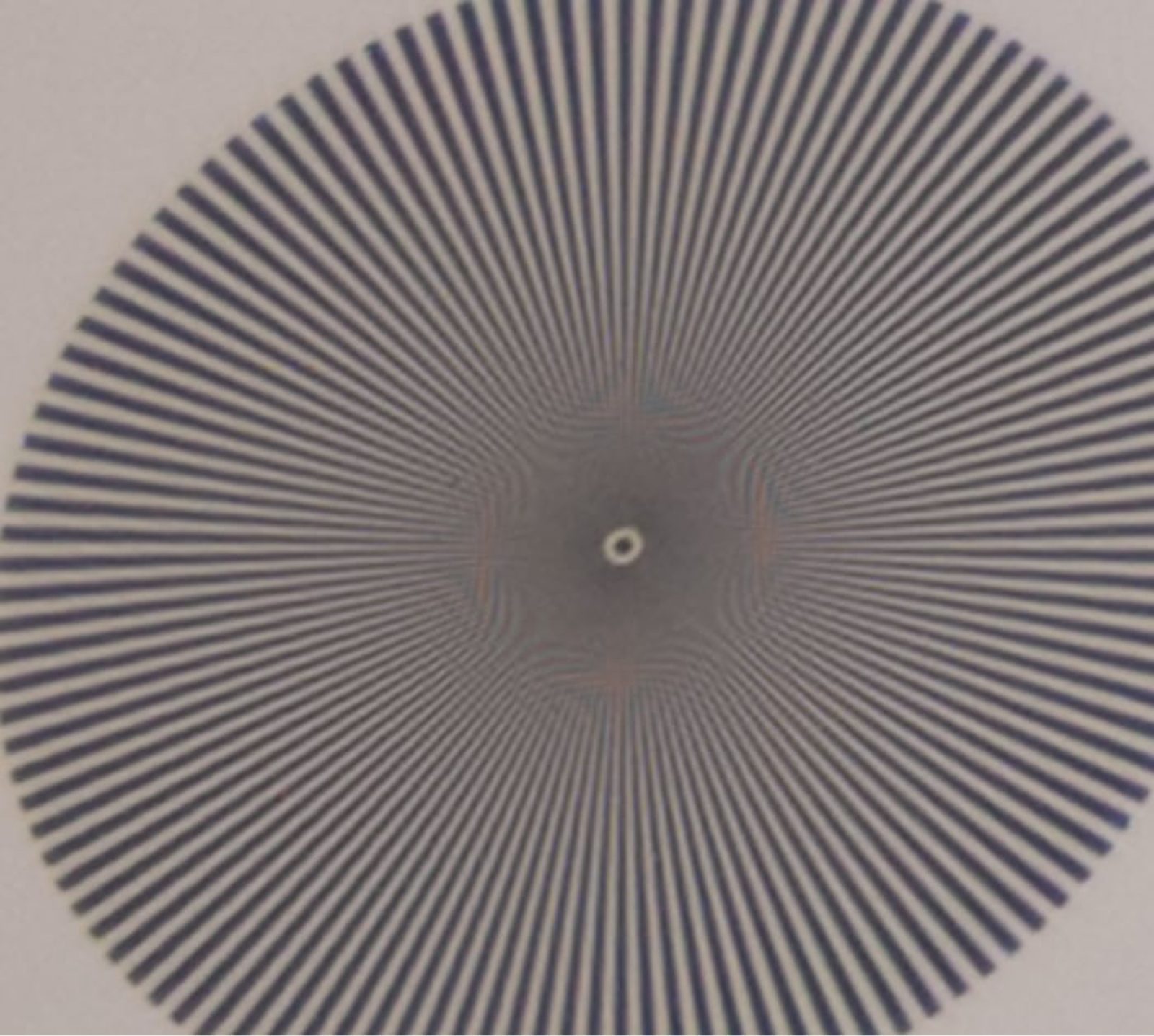
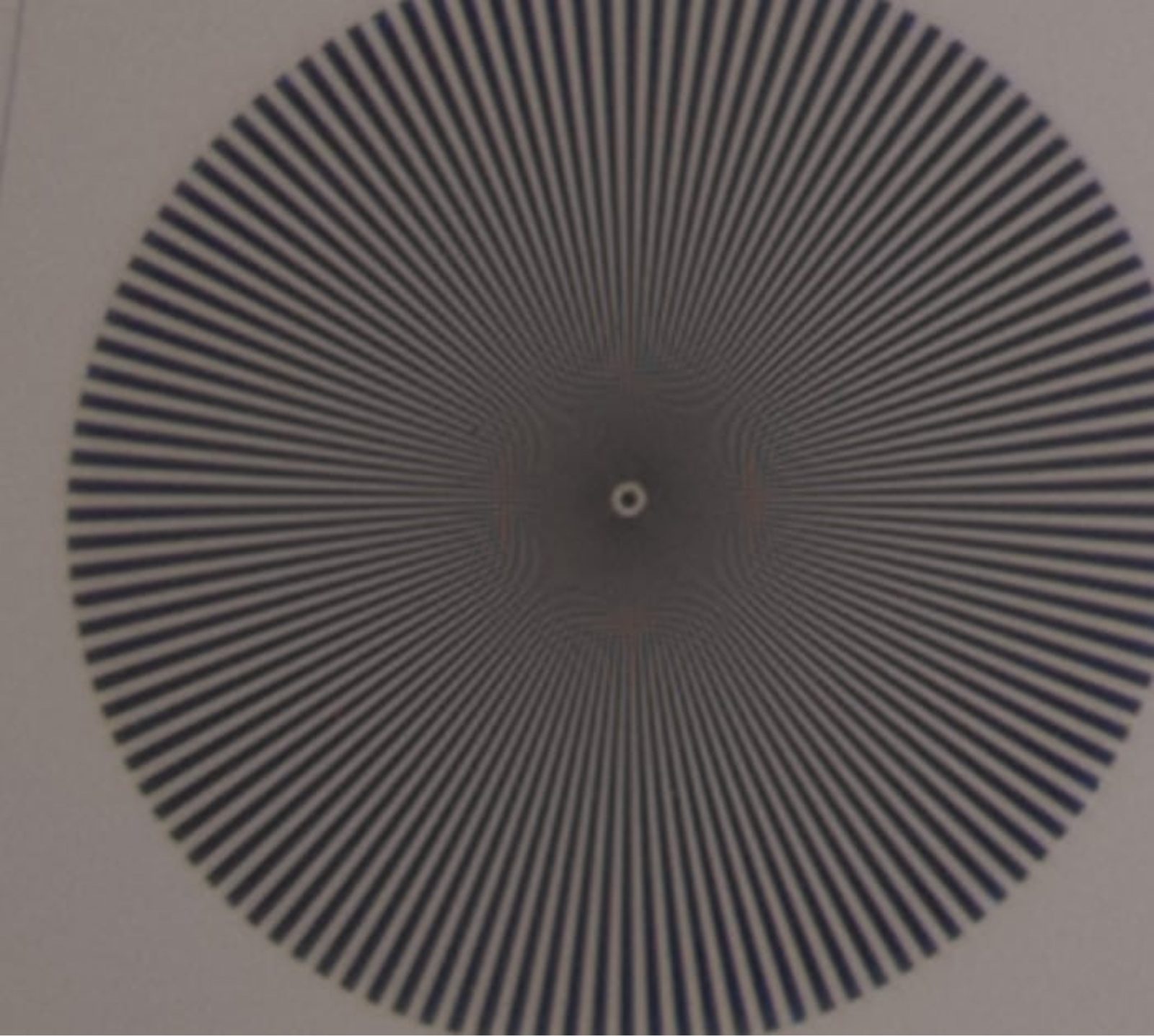
Bokeh and Shutter Speed: As previously noted, the leaf shutter’s interaction with high shutter speeds influences bokeh rendition. At speeds like 1/250 second, out-of-focus highlights (bokeh balls) appear round and pleasing. However, at 1/4000 second, these highlights can become less circular and exhibit a more angular, diaphragm-like quality. This effect is a direct consequence of the leaf shutter acting as an additional aperture at very high speeds, subtly altering the lens’s effective opening during exposure.
-
Field Curvature: The lens demonstrates excellent control over field curvature. Images reveal a consistently flat field, meaning that subjects positioned across a wide plane remain in sharp focus from the center to the edges, without the typical bowing or warping of the focal plane seen in some optical designs. This is a significant advantage for architectural, landscape, and flat-field reproduction photography.
-
Resolution and Sharpness: The lens is exceptionally sharp, particularly on-axis and wide open at f/4, demonstrating a resolving power that exceeds the sensor’s capabilities at its center. Even in the extreme corners, sharpness remains commendably high when lens corrections are applied. This indicates a high-quality optical design that maximizes the potential of the 100-megapixel sensor.
-
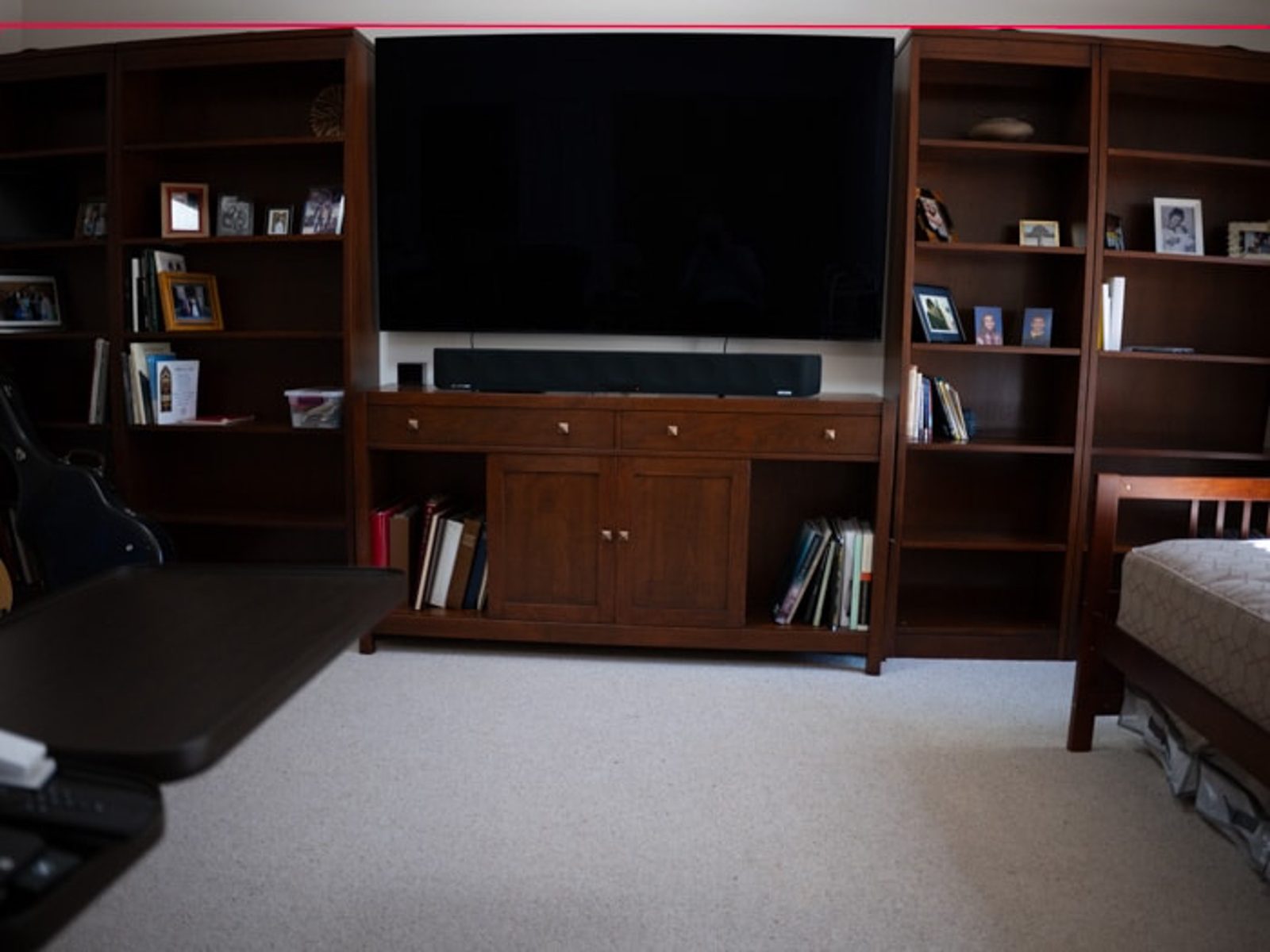
Distortion and Vignetting: Uncorrected raw files reveal noticeable barrel distortion, particularly evident in images with strong geometric lines. Similarly, some degree of illumination falloff (vignetting) is visible in the corners when corrections are disabled. However, modern digital lens correction profiles, readily available in software like Adobe Lightroom, effectively rectify both distortion and vignetting. These corrections are highly efficient, introducing minimal to no perceptible loss in image sharpness, thereby ensuring a clean and rectilinear final image.
In conclusion, the Fujifilm GFX 100RF emerges as a highly specialized, purposeful instrument for medium-format photography. Its defining characteristics—compactness, 100-megapixel resolution, and a fixed 35mm (28mm full-frame equivalent) lens—position it for a discerning segment of professional photographers. While it makes deliberate trade-offs in features like IBIS and extreme lens speed to achieve its portability goals, its core imaging performance remains exceptional. The decision to acquire the GFX 100RF will ultimately hinge on a photographer’s specific needs regarding field of view, portability, and their workflow’s reliance on native medium-format resolution versus the versatility offered by full-frame alternatives with advanced features like IBIS. Its unique combination of attributes ensures its place as a distinctive contender in the evolving landscape of high-end digital imaging.