As Lensrentals.com marks another year in operation, the prominent equipment rental company has embarked on a nostalgic journey, examining the photographic landscape from its inception to the present day. Following recent analyses of the most popular rentals over the past 19 years and a closer look at groundbreaking gear, the company now presents a curated list of five photo products or trends it wishes to see make a significant comeback, highlighting a blend of technological nostalgia and evolving consumer preferences within the imaging industry. This reflective exercise underscores broader shifts in photography, from the digital revolution’s early days to contemporary trends driven by social media and a desire for authentic experiences.
The Distinctive Color Palette of Early Full-Frame Digital Cameras
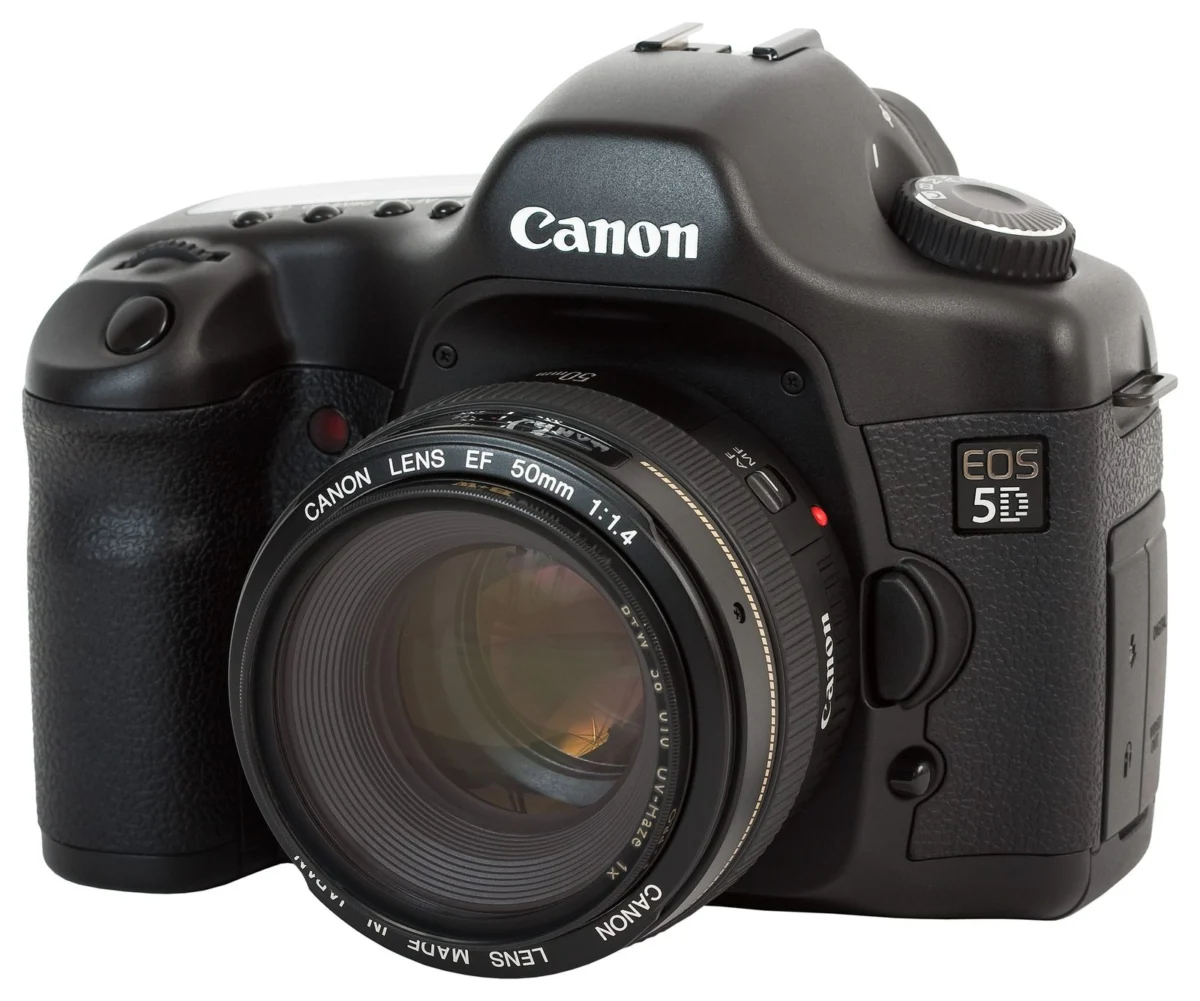
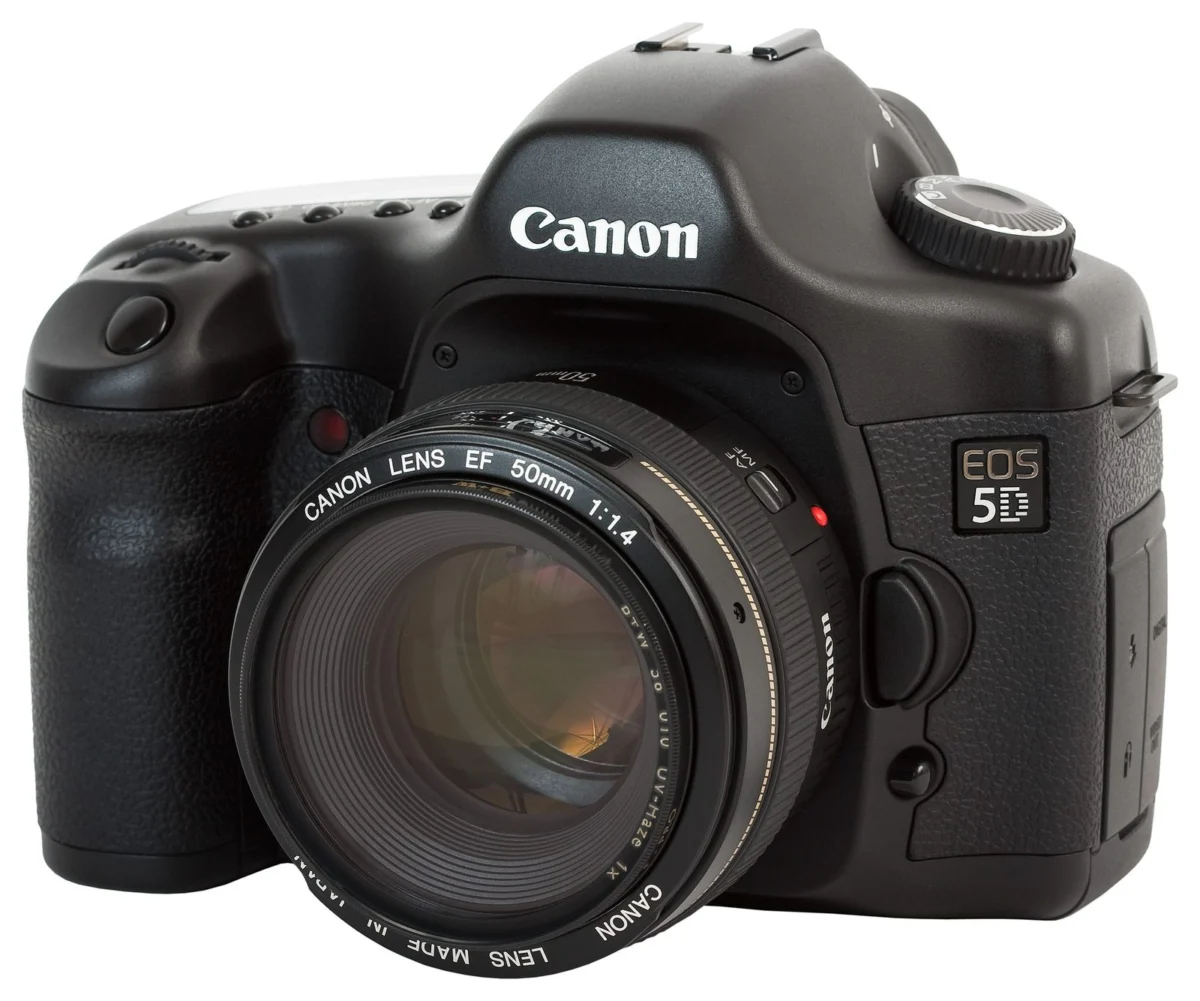
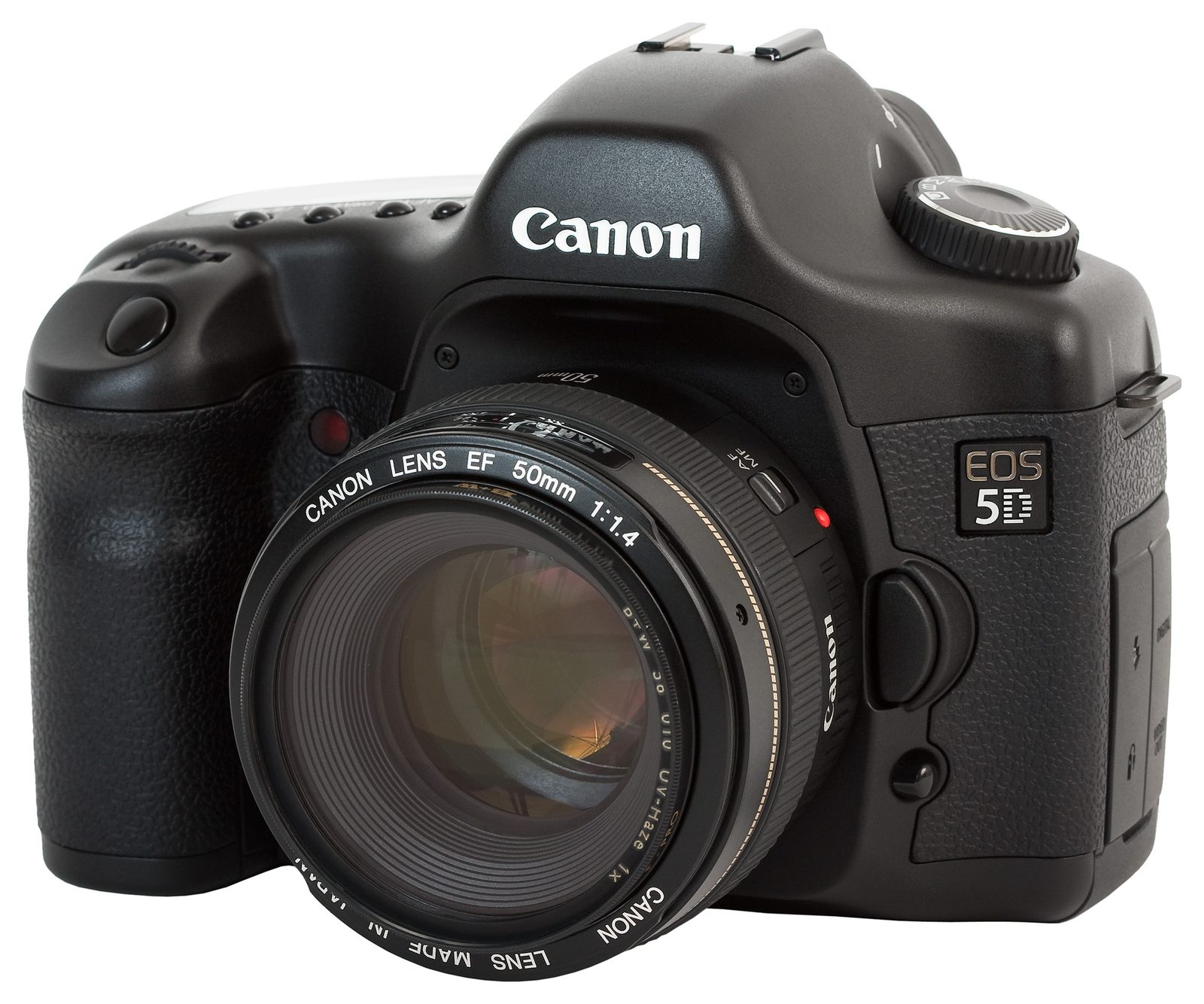
One of the most fervent calls for a comeback revolves around the unique color rendition of early full-frame digital cameras, specifically citing the original Canon EOS 5D and its successor, the Canon EOS 5D Mark II. Released in 2005 and 2008, respectively, these cameras quickly became industry benchmarks for their accessibility to full-frame digital photography. A substantial online discourse, evidenced by numerous articles, forum discussions, and social media threads, continually explores methods to replicate their distinctive color output. The allure, it is argued, stems from a perceived "lack of color" rather than an abundance.
Earlier digital sensors, including those found in the Canon 5D and 5D Mark II, possessed a comparatively lower color bit depth than contemporary models. This technical characteristic often resulted in images exhibiting a slightly more muted, less saturated appearance straight out of the camera. While modern sensors are engineered for expansive dynamic range and vibrant color reproduction, the older Canon sensors, particularly adept at rendering blues while showing slight limitations with reds, produced a palette that many photographers now consider inherently artistic and nostalgic. Replicating this look post-capture is complex, extending beyond simple saturation adjustments, often requiring meticulous, photo-by-photo manipulation of individual color channels.

The implication for manufacturers is a potential market for "color simulations" inspired by iconic camera models, akin to the film simulations offered by companies like Fujifilm, which draw upon its rich heritage in film stock. Such digital profiles could emulate the specific characteristics of these revered sensors – including their muted colors and even subtle digital noise – while leveraging the superior sharpness, resolution, and dynamic range of modern camera hardware. This fusion of classic aesthetic with contemporary performance could cater to a growing segment of photographers seeking a distinct visual signature without the technical compromises of older equipment.
The Resurgence of Pocketable Point-and-Shoot Cameras
The digital photography market has witnessed a curious trend in recent years: the unexpected resurgence in popularity of vintage point-and-shoot cameras, particularly among younger demographics. While the broader market for new point-and-shoot cameras has largely contracted due to the ubiquity and increasing sophistication of smartphone cameras, there is a discernible demand for models from over a decade ago. This trend bypasses high-end, contemporary compact cameras like the Sony RX1R III or RX100 VII, focusing instead on older, often less technically advanced devices.
Several factors contribute to this phenomenon. The "nostalgic color palettes" of these older sensors, often producing images with a unique, less clinically perfect aesthetic, resonate with a generation seeking authenticity over pristine clarity. Additionally, the simpler metering systems of these cameras can sometimes lead to charmingly imperfect exposures, contributing to a distinctive visual style. Crucially, the extreme portability of these older models – designed to slip effortlessly into a pocket – offers a practical advantage over many modern mirrorless or DSLR setups.
The market shift over the last 10-15 years saw manufacturers pivot away from entry-level point-and-shoots, focusing instead on prosumer compacts with advanced features, manual controls, and larger sensors to differentiate from smartphones. However, as digital fatigue sets in and users seek devices that offer a dedicated photographic experience without the constant connectivity and notification bombardment of smartphones, the simplicity of a basic point-and-shoot becomes appealing. The renewed interest in early 2000s Canon PowerShot and Nikon CoolPix models underscores a clear market gap for new, affordable (under $800), and genuinely pocketable digital cameras that prioritize ease of use and a distinctive, less-than-perfect aesthetic over bleeding-edge technical specifications. This indicates a potential avenue for brands to re-engage a segment of the market currently being served by second-hand vintage gear.
The Enduring Charm of Disposable Cameras
Building on the theme of nostalgia and simplified photography, Lensrentals.com expresses a desire for the widespread return of disposable cameras. These ubiquitous plastic cameras, once a staple at grocery store checkout lines, provided an accessible entry point to photography for countless families before the digital age. Their appeal stemmed from their low cost, ease of use, and the element of surprise inherent in film development.
The current cultural climate is ripe for a disposable camera resurgence. The overarching trend towards nostalgic aesthetics, coupled with a preference for a unique "look" over technical perfection (sharpness, color rendering), aligns perfectly with the characteristics of disposable cameras. These devices inherently deliver a distinct, often imperfect, and highly evocative aesthetic that is difficult to replicate digitally. The delayed gratification of waiting for film to be developed, a stark contrast to instant digital previews, also contributes to a more mindful and anticipatory photographic experience.
While the infrastructure for affordable, one-hour photo development has largely diminished, modern solutions could include mail-in development services or partnerships with specialized labs. A renewed push by manufacturers to produce updated disposable cameras, perhaps with improved film stocks or slightly better optics while maintaining their core simplicity and affordability, could tap into this burgeoning retro market. The convenience of simply picking up a camera at a local store for a weekend trip, knowing it will produce unique, tangible memories, holds significant appeal in an increasingly digital world. This trend reflects a broader return to analog experiences, as seen in the vinyl record and instant film markets.
The Quest for Ultrafast Prime Lenses (Apertures Faster Than f/1.2)
Before the intense competition for higher megapixel counts defined the early 2000s, another significant "race" captivated lens manufacturers: the pursuit of the fastest possible lens apertures. Lensrentals.com advocates for a revival of this engineering challenge, pushing the boundaries of optical design to create prime lenses with apertures faster than f/1.2.

Historically, this quest yielded legendary optics. The Leica Noctilux-M 50mm f/0.95 ASPH, introduced in 2008, remains a prominent example, renowned for its incredible light-gathering capability and ultra-shallow depth of field. However, other manufacturers, notably Canon, also contributed significantly. The Canon EF 50mm f/1.0L, released in 1989, was a marvel for its time, despite its acknowledged optical flaws, particularly in wide-open sharpness. Even more remarkable was the Canon EF 200mm f/1.8L, introduced a year earlier in 1988. This colossal lens, while heavy and not always perfectly sharp or fast-focusing, delivered breathtaking results when its wide-open performance aligned. These lenses were not merely technical achievements; they offered a distinct visual signature characterized by extreme subject isolation and unique bokeh.
The advent of mirrorless camera systems has opened new avenues for lens design. The shorter flange focal distance of mirrorless mounts (e.g., Canon RF, Nikon Z, Sony E) theoretically allows for greater flexibility in optical formulations, potentially enabling the creation of even faster lenses with improved optical performance compared to their DSLR predecessors. While modern lenses like the Canon RF 50mm f/1.2L or Nikon Z 58mm f/0.95 S Noct (the latter being a manual focus lens) demonstrate a renewed interest, a broader challenge among mainstream manufacturers to push beyond f/1.2, perhaps even approaching f/0.95 or faster in more accessible focal lengths, could ignite a new era of optical innovation. This would not only appeal to professional photographers seeking extreme low-light performance and unparalleled subject separation but also push the theoretical limits of what is optically possible with modern materials and design tools. The technical discussions around flange lengths and light-gathering capabilities suggest that the conditions are ripe for manufacturers to re-engage in this ambitious pursuit.
A Resurgence for Nikon in the Competitive Camera Market
Perhaps the most significant call for a comeback, from an industry health perspective, is for a robust resurgence of Nikon. Once a titan alongside Canon, dominating the professional and enthusiast camera markets for decades, Nikon has experienced a challenging period over the past decade. This decline has seen other brands, particularly Sony and Fujifilm, capitalize on market shifts and innovation gaps, gaining significant traction.
Nikon’s struggles have been multifaceted. The company faced notable product recalls that, at times, cast a shadow over their reputation for reliability. More critically, their transition into the mirrorless camera market was perceived by many as slower and less decisive than competitors. While Canon aggressively moved its user base to the RF mount, and Sony continued its pioneering work in mirrorless, Nikon’s early mirrorless offerings were sometimes seen as playing catch-up. Financial reports have occasionally raised questions about the company’s working capital and long-term stability, fueling industry whispers.

Despite these challenges, Nikon has continued to release innovative cameras and lenses, particularly within its Z-mount mirrorless system. Models like the Nikon Z9 and Z8 have garnered critical acclaim for their performance and feature sets, indicating a strong commitment to regaining market share. However, the perception of "blood in the water" persists among some industry professionals, highlighting the competitive pressure.
Lensrentals.com’s call for Nikon’s resurgence is not merely sentimental but rooted in the belief that a strong, innovative Nikon benefits the entire industry. A healthy, competitive landscape among major manufacturers drives innovation, offers consumers more choices, and pushes technological boundaries. Should Nikon successfully rebuild its market standing, reputation, and customer base, it would not only secure its own future but also inject renewed vigor into the broader photographic and video industry for decades to come. Their unique heritage, lens designs, and color science represent a valuable perspective that, when fully leveraged, can significantly contribute to the evolution of imaging technology.
In conclusion, Lensrentals.com’s reflection on these five desired comebacks paints a picture of an industry at a crossroads, balancing technological advancement with a profound appreciation for photographic history and user experience. From classic color palettes and simplified cameras to groundbreaking optics and a revitalized competitive landscape, these aspirations underscore a desire for innovation that respects heritage and caters to the diverse, evolving needs of photographers worldwide.