The 98th annual Academy Awards ceremony recently concluded, celebrating a remarkable year in cinematic achievement. While accolades were distributed across numerous categories, the discipline of cinematography stood out, showcasing an unparalleled blend of artistic vision and technical innovation. This year’s nominees and winners demonstrated the profound impact that camera work, lighting, and lens choices have on storytelling, pushing the boundaries of visual language and immersing audiences in diverse narrative worlds. As the award season draws to a close, a closer examination of the tools and techniques employed by these master cinematographers offers invaluable insight into the craft behind some of the most memorable moments on screen.
The Evolving Landscape of Cinematic Imagery: Trends from the 98th Academy Awards
The field of cinematography is in a constant state of evolution, balancing tradition with cutting-edge technology. The films honored at the 98th Academy Awards underscore several significant trends. There is a palpable resurgence in the use of large-format cameras, both digital and film, for their unparalleled resolution and shallow depth of field, which allows for intricate detail and striking visual separation. Simultaneously, the industry continues to innovate with custom-designed lenses and camera prototypes, tailored to specific artistic visions or challenging practical requirements, as exemplified by projects like "F1." Furthermore, the strategic deployment of film stock—from the textural richness of 35mm to the nostalgic grain of 16mm—highlights a deliberate choice by filmmakers to imbue their narratives with specific historical or emotional qualities, often in stark contrast to the pristine clarity offered by digital alternatives. The interplay between natural light, practical lighting, and sophisticated diffusion techniques also continues to define the atmospheric integrity of contemporary cinema, proving that even in a digital age, the fundamental principles of light and shadow remain paramount.
"Bugonia": Distorting Reality with Wide-Angle Precision
Yorgos Lanthimos’s "Bugonia," continuing his acclaimed collaboration with cinematographer Robbie Ryan, presents a visual language that is as unsettling as it is captivating. Building on their established aesthetic from films like "Poor Things" and "The Favourite," "Bugonia" immerses viewers in a distorted, claustrophobic reality, directly mirroring the film’s central themes of obsession and paranoia. Ryan’s masterful use of extreme wide-angle and fisheye lenses is a defining characteristic, creating a unique perspective that often makes the audience question the very fabric of the depicted world.
The film’s visual approach was meticulously crafted using a combination of specialized cameras. The Vistavision Wilcam W-11 was a key instrument, leveraging the larger negative format of VistaVision to capture expansive yet warped imagery with exceptional detail. VistaVision, historically known for its horizontal 8-perf 35mm film orientation, offers a significantly larger negative area than standard 35mm, contributing to a distinct clarity and depth when paired with these extreme lenses. Complementing this, the ARRIFLEX 435 and ARRIFLEX 435 HS cameras were employed. These renowned 35mm film cameras are celebrated for their reliability, versatility, and ability to handle high frame rates, crucial for capturing specific movements or creating heightened tension within Lanthimos’s meticulously choreographed scenes. The combination of these film cameras with specialized optics allowed Ryan to craft a visual experience that is both technically precise and viscerally impactful, drawing the audience into a fun yet profoundly unsettling cinematic journey where reality itself is playfully subverted. This expert level of filmmaking demonstrates how specific gear choices can fundamentally shape narrative and audience perception, making "Bugonia" a standout in its visual audacity.
"F1": High-Octane Innovation on the Racetrack
"F1" represents a monumental leap in practical action filmmaking, spearheaded by the visionary Oscar-winning cinematographer Claudio Miranda. Building upon the groundbreaking techniques he pioneered for "Top Gun: Maverick," this production elevated on-location shooting to unprecedented levels. The core strategy involved mounting real cameras to custom-modified Formula 2 cars, driven by stars Brad Pitt and Damson Idris, at blistering speeds exceeding 150 mph. This ambitious approach necessitated a new generation of cinematic tools.
To achieve such dynamic, immersive shots without compromising the cars’ critical aerodynamics or the drivers’ visibility, Miranda engaged in a close collaboration with Sony. This partnership led to the development of "Carmen," a bespoke, miniaturized 6K sensor-on-a-stick prototype. Remarkably, "Carmen" is approximately a quarter of the size of a standard cinema camera, yet capable of delivering high-resolution footage. This custom prototype, alongside the Sony Venice 2 and the DJI Ronin 4D, formed the technical backbone of the film’s race sequences. The Sony Venice 2, known for its full-frame sensor and exceptional low-light capabilities, likely served as the primary camera for more controlled setups and principal photography, ensuring cinematic quality. The DJI Ronin 4D, an integrated camera and gimbal system, provided stabilized, handheld, and agile shooting capabilities, ideal for capturing the kinetic energy of the pit lane and close-quarters action.
These high-tech rigs were strategically distributed across the car’s "halo" — the protective structure above the cockpit — and various points on the chassis. This allowed for up to seven simultaneous camera angles, all remotely controlled for pan and tilt, offering an unprecedented perspective on the racing action. The logistical and technical challenges of operating such a complex system at high speeds are immense, yet the result is spectacular cinematography that places the audience directly in the driver’s seat, setting a new benchmark for automotive action films. The innovative spirit behind "F1" not only delivered breathtaking visuals but also showcased the industry’s capacity for engineering bespoke solutions to artistic demands.
"Hamnet": The Observational Gaze of a "Ghost Camera"
Chloé Zhao’s "Hamnet" features a strikingly intimate visual language, meticulously crafted by cinematographer Lukasz Zal, celebrated for his Academy Award-nominated work on "Ida" and "Cold War." Zal’s approach in "Hamnet" embraces what he describes as a "ghost camera" perspective—an observational, drifting lens that often feels like "death’s point of view." This technique allows the camera to scan scenes with a quiet, non-judgmental weight, offering a profound sense of introspection and melancholy that perfectly complements the film’s historical and emotional depth.
The primary camera used for "Hamnet" was the ARRI Alexa 35. The ARRI Alexa 35, known for its exceptional image quality, wide dynamic range, and natural color reproduction, is a favored choice for cinematographers seeking a film-like aesthetic in a digital format. Its advanced sensor technology allows for superb detail and subtle gradations in light and shadow, which are crucial for Zal’s nuanced visual style. The camera’s ability to render naturalistic skin tones and its robust performance in various lighting conditions provided the flexibility needed to capture the delicate emotions and period setting of "Hamnet." Zal’s choice of the Alexa 35, combined with a deliberate approach to composition and movement, allowed him to create a visual narrative that feels both deeply personal and universally resonant. The "ghost camera" technique, characterized by its subtle pans, slow dollies, and thoughtful framing, evokes a sense of presence without intrusion, inviting the audience to observe the unfolding drama with a detached yet empathetic eye. This meticulous attention to visual detail underscores how camera choice, when paired with a clear artistic philosophy, can profoundly shape the emotional resonance of a film.
"Frankenstein": Gothic Horror in Large-Format Grandeur
In Guillermo del Toro’s "Frankenstein," cinematographer Dan Laustsen employs a sweeping, large-format visual style to modernize the classic gothic horror aesthetic. Laustsen, a frequent collaborator with del Toro, known for his work on "The Shape of Water" and "Nightmare Alley," brings a signature dark elegance to this adaptation. The film’s entire visual tapestry was woven using the ARRI Alexa 65 with Leitz THALIA 65 lenses, a combination that delivers immense resolution and a unique textural quality.
The ARRI Alexa 65, a large-format digital camera with a sensor significantly larger than Super 35, provides an extraordinary level of detail and a shallow depth of field, ideal for creating the painterly, immersive look that del Toro’s films often feature. Paired with the Leitz THALIA 65 lenses, which are known for their beautiful rendition, subtle fall-off, and consistent performance across a range of focal lengths, the camera system allowed Laustsen to achieve a grand, yet intimate visual scope. A notable aspect of the cinematography is its heavy reliance on a 24mm wide-angle lens, utilized for nearly 90% of the film’s shots. This deliberate choice creates a powerful sense of environmental presence, allowing the monstrous and the magnificent to coexist within the same frame, often highlighting the isolation or grandeur of the characters and their surroundings.
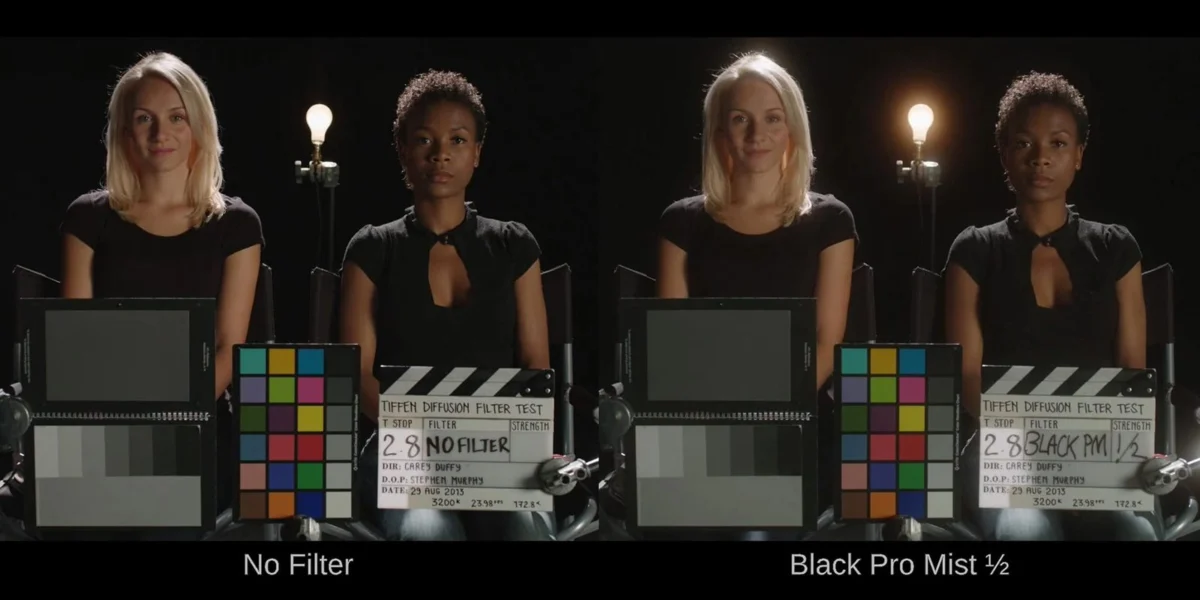
To temper the inherent digital sharpness of the Alexa 65 and infuse the images with a classic, atmospheric quality, Laustsen innovated by utilizing custom Black Pro-Mist diffusion filters placed behind the lens. This unconventional placement allowed the filters to "burn out" highlights in a controlled manner, softening the image and adding a subtle glow, while crucially preserving the deep, rich blacks essential to the film’s moody, chiaroscuro atmosphere. This technique ensured that the film retained the tactile, almost tangible darkness characteristic of gothic horror, preventing it from appearing overly sterile or clinical. The result is a visually arresting "Frankenstein" that simultaneously feels epic and deeply atmospheric, a testament to the power of deliberate technical choices in shaping a cinematic world.
"Marty Supreme": The Painterly Intimacy of 35mm Film
Josh Safdie’s "Marty Supreme," with cinematography by Darius Khondji, deliberately eschews modern digital aesthetics in favor of a richly textured, "painterly" 35mm film look. Khondji, renowned for his distinctive visual style in films like "Se7en" and "Uncut Gems," opts for an approach that emphasizes grain, color rendition, and a unique depth of field that only film can truly provide. This choice reinforces the film’s intense psychological drama and its protagonist’s internal world.
The film was primarily shot on Arricam LT and Arricam ST cameras, both celebrated for their quiet operation and robust performance in capturing 35mm film. These cameras, loaded with Kodak Vision3 500T film, delivered a vibrant yet nuanced color palette and a characteristic filmic grain that lends an authentic, timeless quality to the visuals. Kodak Vision3 500T is particularly known for its versatility in mixed lighting conditions and its ability to render rich blacks and vivid colors, making it an ideal choice for the film’s often intense and dramatic scenes.
Adding to this distinct aesthetic, the production utilized vintage Panavision B and C Series anamorphic lenses. These lenses are prized for their unique optical characteristics, including subtle distortions, expressive lens flares, and the classic anamorphic oval bokeh, all of which contribute to a heightened sense of cinematic artistry and visual depth. Khondji’s visual strategy centers on the use of tight telephoto shots, employing exceptionally long lenses (up to 360mm) to capture suffocating, expressive close-ups of Timothée Chalamet’s character. This telephoto approach creates an extremely shallow depth of field, effectively isolating Marty from his environment. This isolation not only makes him appear "larger than life" within the frame but also simulates an observational feel, mirroring the intense scrutiny and challenges he faces in the high-stakes world of table tennis. The deliberate combination of film stock, vintage anamorphic glass, and telephoto framing creates a highly immersive and emotionally charged viewing experience, showcasing film’s enduring power to evoke specific moods and character perspectives.
"One Battle After Another": Reviving VistaVision for a Gritty Thriller
"One Battle After Another," a standout on this year’s list, masterfully revives the VistaVision format to deliver a gritty, 1970s-inspired political thriller. The film embraces a 1.50:1 aspect ratio, shot with large negative spacing throughout, a deliberate homage to the iconic 1970s classic "The French Connection." This choice immediately grounds the film in a specific cinematic era, lending it an authentic texture and visual vocabulary that resonates with the aesthetics of classic thrillers.
The camera system for this ambitious project included the Beaumont VistaVision camera and the Panavision Millennium XL2. The Beaumont VistaVision camera, a bespoke or highly customized system designed to harness the large 8-perf horizontal 35mm format, was instrumental in achieving the desired visual fidelity and period-appropriate look. Its larger negative area provides superior resolution and a unique image quality that differentiates it from standard 35mm. The Panavision Millennium XL2, a versatile 35mm film camera, likely served to complement the VistaVision sequences, particularly for shots requiring greater agility or specific lens compatibility.
A crucial element in achieving the film’s distinctive texture was the development of a custom set of prototype spherical lenses by Panavision’s Dan Sasaki, aptly dubbed "GWs." These lenses were specifically engineered to emulate the optical characteristics of the glass used by legendary cinematographer Gordon Willis, known for his groundbreaking work on "The Godfather Part II" and "All the President’s Men." Willis’s aesthetic, characterized by deep shadows, naturalistic lighting, and a certain softness, is meticulously recreated through these custom optics. The film effectively highlights detailed California landscapes while also utilizing suffocating, long-lens close-ups, a stylistic hallmark that enhances the sense of paranoia and political intrigue. This dual approach creates a modern masterpiece that simultaneously feels like a cherished classic from the 1970s or 80s, proving the timeless appeal of meticulously crafted period aesthetics and the power of bespoke technical solutions.
"Train Dreams": Photographic Memory in Natural Light
In "Train Dreams," cinematographer Adolpho Veloso crafts a poignant visual language deeply rooted in "photographic memory." The film uniquely utilizes a rare 3:2 aspect ratio, deliberately chosen to evoke the feel of vintage still portraits from the early 20th century. This aspect ratio, reminiscent of classic medium format photography, lends a timeless and intimate quality to the narrative, as if each frame is a carefully preserved relic of the past.
The film was shot digitally on the ARRI Alexa 35, leveraging its exceptional sensor capabilities to achieve a nuanced and organic aesthetic. The Alexa 35’s ability to capture a wide dynamic range and render subtle color variations was crucial for Veloso’s primary lighting strategy: almost exclusive reliance on natural light. This commitment to naturalism meant embracing available light sources, whether it be the soft glow of dawn, the harsh midday sun, or the gentle fade of twilight. In interior scenes, the filmmakers further enhanced this organic feel by using real campfires and candles as practical lighting sources. This approach not only added a layer of historical authenticity but also contributed to a textured, more tactile image quality, where flickering flames cast dynamic shadows and warm, inviting glows.
The combination of the 3:2 aspect ratio, the advanced digital sensor of the Alexa 35, and the unwavering commitment to natural and practical lighting creates a visual experience that is both deeply immersive and aesthetically distinct. Veloso’s cinematography in "Train Dreams" transcends mere documentation, transforming each frame into a carefully composed tableau, inviting audiences to reflect on themes of memory, history, and the ephemeral nature of life through a truly unique visual lens.
"Sentimental Value": Dual-Format Exploration of Memory
Joachim Trier’s "Sentimental Value" (2025), with cinematography by Kasper Tuxen, employs a sophisticated dual-format visual strategy to navigate the film’s intricate themes of memory, family, and reconciliation. This deliberate choice in format allows the filmmakers to visually delineate different narrative layers, providing a rich textural contrast that enhances the storytelling.
The primary narrative of the film is captured on 35mm Kodak film using the Arricam LT and Cooke 5/i lenses. The Arricam LT, a workhorse in film production, is celebrated for its reliability and quiet operation, essential for dialogue-heavy scenes. Kodak film stock provides the classic cinematic look, with its characteristic grain, rich color rendition, and organic quality, lending the main storyline a timeless and grounded feel. The Cooke 5/i lenses are known for their warm, naturalistic rendering, pleasing skin tones, and subtle fall-off, contributing to the film’s emotional intimacy and human connection. This combination establishes a visually consistent and aesthetically pleasing foundation for the core story.
To distinguish the film-within-a-film sequences and historical flashbacks, the production made a deliberate shift to 16mm film and incorporated a bleach bypass process during development. Shooting on 16mm naturally introduces a coarser grain structure and a more raw, documentary-like aesthetic, immediately signaling a departure from the main narrative’s visual style. The bleach bypass technique, which omits the bleaching step in film processing, retains silver in the emulsion alongside the color dyes. This results in images with desaturated colors, increased contrast, and a grittier, harsher, and older appearance. This visual transformation effectively communicates the temporal and emotional distance of the flashbacks, making them feel like faded, imperfect memories or archival footage. Tuxen’s ingenious dual-format approach in "Sentimental Value" is a powerful example of how technical choices can serve as narrative devices, visually guiding the audience through complex emotional landscapes and reinforcing the film’s thematic exploration of memory’s subjective nature.
"Secret Agent": Vibrant Hues of 1970s Brazil
In "The Secret Agent," cinematographer Evgenia Alexandrova masterfully uses a vibrant and often oppressive palette to render the turbulent atmosphere of 1970s Brazil. The film’s visual style is a crucial element in conveying the historical context and the emotional intensity of the period, immersing the audience in a world of political tension and cultural vibrancy.
The film was primarily shot on the ARRI Alexa 35, paired with vintage Panavision B Series anamorphic lenses. The ARRI Alexa 35, with its advanced sensor and wide dynamic range, provides the fidelity needed to capture both the subtle nuances and the bold expressions of Alexandrova’s vision. The vintage Panavision B Series anamorphic lenses are critical to the film’s aesthetic, known for their distinctive optical characteristics, including unique lens flares, shallow depth of field, and a widescreen aspect ratio that lends a grand, cinematic scope. These lenses contribute to a visual texture that feels both classic and evocative of the 1970s era, avoiding a sterile modern look.
Alexandrova’s cinematography leans into a "360-degree" philosophy, utilizing wide shots that capture the rich historical textures of Recife and São Paulo. This approach allows the audience to fully absorb the environment, creating a sense of being present within the bustling, often chaotic, world of 1970s Brazil. Beyond composition, color plays a pivotal role. Alexandrova employs saturated primary colors and a distinctive reddish undertone in the shadows, creating a "woozy," nostalgic heat that permeates the film. This pervasive warmth and subtle distortion evoke the oppressive climate and the simmering political tensions of the era. The bold color choices and the immersive wide shots combine to create a visually distinct and emotionally resonant portrayal of a specific time and place, making "The Secret Agent" a powerful example of how cinematography can transport an audience and deepen their understanding of a narrative.
"Sinners": Towering Dread in IMAX and True Black
In Ryan Coogler’s "Sinners," cinematographer Autumn Durald Arkapaw crafts a gothic aesthetic that firmly anchors supernatural horror in a tangible, historical reality. This visually ambitious film utilizes cutting-edge large-format technology to create an overwhelming sense of "towering dread" set against the backdrop of the early 1900s American South.
The film was shot entirely on IMAX-certified digital cameras, specifically the IMAX MSM 9802 MKIV and Panavision System 65. The IMAX MSM 9802 MKIV is a digital camera designed for native IMAX aspect ratios and resolution, delivering unparalleled clarity and immersive scale. The Panavision System 65, another large-format digital camera, complements this by providing exceptional image quality and versatility. These cameras, combined with custom-tuned Panavision Specho spherical lenses, ensure that every frame possesses a grand, almost epic quality, amplifying the film’s horror elements. The use of an ultra-wide 1.43:1 aspect ratio for its most sequence-heavy moments is particularly impactful, filling the massive IMAX screens and enveloping the audience in the film’s oppressive atmosphere.
Durald Arkapaw’s lighting strategy is a significant departure from conventional horror tropes. She deliberately avoids the "Hollywood blue" often associated with night scenes, opting instead for a "true black" philosophy. In many critical moments, characters are often silhouetted against firelight or the harsh, singular glare of period-accurate lanterns. This high-contrast approach creates a profound visual separation between the twin protagonists and the deep, inky shadows that seemingly house the film’s monstrous threats. The stark contrast between the illuminated subjects and their surrounding darkness fosters an unsettling uneasiness that pervades the entire film. This sophisticated interplay of large format, specific aspect ratios, and a minimalist yet impactful lighting scheme ensures that "Sinners" delivers a visceral and deeply atmospheric horror experience, where the visual narrative is as terrifying as the supernatural elements themselves.
The Enduring Impact of Visionary Cinematography
The films highlighted from the 98th Academy Awards collectively underscore the vital role cinematography plays not just in capturing images, but in shaping the emotional core and narrative depth of cinematic storytelling. From the innovative camera engineering on "F1" to the deliberate film stock choices in "Marty Supreme" and "Sentimental Value," and the grand scale of "Sinners" and "Frankenstein," each project represents a unique exploration of visual artistry.
These examples illustrate that the choice of camera, lens, and lighting technique is never arbitrary. Instead, it is a deeply considered artistic decision, made in concert with the director, to serve the film’s thematic intentions and enhance the audience’s immersive experience. The resurgence of film formats, the continued push for larger digital sensors, and the development of custom optics all point to a vibrant and innovative future for cinematography. As technology advances, so too does the capacity for filmmakers to translate their most ambitious visions into breathtaking visual realities, ensuring that the art of the moving image remains at the forefront of cinematic expression. The discussions surrounding these films at the 98th Academy Awards reinforce the idea that cinematography is not merely a technical craft, but a profound artistic endeavor that continues to evolve, surprise, and captivate audiences worldwide.
Sources – American Cinematographer, Leitz-Cine, MotionPictures.org, Kodak