The photographic industry is abuzz with the introduction of the Sony FE 100mm f/2.8 Macro GM lens, a new offering poised to significantly advance the capabilities available to macro photographers. This latest addition to Sony’s prestigious G Master series promises not just exceptional image quality, a hallmark of the GM line, but also groundbreaking performance metrics that challenge existing benchmarks, particularly in autofocus speed and magnification ratio. Initial insights, derived from extensive testing by seasoned professionals, suggest this lens is far from a typical market entry, presenting a sophisticated blend of optical prowess and technological innovation designed to meet the rigorous demands of professional macro work.
A New Benchmark in Macro Lens Design
For many photographers, macro lenses traditionally occupy a specific niche, valued for their ability to capture extreme close-ups with intricate detail. The market has seen a consistent stream of macro lenses, predominantly in the 90-105mm focal length range, typically featuring an f/2.8 aperture and often incorporating image stabilization. While these characteristics have become industry standards, the new Sony FE 100mm f/2.8 Macro GM distinguishes itself by enhancing these core attributes and integrating advanced features that collectively elevate its performance beyond conventional expectations.
Macro photography, by its very nature, demands lenses capable of resolving the minutest details. Historically, this has positioned macro lenses among the sharpest optics offered by manufacturers. Their specialized optical designs are optimized for close-focusing distances, ensuring minimal aberrations and maximum clarity. Furthermore, the precise nature of macro work often necessitates highly accurate autofocus systems, even if these systems traditionally operate with a slightly reduced speed compared to lenses designed for broader applications like sports or portraiture. The Sony FE 100mm f/2.8 Macro GM aims to break this perceived trade-off, delivering not only superior resolution and accuracy but also an unprecedented level of autofocus speed for its class.
Key Innovations Setting the Sony FE 100mm f/2.8 Macro GM Apart
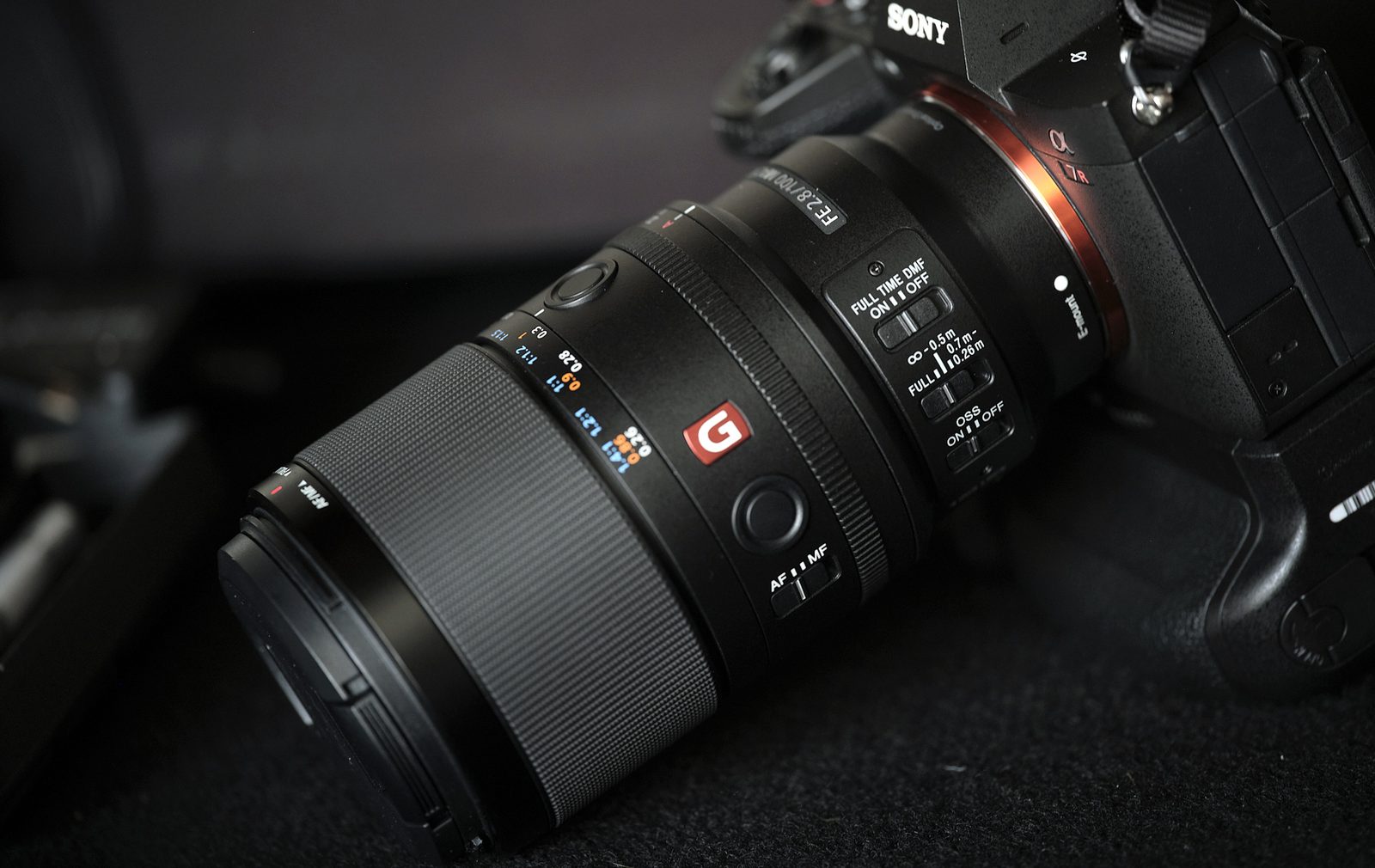
Several critical design choices and technological advancements contribute to the Sony FE 100mm f/2.8 Macro GM’s distinct position in the market. One of its most significant differentiators is its impressive 1.4x magnification ratio. While many professional macro lenses achieve a 1:1 magnification, meaning a subject is reproduced at life-size on the camera sensor, the Sony lens pushes this boundary further. A 1.4x magnification allows for subjects to be rendered 1.4 times larger than their actual size on the sensor, capturing even finer details from the same working distance. This increased magnification is particularly advantageous for subjects like small insects, intricate textures, or delicate botanical structures, where every fraction of a millimetre counts.
The optical architecture of the FE 100mm f/2.8 Macro GM comprises 17 elements arranged in 13 groups. This complex design is engineered to deliver exceptional sharpness across the entire frame, from the centre to the periphery, and maintain high contrast even at wide apertures. The lens incorporates Sony’s proprietary Nano AR Coating, which effectively suppresses internal reflections that can cause ghosting and flaring, thereby preserving image clarity and colour fidelity, especially in challenging lighting conditions. Such coatings are crucial in macro photography, where small light sources or reflections can easily impact image quality.
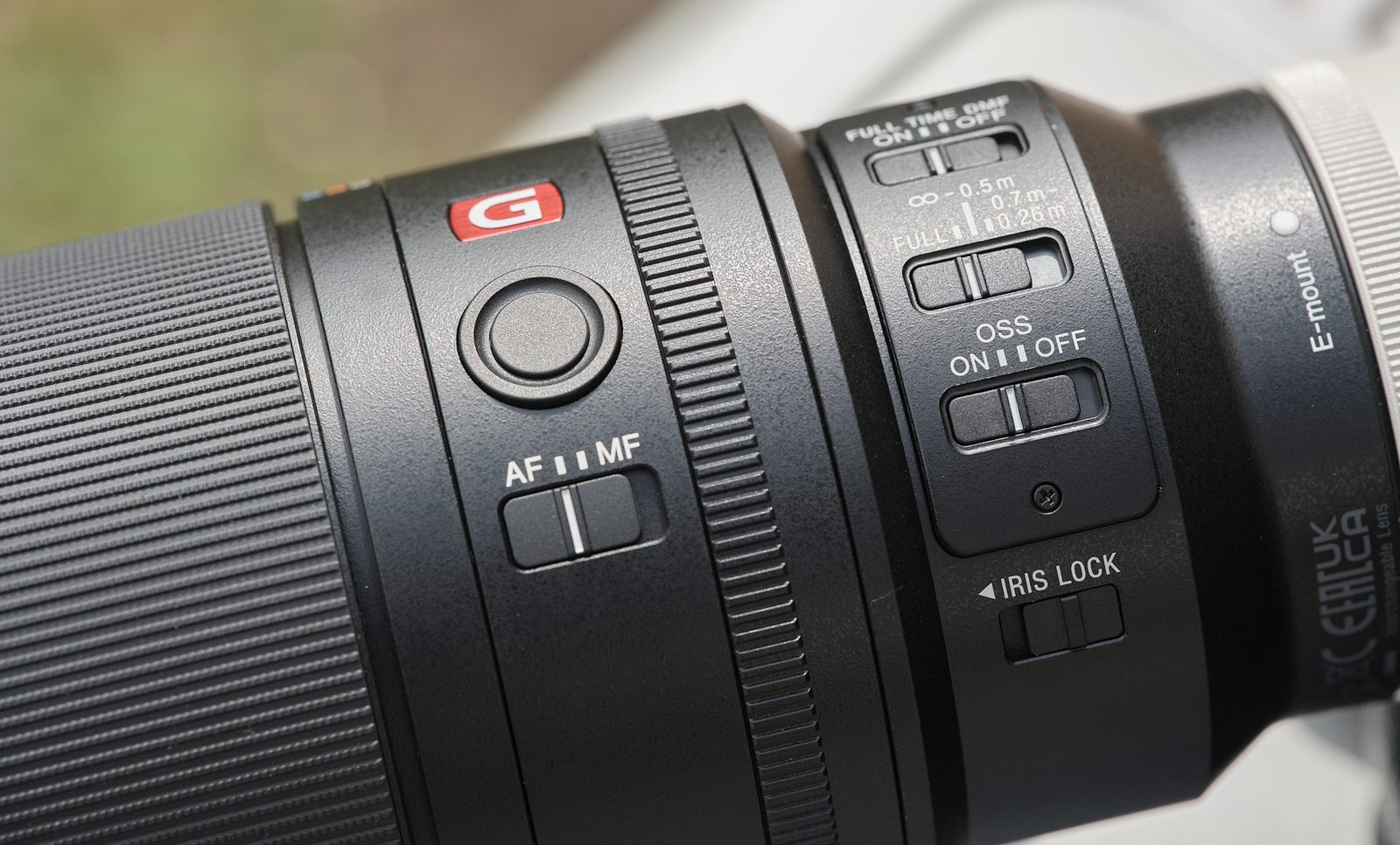
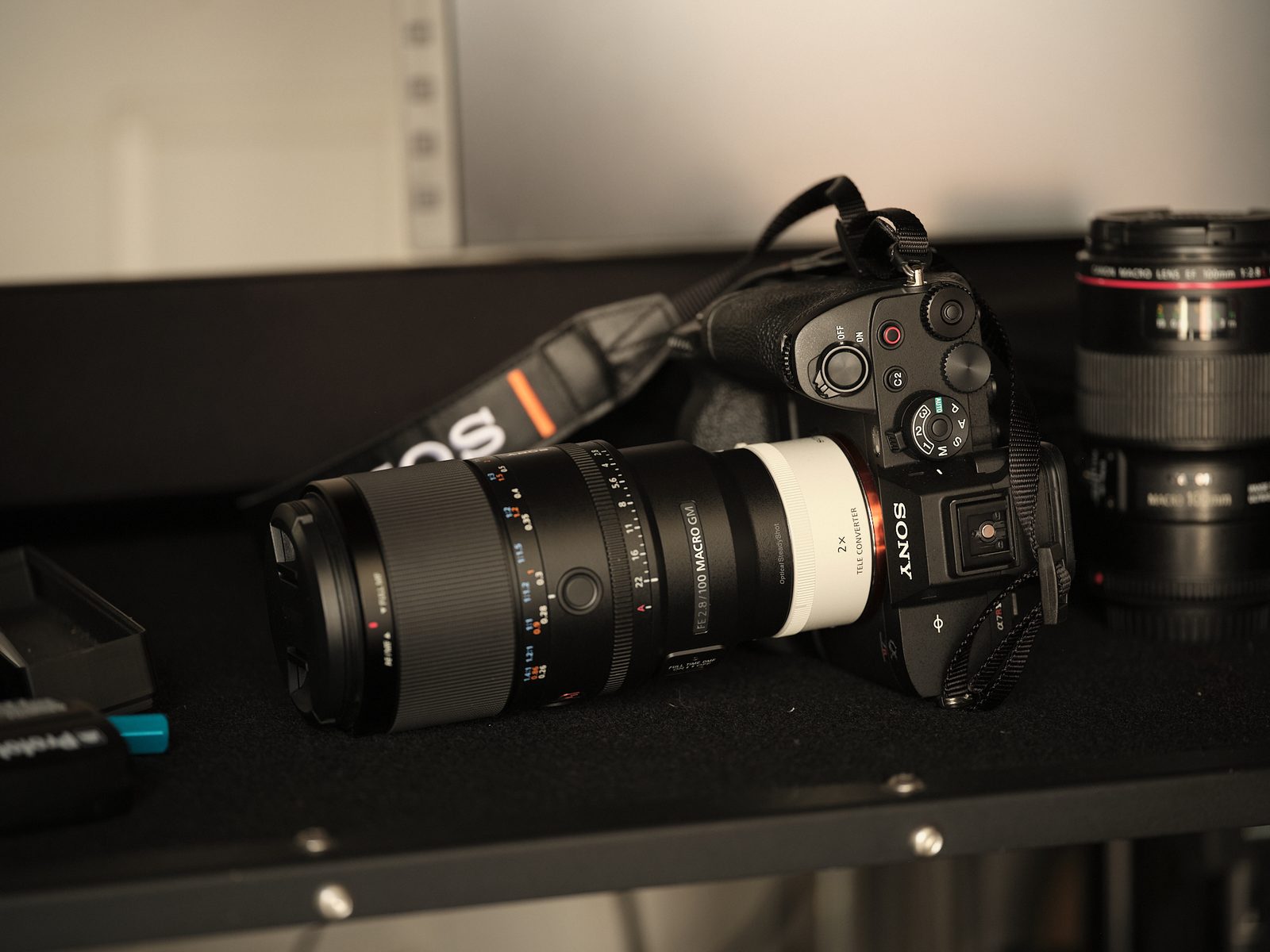
Perhaps one of the most compelling features for professional users is the lens’s compatibility with Sony’s FE 2.0x teleconverter. This accessory effectively doubles the lens’s focal length to 200mm and, critically, increases the magnification level to an astounding 2.8x. This capability is transformative for specialized fields such as beauty macro photography, where photographers often struggle to achieve sufficient magnification without physically encroaching on the subject or interfering with meticulously arranged lighting setups. By extending the effective focal length and magnification, the teleconverter allows photographers to maintain a greater working distance while still achieving extreme close-ups, offering greater flexibility in lighting and composition. This combination provides an effective focal length that can replicate the visual impact of dedicated super macro lenses, but with the versatility of a teleconverter system.
Addressing the traditional compromise between autofocus accuracy and speed in macro lenses, Sony has integrated four XD (Extreme Dynamic) linear motors into the FE 100mm f/2.8 Macro GM. These advanced motors enable remarkably fast, precise, and quiet autofocus performance. This is a significant departure from many conventional macro lenses, which often employ slower, geared mechanisms that prioritize accuracy over speed. The rapid autofocus capability of the Sony lens broadens its utility, making it suitable not only for static macro subjects but also for capturing moving subjects like insects in flight or fleeting expressions in beauty photography, scenarios where quick and decisive focusing is paramount. The five-stop image stabilization system further enhances the lens’s versatility, allowing for sharper handheld shots in lower light conditions or at slower shutter speeds, which is often a necessity in macro work where depth of field is inherently shallow.

Professional Impressions and Comparative Performance
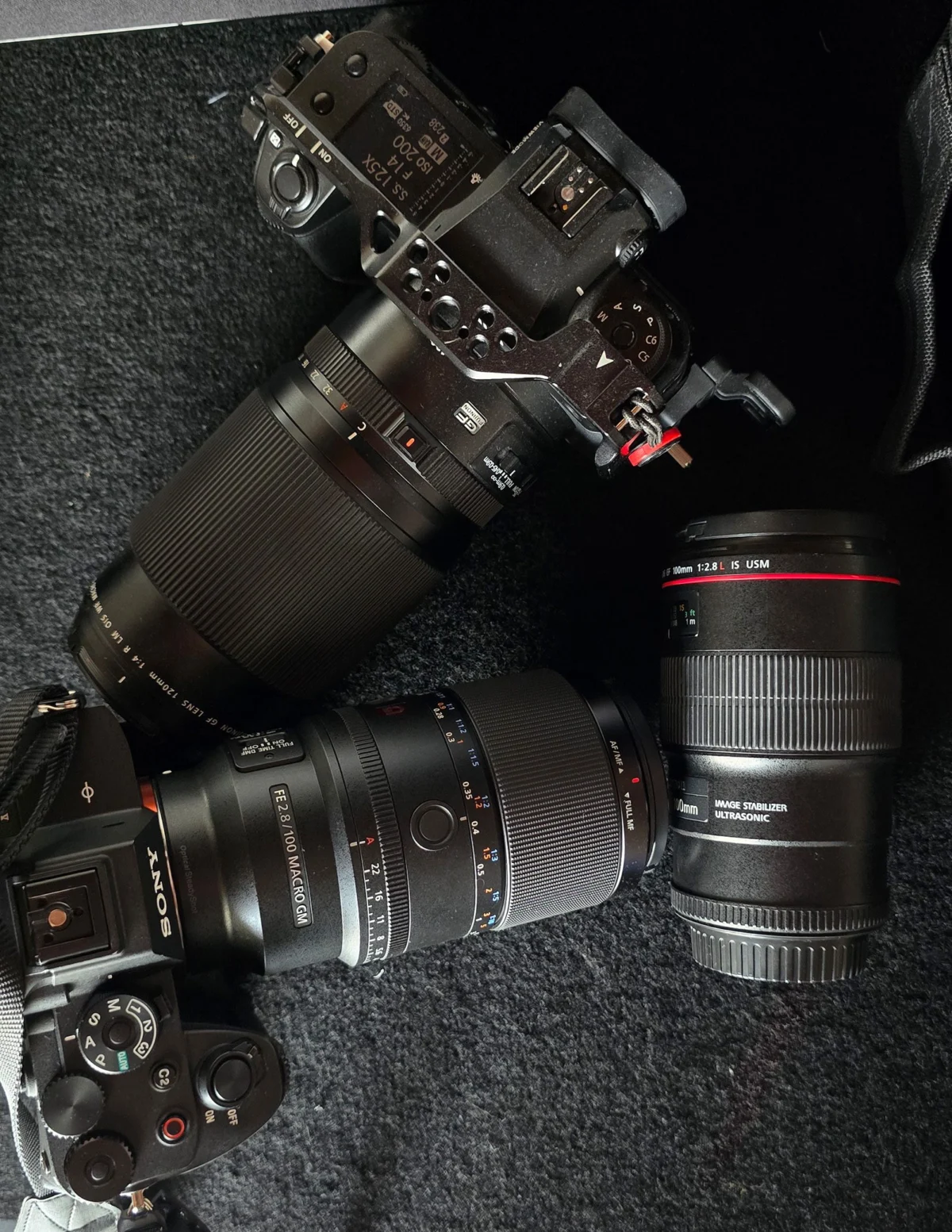
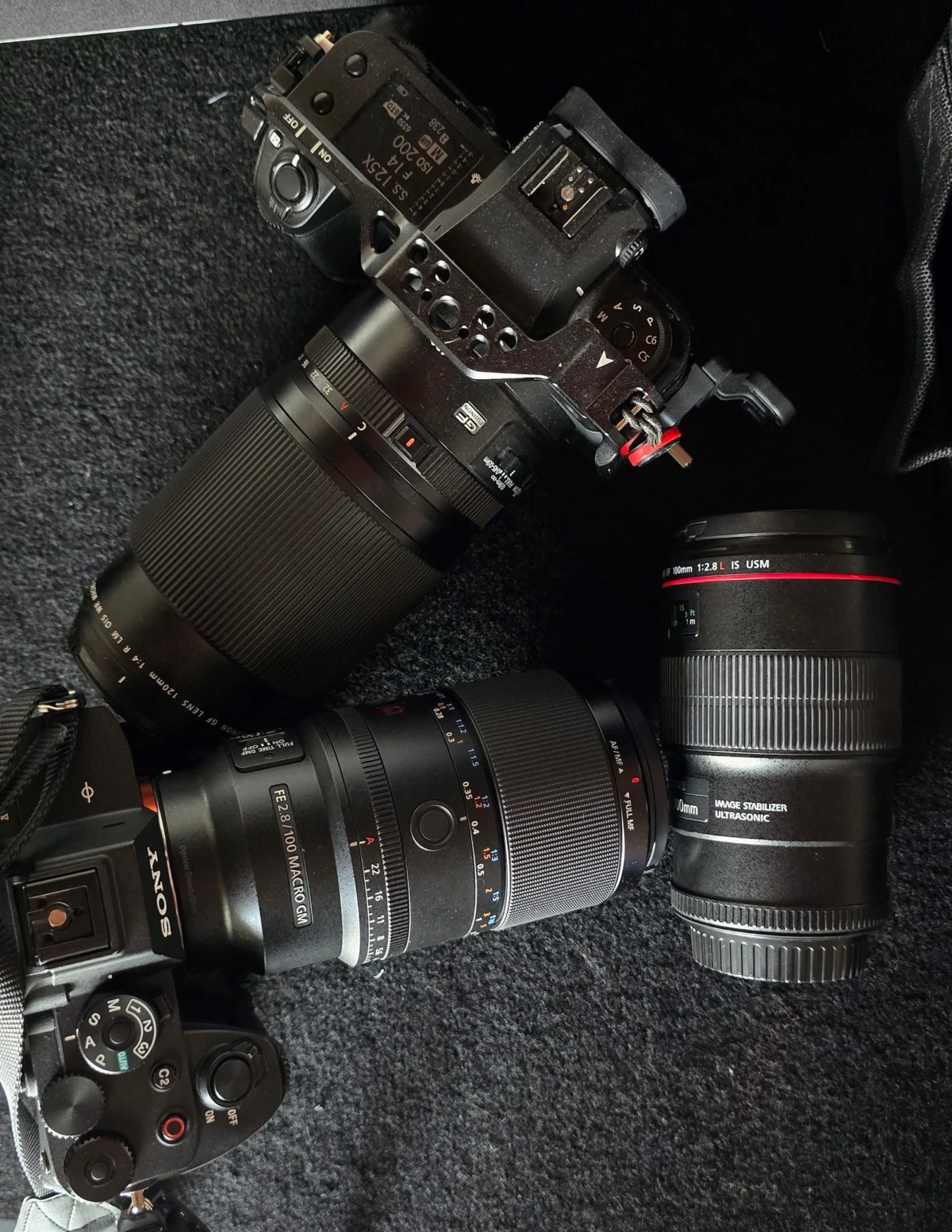
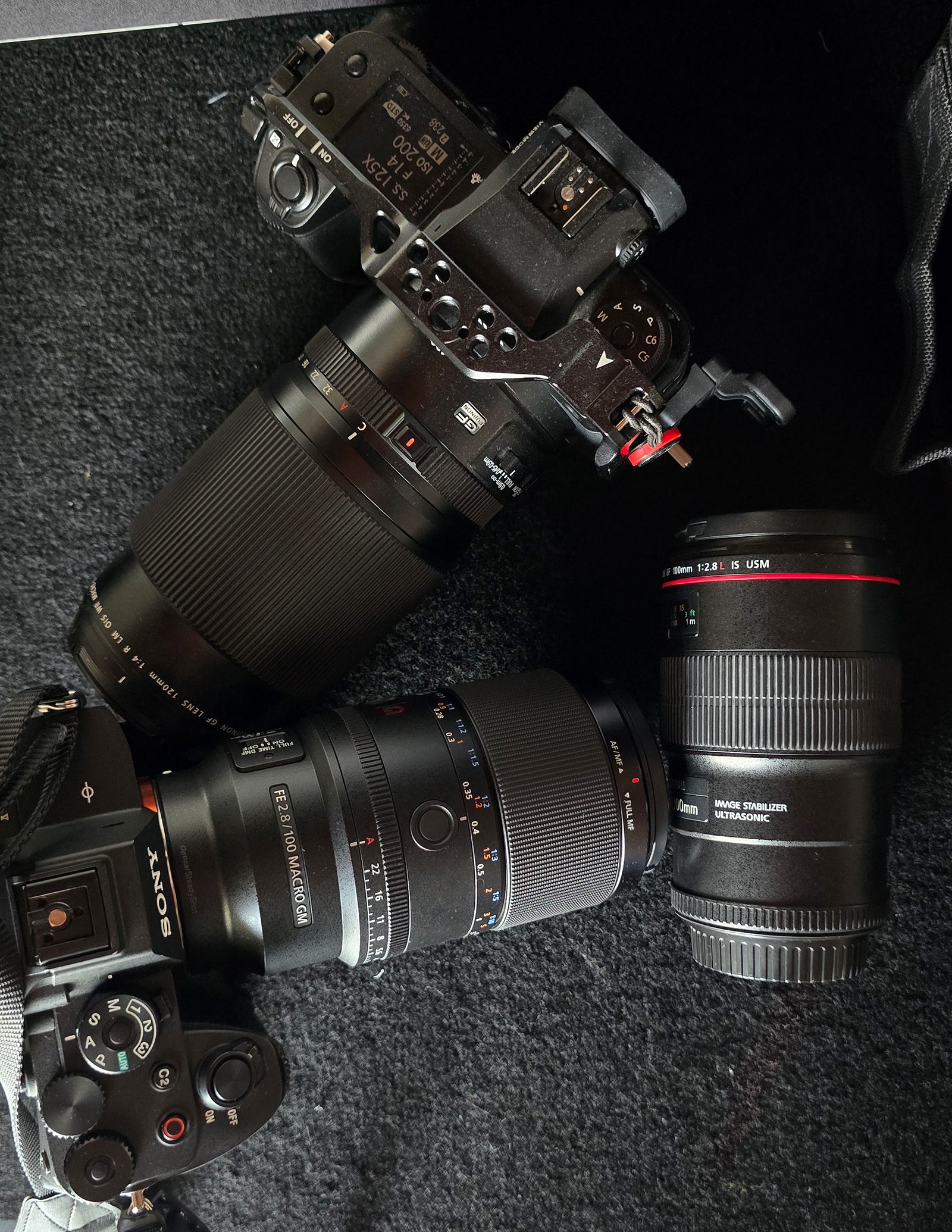
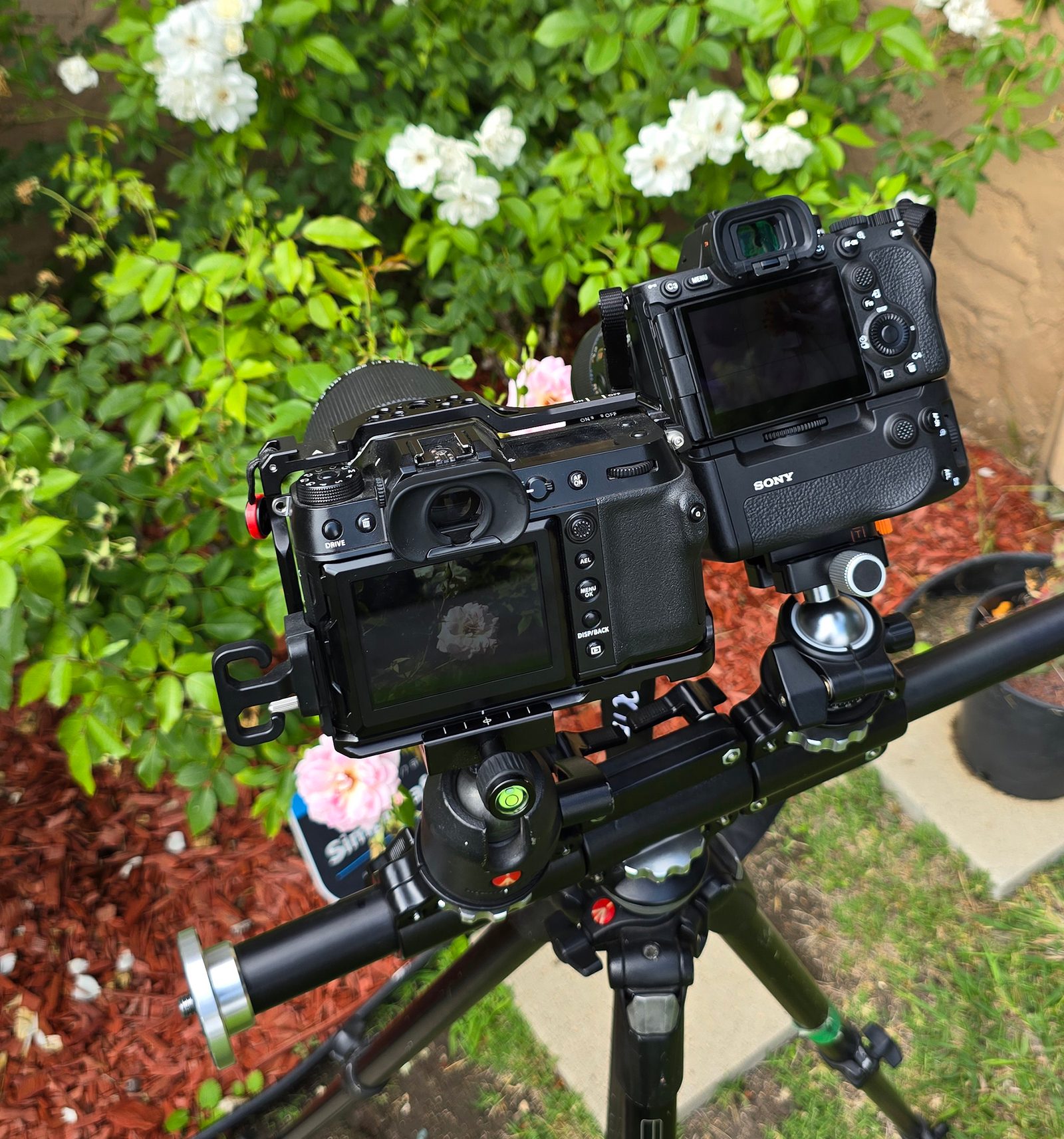
Initial professional evaluations underscore the Sony FE 100mm f/2.8 Macro GM’s exceptional capabilities. Testers, including individuals with extensive experience across numerous macro lens systems, have reported being "deeply impressed" by the lens’s performance. One notable comparison involved pitting the new Sony lens, mounted on a Sony a7R V camera, against a high-resolution medium-format setup: the Fujifilm GFX 100s paired with the Fujifilm GF 120mm f/4 Macro lens. The Fujifilm system, known for its immense resolution and the GF 120mm’s optical quality, has long been a benchmark for detailed imaging.

In direct comparison, the Sony FE 100mm f/2.8 Macro GM on the a7R V demonstrated superior autofocus speed, produced sharper images, and offered a significantly higher magnification level than the Fujifilm medium-format kit. While the Fujifilm GF 120mm f/4 Macro is celebrated for its close-focusing prowess and unparalleled sharpness within its ecosystem, its native magnification level of 0.5x is considerably lower than the Sony’s 1.4x, let alone its 2.8x potential with the teleconverter. This outcome is particularly striking given the resolution advantage typically associated with medium-format sensors like the GFX 100s. The Sony system, even with a smaller sensor and a standard teleconverter, managed to surpass a premium medium-format macro setup in key performance areas, particularly when cropped to 100% to assess absolute sharpness and detail rendition at high magnification.
Market Context and Competitive Landscape

The introduction of the Sony FE 100mm f/2.8 Macro GM enters a competitive landscape populated by several strong contenders. A comparative analysis reveals how Sony positions this new lens:
| Feature | Sony FE 100mm f/2.8 GM | Fujifilm GF 120mm f/4 | Canon EF 100mm f/2.8L IS | Canon RF 100mm f/2.8L IS |
|---|---|---|---|---|
| Lens Design | 17 Elements in 13 Groups | 14 Elements in 9 Groups | 15 Elements in 12 Groups | 17 Elements in 13 Groups |
| Stabilization | Yes, five-stop | Yes, five-stop | Yes, two-stop | Yes, five-stop |
| Magnification Level | 1.4x Magnification | 0.5x Magnification | 1x Magnification | 1.4x Magnification |
| Minimum Focus Distance | 0.26m | 0.45m | 0.30m | 0.26m |
| Size Dimensions | 81.4 x L: 147.6 mm | 89.2 x L: 152.5 mm | 77.7 x L: 123 mm | 81.5 x L: 148 mm |
| Weight | 646 g | 980 g | 625 g | 730 g |
| Price (Estimated) | $1399 – $1,699 | $3,099 | $1,399 | $1,199 |
The table highlights Sony’s competitive edge. The 1.4x magnification matches the latest Canon RF offering and significantly surpasses the Fujifilm GF 120mm and the older Canon EF version. The minimum focus distance of 0.26m is also class-leading, allowing for closer capture of minute subjects. Furthermore, the inclusion of a five-stop stabilization system aligns with modern expectations for professional lenses, matching Fujifilm and the Canon RF version, while improving upon the older Canon EF’s two-stop system.

From a pricing perspective, Sony positions the FE 100mm f/2.8 Macro GM competitively within the high-end full-frame macro segment, with an estimated price range of $1399 – $1,699. This makes it a significantly more accessible option than the Fujifilm GF 120mm f/4 Macro, which caters to a medium-format clientele at over double the price. Against its direct full-frame mirrorless rival, the Canon RF 100mm f/2.8L IS, the Sony lens appears to be priced similarly, but with the added benefit of potentially higher optical performance and faster autofocus, as indicated by initial reviews. The weight and dimensions of the Sony lens also strike a good balance, offering robust build quality without being overly cumbersome, especially when compared to the heavier Fujifilm option.
Broader Implications and Market Impact
The launch of the Sony FE 100mm f/2.8 Macro GM carries significant implications for both Sony’s market strategy and the broader photographic community. For Sony, it reinforces their commitment to the E-mount ecosystem and their G Master series, demonstrating a continued push for technological innovation at the premium end of the lens market. By addressing traditional limitations of macro photography, particularly autofocus speed and extreme magnification, Sony is likely to attract a wider array of professional photographers who require versatile tools for diverse applications beyond static, controlled macro shoots. This lens could solidify Sony’s position as a leader in providing high-performance optics across various photographic disciplines.
For photographers, this lens represents a new era of possibilities in macro imaging. The combination of high magnification, exceptional sharpness, and lightning-fast autofocus opens doors for creative approaches previously hindered by equipment limitations. Wildlife macro photographers will benefit from the ability to track and capture fast-moving insects with greater precision. Commercial and beauty photographers can achieve intricate detail shots with improved workflow efficiency and expanded creative control through teleconverter use. The competitive pricing, especially when considering its performance against higher-priced medium-format alternatives, also makes cutting-edge macro capabilities more accessible to a broader professional audience.

This development also signals an ongoing trend in the lens industry: the relentless pursuit of overcoming historical compromises. The idea that macro lenses must sacrifice speed for accuracy or magnification for usability is being challenged by advanced motor technologies and sophisticated optical designs. As manufacturers continue to integrate such innovations, photographers can expect more specialized lenses that excel in multiple performance metrics, blurring the lines between what was once considered mutually exclusive.
The Sony FE 100mm f/2.8 Macro GM is now available for pre-order, with an anticipated release in the coming weeks. Its debut marks a pivotal moment in macro lens technology, promising to set a new standard for performance and versatility in the field. Further comprehensive reviews are eagerly awaited to fully explore the capabilities and long-term impact of this groundbreaking lens on the world of macro photography.