The recently concluded 2026 FIFA World Cup delivered an extraordinary spectacle of athleticism and drama, culminating in a series of unforgettable matches that captivated billions worldwide. Beyond the breathtaking goals and tactical masterclasses, this tournament also marked a pivotal moment for sports broadcasting, showcasing an unprecedented integration of cutting-edge technology designed to bring fans closer to the action than ever before. From dynamic aerial cameras to referee-mounted perspectives and advanced real-time data analytics, the technological infrastructure deployed across the tournament’s 104 matches redefined the viewing experience, transforming traditional sports coverage into a high-fidelity, interactive cinematic event.
FIFA’s Vision: The Drive for Innovation
The FIFA World Cup, as the planet’s most-watched sporting event, has consistently served as a crucible for innovation. With an estimated global audience of over 5 billion viewers throughout the 2022 tournament in Qatar, and projections for even greater reach in 2026, the stakes for delivering a superior broadcast are immense. FIFA’s commitment to technological advancement stems from a multi-faceted vision: to enhance fan engagement, ensure greater officiating accuracy and transparency, and push the boundaries of sports storytelling. This commitment has led to significant investments in research and development, often in partnership with leading technology providers and Host Broadcast Services (HBS), the company responsible for delivering the multilateral feed to rights-holding broadcasters worldwide. The 2026 tournament, co-hosted across 16 cities in Canada, Mexico, and the United States, presented a unique opportunity to deploy these innovations on an expansive, continental scale, setting new benchmarks for live sports production.
Revolutionizing Perspectives: The Evolution of Camera Technology
The visual narrative of the 2026 World Cup was profoundly shaped by an array of sophisticated camera systems, each contributing a unique dimension to the broadcast.
-
Spidercam: From Overhead Glimpses to Dynamic Tactical Tools
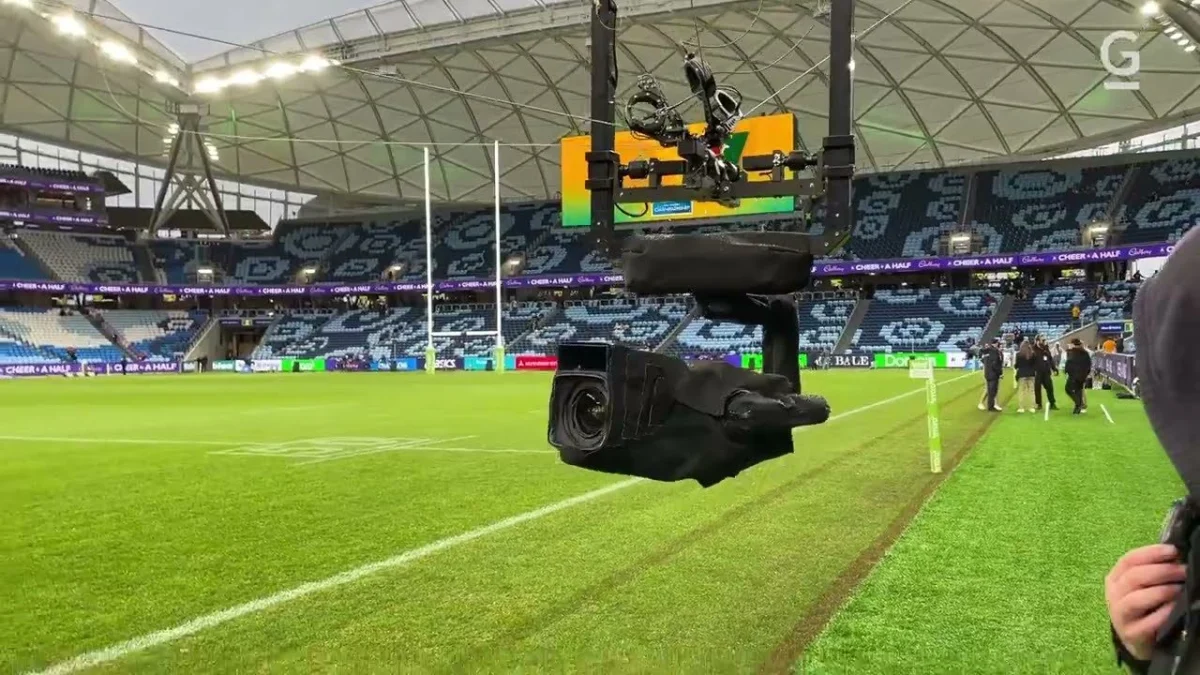
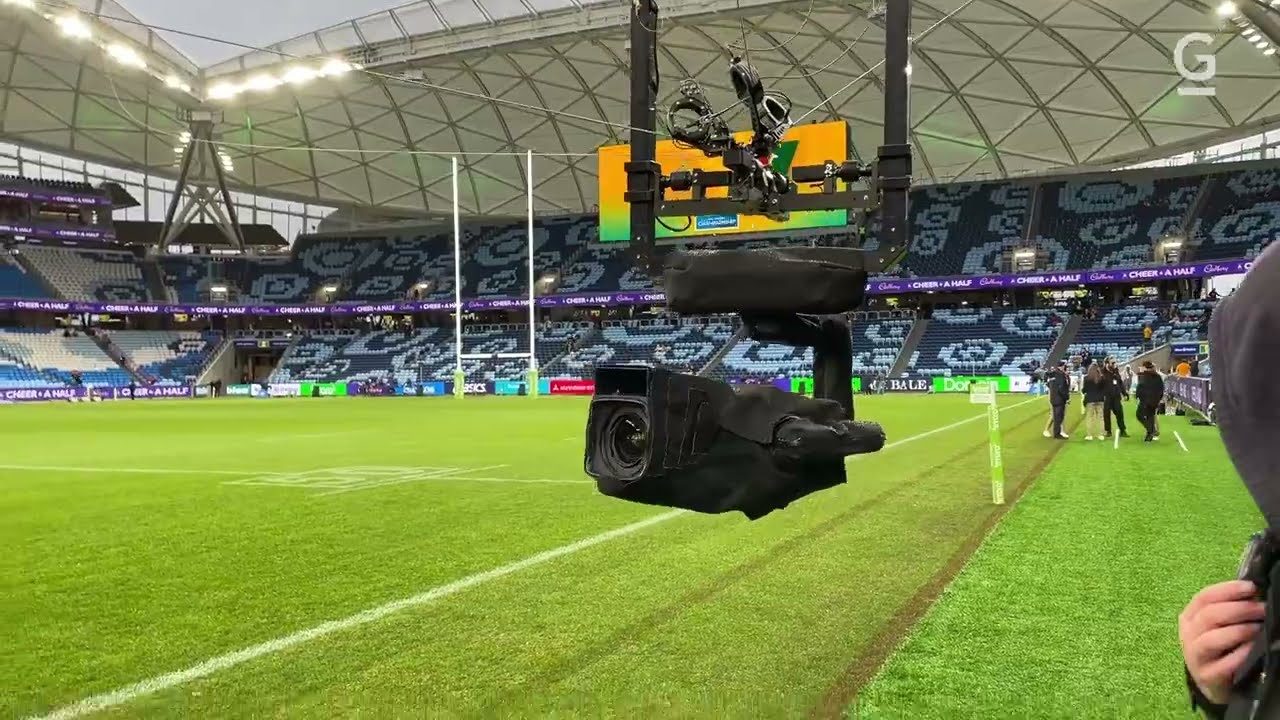
The sight of a camera rig gracefully gliding above the pitch is no longer novel, but the deployment of Spidercam technology at the 2026 World Cup reached an unprecedented level of sophistication and integration. These advanced cable-suspended camera systems, typically comprising a stabilized camera head mounted on a rig tethered by four motorized Kevlar cables, have been a staple in major sporting events for years. However, the 2026 tournament saw broadcasters push their capabilities far beyond previous iterations, transforming the viewing experience into something akin to a high-budget cinematic production.
Historically, Spidercams were often restricted to pre-match warm-ups, halftime sequences, and post-goal celebrations due to concerns about player distraction and safety. For the 2026 World Cup, HBS, building on successful trials at the 2025 Club World Cup Final, introduced multiple cablecam systems per venue. This included the traditional four-point Spidercam, capable of three-dimensional movement across the entire pitch, complemented by secondary, high-speed point-to-point cable cameras running parallel to the touchline. This multi-system approach allowed for simultaneous, multi-angle aerial tracking, particularly effective for capturing lightning-fast counter-attacks and intricate tactical movements.
A significant operational shift for 2026 was the active integration of Spidercams into live play. Sophisticated software zoning and real-time trajectory prediction algorithms ensured that the rigs maintained a strict safe altitude, dynamically adjusting their position to avoid interfering with the ball’s flight path while capturing sweeping, tactical angles of unfolding attacks. Furthermore, in a tournament first, these cameras were strategically deployed during penalty shootouts. Positioning themselves dynamically behind or slightly above the kicker, they offered an unparalleled, intimate view of the immense psychological tension, the goalkeeper’s precise movements, and the ball’s trajectory, enhancing the drama and analytical depth of these critical moments.
These next-generation Spidercams were outfitted with ultra-lightweight 4K HDR broadcast cameras, capable of capturing stunning detail and dynamic range. Crucially, they were paired with real-time augmented reality (AR) graphics tracking systems, allowing live statistics, player speeds, tactical grids, and virtual replays to be seamlessly overlaid onto the aerial feed with virtually no latency. This fusion of cinematic aerials with real-time data provided viewers with a richer, more informative, and visually engaging experience, blurring the lines between traditional sports broadcasting and interactive digital content.
-
RefCam: The Referee’s Eye View

Perhaps the most talked-about and transformative innovation of the 2026 World Cup was the widespread adoption of RefCam. This small, high-definition camera, discreetly mounted onto each referee’s headset, offered fans an unprecedented first-person perspective of the match. Developed through a collaborative effort between FIFA’s football technology team and its refereeing department, with advanced AI stabilization provided by partners like Lenovo, the RefCam delivered footage unlike anything previously seen in mainstream sports.
The technology plunges viewers directly into the heart of the action, illustrating the immense physicality of the game as players close space at full speed, the chaotic scramble within a crowded penalty box, and the intense, split-second nature of officiating decisions. While the concept had been tested previously – notably at the 2025 Club World Cup and in select Premier League matches where Australian referee Jarred Gillett pioneered its use in 2024 – the 2026 World Cup marked its official global deployment across all 104 tournament matches.
The impact of RefCam extends beyond mere entertainment. It offers a powerful tool for transparency, allowing fans and pundits alike to gain a deeper understanding of the challenges faced by referees and the rationale behind their decisions. For referee training and analysis, the footage provides invaluable data, offering unique insights into positioning, line of sight, and decision-making under pressure. Initial reactions from both fans and former players have been overwhelmingly positive, with many praising its ability to demystify officiating and enhance empathy for the referees’ demanding role. This innovation represents a significant step towards greater transparency and immersion in the beautiful game.
-
Cinematic Cameras: Elevating Visual Storytelling
A subtle yet profound shift in the visual aesthetics of the World Cup broadcast has been the increasing integration of high-end cinema cameras, a trend that gained significant traction since the 2022 tournament in Qatar and became a permanent fixture in 2026. These are the same sophisticated cameras used in Hollywood feature films, high-budget commercials, and music videos, renowned for their superior image quality and distinctive visual characteristics.
Unlike traditional broadcast cameras, which prioritize depth of field and immediate operational flexibility, cinema cameras excel at delivering a "super-shallow" depth of field. This artistic choice allows for stunning, highly stylized shots where a player’s face or a specific detail remains in razor-sharp focus while the background melts into a pleasing, creamy blur. This technique dramatically enhances the emotional resonance of key moments, capturing the raw intensity in a player’s eyes during a critical penalty, the anguish of a coach on the sidelines, or the euphoria and despair etched on the faces of fans in the stands.
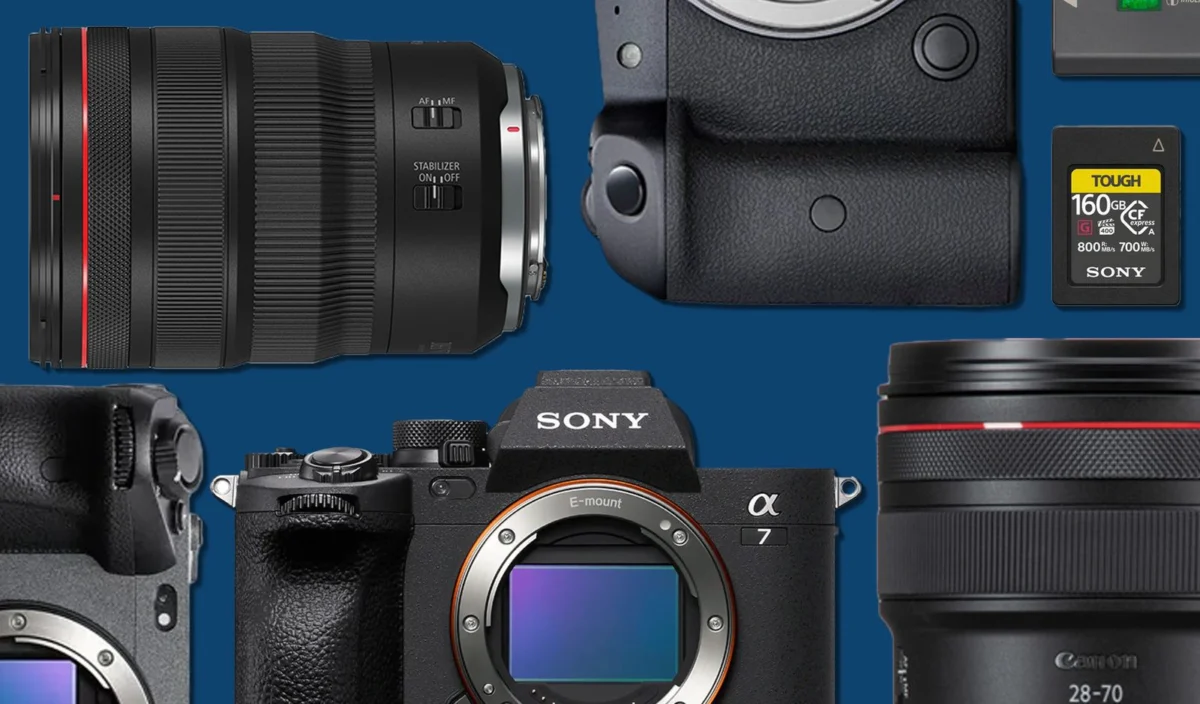
For the 2026 World Cup, these rigs were strategically positioned throughout every match, capturing pre-game tunnel walks, the solemnity of national anthems, emotional player reactions, and moody, evocative close-ups. The integration of brands like RED Digital Cinema, known for their high-resolution Komodo-X 6K cameras, paired with professional-grade lenses such as the Canon RF 24-105mm f/2.8L, transformed many broadcast segments into cinematic vignettes. This blend of live action with a cinematic aesthetic elevated the overall production value, turning the World Cup into a truly blockbuster experience that resonated with a broader audience accustomed to high-quality visual content.
Enhancing Fairness and Insight: Semi-Automated Offside and Smart Ball Technology
Beyond immersive visuals, the 2026 World Cup also saw the continued refinement and widespread application of technologies designed to enhance the fairness and analytical depth of the game.
-
Semi-Automated Offside Technology (SAOT): Precision and Speed
Building on its successful introduction at the 2022 World Cup, the Semi-Automated Offside Technology (SAOT) was a cornerstone of officiating at the 2026 tournament. This system leverages 12 specialized tracking cameras mounted under the stadium roof, which monitor 29 data points on each player’s body, including all limbs, 50 times per second. This precise tracking data, combined with a sensor-equipped match ball, enables the system to determine the exact moment the ball is played and the precise position of attacking players in relation to the defensive line.
When an offside infringement is detected, the SAOT system sends an automated alert to the Video Assistant Referee (VAR) operations room within seconds. The VAR team can then quickly verify the data and communicate with the on-field referee. Crucially, the system can then generate a 3D animation of the incident, showcasing the exact offside line and the relevant player positions. These 3D visualizations are immediately made available to broadcasters and displayed on stadium screens, offering unprecedented transparency and clarity to fans regarding offside decisions. This technology significantly reduces the time taken for offside reviews, minimizing disruptions to the game’s flow while ensuring greater accuracy and consistency in critical decisions.
-
The Connected Ball: Real-time Data at Your Fingertips
Complementing SAOT was the official match ball, equipped with a sophisticated Inertial Measurement Unit (IMU) sensor placed inside its core. This sensor transmits ball data to the VAR operations room 500 times per second, providing an extremely precise detection of the kick point. This technology is vital for accurate offside calls and also offers a wealth of real-time data for statistical analysis.
The connected ball allowed broadcasters to display statistics in near real-time, such as shot speed, spin rate, trajectory, and even the precise contact point of a header or tackle. This rich stream of data provided fans with deeper insights into player performance and game dynamics, enriching the commentary and offering new avenues for tactical analysis. The combination of SAOT and the connected ball represented a significant leap forward in objective officiating and data-driven storytelling, giving fans a better understanding of the intricacies of the game.
The Immense Scale of Broadcast Production: Behind the Scenes
Bringing the World Cup to life for a global audience is an undertaking of colossal logistical and technical complexity. While specific details of every vendor and internal setup remain proprietary, the sheer scale of the broadcast operation offers a glimpse into the vast ecosystem of technology and expertise required.
At the heart of the operation were state-of-the-art broadcast centers, both at the main International Broadcast Centre (IBC) and individual stadium control rooms. These facilities were equipped with hundreds of miles of fiber optic and copper cabling, managing thousands of video and audio feeds simultaneously. Professional-grade equipment, often supplied by leading rental specialists and manufacturers, formed the backbone of this infrastructure.
For instance, the adoption of cinematic workflows meant a significant deployment of cameras like the RED Komodo-X 6K, celebrated for its compact size, high resolution, and impressive dynamic range, paired with versatile optics such as the Canon RF 24-105mm f/2.8L lens. These systems require robust data ingestion and management, with devices like Blackmagic Design HyperDeck Studio 4K Pro systems likely used extensively for recording, playback, and routing of high-resolution footage. The intricate web of connectivity relied on thousands of professional-grade cables, including high-bandwidth solutions like Belden 12G-SDI BNC cables, extending up to 150 feet or more to accommodate diverse camera positions and control rooms. Powering this immense array of equipment required an "army" of high-capacity batteries, such as Micro-V Mount batteries, ensuring uninterrupted operation throughout intense match days.
The coordination of thousands of broadcast professionals—camera operators, audio engineers, replay operators, directors, producers, graphic designers, and IT specialists—across multiple venues and time zones is a logistical marvel. This vast human and technological network works seamlessly to deliver a cohesive, high-quality, and dynamic broadcast that captures every angle and emotion of the tournament.
Broader Impact and the Future of Sports Media
The technological advancements showcased at the 2026 World Cup have far-reaching implications for the future of sports broadcasting and fan engagement. The enhanced immersion provided by Spidercams and RefCams creates a more visceral connection to the game, allowing viewers to experience the pace and pressure in unprecedented ways. The precision of SAOT and the data from the connected ball contribute to a more transparent and analytically rich understanding of officiating and player performance.
This rapid integration of technology is not without its debates. While many fans embrace the added immersion and data, some purists express concerns that an over-reliance on technology could detract from the "purity" or human element of the sport. Arguments often center on whether the constant influx of data or the intrusion of new camera angles might disrupt the natural flow or aesthetic of the game. However, the prevailing sentiment within the industry is that these innovations enhance, rather than diminish, the experience, opening new avenues for storytelling and engagement.
Looking ahead, the trajectory is clear: technology will continue to play an increasingly central role in sports. Future World Cups and other major sporting events are likely to feature even more sophisticated AI-driven analytics, advanced augmented and virtual reality overlays, and personalized viewing experiences that allow fans to customize their camera angles and data displays. The 2026 FIFA World Cup has undeniably set a new standard, demonstrating that the fusion of athletic excellence and cutting-edge technology can create a sporting spectacle that is more engaging, more informative, and ultimately, more unforgettable than ever before.