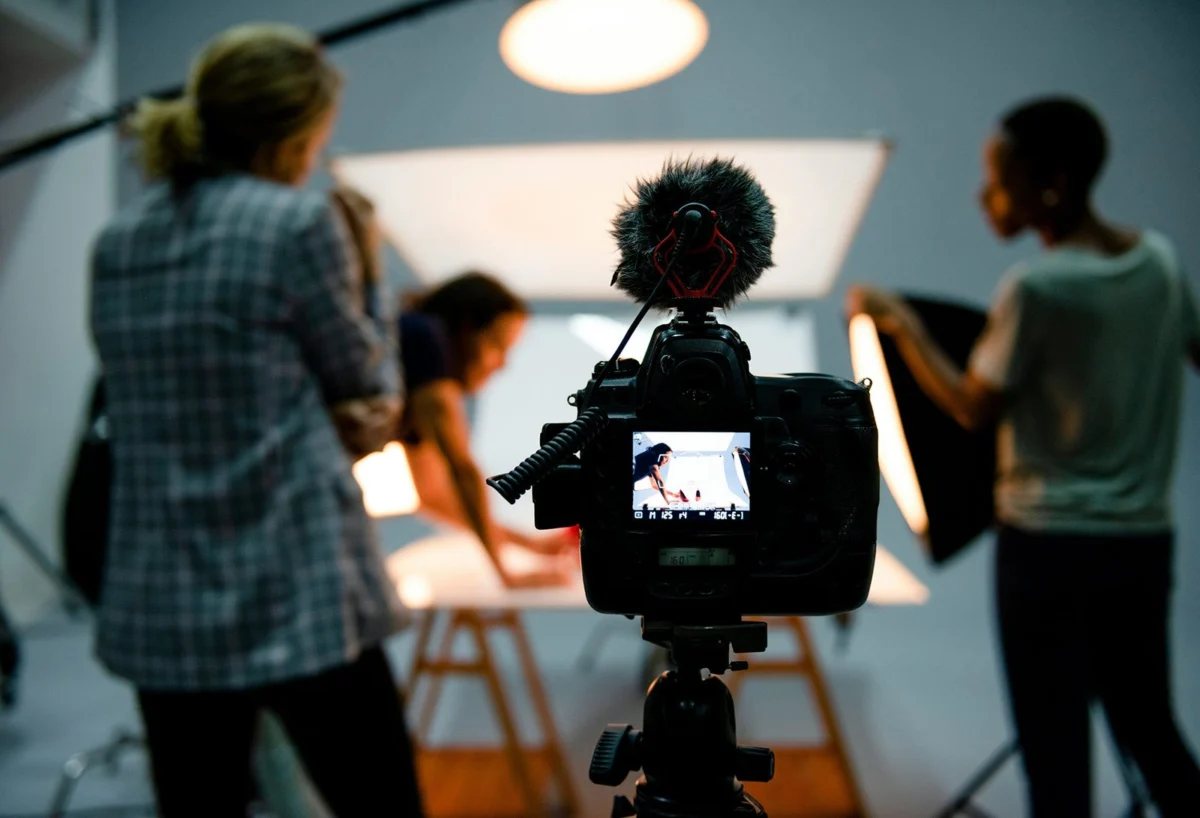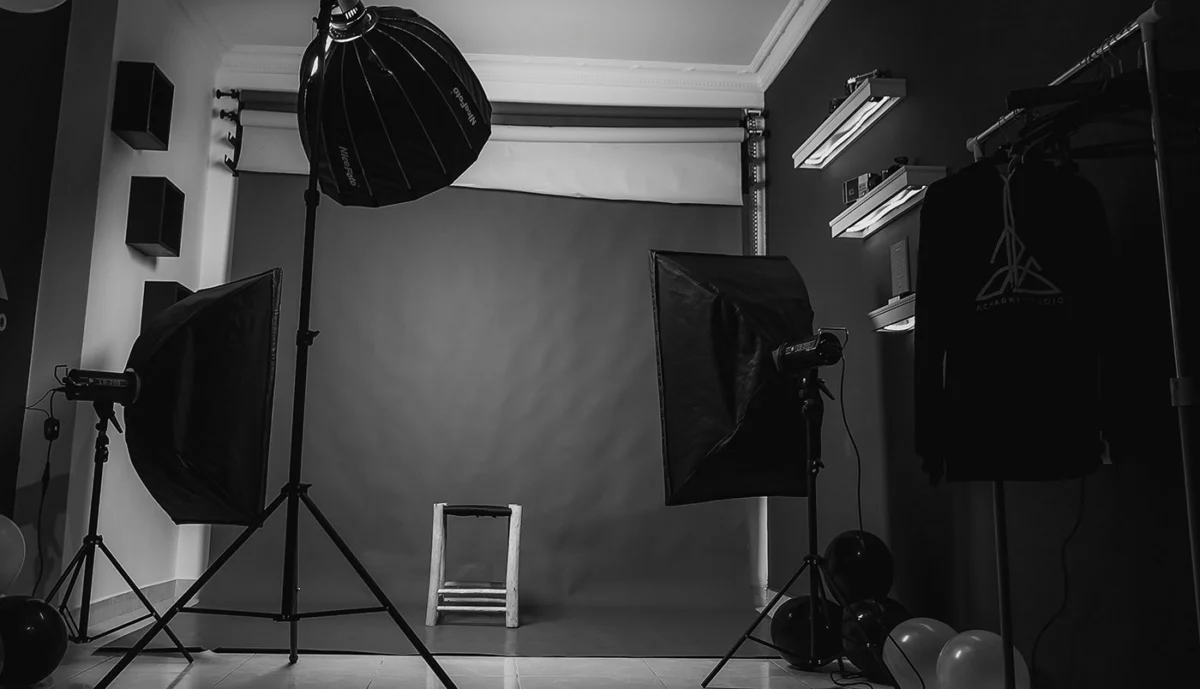
In the dynamic realms of photography and videography, the strategic manipulation of light stands as the paramount differentiator between merely capturing an image and artfully crafting a visual narrative. Far from being solely dependent on sophisticated equipment, the true mastery of visual storytelling through light hinges on a profound understanding and skillful application of three fundamental principles: Intensity, Quality, and Direction. These pillars form the bedrock of compelling imagery, influencing everything from mood and atmosphere to the perception of depth and texture. This exploration delves into each principle, examining its technical nuances, historical context, and profound impact on the visual arts, transcending the boundaries of studio-controlled environments to encompass the ever-changing dynamics of natural light.
Historical Context and the Evolution of Illumination
The deliberate shaping of light is not a modern innovation but a practice deeply rooted in the history of visual representation. From the chiaroscuro techniques employed by Renaissance painters like Caravaggio to the meticulous stage lighting of early theatre, artists have long understood light’s power to evoke emotion and define form. With the advent of photography in the 19th century, the initial reliance on natural light gradually gave way to artificial sources. Early photographers grappled with long exposure times and the unpredictable nature of daylight, leading to experiments with magnesium flash powder and later, incandescent bulbs. The early 20th century saw the birth of cinema, which rapidly propelled the development of sophisticated lighting rigs and techniques, demanding consistent control over light for narrative purposes. Iconic cinematographers from the Golden Age of Hollywood, such as Gregg Toland, pioneered methods that leveraged these three principles to create groundbreaking visual styles, influencing generations of visual artists. The transition from bulky, hot carbon arc lamps and incandescent fixtures to more efficient flashbulbs, then studio strobes, and most recently, versatile LED panels, marks a continuous evolution driven by the persistent need for precise control over intensity, quality, and direction. Each technological leap has provided artists with more refined tools, but the underlying principles have remained immutable, serving as the constant framework for innovation.
Intensity of Light: The Volume Control of Your Visual Canvas
The intensity of light, often conceptualized as the "volume knob" of a light source, refers to the sheer quantity of light reaching a subject and, consequently, the camera sensor. It is the most immediately apparent and, arguably, the easiest principle to grasp, yet its subtle manipulation is crucial for achieving desired exposure and mood. In technical terms, intensity directly impacts the exposure triangle: aperture, shutter speed, and ISO. A higher intensity of light allows for faster shutter speeds, smaller apertures (for greater depth of field), or lower ISO settings (for cleaner images with less noise).
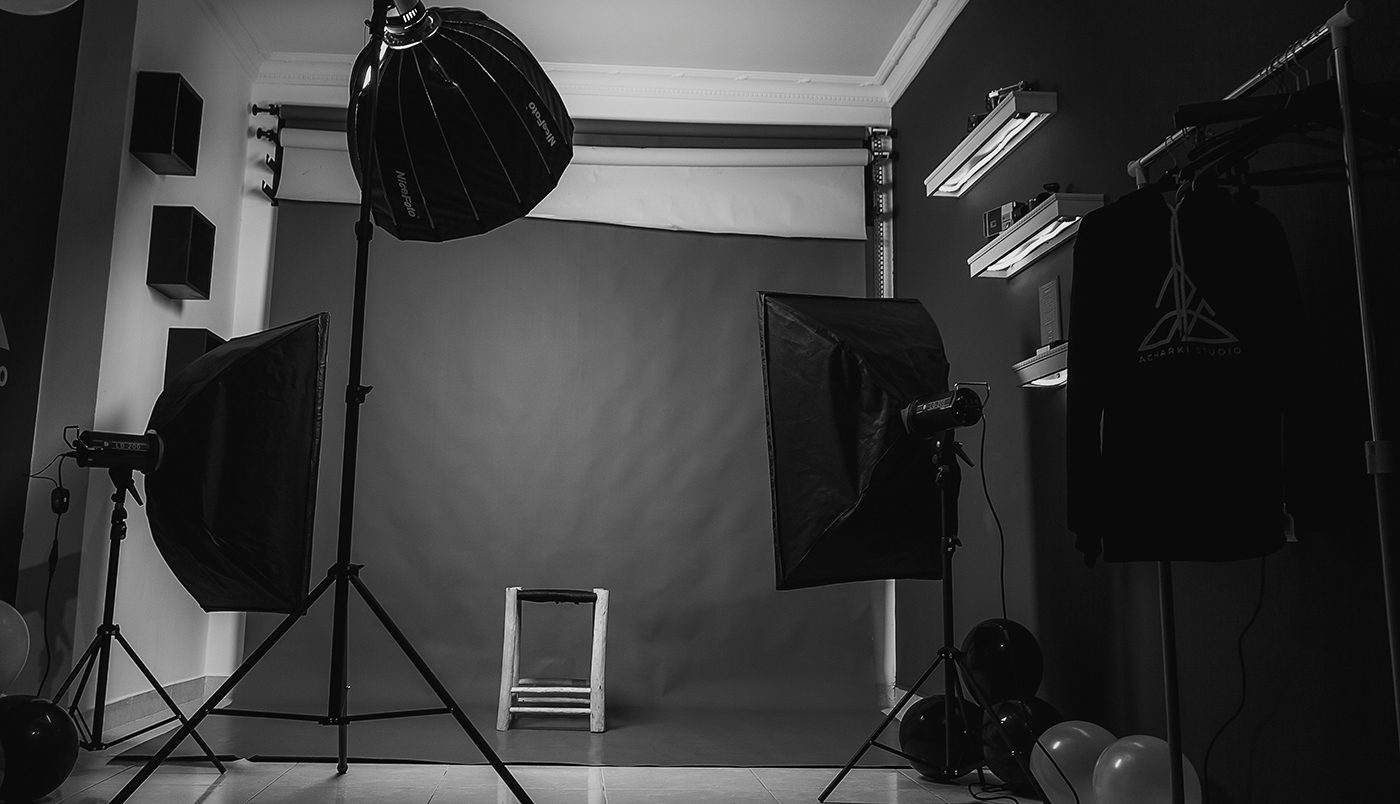
For artificial light sources such as studio strobes or high-powered LEDs, intensity is typically controlled via a physical dial, digital display, or remote control, allowing for precise power adjustments. These units often offer a range of power settings, measured in fractions (e.g., 1/1, 1/2, 1/4 power) or f-stops, providing photographers and videographers granular control over their output. In natural light scenarios, direct control over the sun’s intensity is impossible. However, visual artists employ various techniques to manage it. Neutral Density (ND) filters, for instance, act like sunglasses for the camera lens, reducing the amount of light entering without altering its color or quality. This enables wider apertures in bright conditions or longer shutter speeds to achieve motion blur effects. Conversely, increasing the ISO sensitivity on a camera allows it to capture more light in dim conditions, effectively compensating for lower light intensity, though often at the cost of increased digital noise.
Furthermore, the physical distance between the light source and the subject profoundly affects intensity due to the inverse square law. This law states that the intensity of light is inversely proportional to the square of the distance from the source. Doubling the distance from the light source to the subject reduces the light intensity by a factor of four. This principle is vital for fall-off control, where the light rapidly diminishes over distance, creating dramatic gradients from brightly lit subjects to darker backgrounds. While often considered the least artistic of the three principles, an industry professional might assert, "A foundational understanding of light intensity ensures technical precision, preventing blown highlights or crushed shadows, thereby preserving crucial detail and dynamic range within the frame." This technical precision forms the essential baseline upon which the more nuanced aspects of light quality and direction can be built.
Quality of Light: Sculpting Form and Emotion
The quality of light is arguably the most complex and nuanced of the three principles, encompassing a broad spectrum of characteristics that define how light interacts with a subject. It dictates the nature of shadows, the rendition of textures, and the overall mood conveyed by an image. Key aspects of light quality include its hardness or softness, its color temperature, and its specularity.
-
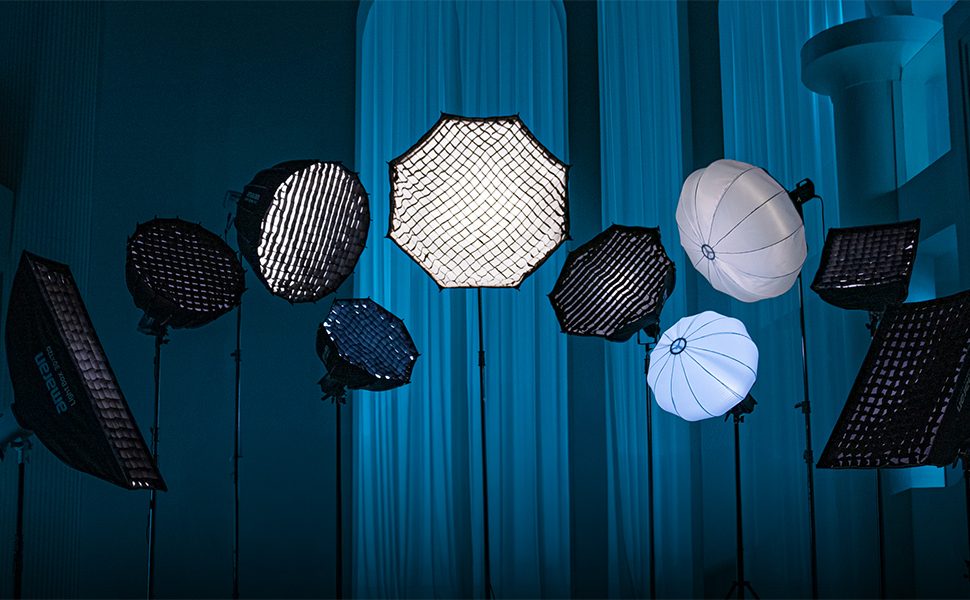
Hard vs. Soft Light: This is determined by the apparent size of the light source relative to the subject. A small light source, like a bare flash bulb or the direct midday sun, creates hard light, characterized by sharp, well-defined shadows and high contrast. Hard light emphasizes texture, reveals precise details, and can evoke a sense of drama or harshness. Conversely, a large light source, such as an overcast sky, a large softbox, or light bounced off a broad white wall, produces soft light. Soft light yields diffused shadows with gentle transitions and lower contrast, often creating a more flattering, ethereal, or gentle aesthetic. Modifiers play a critical role here; umbrellas, softboxes, and diffusion panels are designed to enlarge the apparent size of a light source, transforming hard light into soft, enveloping illumination. The choice between hard and soft light is a fundamental artistic decision, directly impacting the emotional resonance and visual style of an image.
-
Color Temperature: Light is not just bright or dim; it possesses a color cast, measured in Kelvin (K). Daylight, for instance, typically hovers around 5500K-6500K, appearing neutral or slightly cool. Tungsten incandescent bulbs emit warmer light, often around 2700K-3200K, while a candle flame is even warmer, around 1800K. The camera’s white balance setting is designed to neutralize these color casts, rendering white objects as truly white. However, manipulating color temperature intentionally can evoke specific moods or mimic certain times of day. Gels, colored translucent filters placed over light sources, allow for precise control over color, enabling a photographer or videographer to shift the color temperature, add creative hues (e.g., blues for night, oranges for sunset), or correct for mixed lighting environments. Modern RGB LEDs offer unprecedented control, allowing artists to dial in millions of specific colors, opening up vast creative possibilities for mood and atmosphere.

-
Specularity: This refers to how reflective or diffuse a light source or modifier is. A highly specular modifier, like a silver umbrella or a parabolic reflector, will produce more punchy, contrasty light with distinct highlights, often desired for fashion or product photography where sparkle and definition are key. A matte white umbrella or a diffusion fabric, on the other hand, will produce a softer, more even light with less distinct highlights, often preferred for portraiture. The choice of modifier—from parabolic reflectors known for their focused yet soft output to beauty dishes for their distinctive contrast—is a deeply personal one for many professionals, as each imparts a unique quality to the light. As one veteran cinematographer might observe, "The quality of light is the artist’s palette; it defines the very texture of reality within the frame, dictating whether a scene feels inviting or ominous, vibrant or serene." The ongoing evolution of light modifiers and light engine designs continues to push the boundaries of creative expression, making the "quality of light" an endlessly fascinating and debated aspect of visual artistry.
Direction of Light: Sculpting Form and Defining Space
The direction of light, referring to the spatial relationship between the light source, the subject, and the camera, is the most powerful principle for creating depth, dimension, and a sense of three-dimensionality in a two-dimensional medium. It is the architect of shadows, which are as crucial as the illuminated areas in defining form and volume. The position of light dictates how shadows fall, revealing contours, separating subjects from backgrounds, and guiding the viewer’s eye.
Understanding the direction of light involves considering both the horizontal and vertical angles. Conventionally, lighting from above and slightly to the side (e.g., 45 degrees off-axis horizontally and 45 degrees above vertically) is often considered "natural" because it mimics the sun’s position and how we typically perceive light in the world. This traditional placement often results in flattering shadows that enhance facial features and create a sense of realism. Various established lighting patterns, such as Rembrandt lighting (characterized by a small triangle of light on the shadowed cheek), butterfly lighting (a small shadow under the nose resembling a butterfly), and split lighting (half the face lit, half in shadow), are all defined by specific directional placements.
Deviating from these conventional directions can produce dramatically different effects. Light from below, often referred to as "monster lighting," can create unsettling, uncanny valley effects, distorting features and evoking fear or unease. Backlighting, where the light source is behind the subject, creates a rim light or halo effect, separating the subject from the background and adding drama or ethereal glow, often seen in cinematic sequences or fashion photography. Side lighting, directly from the left or right, emphasizes texture and creates strong contrasts, ideal for showcasing rugged landscapes or dramatic portraits.
In professional lighting breakdowns, the direction of light is often described with precise angular measurements relative to the subject and camera, creating a standardized language for replicating and analyzing lighting setups. "Direction is the sculptor’s hand," a leading photographic educator might state, "it carves dimension out of flatness, transforming a mere depiction into a volumetric experience that captivates and engages." The interplay of key light (main light), fill light (softens shadows), hair light (separates hair from background), and background light (illuminates the background) further refines the directional strategy, allowing for intricate control over the final image’s depth and mood. Mastery of light direction enables artists to control narrative flow, emphasize critical elements, and imbue their work with profound spatial awareness.
Broader Implications and Technological Advancements
The foundational understanding of intensity, quality, and direction transcends academic theory; it is the practical language of visual communication in an increasingly image-saturated world. For professional photographers and videographers, this mastery is not merely an artistic pursuit but a critical career competency. It allows for adaptability across diverse assignments, from meticulously controlled studio product shots to fast-paced documentary filmmaking on location. The ability to "read" light, whether natural or artificial, and then consciously shape it, distinguishes a skilled practitioner from a novice.
Technological advancements continue to augment the tools available for manipulating these principles. The shift from bulky, heat-generating hot lights to compact, cool, and color-accurate LED panels has democratized access to sophisticated lighting control. Modern lighting systems often integrate wireless control, app-based adjustments, and programmable effects, allowing for rapid changes in intensity, color temperature, and even complex light animations. Computational photography, with its ability to synthesize multiple exposures or intelligently adjust light in post-production, offers another layer of control, though it still relies on capturing good foundational light. Despite these innovations, the core principles remain paramount. As sophisticated as the technology becomes, the artistic eye that understands why and how to apply intensity, quality, and direction is irreplaceable.
The implications extend beyond commercial work into the realm of visual literacy for the general public. A discerning viewer, even subconsciously, responds to the emotional and narrative cues embedded in skillfully lit imagery. Understanding these principles enhances one’s appreciation for cinematic masterpieces, iconic photographs, and even the effective communication in advertising. It reveals the deliberate choices made by visual artists to shape perception and convey meaning.
In conclusion, the three principles of light—Intensity, Quality, and Direction—are not merely technical guidelines but the fundamental grammar of visual storytelling. Their historical evolution parallels the development of visual arts, and their mastery remains the cornerstone of creating impactful, resonant imagery. From the volume control of intensity to the textural and emotional palette of quality, and finally, the three-dimensional sculpting power of direction, these principles empower visual artists to move beyond simple capture, transforming light into a profound instrument of expression and narrative. As technology continues its relentless march, these timeless tenets will endure, guiding the hands and eyes of those who seek to illuminate the world, one frame at a time.