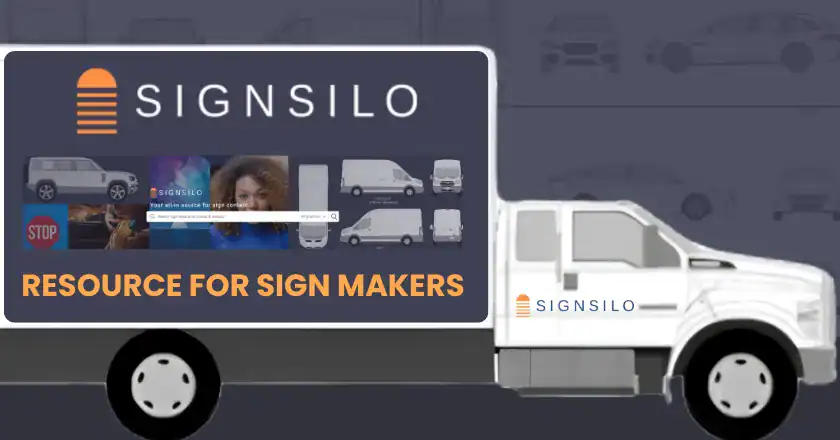
The utilization of professional vehicle templates has undergone a significant transformation, evolving from a niche utility for automotive sign-makers into a versatile cornerstone of the broader digital design and entertainment industries. While the primary function of these assets remains rooted in fleet branding and commercial vehicle wraps, the precision and scalability of modern vector-based templates have unlocked new workflows for concept artists, marketing agencies, and educational institutions. At the forefront of this shift is SignSilo, a specialized provider offering an expansive library of vehicle outlines that cater to a global demand for high-accuracy digital assets.
The Evolution of the Digital Blueprint
Historically, vehicle branding required manual measurements and physical prototyping, a process fraught with the risk of human error and material waste. The transition to digital templates began in the late 20th century as CAD (Computer-Aided Design) software became standard in automotive manufacturing. However, these industrial files were often too complex or inaccessible for the average graphic designer.
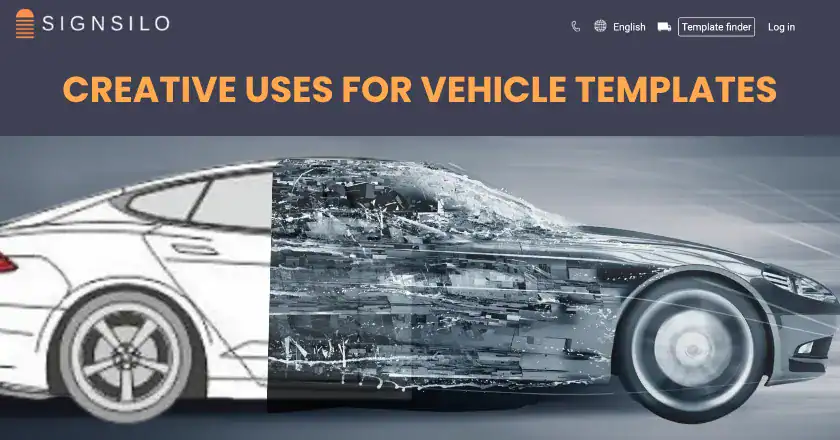
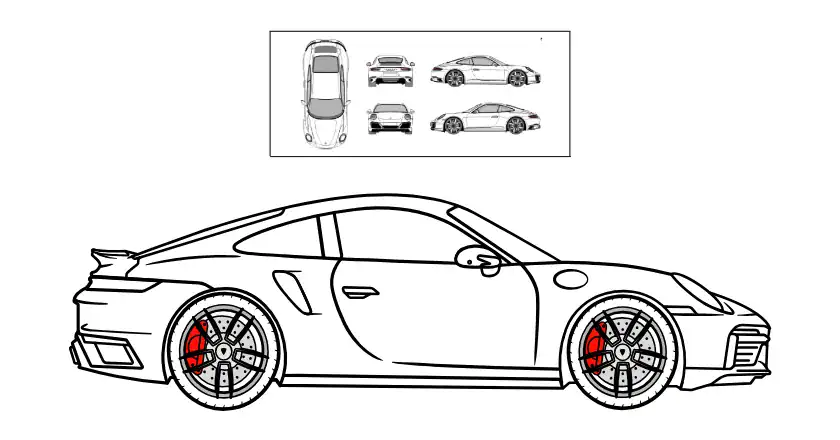
The emergence of specialized libraries like SignSilo filled this gap by providing "production-ready" templates. These files are typically delivered in editable vector formats such as AI (Adobe Illustrator), CDR (CorelDRAW), DXF (AutoCAD), and EPS (Encapsulated PostScript). Unlike raster images, these formats allow for infinite scaling without loss of resolution, a technical necessity when a design must span the length of a 53-foot semi-trailer or a 40-foot city bus.
Technical Precision and Industry Standards
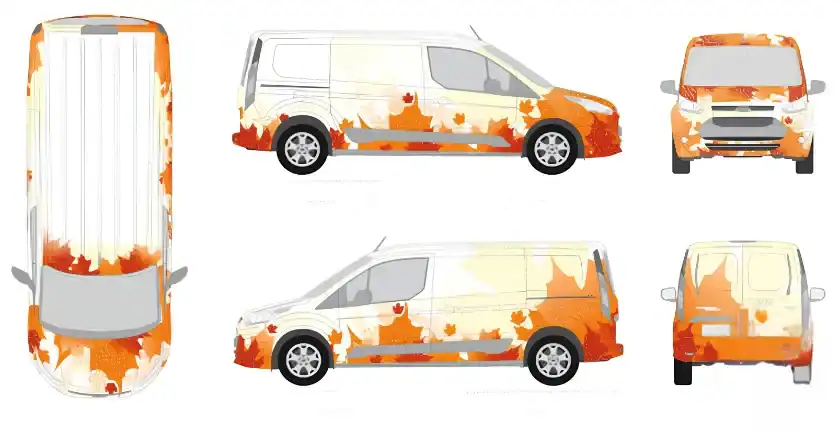
For a template to be considered professional-grade, it must adhere to strict technical requirements. SignSilo’s library emphasizes layered construction and multi-view perspectives, including front, back, driver-side, passenger-side, and roof views. This level of detail is critical for ensuring that graphics align across seams, door handles, and complex curvatures.
Industry analysts note that the demand for these templates is closely tied to the growth of the global vehicle wrap market. According to recent market research, the vehicle wrap industry is projected to grow at a compound annual growth rate (CAGR) of approximately 22% through 2030. This growth is driven by the increasing cost-effectiveness of mobile advertising compared to stationary billboards, as well as advancements in vinyl material technology. Consequently, the reliance on high-fidelity templates has become a standard operational requirement for marketing firms looking to maximize return on investment (ROI).

Concept Design in Gaming and Entertainment
One of the most innovative departures from traditional signage is found in the entertainment sector. Concept designers for AAA video games and high-budget films utilize vehicle templates as the foundational "skeletons" for futuristic or modified vehicles. By starting with a real-world vehicle template, artists ensure that their designs maintain a sense of "mechanical plausibility" and correct proportions.
In the pre-visualization phase of film production, templates allow art directors to experiment with color palettes and decals for hero cars or police fleets long before a physical vehicle is purchased or modified. This digital-first approach significantly reduces production overhead. Similarly, in the gaming industry, developers use these vector outlines to create "skins" or liveries for in-game vehicles, ensuring that the digital models reflect real-world automotive dimensions.
Strategic Marketing and Client Visualization
In the corporate world, the bridge between a creative concept and client approval is often a high-quality mockup. Professional vehicle templates serve as a vital communication tool in this process. When an agency presents a branding proposal, showing a logo on a flat white background is rarely sufficient to secure a contract.

By applying designs to a SignSilo template, designers can present a realistic 2D representation of the final product. This transparency helps eliminate "expectation gaps," where a client might misunderstand how a design interacts with a vehicle’s specific features, such as windows or sliding doors. Industry experts suggest that using accurate templates can reduce the need for costly revisions by up to 30%, as potential issues are identified during the digital design phase rather than the installation phase.
Academic Integration and Professional Development
The educational sector has also recognized the value of these resources. Design schools and technical colleges have integrated vehicle templates into their curricula to provide students with practical, industry-aligned experience. Working with templates teaches students about the constraints of three-dimensional objects, the importance of bleed margins, and the technicalities of file preparation for large-format printing.
Furthermore, these templates are indispensable for portfolio development. Emerging designers often lack the budget to commission professional photography of their work on actual vehicles. Using high-resolution templates allows them to showcase their skills in branding, typography, and layout in a professional context, making them more competitive in the job market.
Event Branding and Temporary Installations
The rise of the "experience economy" has led to an increase in temporary vehicle branding for festivals, sporting events, and promotional tours. Unlike permanent fleet branding, these projects often have tight deadlines and require rapid conceptualization.
Vehicle templates allow event organizers to visualize how a fleet of "pop-up" shops or promotional vans will look in a specific environment. For instance, a sponsor for a major marathon might use templates to design a cohesive look for lead cars, support vans, and equipment trucks. The ability to quickly iterate designs across different vehicle types—from compact cars to heavy-duty trucks—is a primary reason why professionals gravitate toward comprehensive libraries like SignSilo.
SignSilo’s Membership Structure: A Response to Market Needs
To accommodate the diverse range of users—from freelance illustrators to large-scale printing houses—SignSilo has implemented a tiered membership model. This structure reflects the varying volumes of assets required by different professional sectors.
- The Full Membership: This tier is designed for high-volume environments such as sign shops and design agencies. It provides unlimited access to over 24,000 vehicle templates, alongside a vast library of high-resolution stock photos and vector illustrations. This "all-in-one" approach addresses the needs of professionals who require a constant stream of diverse assets to fulfill varied client briefs.
- The Vehicle Club Membership: Aimed at specialists, freelancers, and educators, this membership focuses specifically on the vehicle template library. It provides a set number of downloads (typically 100 templates per year) at a lower price point. This model is particularly effective for those who require precision outlines but may not need the broader stock photography or general vector art included in the higher tier.
Broader Implications and Future Outlook
The continued refinement of vehicle templates has broader implications for sustainability and efficiency in the manufacturing and advertising sectors. By perfecting designs in a digital environment, companies significantly reduce the amount of vinyl and ink wasted during the "trial and error" phase of installation.
Looking ahead, the integration of 3D modeling and augmented reality (AR) is expected to be the next frontier for vehicle templates. While 2D vector templates remain the industry standard for production and printing, the metadata and precision within these files are increasingly being used to inform 3D textures.
As the lines between physical and digital branding continue to blur, the role of specialized libraries like SignSilo will likely expand. Their commitment to maintaining an up-to-date database—including the latest electric vehicle (EV) models and autonomous delivery pods—ensures that designers have the tools necessary to navigate an ever-changing automotive landscape.

Conclusion
In summary, vehicle templates have transcended their origins as simple shop tools to become essential assets in the global creative toolkit. Whether they are being used to design the next iconic movie car, teach the next generation of graphic designers, or help a local business expand its reach through mobile advertising, these digital blueprints provide the necessary foundation for professional-grade execution. Through its extensive library and flexible access models, SignSilo continues to facilitate this creative expansion, proving that the potential of a vehicle template is limited only by the imagination of the designer using it.