The global vehicle wrap market, valued at approximately USD 5.8 billion in 2023 and projected to expand at a compound annual growth rate (CAGR) of 22.4% through 2030, has created an unprecedented demand for precision-engineered design assets. As fleet branding and mobile advertising become central to modern marketing strategies, sign makers and wrap professionals are increasingly seeking centralized digital solutions to streamline their workflows. SignSilo has emerged as a primary infrastructure for these professionals, offering a comprehensive repository of vehicle templates, high-resolution imagery, and specialized typography. The platform addresses a critical bottleneck in the production cycle: the time-consuming process of sourcing accurate technical specifications for a diverse and ever-evolving global automotive inventory.
The Shift Toward Digital Asset Centralization
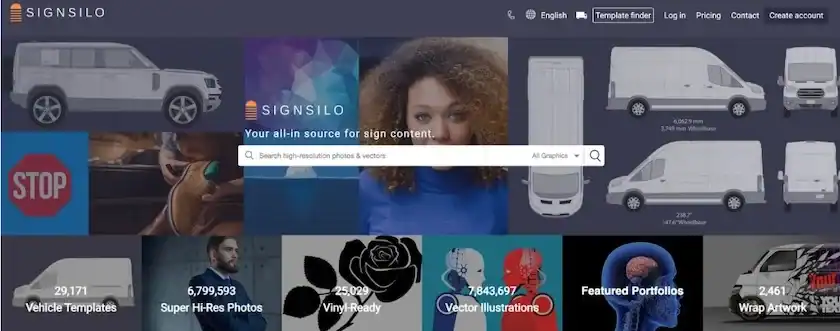
For decades, the sign-making industry relied on fragmented resources, often requiring designers to purchase individual templates or navigate disparate stock photo libraries that lacked the technical specificity required for large-format printing. The emergence of SignSilo represents a strategic pivot toward a unified "all-in-one" ecosystem. By integrating thousands of vehicle templates with a library of wrap-specific artwork and fonts, the platform minimizes the "search cost" that often erodes the profit margins of small-to-medium-sized sign shops.
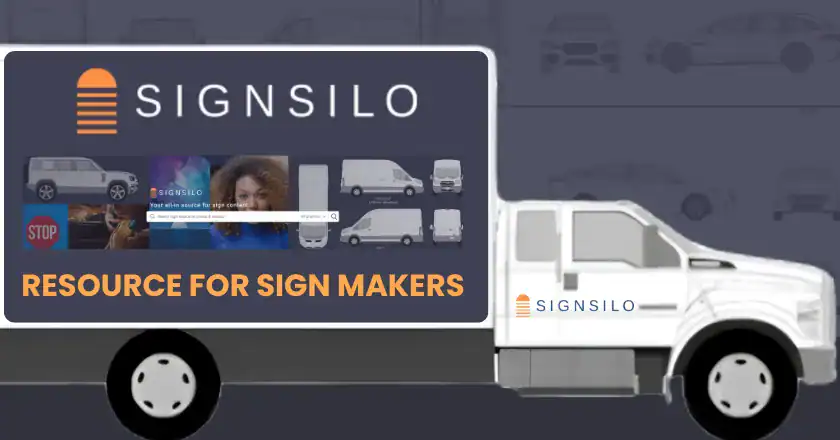
Industry data suggests that a graphic designer in a typical wrap shop spends up to 25% of their billable time searching for or verifying the accuracy of vehicle dimensions. SignSilo’s centralized architecture aims to reduce this overhead, allowing professionals to transition from the conceptual phase to production-ready files with greater speed and technical confidence.
Technical Precision in Vehicle Templates
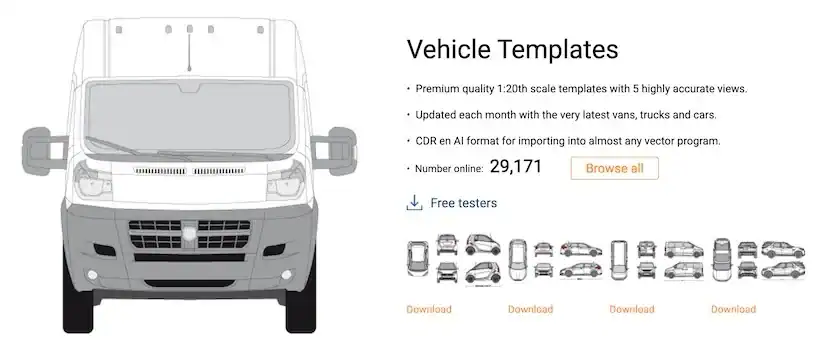
The cornerstone of the SignSilo offering is its extensive collection of vehicle templates. Unlike generic outlines, these templates are engineered to scale—typically at a 1:20 ratio—providing the necessary precision for complex contour cutting and vinyl application. The library encompasses a vast range of makes and models, including:
- Commercial Fleets: Delivery vans, heavy-duty trucks, and logistics trailers.
- Public Infrastructure: Buses, emergency vehicles, and municipal utility trucks.
- Consumer Vehicles: Passenger cars, SUVs, and luxury vehicles.
- Specialty Transport: Motorcycles, boats, and aircraft.
Accuracy in these templates is paramount. A discrepancy of even a few millimeters in a digital template can result in significant material waste during the physical installation of a vinyl wrap. SignSilo’s commitment to providing updated, manufacturer-aligned templates ensures that professionals can account for door handles, fuel caps, and aerodynamic curves before the first inch of vinyl is printed.

Chronology of Resource Evolution in the Sign Industry
The development of platforms like SignSilo is the culmination of a multi-decade technological evolution within the sign-making and graphics industry:
- Pre-1980s: The era of hand-painted signage. Scaling was done manually using grids and pounce wheels.
- 1980s – 1990s: The introduction of vinyl plotters and early CAD software. Designers began using basic vector outlines, often distributed via physical floppy disks or CD-ROMs.
- 2000s – 2010s: The rise of wide-format digital printing enabled full-color vehicle wraps. Resource libraries moved online, but remained specialized and expensive, often requiring per-template purchases.
- 2020 – Present: The transition to the "Platform-as-a-Service" (PaaS) model. Cloud-based libraries like SignSilo provide real-time updates and unlimited downloads, mirroring the broader shift in the software industry toward subscription-based access.
Comprehensive Design Ecosystem: Beyond Templates
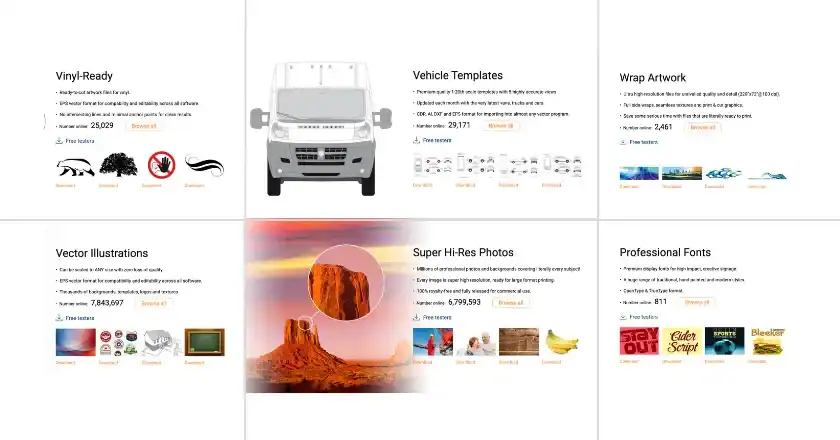
While templates provide the structural foundation, the aesthetic and branding components of a wrap require a different set of high-caliber assets. SignSilo enriches the professional workflow by providing three additional pillars of design:
Ready-to-Use Wrap Concepts
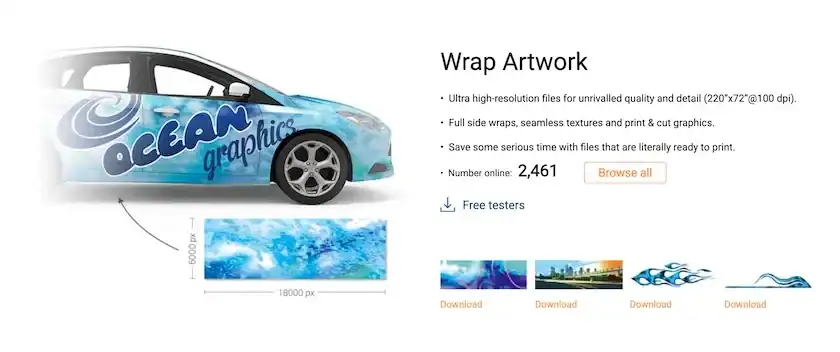
For shops operating under tight deadlines or catering to clients without a clear brand vision, the platform offers pre-designed wrap concepts. These "starter" files are fully customizable, allowing designers to adjust colors, incorporate logos, and modify patterns without starting from a blank canvas. This is particularly beneficial for the growing segment of "color change" wraps and textured graphics popular in the automotive aftermarket.

Specialized Typography
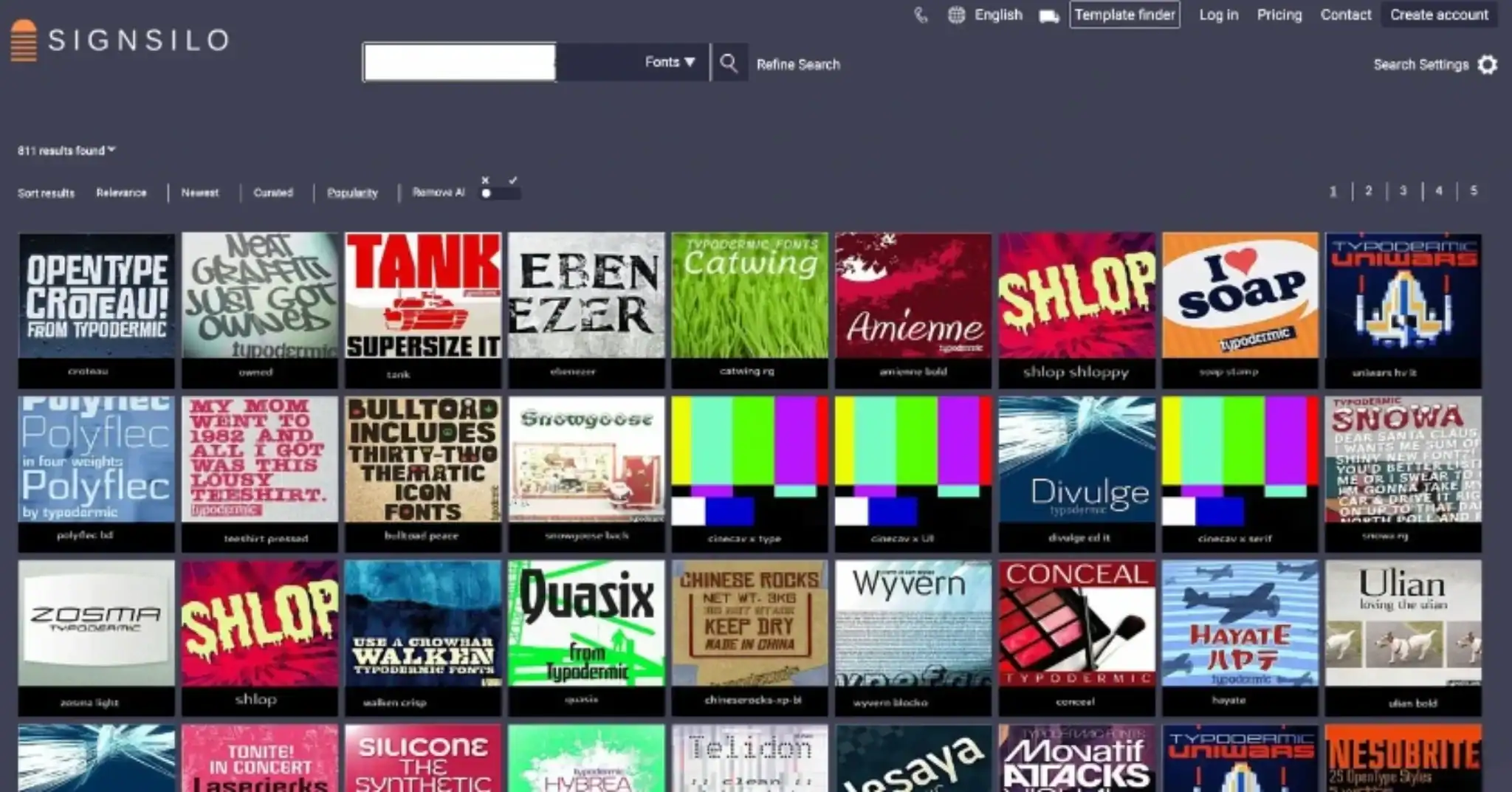
Typography in the vehicle wrap industry faces unique challenges, including legibility at high speeds and the ability to conform to curved surfaces without distorting the brand’s identity. SignSilo’s curated font library focuses on high-impact, professional typefaces that are optimized for signage. This prevents the common pitfall of using "web-safe" fonts that may not translate effectively to large-format physical media.
High-Resolution Photographic Assets
The platform includes a robust collection of stock photography specifically selected for its relevance to the transport and service industries. These images are provided at resolutions high enough to withstand the extreme enlargement required for van sides and billboards, ensuring that the final print remains crisp and free of pixelation.
Economic Analysis and Membership Tiers
SignSilo’s pricing strategy reflects an understanding of the diverse operational scales within the industry. By offering tiered access, the platform allows businesses to align their overhead costs with their specific service offerings.
| Plan | Monthly Cost | Primary Utility | Key Features |
|---|---|---|---|
| Vehicle Only | $19 | Specialized Wrap Shops | Full access to the vehicle template database. |
| Images Only | $33 | Marketing & Web Agencies | Comprehensive stock photo and vector library. |
| Full Membership | $39 | Full-Service Sign Shops | All-access: Templates, photos, vectors, and fonts. |
From an ROI perspective, the $39 Full Membership represents a significant cost-saving measure. Purchasing a single high-quality vehicle template from a boutique provider can often cost between $50 and $100. For a shop handling more than one unique vehicle type per month, the subscription model becomes a self-liquidating expense.
Professional Impact and Industry Implications
The availability of such resources has democratized the professional wrap industry. Smaller, independent shops can now compete with national franchises by accessing the same level of technical data and design quality. This leveling of the playing field has led to a surge in creative output and a higher standard of quality across the board.
Furthermore, the "fleet branding" sector has seen improved efficiency. When managing hundreds of vehicles across different geographic locations, having a centralized source of truth for design assets ensures brand consistency. If a logistics company adds a new vehicle model to its fleet, the sign professional can instantly access the corresponding template on SignSilo, ensuring the new graphics match the existing fleet perfectly.
Inferred Industry Responses and Market Feedback
While official testimonials are often used for marketing, the broader industry response to the "Silo" model—where all necessary assets are housed under one roof—indicates a preference for operational simplicity. Analysts in the print and sign sector note that "workflow friction" is the primary cause of missed deadlines. Feedback from the field suggests that the integration of fonts and vectors alongside templates is the most valued feature, as it prevents the need to manage multiple subscriptions across different providers like Adobe Stock, Getty Images, or specialized font foundries.
Broader Implications for the Future of Signage
As the automotive industry shifts toward electric vehicles (EVs) and autonomous delivery pods, the shapes and surfaces of vehicles are changing. EVs often feature more aerodynamic, fluid lines and fewer traditional features like grilles or exhaust cutouts. SignSilo’s role as a living library means it is responsible for documenting these new forms as they hit the market.
The future of the platform likely involves the integration of 3D mapping and augmented reality (AR) previews. As the technology matures, the 2D templates currently offered will likely evolve into 3D models that allow sign makers to show clients a virtual "walk-around" of their branded vehicle before a single drop of ink is spent.
Conclusion
SignSilo represents more than a mere digital warehouse; it is a specialized toolset designed for the rigors of the modern sign and wrap industry. By combining technical accuracy with creative versatility and an accessible pricing model, it addresses the core challenges of production efficiency and design quality. As the vehicle wrap market continues its rapid expansion, the reliance on centralized, high-fidelity resource platforms will only increase, positioning SignSilo as an essential component of the professional sign maker’s toolkit. Through its comprehensive approach, the platform enables businesses to focus on craftsmanship and client satisfaction rather than the logistical hurdles of asset acquisition.