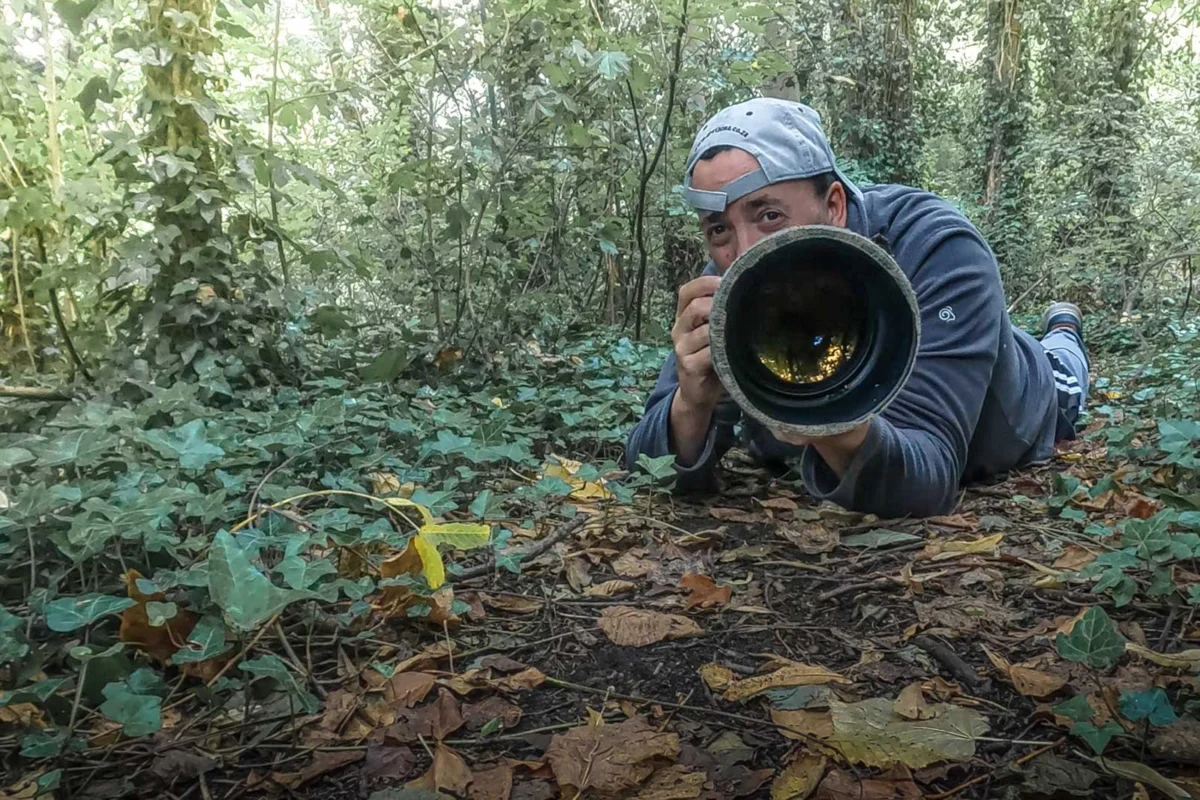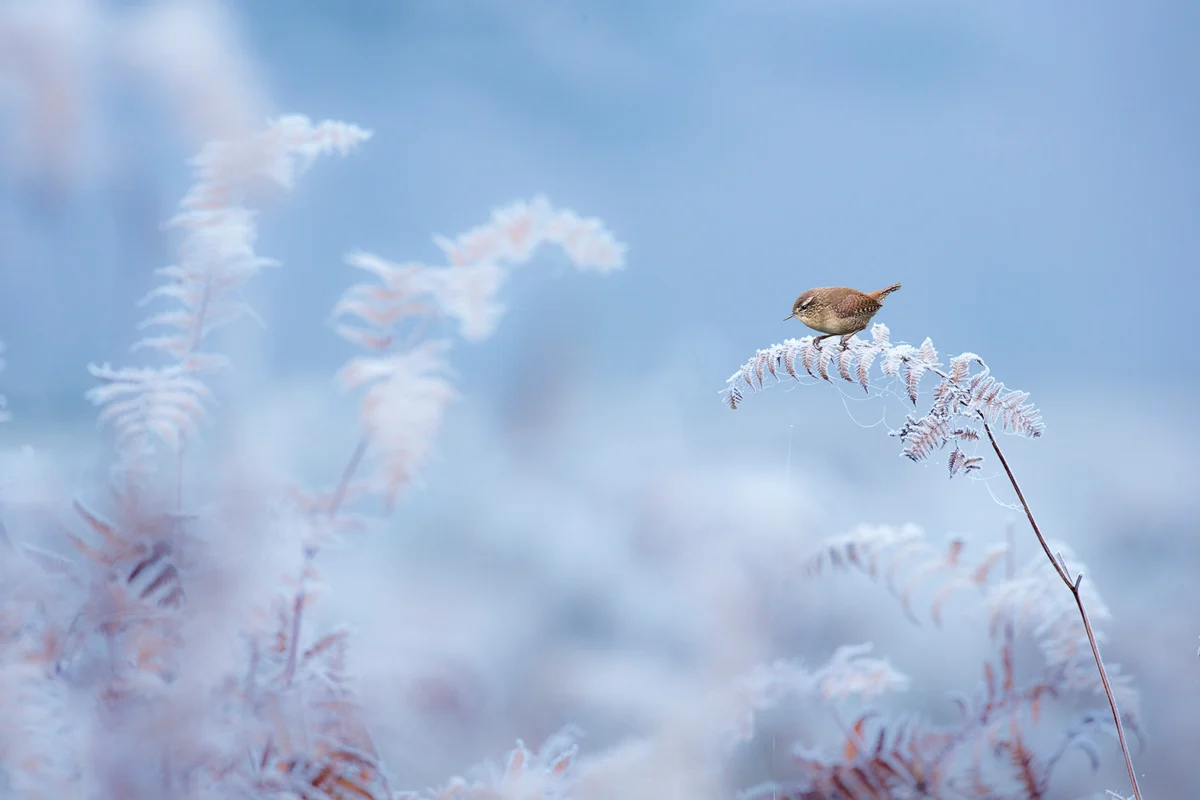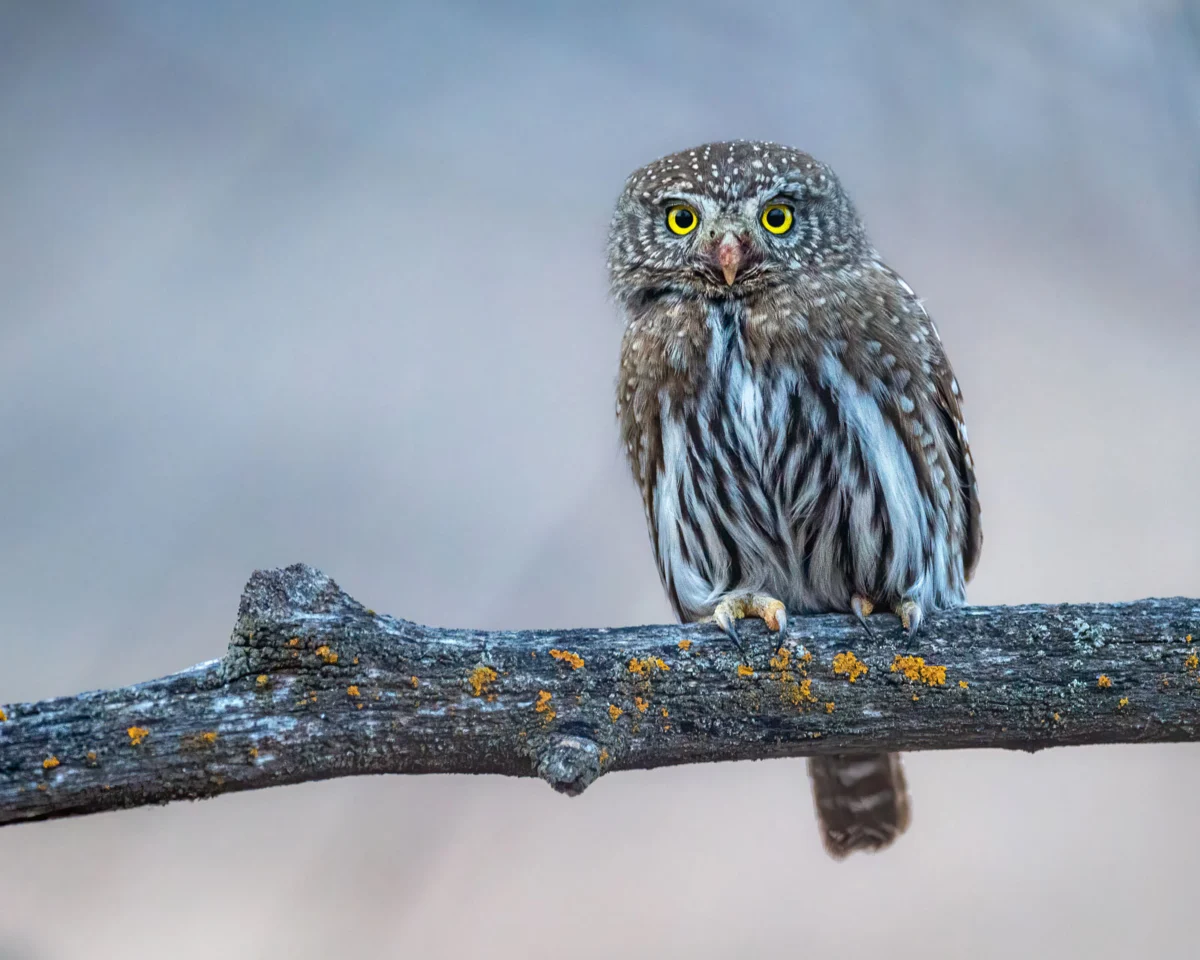
Owls, with their silent flight, piercing gaze, and nocturnal mystique, have long held a unique place in human culture and imagination, captivating observers and inspiring a deep desire to understand their hidden lives. For wildlife photographers, these enigmatic raptors represent a pinnacle of challenge and reward, offering unparalleled opportunities to capture their captivating characteristics, inherent beauty, and graceful movements. Successful owl photography transcends mere technical skill; it is a blend of scientific understanding, meticulous preparation, and unwavering ethical commitment. By gaining a comprehensive understanding of owl habitats, behaviours, and the nuances of responsible photography, enthusiasts can significantly improve their chances of encountering these magnificent birds and securing truly enchanting images.
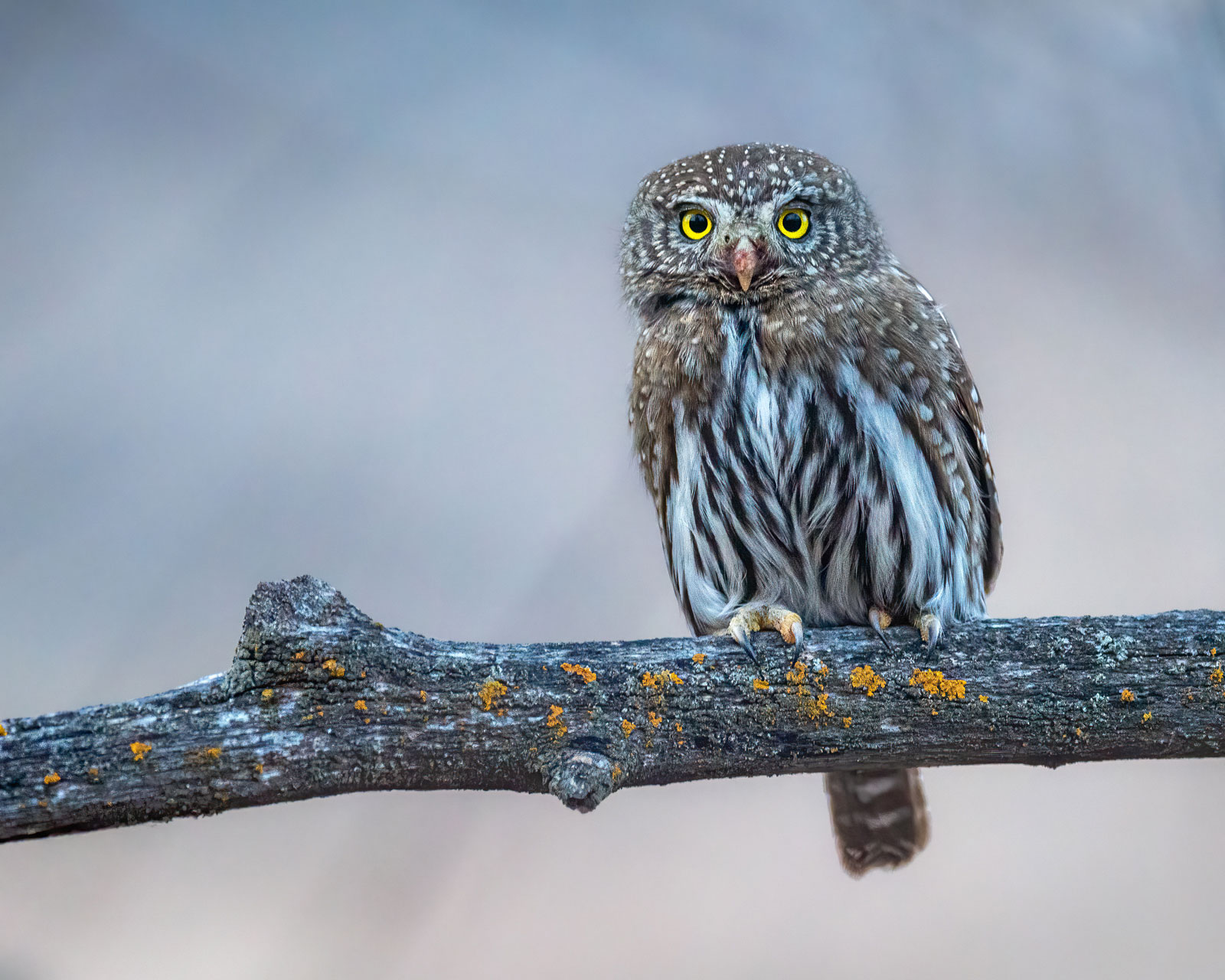
The Irresistible Allure of Owls and Their Photographic Revelation
The fascination with owls is deeply rooted in their unique adaptations and often elusive nature. Unlike many diurnal birds, owls operate in the twilight and darkness, making direct observation challenging. Their large, forward-facing eyes, silent flight, and haunting calls contribute to an aura of mystery. Photography serves as a powerful medium to peel back this veil, revealing the intricate details of their plumage, the intensity of their expressions, and the subtle elegance of their movements. Beyond aesthetic appreciation, these photographs play a vital role in fostering public awareness and, by extension, supporting conservation efforts for these ecologically important predators. Each image, when captured ethically, becomes a testament to the wild beauty that still exists, encouraging others to learn and protect these vital species.
Mastering the Art of Locating Owls
Finding owls in their natural environment is often the most challenging, yet ultimately rewarding, aspect of owl photography. Their camouflage and secretive habits mean success hinges on thorough research and patient fieldcraft.

Global Distribution and Habitat Diversity
Owls are remarkably adaptable, with species found across nearly every continent and in a vast array of habitats, from dense boreal forests to expansive open plains, arid deserts, rugged canyons, arctic tundra, lush wetlands, and even surprisingly, within densely populated urban centres. This widespread distribution means that, for many photographers, a local owl species is likely within accessible reach, regardless of the season.
However, their specific habitat requirements vary significantly between species. Some, like the Great Horned Owl (Bubo virginianus), are generalists, thriving across much of North and Central America in diverse environments. Others, such as the Snowy Owl (Bubo scandiacus), are specialized inhabitants of open arctic tundra, migrating south only during severe winters or prey shortages. The Little Owl (Athene noctua) prefers open country with old trees and buildings in Europe and Asia, while the Burrowing Owl (Athene cunicularia) is unique in its preference for underground burrows in grasslands of the Americas. Understanding these species-specific preferences is the foundational step in any owl search.

Research and Reconnaissance: Unveiling Local Species
The initial phase of any owl expedition must involve diligent research into the owl species indigenous to your target area. Numerous free resources are readily available online through ornithological societies (e.g., Audubon, RSPB), wildlife trusts, university extension programs, and citizen science platforms like eBird. Local libraries also often house field guides and regional birding literature. This research should aim to identify:
- Local Species: Which owl species are known to inhabit your region?
- Relative Abundance: How common or rare are they? Abundance doesn’t always equate to ease of sighting; a common species might still be incredibly cryptic.
- Preferred Habitats: What specific microhabitats do they favour (e.g., dense conifer stands, deciduous woods near water, open fields with scattered trees)?
- Activity Patterns: Are they strictly nocturnal, crepuscular (active at dawn/dusk), or diurnal (active during the day)? For instance, Northern Hawk Owls (Surnia ulula) and many Pygmy Owls are notably diurnal hunters.
- Seasonal Movements: Do they migrate, and if so, when and why (e.g., food availability, snow depth, breeding cycles)? Knowing this prevents fruitless searches during off-seasons.
- Vocalizations: Familiarize yourself with their calls and hoots, as auditory detection is often the first clue to an owl’s presence.
Equipping oneself with this knowledge vastly increases the chances of a successful and ethical encounter.

Fieldcraft Techniques: Listening and Looking
Once research is complete, the practical search begins. While most owls are nocturnal, many become more active and vocal around sunset and sunrise, making these transitional periods prime for auditory detection. Regularly visiting potential habitats at these times and patiently listening for their distinctive calls or hoots can reveal their presence. Over time, your ear will become attuned to their unique vocalizations, allowing you to pinpoint general locations.
Visual detection requires training the eye to discern owls camouflaged within their environment. Owls are masters of blending in, often resembling tree knots or broken branches. Focus your gaze on trees, scanning for any unusual shapes or textures that don’t quite fit the natural pattern. Look for:

- Silhouettes: Against the fading or rising light, an owl’s distinctive silhouette can be easier to spot than its camouflaged form.
- Roosting Spots: Owls typically roost at least halfway up a tree, often close to the main trunk or on large branches that offer good cover from above. As light fades, they may move to more exposed perches at the edges of trees, preparing to hunt.
- Signage: Look for "whitewash" (droppings) on branches and the ground directly below potential roosts. This is particularly noticeable for species like Long-eared Owls (Asio otus) that congregate in winter roosts. Also, search for owl pellets—regurgitated indigestible parts of their prey (bones, fur, feathers). A scattering of pellets indicates a regular roosting spot.
Consistency is key; returning to areas where owls have been heard or seen previously increases your odds, as owls often utilize the same roosts for days or even weeks if food is plentiful and they remain undisturbed.
Ethical Tracking and Observation: Prioritizing Owl Welfare
Crucially, the pursuit of owl photography must always be secondary to the welfare of the birds. Owls are sensitive creatures, especially when resting during the day. Disturbance can cause significant stress, force them to expend valuable energy, or even abandon their roosts, making them vulnerable. Therefore:

- Maintain Distance: Always observe owls from a respectful distance (generally 75-100 feet or more, depending on the species and individual comfort level). If the owl exhibits any signs of nervousness (e.g., head bobbing, wide eyes, ruffling feathers, looking directly at you for prolonged periods), you are too close and must slowly back away.
- Use Long Lenses: A long telephoto lens is indispensable for maintaining distance while still capturing detailed images.
- Avoid Direct Approach: Never walk directly under a roosting owl. Approach cautiously and indirectly, using natural cover if available.
- Minimize Noise and Movement: Be as quiet and still as possible. Sudden movements or loud noises can easily flush an owl.
- No Baiting: Never use bait (live or dead animals) to attract owls. This unethical practice habituates owls to humans, can alter their natural hunting behaviours, and may put them at risk. Images obtained through baiting do not represent genuine wildlife photography.
- Respect Nesting Sites: If you discover a nest, keep an extreme distance or avoid the area entirely. Nesting owls are highly vulnerable to disturbance.
Adhering to these ethical guidelines ensures that your passion for photography contributes to, rather than detracts from, wildlife conservation.
Seeking Expert Guidance
For those struggling to find owls or wishing to target specific, more elusive species, hiring a local, reputable wildlife guide can be an invaluable investment. Experienced guides often possess intimate knowledge of local owl populations, recent sightings, and ethical observation practices. When selecting a guide, inquire about their adherence to wildlife photography ethics and their success in locating owls without disturbing them. They can provide not only access to prime locations but also insights into behaviour that would take years to acquire independently.

Essential Equipment for Captivating Owl Shots
The unique challenges of owl photography, particularly low-light conditions and the need for respectful distance, dictate specific equipment choices.
The Power of Long Telephoto Lenses
A long telephoto lens is arguably the most critical piece of equipment for owl photography. Lenses ranging from 300mm to 600mm (or even longer with teleconverters) are typically required. This focal length allows photographers to maintain a safe and ethical distance from the owl, preventing disturbance while still achieving frame-filling compositions. An added benefit is the ability to shoot slightly downwards when an owl is perched high, creating a more natural "eye-level" perspective that is far more engaging than a steep upward angle. For cameras with APS-C sensors, the crop factor further extends the effective focal length, making lenses like a 200-500mm or 150-600mm highly versatile.

Aperture and Low-Light Performance
Given that many owls are crepuscular or nocturnal, low-light performance is paramount. Lenses with wide maximum apertures (e.g., f/2.8, f/4) are ideal as they gather more light, allowing for faster shutter speeds even in dim conditions, which is crucial for sharp images. While f/2.8 lenses are often prohibitively expensive, f/4 and f/5.6 lenses can still yield excellent results, especially on modern camera bodies with strong high-ISO capabilities.
When photographing in low light, always start with your lens at its widest aperture to maximize light intake and achieve the fastest possible shutter speed. As light improves, or if greater depth of field is desired (e.g., to keep both the owl and a nearby branch in focus), you can gradually stop down the aperture to f/5.6 or f/8.

Stabilization: Tripods and Monopods
While not always strictly necessary, a sturdy tripod or monopod significantly enhances owl photography, particularly for perched shots. Owls often remain still for extended periods, and handholding a heavy telephoto lens for long durations can lead to fatigue and camera shake, especially at slower shutter speeds.
- Tripods: Provide maximum stability, essential for low-light conditions or when waiting for an owl to make a subtle movement. They free your hands, allowing you to remain ready without strain.
- Monopods: Offer a good balance between stability and portability. They are quicker to set up and move than tripods, making them suitable for situations where some mobility is required.
One common strategy is to use a tripod for static, perched shots, then detach the camera for potential flight shots, where the flexibility of handholding is often preferred for tracking fast-moving subjects.

Remote Shutter Release
In low-light scenarios necessitating slower shutter speeds, even the slightest movement from pressing the camera’s shutter button can introduce blur. A remote shutter release, either wired or wireless, eliminates this camera shake, ensuring maximum sharpness when the camera is mounted on a tripod.
Camera Body Considerations
Beyond lenses, a camera body with excellent high-ISO performance is crucial for managing noise in low light. A fast and accurate autofocus system, particularly one with advanced tracking capabilities, is also highly beneficial for capturing owls in flight or as they make subtle movements.

Unlocking Unique Photographic Narratives: Owl Characteristics
Owls possess several distinctive anatomical and behavioural traits that offer unique photographic opportunities, setting them apart from other avian subjects.
The Hypnotic Gaze and Facial Discs
Most owls feature prominent facial discs—feathers arranged in a parabolic shape around their eyes—which act like satellite dishes, funnelling sound to their highly sensitive ears. Aesthetically, these discs frame the owl’s face and eyes, creating a strong central point of interest in any portrait. Since the eyes and facial disc usually lie within the same focal plane, achieving sharp focus across this entire area is relatively straightforward. Photographers should strategically compose shots to emphasize these compelling features, allowing them to provide balance or draw the viewer’s eye within the frame. The intensity of an owl’s stare, often conveying intelligence and wisdom, is a hallmark of truly captivating owl imagery.

Unexpected Anatomy: Long Legs and Talons
Beneath their dense plumage, many owl species possess surprisingly long legs, often much longer than observers anticipate. This feature becomes particularly evident during flight or when an owl is stretching or preparing to pounce. Capturing these moments, especially when the powerful talons are exposed, adds a fascinating, almost comical, element to images and provides insight into their hunting prowess. These fleeting glimpses require a fast shutter speed and quick reflexes. Documenting how owls use their legs and talons—whether gripping a branch, landing, or seizing prey—significantly enriches the narrative of your photographs.
Dynamic Wingspan
Owls are renowned for their impressive wingspans, which are often disproportionately wide relative to their body size, enabling their characteristic silent flight. Capturing an owl with its wings fully outstretched showcases its power and grace in motion. Seek opportunities where backlighting can illuminate the intricate structure of their feathers, creating a stunning, ethereal effect. Such shots demand precise timing and a keen eye for light.

Crafting Compelling Owl Portraits and Perching Scenes
Even when an owl is static, perched in its environment, there are myriad opportunities to create dynamic and aesthetically pleasing photographs by focusing on composition and light.
Compositional Excellence
- Background Management: A common challenge in forest environments is a cluttered background that distracts from the subject. Repositioning yourself to find a clear line of sight, aiming for a smooth, uncluttered background, is paramount. Often, a slight change in angle can transform a busy backdrop into a pleasing, out-of-focus blur (bokeh).
- Foreground Elements: Incorporate foreground elements strategically. A soft blur of leaves or branches in the foreground can add depth and a sense of place without obscuring the owl.
- Environmental Context: Don’t always feel pressured to fill the frame with the owl. Sometimes, a wider shot that includes more of the owl’s habitat can tell a more compelling story, showcasing the bird within its natural setting. For these "owl in landscape" shots, a shorter telephoto lens (e.g., 70-200mm) might be more appropriate. The key is that the surrounding environment must be aesthetically pleasing on its own, free from harsh highlights or excessive visual noise.
Low Perch Opportunities
Owls don’t always perch high in trees. Some species, or individuals, may perch just a few feet off the ground, or even directly on the ground, especially after catching prey. These low perches offer the coveted eye-level perspective, which creates a more intimate and impactful photograph. However, owls at lower elevations are often more skittish. Maintaining an even greater distance and minimizing any perceived threat is crucial to prevent them from flushing or abandoning their catch. Patience and stillness will be rewarded with authentic behaviour.

Exposure Mastery
Achieving correct exposure is critical, especially when dealing with contrasting light conditions. For instance, a light-toned owl against a dark, forested background requires careful metering. Prioritize exposing for the highlights on the owl to ensure they are not "blown out" (overexposed and lacking detail), while allowing the background to fall into shadow, creating a dramatic, high-contrast image that makes the owl truly stand out. This often means manually adjusting settings or using spot metering to ensure the owl’s plumage is perfectly exposed. Minimal post-processing adjustment should then be needed.
Creative Framing
Consider how natural elements within the frame can enhance the composition. A prominent branch, a gap in the foliage, or even shadows can be used as leading lines or natural frames to direct the viewer’s eye towards the owl. Experiment with slight adjustments to your position—moving just a few feet can transform a distracting element into a supportive one, adding balance and depth to your image.

Capturing the Elusive Flight: Owls in Motion
Photographing owls in flight is one of the most exhilarating aspects of this genre, demanding anticipation, quick reflexes, and advanced camera skills.
Anticipating Flight
For crepuscular or nocturnal species, the period around sunset or sunrise is often when they initiate their hunting flights. Patient observation of an owl’s behaviour can provide clues: stretching, looking around intently, or subtly shifting weight may indicate an imminent departure. Backing up further from the owl is essential for flight shots. An owl’s wingspan is considerable, and more distance allows you to capture the full wing extension without clipping the edges of the frame. This increased space also helps the owl feel more comfortable, potentially leading to it flying towards you or in a more predictable pattern.

Ethical Boundaries: The Dangers of Baiting
A critical ethical imperative in flight photography is to never use baiting techniques. Baiting (using live or dead prey to lure an owl) is a detrimental practice that:
- Habituates Owls: Makes them associate humans with food, increasing their risk of injury or death from vehicles or other human-related dangers.
- Disrupts Natural Behaviour: Alters their hunting patterns and diet, potentially making them less effective hunters in the wild.
- Spreads Disease: Concentrates animals in unnatural ways, increasing the risk of disease transmission.
- Misrepresents Nature: Produces images that are not truly representative of wild animal behaviour, undermining the integrity of wildlife photography.
Responsible photographers seek to document natural behaviour, not manipulate it for a shot. Learning an owl’s natural hunting patterns—such as a Short-eared Owl’s graceful, low flight over open fields, or a Great Gray Owl’s sudden, precise drop from a perch—allows for truly authentic and rewarding flight captures.
Shutter Speed and Sharpness
For reliably sharp flight shots, a fast shutter speed of at least 1/1600th of a second is generally recommended, particularly for larger owls which, while appearing slow, still move with considerable speed. For smaller, faster owls, even higher speeds (1/2000s or more) may be necessary. Experimentation with slightly slower shutter speeds (e.g., 1/500s) can, with practice, create artistic motion blur in the wingtips, conveying a sense of movement, but this requires a steady hand and a keen eye.

Species-Specific Flight Patterns
Understanding the hunting style of your target species is invaluable. A Great Gray Owl typically hunts from a high perch, swooping down to capture prey, whereas a Short-eared Owl glides low over fields, quartering the ground. Predicting these movements helps position yourself for the best angles and anticipate the moment of action. When an owl is actively hunting, it often remains on a perch for several minutes, allowing time for slow, deliberate repositioning to achieve an unobstructed view and a clean background. Owls frequently fly from one tree to the next along a forest edge, offering predictable flight paths.
Once the owl is in flight, continuous shooting (burst mode) is highly recommended. Owls can be surprisingly erratic, creating interesting wing and body positions as they change direction or scan for prey. Keep tracking the owl, especially as it flies perpendicular to you or towards you, to capture these dynamic moments.

The Art of Image Orientation and Framing
A fundamental decision in the field is choosing the optimal image orientation. This choice significantly impacts how the viewer perceives the energy and narrative of the scene.
- Horizontal (Landscape) Orientation: This is often best suited for capturing owls in flight, especially when they are moving across the frame from left to right or vice versa. It emphasizes the breadth of their wingspan and the expanse of their environment. It can also be effective for wider environmental portraits.
- Vertical (Portrait) Orientation: This works well for tall, perched owls, especially if there are interesting compositional elements above or below them (e.g., a tall tree trunk, a dramatic sky). It draws the eye vertically through the image, emphasizing height and stature.
- Square Orientation: While less common directly from the camera, a square crop can be highly effective for symmetrical owl portraits, particularly when the owl is facing the camera head-on, creating a balanced and focused composition.
When in doubt, it is often beneficial to capture both horizontal and vertical compositions if time and the owl’s comfort allow. Shooting slightly wider than necessary also provides flexibility for creative cropping in post-processing software, allowing you to refine the orientation and composition later.

In Conclusion: The Ethical Pursuit of Owl Photography
The journey of owl photography is as much about the patient search and respectful observation as it is about the final image. The experience of spending time in an owl’s hunting grounds, listening to its calls, and witnessing its silent presence is a profound privilege. While owls are notoriously challenging to locate, the dedication invested in understanding their behaviour and habitats invariably leads to unforgettable encounters and outstanding photographic opportunities.
Approaching these magnificent birds with deep respect for their space and their need for silence is paramount. Ethical practices ensure that your artistic pursuit does not compromise their well-being. By prioritizing the welfare of the owl, photographers are rewarded not only with unique and captivating images but also with a deeper connection to the natural world and the satisfaction of contributing to a greater appreciation for these mysterious and vital predators. Each ethically captured photograph serves as an ambassador for owl conservation, inspiring others to protect these extraordinary creatures for generations to come.