Passerine birds, often known as perching birds, belong to the colossal order Passeriformes, representing an astounding evolutionary success story. This order encompasses more than half of all extant bird species, a testament to their adaptability and widespread distribution across every continent except Antarctica. These agile creatures are instantly recognizable by their distinctive anisodactyl toe arrangement—three toes pointing forward and one robust toe facing backward—a specialized adaptation that provides an unparalleled grip on branches, reeds, and various perching surfaces. Their omnipresence allows them to thrive in an extraordinary range of habitats, from manicured urban gardens and dense ancient forests to expansive open fields and rugged coastal cliffs worldwide.
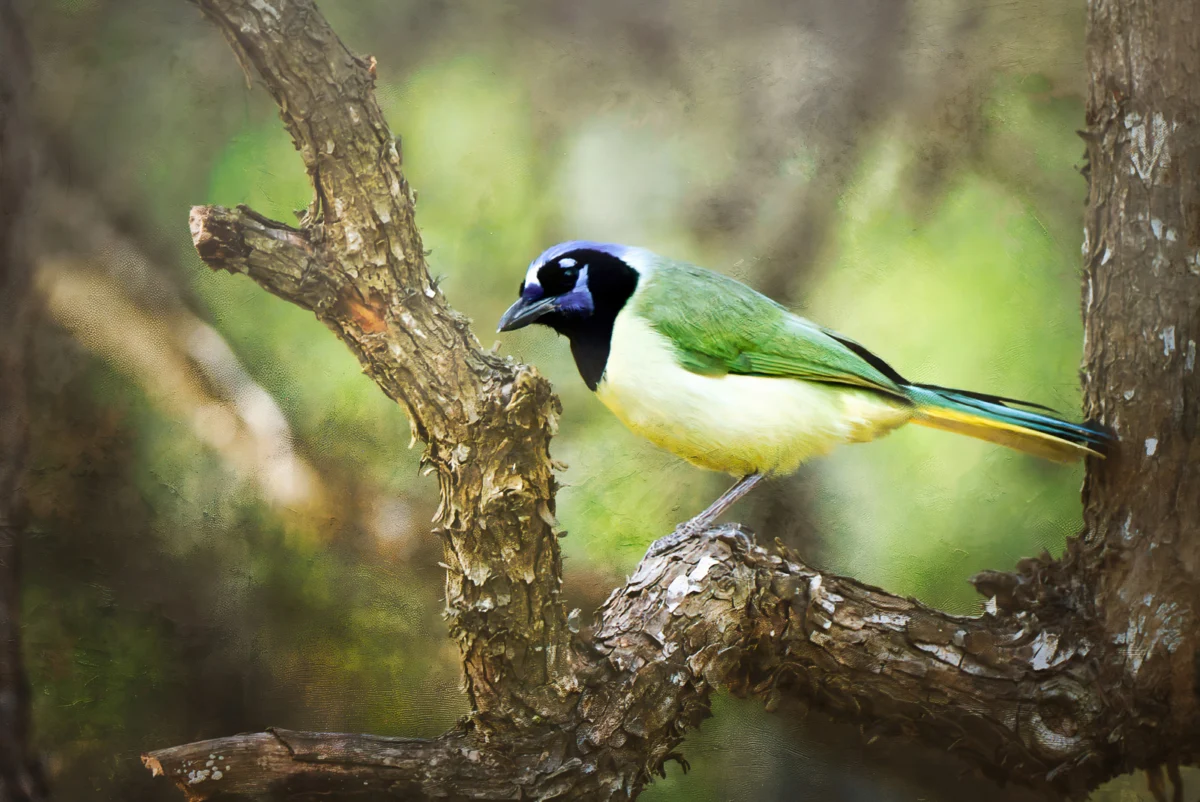
The sheer diversity within Passeriformes is breathtaking, ranging from the minuscule, jewel-toned sunbirds to the larger, intelligent corvids like jays and crows. This vast array presents both an exciting opportunity and a significant challenge for wildlife photographers. Their generally small size, coupled with their often hyperactive and elusive nature, demands a high degree of technical precision, patience, and understanding of avian behavior. Yet, the accessibility of many passerine species, particularly those frequenting human-modified landscapes, makes them an ideal and rewarding subject for aspiring and seasoned wildlife photographers alike. Capturing the vibrant plumage of a goldfinch or the iconic stance of a European robin offers not only a beautiful image but also a deeper connection to the natural world just outside our windows.

Understanding Passerine Biology and Behavior for Optimal Photography
Successful passerine photography begins with a foundational understanding of the subjects themselves. Common examples of passerines include familiar garden visitors such as sparrows, tits (like blue tits and great tits), finches (chaffinches, linnets), warblers, and swallows, alongside less common but equally captivating species like thrushes and wrens. Beyond visual identification, their vocalizations are a primary means of species recognition. Ornithologists and birdwatchers often emphasize that learning bird songs and calls is an invaluable skill, particularly when birds are obscured by dense foliage or active in low light. The complexity and diversity of passerine songs are a rich field of study, revealing intricate communication patterns related to territorial defense, mate attraction, and alarm calls.
As with any form of wildlife photography, an intimate understanding of your subject’s behavior is paramount. This necessitates diligent research, consulting ornithological field guides, scientific papers, and reputable online resources to gather comprehensive information about the species you intend to photograph. However, no amount of reading can replace direct observation. Spending dedicated time simply watching these birds in their natural environment—observing their foraging patterns, social interactions, flight paths, and daily routines—provides critical insights. This patient fieldcraft allows photographers to anticipate movements, predict feeding times, and identify preferred perches or bathing spots, significantly increasing the chances of capturing those fleeting, special moments.
Passerines are most commonly found in habitats offering ample perching opportunities and reliable food sources. Gardens, parks, forests, and wetlands are prime locations. Their feeding habits vary widely; many are insectivorous during breeding seasons, switching to seeds and fruits in autumn and winter. The widespread practice of supplemental feeding, particularly in private gardens, has made many passerines frequent visitors to bird feeders, providing an unparalleled opportunity for close-up photography in a controlled yet natural setting.

Establishing a Productive Photography Environment: The Backyard Oasis
Creating a dedicated feeding station in your garden is arguably one of the most effective strategies for attracting a diverse array of passerines, especially crucial during the colder winter months when natural food sources are scarce. Periods of harsh weather, such as heavy snow or prolonged freezes, often lead to increased activity at feeders, presenting exceptional opportunities to capture dynamic interactions between multiple birds as they vie for sustenance.
Food Selection for Diversity:
To maximize the variety of species visiting your station, offer a diverse menu of high-quality foods. Black oil sunflower seeds are universally popular due to their high oil content and thin shells, attracting species like finches, tits, and nuthatches. Nyjer seeds, tiny and rich in oil, are a favorite of goldfinches and siskins. Safflower seeds can deter squirrels and larger birds while appealing to cardinals and grosbeaks. Suet cakes provide essential fats and calories, especially vital in winter, attracting woodpeckers, wrens, and various tits. Mealworms, either live or dried, are a protein-rich treat that can lure insectivorous birds such as robins and bluebirds. Offering a mix of these can significantly enhance the biodiversity of your garden visitors.
Strategic Feeder Placement:
When positioning feeders, prioritize areas that receive ample natural light, ideally soft morning or late afternoon light. Avoid placing feeders in the direct, harsh midday sun or deep shade. Crucially, position feeders away from the immediate center of a wide-open space. Passerines, being inherently cautious and vulnerable to predators, require the safety and cover of surrounding foliage (shrubs, trees, dense bushes) to feel secure. This not only encourages their visits but also provides natural perching spots and escape routes, ensuring their welfare. The distance from the feeders to the camera position should also be considered to allow for comfortable operation and optimal focal length utilization.

Hygiene and Bird Health:
Maintaining impeccable hygiene at your feeding station is not just a recommendation but an ethical imperative. Regularly cleaning feeders with a mild bleach solution (1 part bleach to 9 parts water) and allowing them to dry thoroughly before refilling is vital to prevent the spread of diseases such as salmonellosis or avian pox, which can decimate local bird populations. Seed spilled on the ground should also be raked up periodically to prevent mold growth and deter rodents.
The Allure of Water Sources:
Incorporating a reliable source of fresh water can dramatically increase the number and variety of species visiting your garden. A bird bath or a carefully designed reflection pool not only serves as a vital resource for drinking and bathing but also creates compelling photographic opportunities, capturing birds mid-splash or revealing stunning mirrored portraits. For reflection pools, a large, rectangular-shaped planting tray lined with dark material, partially filled with water, and strategically adorned with a rock or log can work wonders. Experiment with its placement to capture reflections of trees or distant foliage rather than the bright, washed-out sky, which can overpower the image and diminish color saturation.
Crafting the Visual Narrative: Perches, Backgrounds, and Composition
The environment surrounding your passerine subjects plays a pivotal role in transforming a simple snapshot into a compelling photographic narrative. Thoughtfully selected and positioned perches, combined with meticulously managed backgrounds, are fundamental to creating aesthetically pleasing and authentic images.

The Art of the Perch:
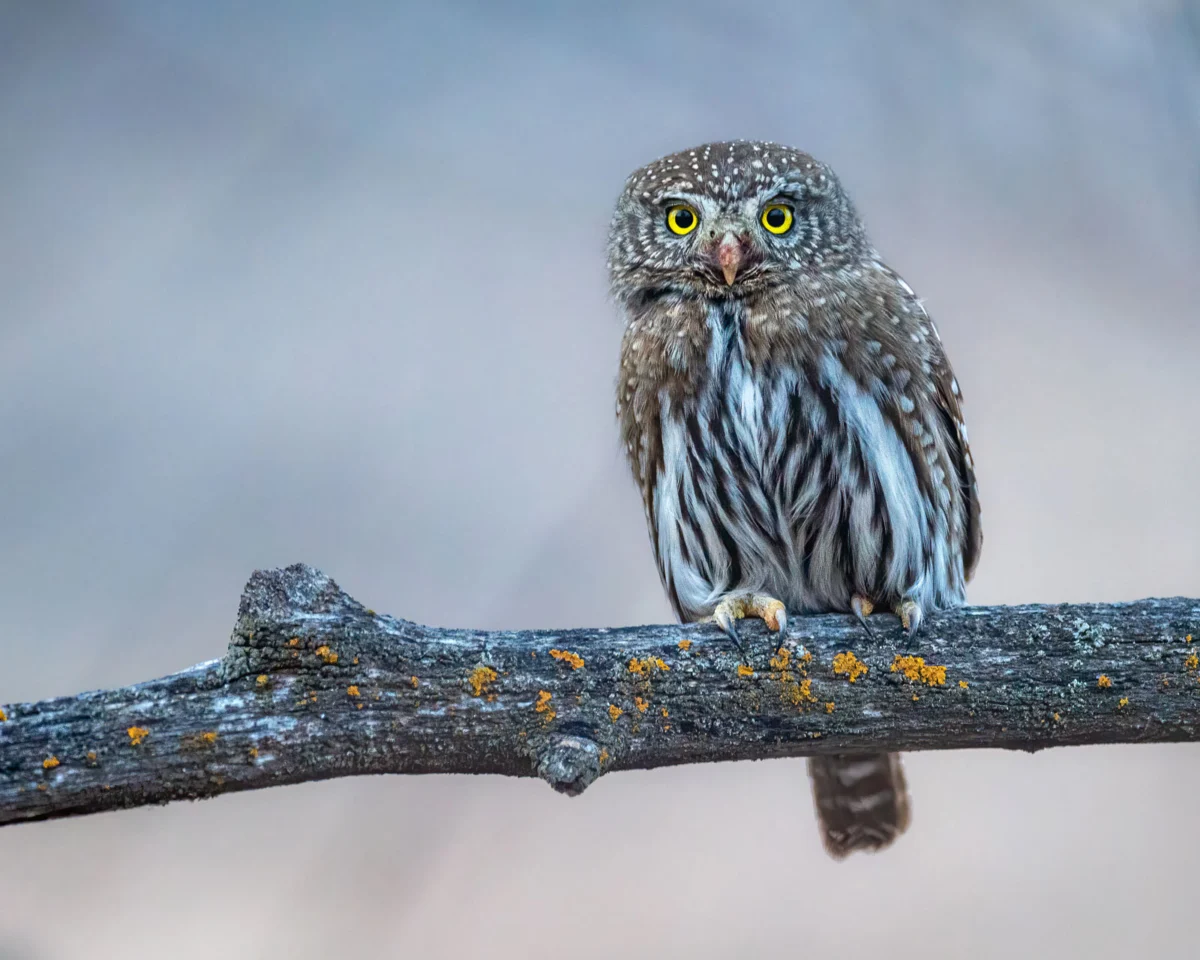
Whenever scouting locations or even during daily walks, a keen eye should be kept out for natural perches that can be incorporated into your feeding station setup. These could be uniquely shaped branches, twigs adorned with moss or lichen, or a sprig of seasonal blossom in spring. The goal is to find elements that complement the bird’s colors and add texture, depth, and aesthetic appeal to the final image. Crucially, the chosen perch must appear natural and be in keeping with the bird’s typical habitat, avoiding a contrived or artificial look. For instance, a rustic, gnarled branch suits a robin perfectly, while a delicate blossom might enhance the image of a tit.
Strategic Positioning and Lighting:
Ensure your chosen perch is well-lit by natural light. The direction of light is critical: front-lighting reveals feather detail and color, while backlighting, particularly during the golden hour (shortly after sunrise or before sunset), can create stunning rim lighting and dramatic silhouettes, adding warmth and richness to the scene. Overcast days, often dismissed by photographers, should be embraced. Clouds act as a giant natural diffuser, softening the light, eliminating harsh shadows, and reducing contrast, making it an ideal time for capturing intricate feather detail and nuanced, muted colors.
Mastering Backgrounds and Bokeh:
To eliminate unwanted distractions and ensure your subject stands out, backgrounds should be sufficiently distant to be rendered completely out of focus, creating a pleasing "bokeh" effect. The degree of background blur is influenced by your chosen aperture, focal length, and the distance between your subject, the background, and your camera. A wide aperture (e.g., f/2.8 to f/5.6) combined with a long focal length will exaggerate this effect, beautifully separating the bird from its surroundings. Always take a few test shots to assess how the background appears. Beyond blur, consider the colors and textures in the background; strive for complementary tones that enhance the subject rather than clash. Areas of deep shadow can be strategically used to create a dramatic, dark background, making the bird "pop" with impactful contrast.

Compositional Excellence:
Strong composition is the backbone of visually striking images. Before pressing the shutter, take a moment to visualize your intended image, carefully considering the placement of each element within the frame. While compositional guidelines exist, they should serve as a framework rather than rigid rules, allowing for creative interpretation.
- Rule of Thirds: Imagine your frame divided into nine equal parts by two horizontal and two vertical lines. Positioning your subject or key elements along these lines or at their intersections (power points) often creates a more dynamic and aesthetically pleasing composition than simply centering the subject.
- Incorporating the Environment: Don’t just focus on the bird. Include elements of its natural habitat—leaves, branches, flowers, or even hints of its broader landscape—to tell a more complete story and give a sense of place. This contextual information adds depth and authenticity.
- Eye-Level Perspective: Whenever possible, position yourself at the bird’s eye level. This perspective creates a more intimate, engaging portrait, fostering a stronger connection between the subject and the viewer by inviting them into the bird’s world.
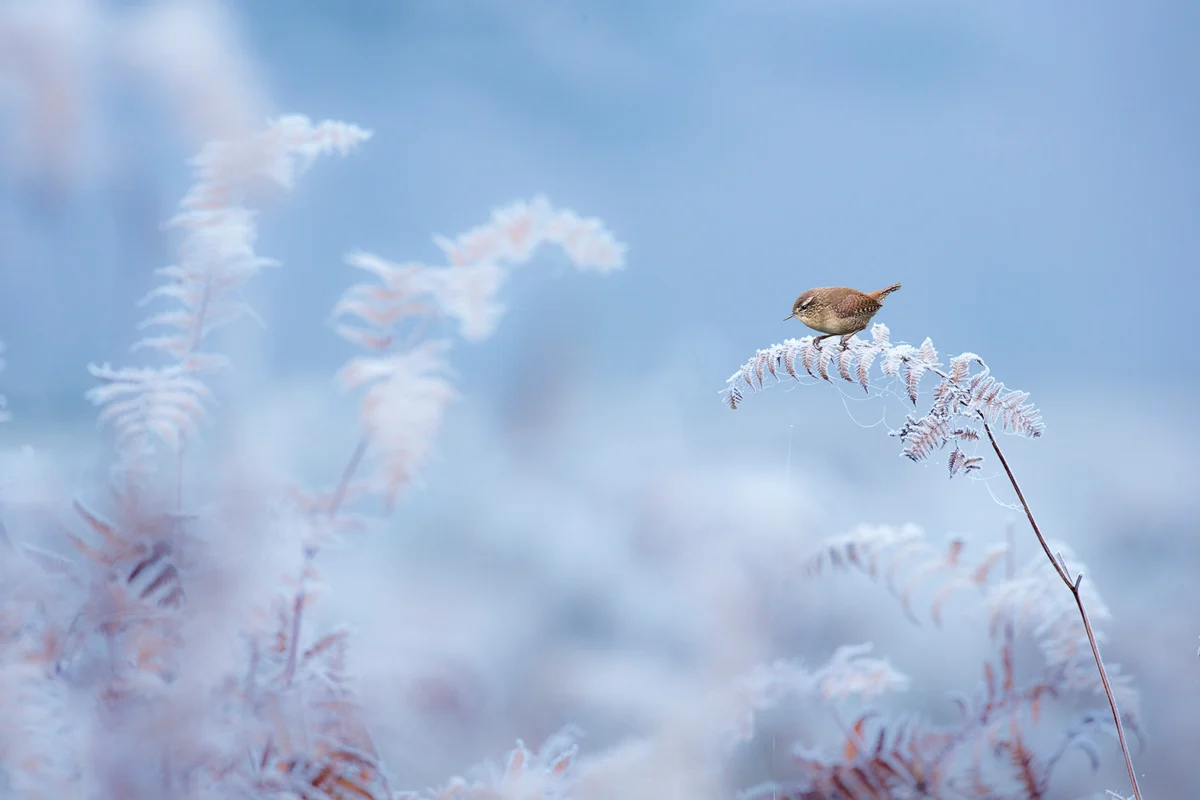
- Negative Space: Thoughtfully utilize negative space (the empty area around your subject) to convey a sense of isolation, emphasize the bird’s smallness within its environment, or draw attention to its form. When the bird is looking or moving into this space, it can create a balanced and dynamic composition. This technique is particularly effective in stark environments like snow-covered landscapes.
- Leading Lines: Employ natural lines found in the environment—a curving branch, a stone wall, or a fence line—to guide the viewer’s eye toward your subject, adding depth and visual flow to the image.
Technical Precision: Essential Camera Settings for Passerine Action
Photographing small, fast-moving passerines demands technical precision and quick reflexes. Mastering your camera’s settings, especially shutter speed, aperture, ISO, and focusing modes, is crucial for consistently sharp and well-exposed images.
Shutter Speed for Freezing Motion:
Given their rapid movements, a fast shutter speed is non-negotiable. For a perched passerine that might suddenly flit, a minimum shutter speed of 1/1000th of a second is recommended to freeze any sudden shifts or head turns. For birds in flight, taking off, or landing, you’ll need to increase this significantly, aiming for at least 1/2500th of a second or even faster (e.g., 1/4000s) to capture sharp wing detail and eliminate motion blur.

Aperture for Depth and Isolation:
A wide aperture, typically ranging from f/2.8 to f/5.6, is ideal for creating a shallow depth of field. This technique effectively isolates the bird from its background, ensuring it remains the sharp focal point while the background dissolves into a pleasing blur. However, when shooting close-up, frame-filling portraits, or when multiple birds are in the frame, you may need to "stop down" to a slightly smaller aperture (e.g., f/8) to ensure that both the bird’s eye and significant feather details on its chest are critically sharp.
ISO Management:
Do not shy away from increasing your ISO setting, especially in challenging low-light conditions. Modern cameras handle higher ISOs remarkably well, producing less noise than older models. It is always preferable to achieve critical sharpness with some visible digital noise (which can often be managed in post-processing) than to have a clean, noise-free image that lacks sharpness due to an insufficient shutter speed. Aim for the lowest ISO possible that still allows you to maintain your desired shutter speed and aperture.
Advanced Autofocus Techniques:
Your camera’s autofocus system is a powerful tool for passerine photography.

- Continuous Autofocus (AI Servo for Canon, AF-C for Nikon/Sony): This mode continuously tracks a moving subject, making it essential for capturing birds that are constantly shifting or in flight.
- Eye Detection AF: Many modern mirrorless cameras offer advanced eye-detection autofocus, which can be incredibly effective at locking onto and tracking the bird’s eye. However, if the system struggles to identify the eye due to dense foliage or complex backgrounds, switch to a more controlled mode.
- Single-Point or Group Focus: These modes offer greater precision. Use single-point for static subjects, placing the point directly on the bird’s eye. Group focus can be useful for slightly larger or more predictable movements, providing a small cluster of focus points. Keep your chosen focus area at the center of the frame for maximum accuracy, especially with DSLRs.
- Back-Button Focus: This technique separates the autofocus activation from the shutter button, allowing you to focus independently. It provides immense control, enabling you to pre-focus on a spot and then fire the shutter rapidly when a bird enters that plane of focus, or to easily switch between tracking and fixed-point focus.
Burst Mode and Manual Focus for Dynamic Shots:
- Continuous Shooting (Burst Mode): Always use your camera’s high-speed continuous shooting mode to fire a rapid sequence of frames. Passerine movements are incredibly quick, and burst mode significantly increases your chances of capturing that perfect moment—a wing flap, a head turn, or an interaction.
- Manual Focus for Predictable Action: For anticipated action shots, such as a bird taking off from a specific perch or landing on a feeder, manual focus can sometimes be more effective than autofocus. Pre-focus on a point halfway between the perch and the feeder, then fire a burst of images as the bird flies through that pre-focused plane. This technique requires practice but can yield exceptionally sharp results.
Capturing the Essence: Behavior, Interactions, and Ethical Considerations
Beyond static portraits, documenting the rich tapestry of passerine behavior elevates your photography, telling a deeper story about their lives and interactions. Passerines are social and exhibit a fascinating range of activities. During periods of harsh weather, competitive squabbles over food at feeders are common, providing fast-paced action shots. When including two or more birds in a frame, you may need to use a smaller aperture (e.g., f/8 or f/11) to increase the depth of field and ensure all subjects are in focus. Always monitor your shutter speed in such scenarios, increasing ISO if necessary to maintain it above 1/2500th of a second for crisp action.
Documenting Natural Behaviors:

- Feeding and Drinking: Capturing birds actively feeding at a station or drinking/bathing in a water source can yield intimate and dynamic images. Look for reflections, splashes, or the delicate act of preening.
- Singing and Territorial Displays: During the breeding season, many passerines—such as robins, wrens, blackbirds, and song thrushes—sing vigorously to defend territories and attract mates. Capturing a bird mid-song, with its beak open and throat puffed, conveys vitality and purpose.
- Flocks and Fights: Observe the dynamics within groups. Territorial disputes, cooperative feeding, or large murmuration-like gatherings (though less common with individual passerine species) can create powerful action shots. Birds squabbling over a prime feeding spot or gathering in winter flocks offer opportunities for conveying energy and interaction.
- Parental Care: During the breeding season, observing parents feeding chicks or guiding fledglings can be incredibly rewarding. However, this requires immense patience and an extremely careful, non-intrusive approach. The welfare of the birds must always be the top priority. Only attempt such photography if there is absolutely no risk of disturbing the birds or their nest. Often, after young birds have fledged, parents bring them to accessible food sources like garden feeders, providing safer opportunities to photograph this tender behavior from a distance.
- Bathing and Preening: Birds meticulously clean and arrange their feathers, splashing in water or meticulously preening. These moments offer chances for both action shots and detailed close-ups of feather structures.
The Role of Patience and Observation:
Patience is the ultimate virtue in wildlife photography. Spend extended periods simply watching your subjects without the camera. Understanding their routines, their preferred perches, their flight paths, and their warning calls will allow you to anticipate their movements, preparing you to fire the shutter at the optimal moment, capturing not just a bird, but a story.
Ethical Wildlife Photography:
Ethical considerations are paramount. Always prioritize the welfare of the birds and their environment.
- Minimize Disturbance: Maintain a respectful distance, use telephoto lenses to avoid intrusion, and utilize hides or camouflage. Never chase or harass birds for a shot.
- Avoid Harmful Baiting: Only offer appropriate, natural foods at feeders. Avoid anything artificial or harmful.
- Respect Habitats: Leave no trace. Do not damage vegetation or disturb nesting sites.
- Citizen Science Contribution: Your photographs can contribute to citizen science initiatives, helping ornithologists monitor bird populations, track migration patterns, and identify rare visitors. Documenting unique markings or behaviors can provide valuable data.
Essential Gear for the Aspiring Passerine Photographer
Having the right equipment significantly streamlines the process of photographing passerines, especially when aiming for dynamic action shots.

Camera Bodies:
A modern DSLR or mirrorless camera with fast autofocus capabilities is ideal. Mirrorless cameras often offer superior eye-detection autofocus and faster continuous shooting rates (e.g., 10 frames per second or more), which are hugely beneficial for capturing fleeting action. Crop-sensor cameras can also provide an effective focal length multiplier, giving you more "reach" with your lenses.
Lenses:
A telephoto lens of 300mm or longer is essential to photograph birds from a respectful distance without causing disturbance. Longer prime lenses (e.g., 500mm or 600mm) with wide apertures (f/4) are often preferred by professionals for their superior sharpness and ability to achieve extremely diffuse backgrounds, effectively separating the subject. Tele-zoom lenses (e.g., 150-600mm or 200-500mm) offer excellent flexibility, allowing for quick adjustments to framing and composition, making them a popular and versatile choice. Teleconverters (1.4x or 2x) can extend your lens’s reach, though they come with a trade-off in aperture and sometimes autofocus performance.
Support Systems:
A sturdy tripod is a must, particularly when using heavy telephoto lenses or shooting from a hide for extended periods. It provides stability, minimizes camera shake, and reduces fatigue. A gimbal head, designed for large telephoto lenses, allows for fluid, balanced movement, making it significantly easier to track fast-moving birds without strain. For mobile shooting, a monopod can offer a good balance between stability and portability.

Concealment and Remote Control:
- Hides/Blinds: Using a portable hide or a purpose-built bird photography hide allows you to get much closer to birds without disturbing them. Camouflage netting can also be effective. The key is to allow birds to become accustomed to the hide’s presence over time.
- Remote Shutter Release: A remote shutter release (wired or wireless) is invaluable for minimizing camera vibrations, especially when using a tripod. It’s also perfect if you have your camera pre-focused on a specific spot and are waiting for a bird to arrive, allowing you to operate from a discreet distance.
Accessories:
Always carry multiple high-speed memory cards to avoid running out of storage during a productive shoot; UHS-II cards are recommended for fast burst shooting. Spare batteries are also crucial, especially in cold weather, as cold drains battery life faster. Weather-sealing for your camera and lens, along with rain covers, protects your gear from the elements.
Conclusion: A Journey into Avian Microcosms
Whether you choose to set up a dedicated station in your backyard, explore local parks, or venture into wilder habitats, passerine birds offer an endless wellspring of opportunities for creative and engaging wildlife photography. Their small size and rapid movements undoubtedly present a challenge, demanding patience, technical skill, and a deep understanding of their behavior.

However, it is precisely these challenges that make the endeavor so rewarding. By diligently observing their habits, thoughtfully preparing your environment, and mastering the necessary camera techniques, you can create stunning images that not only showcase the vibrant beauty and endearing charm of these ubiquitous birds but also foster a greater appreciation for the intricate ecosystems they inhabit. So, embrace the challenge, grab your camera, and immerse yourself in the enchanting, dynamic world of passerine photography. Each captured moment is a testament to the persistent vitality of nature and our enduring connection to it.