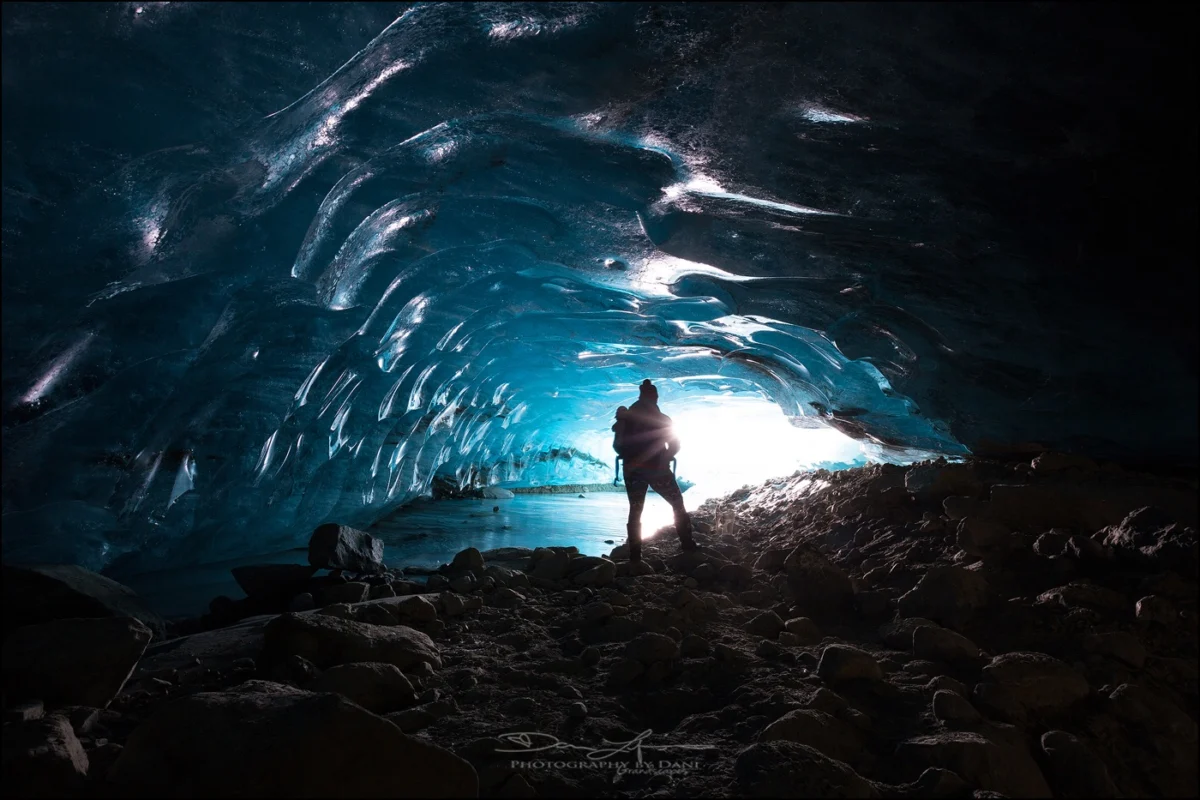
Lighting in photography stands as one of the most vital elements to master, serving as the fundamental differentiator between a merely good photograph and a truly spectacular one. Its profound impact on mood, texture, depth, and the overall narrative of an image makes it indispensable for any photographer aiming for excellence.
The Enduring Significance of Light: A Historical Perspective

The role of light in visual arts precedes photography, with painters for centuries meticulously studying its qualities to evoke emotion and define form. When photography emerged in the 19th century, light remained the central player. Early photographic processes, such as daguerreotypes and calotypes, demanded exceptionally long exposure times, rendering photographers heavily reliant on abundant natural light. Studios were often constructed with large skylights and north-facing windows to harness consistent, soft illumination.
The late 19th and early 20th centuries saw the advent of artificial lighting. Magnesium flash powder, while hazardous, allowed for instantaneous illumination in low-light conditions, paving the way for indoor portraiture and event photography. The development of incandescent studio lights and later, electronic flash units, offered photographers unprecedented control. This evolution transformed photography from a purely light-dependent recording medium into an art form where light could be actively sculpted and manipulated to achieve specific artistic visions. The mid-20th century further refined flash technology with the introduction of strobes and speedlights, making portable, powerful light sources accessible to a broader range of photographers, democratizing advanced lighting techniques.
Understanding the Qualities of Light: The Photographer’s Palette

Mastering light requires a deep understanding of its inherent qualities, which serve as a photographer’s primary tools for expression. These include:
- Direction: The angle from which light strikes a subject dramatically alters its appearance. Front lighting tends to flatten subjects, reducing shadows and texture. Side lighting, often considered more dramatic, accentuates texture and volume, creating strong shadows and highlights. Backlighting creates a halo or rim light effect, separating the subject from the background and adding depth, particularly effective in wildlife and portraiture. Top lighting can create dramatic, sometimes harsh, shadows, while bottom lighting (often used for effect) can produce an eerie or unnatural look.
- Quality (Hard vs. Soft): Hard light, typically from a small, direct source like the sun at noon or an undiffused flash, creates sharp, well-defined shadows and high contrast. It emphasizes texture and can convey drama or intensity. Soft light, originating from a large, diffused source like an overcast sky or a large softbox, produces gradual transitions between highlights and shadows, minimizing contrast and offering a more flattering, gentle aesthetic.
- Color Temperature: Measured in Kelvin (K), color temperature describes the warmth or coolness of light. Lower Kelvin values (e.g., 2000K-3000K) correspond to warm, reddish-orange light (like candlelight or a sunset), while higher values (e.g., 5500K-7500K) indicate cool, bluish light (like shade or an overcast sky). Understanding and controlling color temperature through white balance settings or gels allows photographers to accurately represent colors or intentionally shift the mood of an image.
- Intensity: The brightness of light dictates the exposure settings (aperture, shutter speed, ISO) required to capture an image. Controlling intensity is crucial for achieving correct exposure, managing dynamic range, and creating specific lighting ratios between subject and background.
According to a recent survey by the Professional Photographers of America (PPA), over 85% of clients prioritize "effective use of light and shadow" as a key indicator of photographic skill, underscoring its market value. Furthermore, images demonstrating sophisticated lighting techniques consistently receive higher engagement rates on social media platforms, often seeing a 30-40% increase in likes and shares compared to poorly lit counterparts.
Lighting Across Diverse Photographic Disciplines

The application and manipulation of light vary significantly depending on the photographic genre. Each field presents unique challenges and opportunities for leveraging light to its fullest potential.
Lighting in Wildlife Photography
To create images of wildlife that truly stand out, it is paramount to understand how light falls, the qualities it possesses, and how to harness it. Wildlife photographers often operate in uncontrolled environments, making adaptability key. The "golden hour" — the period shortly after sunrise or before sunset — is highly prized for its warm, soft, directional light that beautifully illuminates subjects and creates rich colors. Backlighting can be incredibly effective for creating striking silhouettes or dramatic rim lighting that highlights the animal’s outline, adding a sense of grandeur. Side lighting enhances texture, bringing out the fur, feathers, or scales of the subject.
However, challenges abound, particularly in dense forests or during harsh midday sun. Photographers must learn to work with dappled light, seek open shade for softer illumination, or use reflectors to bounce light into shadowy areas. Understanding animal behavior is also critical, as positioning oneself correctly in relation to both the animal and the light source can make or break a shot. "The ability to anticipate light and position oneself to capture wildlife in its most dramatic form is what separates the casual observer from the master wildlife storyteller," notes Dr. Eleanor Vance, a renowned nature photography educator.

Lighting in Landscape Photography
Understanding lighting in landscape photography goes far beyond merely mastering exposure. One of the most powerful skill sets a landscape photographer can cultivate is the ability to identify, plan for, and adapt to ever-changing lighting conditions. Planning is paramount; photographers often use apps to track sun position, moon phases, and weather patterns to predict optimal light.
The golden hour and blue hour (the period just before sunrise or after sunset, characterized by cool, diffused light) are staples for landscape photographers, offering rich colors and soft contrasts. Dramatic weather conditions, such as stormy skies or mist, can create unique, moody lighting that transforms a familiar scene. Photographers must learn to read the sky, understanding how clouds diffuse or block light, and how atmospheric conditions affect visibility and color. Long exposures can be used to smooth water or create ethereal light trails, further manipulating the visual impact of light over time.
Lighting in Underwater Photography
Learning how to find, create, and use light underwater is one of the most essential and challenging skills to acquire, yet it is one that will make photography stand out from the crowd. Water acts as a filter, absorbing light wavelengths unevenly. Red and orange light disappear quickly, leaving a predominantly blue-green cast, especially at depth.

Underwater photographers rely heavily on external light sources like strobes and video lights to restore color and contrast. Positioning these lights is critical to avoid backscatter (illuminating particles in the water). For wide-angle shots of large subjects or reefs, ambient light can be used, often combined with strobes for foreground illumination. For macro underwater subjects, precise strobe placement and diffusers are essential to reveal intricate details and vibrant colors that would otherwise be lost. Whether photographing ocean giants on shallow dives, where ambient light is plentiful, or exploring deeper under the waves, mastering artificial light sources and understanding light absorption is key to vibrant, lifelike underwater imagery.
Lighting for Macro Photography
Whether photographing amphibians or insects up close, or the finer details found in nature, lighting remains a critical element in macro photography. At such close magnifications, depth of field is extremely shallow, and minute details become paramount. Controlled lighting is crucial to highlight these details, create separation from the background, and manage shadows.
Natural light, when diffused, can work well, but often external light sources like ring flashes, twin flashes, or LED panels are employed. These allow for precise control over the direction and quality of light, illuminating the tiny subject without casting harsh shadows or overexposing delicate features. Diffusers are frequently used to soften the light, revealing intricate textures and colors. The challenge lies in illuminating a small, often moving, subject without disturbing it, while simultaneously managing the background to ensure it complements rather than distracts.

The Broader Implications and Future of Photographic Lighting
The mastery of lighting extends beyond technical proficiency; it is deeply intertwined with artistic expression and professional success. For aspiring photographers, a strong portfolio demonstrating diverse and effective lighting techniques is a significant competitive advantage in a crowded market. Industry experts frequently highlight lighting as a critical area for professional development. "A photographer’s unique ‘voice’ is often most powerfully expressed through their command of light. It’s not just about what you see, but how you choose to reveal it," states Sarah Chen, a leading curator of contemporary photography.
Technological advancements continue to reshape the landscape of lighting. The proliferation of powerful, portable LED lights offers continuous illumination with variable color temperature, expanding creative possibilities. Smart lighting systems, controllable via mobile devices, provide unprecedented flexibility. Furthermore, computational photography and artificial intelligence are beginning to influence how light is analyzed and manipulated, both in-camera and in post-processing. While these tools offer new avenues for enhancing images, they underscore, rather than diminish, the fundamental importance of a photographer’s innate understanding and artistic interpretation of light.

In conclusion, whatever the subject matter, lighting is a crucial element for creating memorable and standout images. It is the language through which photographers communicate emotion, define form, and tell stories. The journey to mastering light is continuous, involving both technical learning and artistic intuition, but its rewards are immeasurable, elevating photographic work to the highest echelons of visual artistry. The commitment to understanding and manipulating light is, in essence, the commitment to seeing and shaping the world through a uniquely photographic lens.