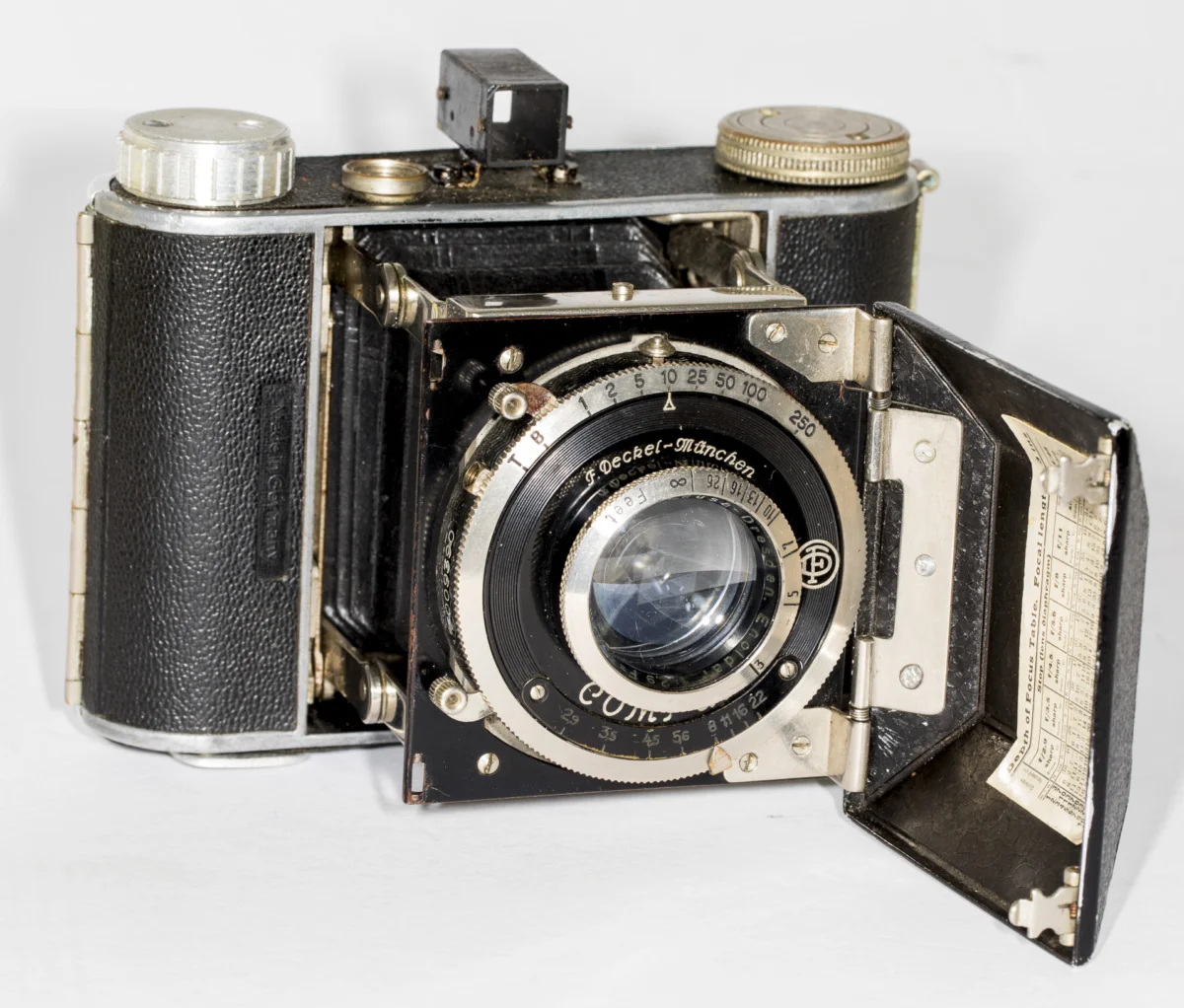
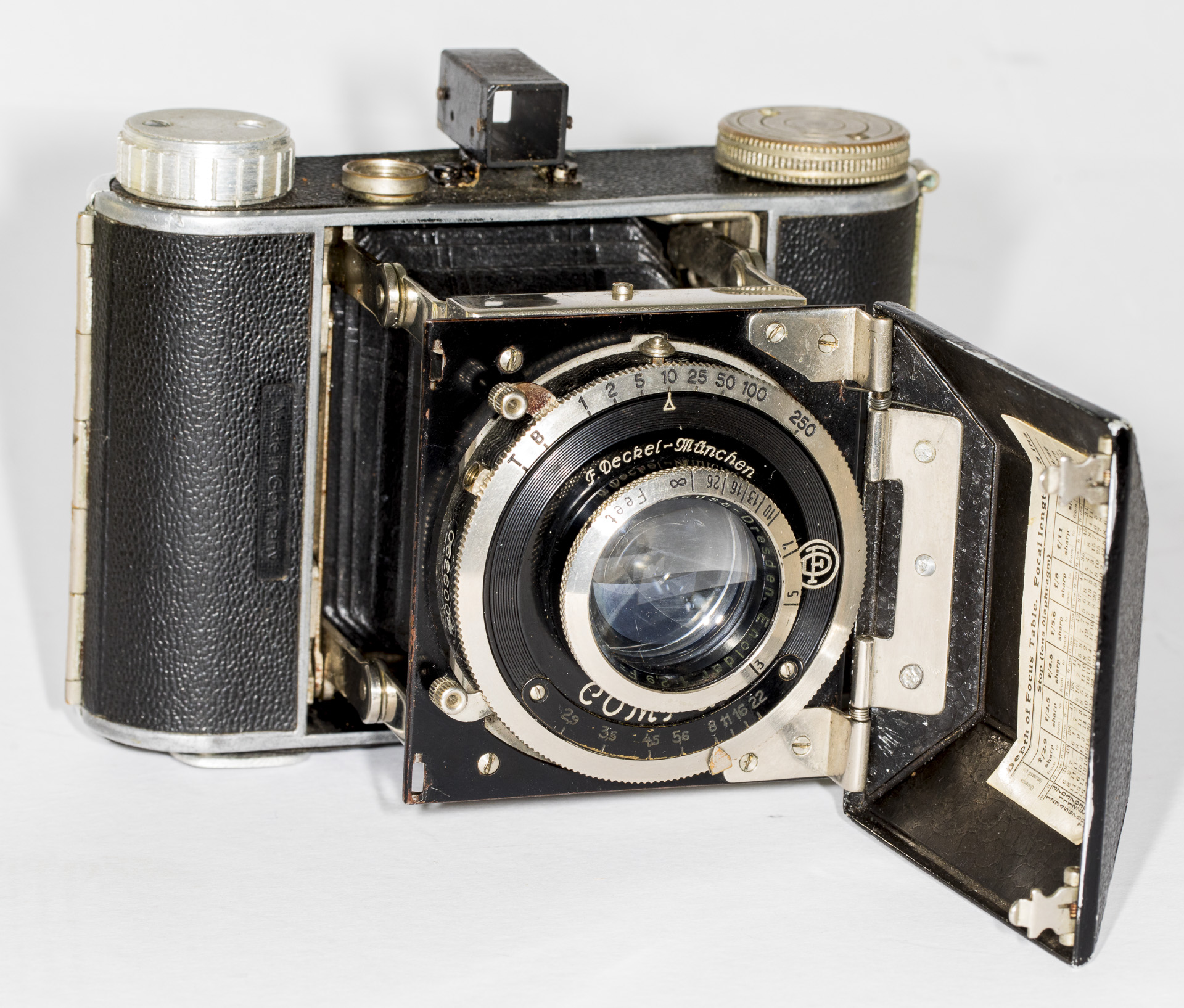
The Kochmann Korelle 6×4.5, a German-manufactured strut-folding camera, stands as a testament to the precision and aesthetic of the pre-war European optical industry. Produced by Franz Kochmann’s Fabrik Photographischer Apparate in Dresden, this model was available from 1933 until the onset of World War II. Designed primarily as a medium-format folder, it typically utilized 120 roll film to produce 16 negatives per roll. However, a recently surfaced specimen reveals a complex, post-manufacturing modification that converted the device to utilize 35mm (135) film. This unique adaptation provides a rare glimpse into the "make do and mend" culture of the mid-20th century, where engineering ingenuity was often born from material scarcity.
Technical Profile of the Kochmann Korelle 6×4.5
At its core, the Kochmann Korelle was a relatively conventional folding camera for the 1930s. It featured a Compur shutter, a staple of German precision engineering known for its reliability and range of speeds. The lens equipped on many of these models was the 75mm f/2.9 Ludwig Enoldar. While the "ar" suffix in German optics often denoted high-quality designs such as the Tessar or Elmar, the Enoldar was a more budget-conscious triplet construction, though its f/2.9 aperture was considered quite fast for the era.
The camera’s physical design utilized a strut-folding mechanism rather than the more common leather bellows seen in contemporary Kodaks. This design allowed for a more rigid lens platform but introduced a distinctive operational hazard. The opening mechanism is spring-loaded; upon pressing the release button, the front plate shoots forward with significant velocity. If not restrained by the user’s hand, the plate reaches its fully extended position with a forceful mechanical "thump," a characteristic that has led modern collectors to describe the device as needing to be handled with the same caution as a firearm.
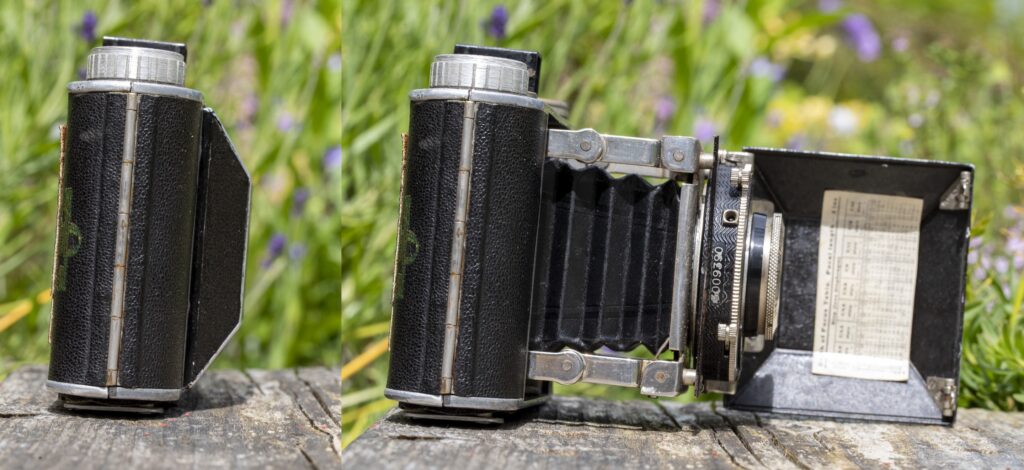
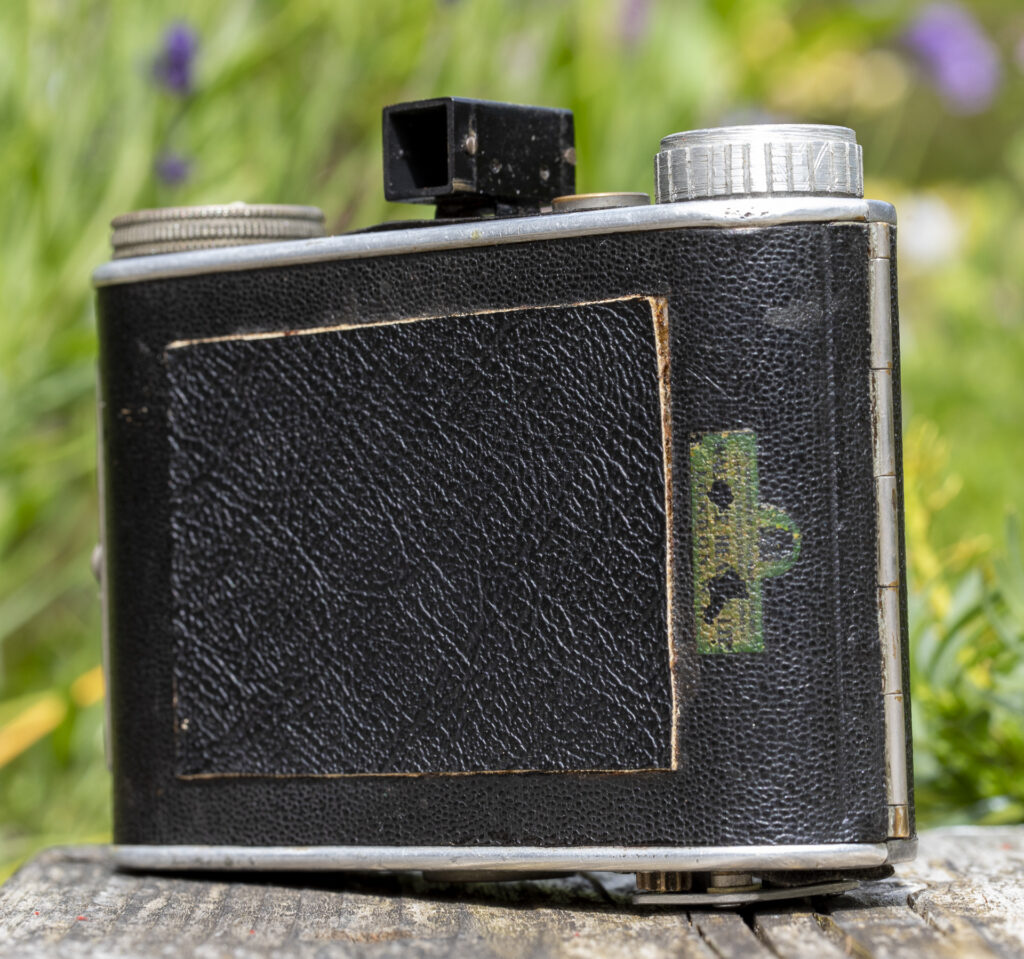
The specific unit in question bears a faded transfer from Wallace Heaton, a prestigious photographic retailer located on New Bond Street in London. This indicates that the camera was part of the significant pre-war trade of high-end German optical equipment into the United Kingdom, a market that would be abruptly severed in 1939.
Chronology of Modification and Material Analysis
The modification of this specific Kochmann Korelle from 120 roll film to 35mm film appears to have occurred several decades after its initial manufacture. Based on the materials used in the conversion, photographic historians and engineers suggest the work was likely carried out during the late 1940s or early 1950s.
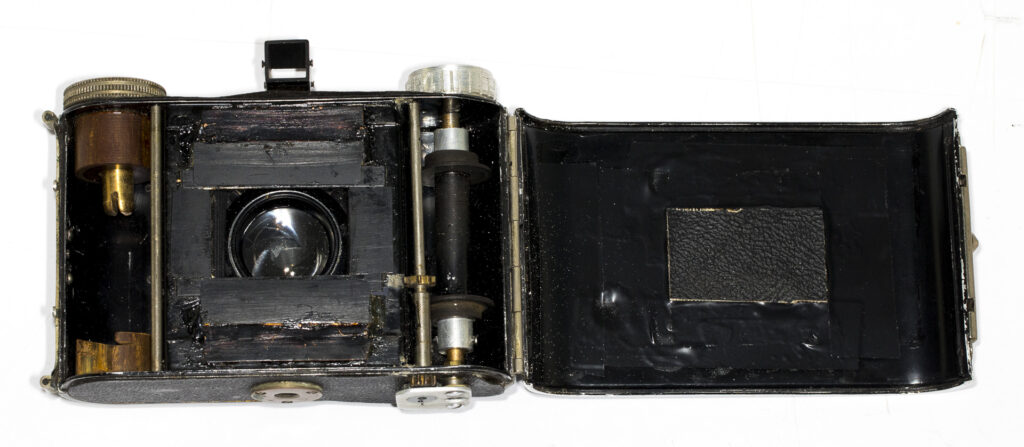
A key indicator of this timeline is the use of Formica. While Formica was invented in 1913, its widespread application as a durable industrial and domestic material peaked in the post-war era. In this camera, Formica sheets have been meticulously cut and painted matte black to serve as film guides and masks for the 35mm gate. Furthermore, the internal components used to secure the 35mm cartridge appear to have been harvested from an early 35mm camera, possibly a damaged Kodak Retina or a similar 1930s miniature format device.
The most striking piece of evidence regarding the modification’s origin is the use of a common iron nail to connect the take-up spool to the drive shaft. This improvisational approach to precision engineering is characteristic of British home-workshop repairs during the period of post-war austerity, when specialized parts were unavailable and technicians relied on available hardware to maintain or upgrade existing equipment.
Mechanical Re-Engineering: A Deep Dive
Converting a medium-format folder to 35mm is not a simple matter of masking the film gate; it requires a total reimagining of the film transport system. In the original 120 format, the film moves from one spool to another, guided by red windows on the camera back that allow the user to see the frame numbers printed on the paper backing.
The modifier of this Korelle bypassed this system entirely. The film path was reversed, moving in the opposite direction of the original design. To facilitate this, several significant structural changes were made:
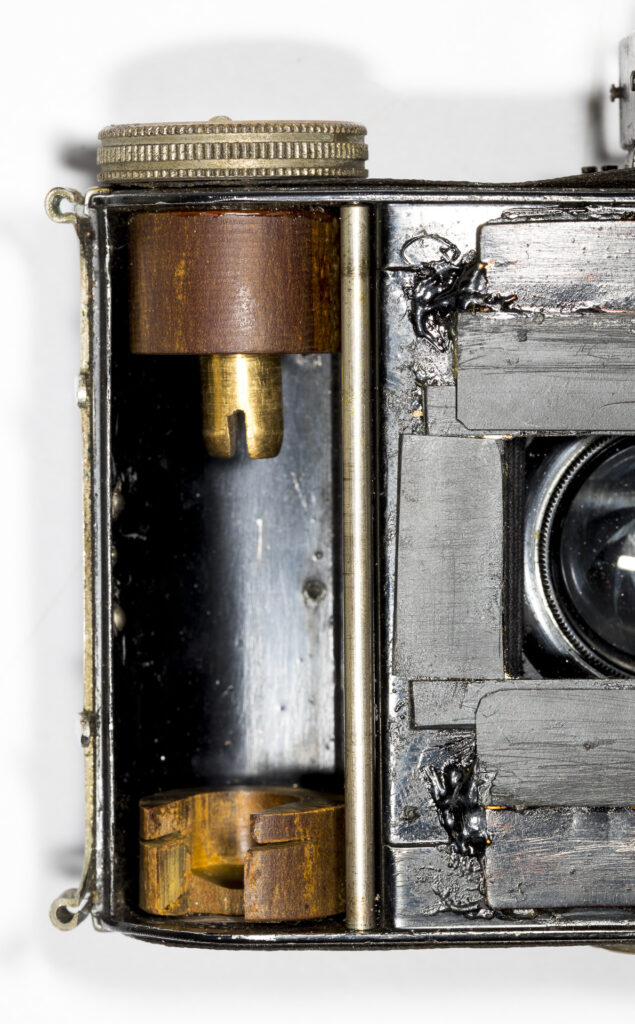
- The Rewind Mechanism: The original 120 wind-on knob was repurposed as a rewind knob.
- The Drive System: The camera body was drilled through the top and bottom plates to accommodate a new winder and a 35mm spool holder.
- The Sprocket Assembly: A sprocket from a donor 35mm camera was grafted onto the right-side roller. This sprocket engages with the film perforations, ensuring the film moves at a consistent rate.
- The Indicator Gear: The sprocket is linked to an external gear mounted on the baseplate. This gear features a single dot. The user must rotate the film until the dot completes one full revolution to advance exactly one frame.
- Viewfinder Modification: The original reverse-Galilean viewfinder, designed for a 6×4.5 field of view, had its glass elements removed. It now functions as a simple "sports finder" tube, which surprisingly provides an approximately accurate framing for the 35mm focal length when using the 75mm lens.
Historical Context: The Necessity of Conversion
The question of "why" such an arduous conversion was undertaken is central to the camera’s history. During World War II and the subsequent years of recovery, 120 roll film was frequently in short supply across Europe. Conversely, 35mm film was more readily available, often sourced from bulk rolls of cinema stock.
In the 1940s, the Amateur Photographer magazine and similar publications often featured guides on "miniaturizing" larger cameras to save on film costs or to utilize available stocks. For a photographer who owned a high-quality German folder like the Korelle but could not find 120 film, the options were either to retire the camera or to re-engineer it.
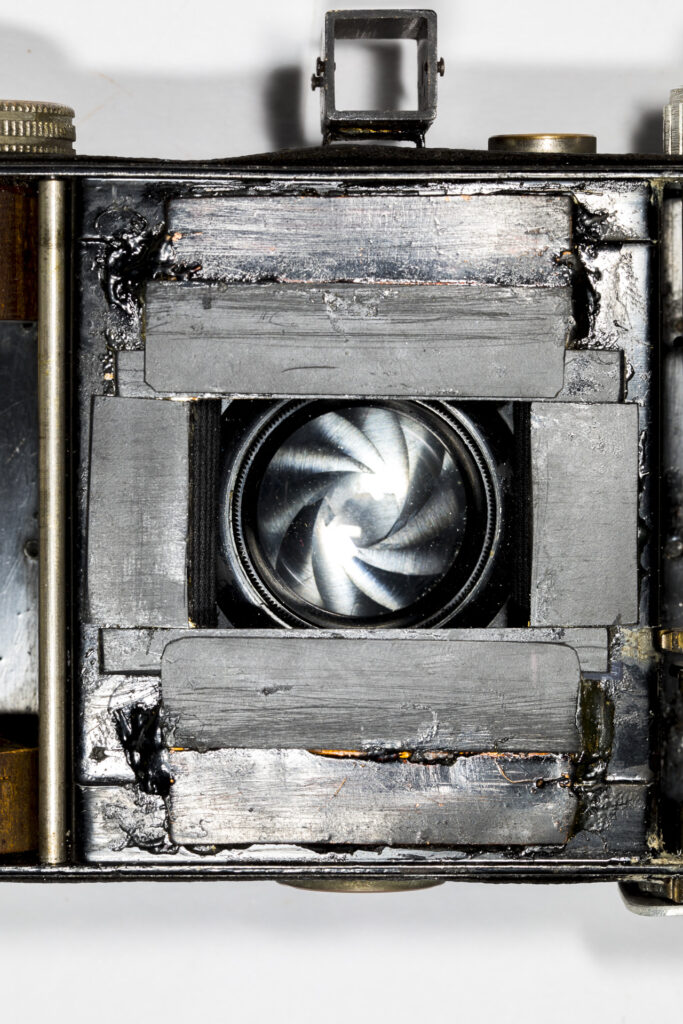
Additionally, the use of a 75mm lens on a 35mm frame effectively turns the lens into a "short telephoto" or portrait lens. This may have been a deliberate choice by the modifier to create a specialized tool for portraiture, utilizing only the center of the lens’s image circle where sharpness is typically highest.
Performance Analysis and Optical Failures
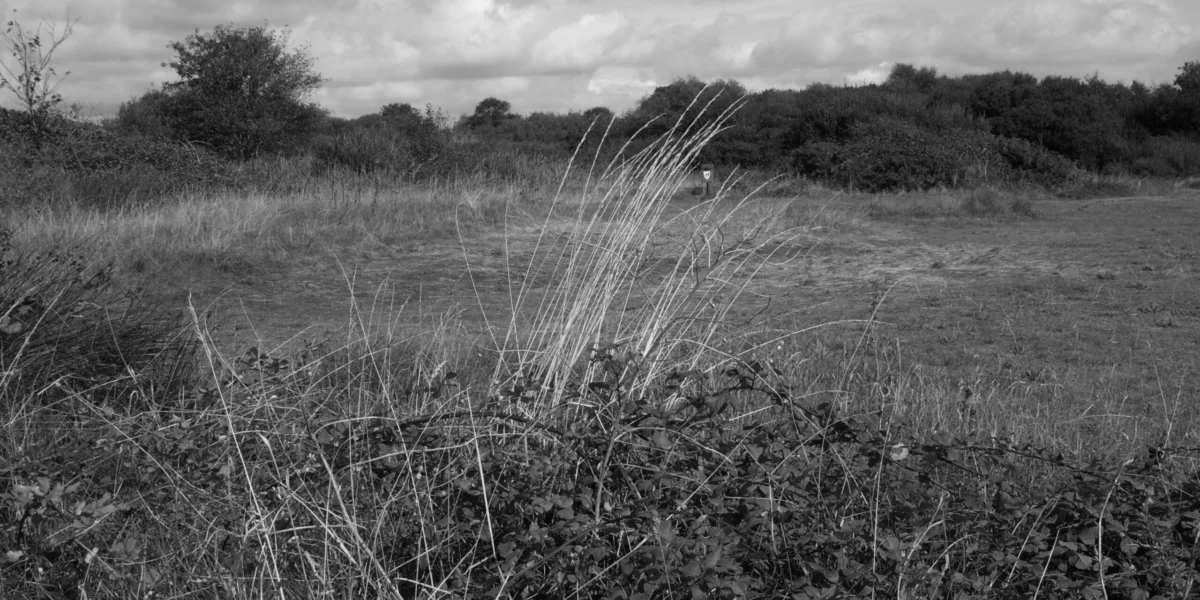
Despite the ingenuity of the mechanical conversion, the practical results of the 35mm Kochmann Korelle are substandard by professional photographic measures. Recent tests using Ilford Delta 400 film developed in Rodinal (Fomadon R09) revealed several critical flaws:
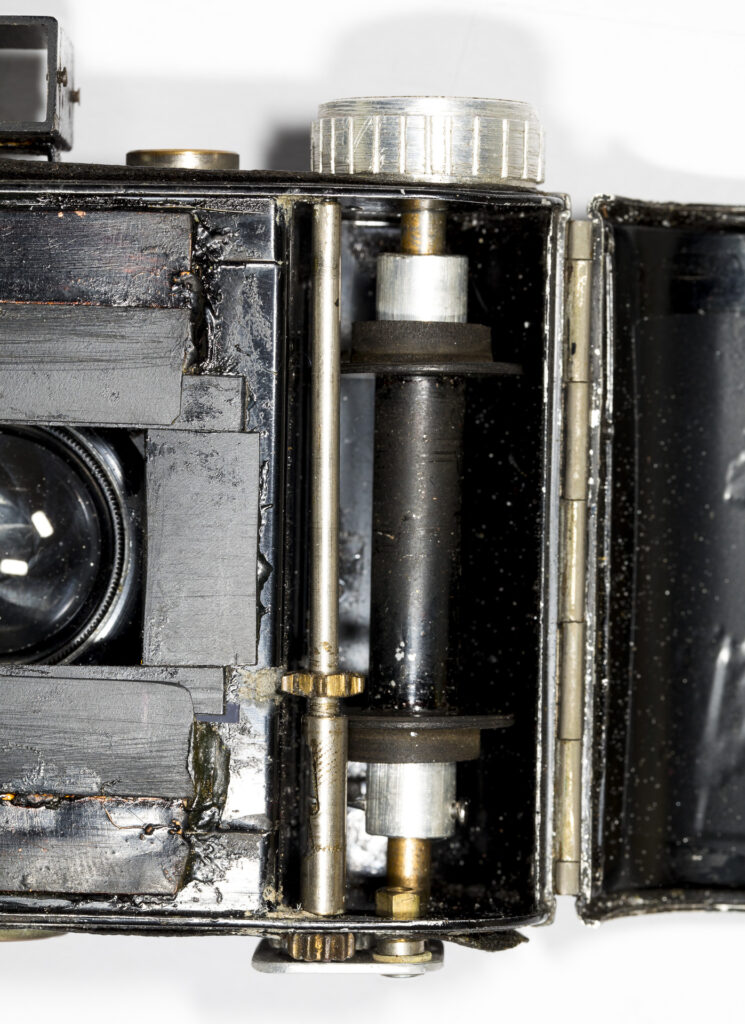
- Focus Inconsistency: The images produced are universally soft. This is likely due to the removal of the original pressure plate. The modifier replaced the pressure plate with a rectangle of vinyl, which fails to keep the 35mm film perfectly flat against the film gate. Even a fraction of a millimeter of deviation in the film plane is enough to throw the 75mm lens out of focus.
- Ghosting and Internal Reflections: Some frames exhibit a "double image" or ghosting effect. This is theorized to be the result of light reflecting off the patterned vinyl backing and back onto the film emulsion—a common issue when using non-traditional materials in a camera’s dark chamber.
- Mechanical Friction: The film transport system lacks the smooth tolerances of a factory-built machine. During testing, the film became increasingly difficult to wind, eventually tearing the perforations around frame 27. Internal inspection after the test revealed a significant accumulation of brass and aluminum filings, suggesting that the "new" gears are slowly grinding themselves down with every use.
Broader Implications and Legacy
The 35mm-converted Kochmann Korelle serves as a physical record of a specific era in photographic history. It represents a transition period where the dominance of medium-format cameras was being challenged by the rising popularity of the 35mm "miniature" format, championed by Leica and Contax.
For modern historians, this camera is more than a curiosity; it is an artifact of amateur engineering. It demonstrates a level of technical skill that has largely vanished in the era of digital electronics and disposable technology. The individual who performed this conversion possessed a lathe, a drill press, and a deep understanding of mechanical synchronization.
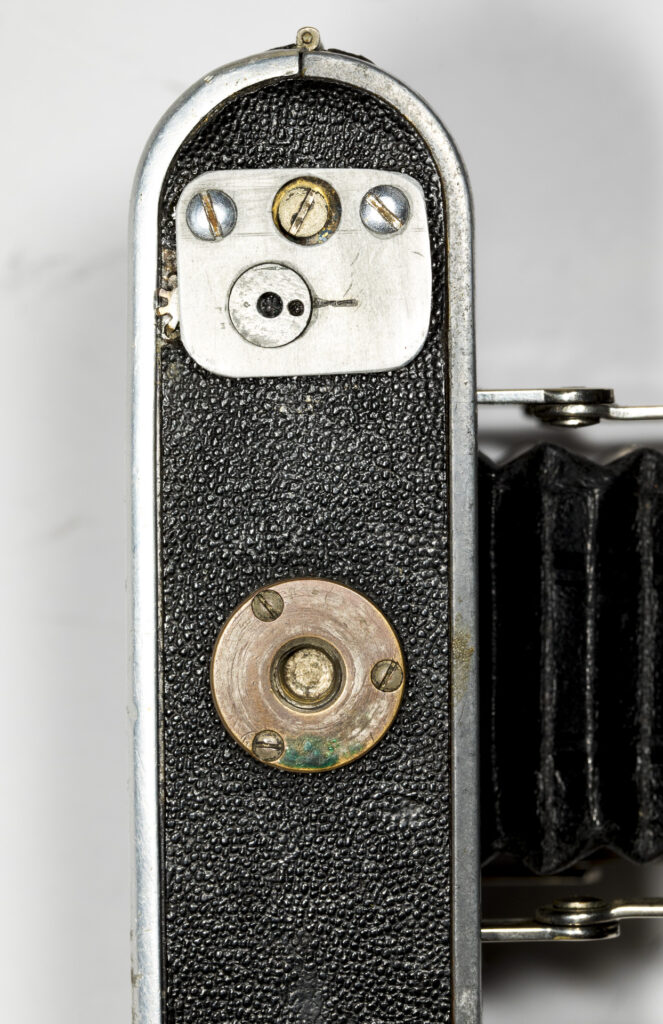
While the camera is no longer a viable tool for high-quality photography, it remains a valuable piece for collectors of "oddities" and modified cameras. It highlights the lengths to which photographers would go to keep their equipment operational during times of global upheaval. The presence of the Wallace Heaton sticker further anchors the object in the history of the London photographic trade, marking its journey from a precision German factory to a high-end London showroom, through a rigorous mid-century modification, and finally to the digital marketplaces of the 21st century.
In conclusion, the Kochmann Korelle 35mm conversion is a testament to human persistence. Though it fails as a precision optical instrument today, it succeeds as a historical document, illustrating the intersection of necessity, craftsmanship, and the enduring appeal of the mechanical camera. Its "British nails" and "German precision" remain locked in a permanent, albeit slightly out-of-focus, embrace.