Harman Technology Ltd., the manufacturer renowned for its Ilford and Kentmere brands, has officially expanded its portfolio of experimental color emulsions with the release of Harman Azure. This latest offering follows the successful market entry of the Harman Phoenix and Harman Red series, marking a significant step in the company’s ongoing initiative to develop a comprehensive range of color film products. Harman Azure is a 35mm color negative film that utilizes a specialized chemical architecture to produce dramatic color shifts, specifically by transposing the red and blue color channels. Positioned within the "creative" or "experimental" segment of the analog market, the film is designed for photographers seeking an abstraction of reality through non-traditional color palettes.
Technical Specifications and Color Theory Mechanics
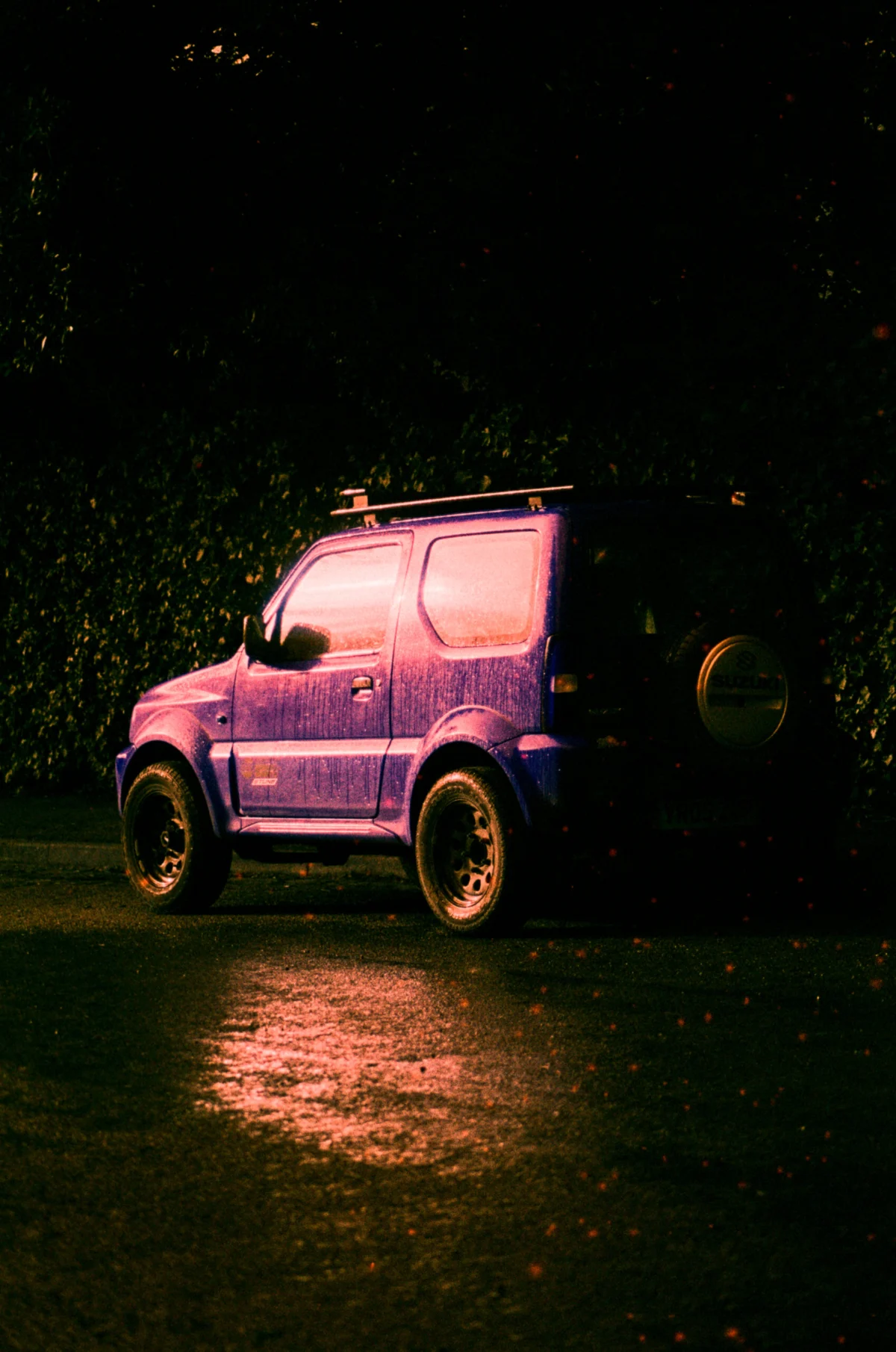
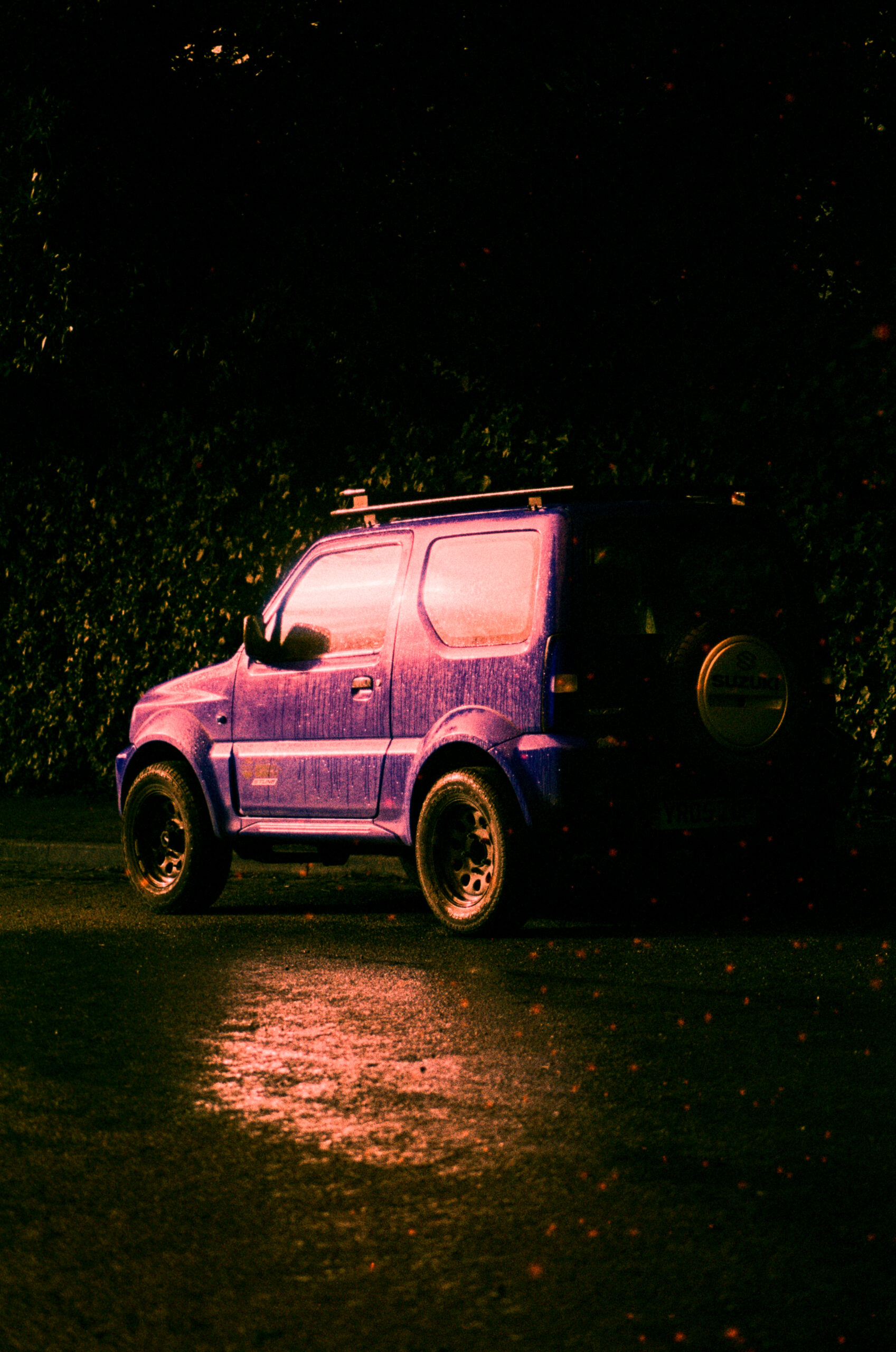
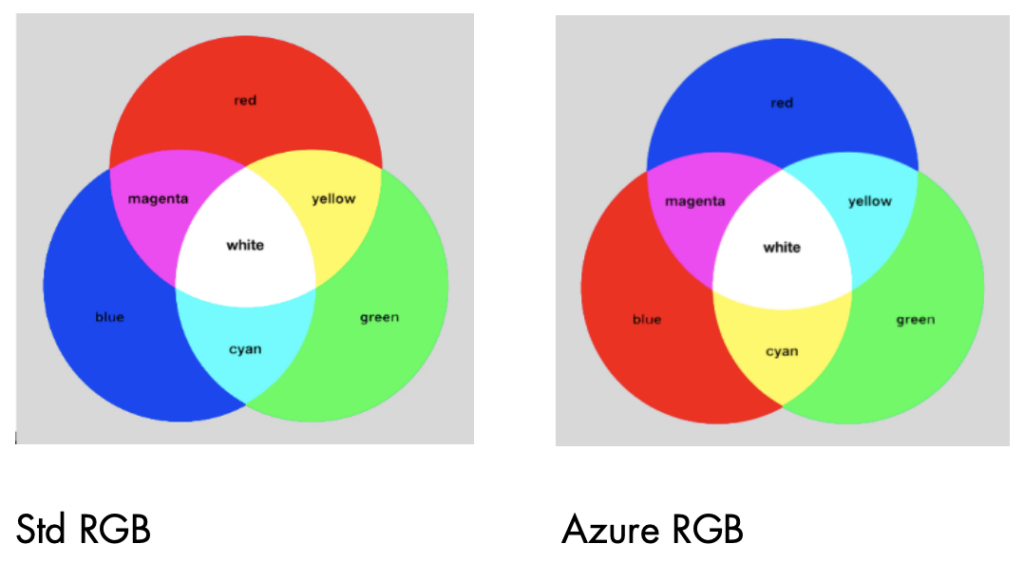
The primary characteristic of Harman Azure is its systematic manipulation of the visible spectrum. Unlike conventional color films—such as Kodak Portra or Fujifilm 400—which aim for lifelike color reproduction and accurate skin tones, Harman Azure is engineered to invert specific layers of the film emulsion. According to technical data sheets released by Harman, the film’s green channel remains stable and unchanged. However, the blue and red channels are effectively swapped during the exposure and development process.
This chemical reconfiguration results in a predictable yet surreal transformation of environmental colors. In practice, objects that are naturally red appear blue, and blue objects are rendered in shades of red and orange. This inversion extends across the secondary color spectrum: cyan tones are captured as yellow, while yellow objects appear as cyan. Because most natural colors are a composite of multiple channels, the impact on complex hues like green can vary depending on the underlying blue or red light components within the specific subject.

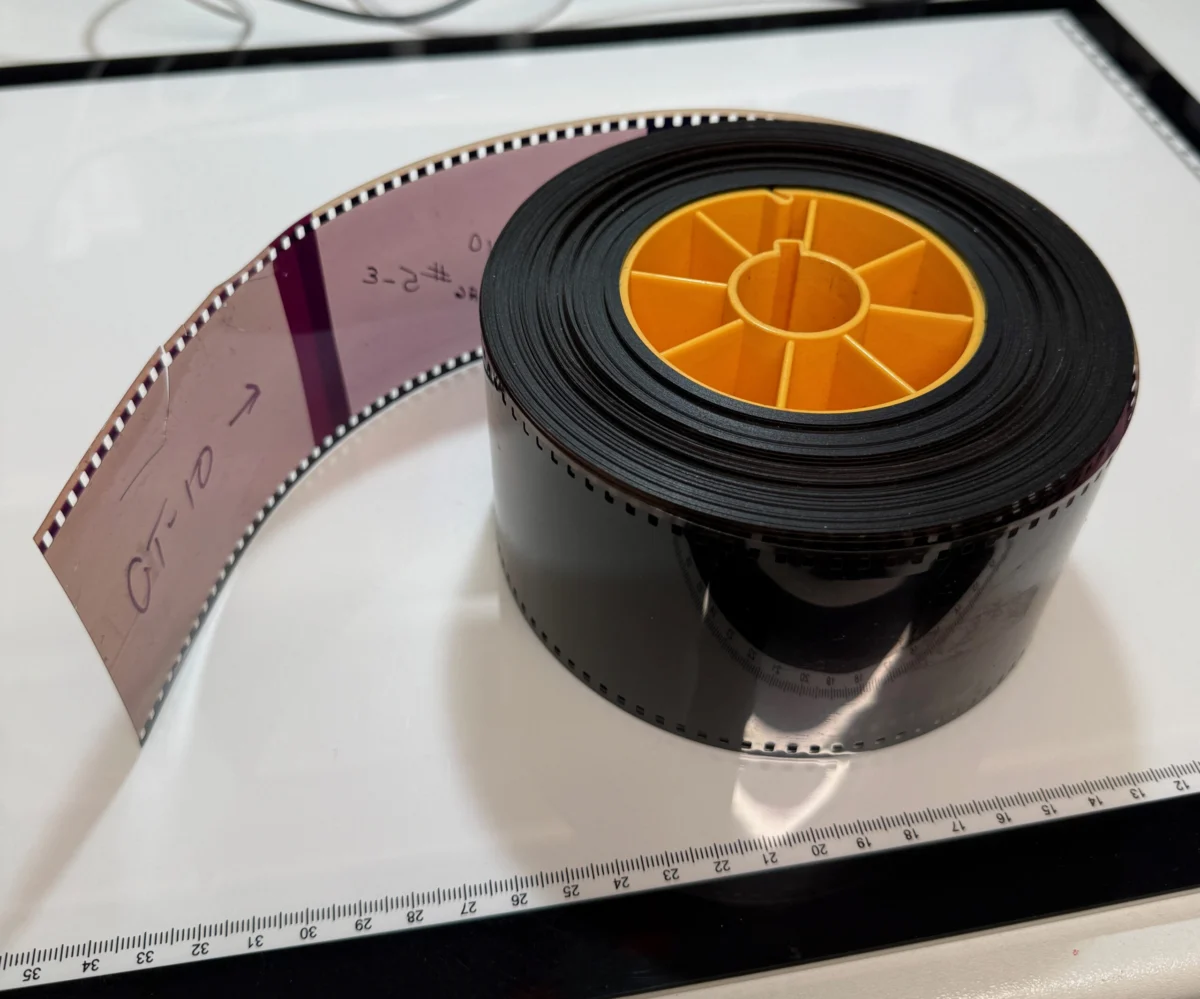
The film is rated at ISO 125 and is designed for standard C-41 processing, the most common color chemistry available at commercial laboratories. While the film is compatible with standard development, the manufacturer notes that scanning results may vary significantly depending on the hardware used. Specifically, the algorithms used by Noritsu and Fujifilm scanners—the two industry standards for high-volume lab work—interpret the density and color masks of experimental films differently, leading to variations in contrast and saturation in the final digital files.
Historical Context and the Harman Color Roadmap
The release of Harman Azure is not an isolated event but rather a milestone in a multi-year strategic roadmap established by Harman Technology. Historically, the company, based in Mobberley, England, was almost exclusively focused on black-and-white photography products. However, the global resurgence of analog photography and the subsequent shortage of color film supply from traditional manufacturers prompted Harman to pivot toward color research and development.
The journey began with the launch of Harman Phoenix 200, the first color film ever manufactured entirely at the Mobberley site. Phoenix was characterized by its high contrast, lack of a traditional anti-halation layer, and distinct grain structure. Following Phoenix, the company introduced Harman Red, which offered a different experimental profile. Harman Azure represents the third major iteration in this "creative" series.
Industry analysts view these experimental releases as a dual-purpose strategy. First, they provide a consistent revenue stream by tapping into the growing demographic of younger photographers who prioritize "lo-fi" aesthetics and serendipitous results over clinical perfection. Second, these films serve as public-facing beta tests for Harman’s emulsion coating technology. By refining their ability to produce these niche films, the company is gathering the technical data and capital necessary to eventually produce a "true" or professional-grade color negative film that can compete directly with established industry leaders.

Market Positioning and Comparative Analysis
Harman Azure enters a market segment that has been largely defined by Lomography, particularly its Lomochrome Turquoise emulsion. Both films utilize color-shifting technology to create turquoise skies and orange-tinted landscapes. However, the entry of a major industrial player like Harman into this space suggests a maturing market for experimental films.
The decision to offer a product similar to existing emulsions has drawn comparisons within the photographic community. Market data indicates that while some traditionalists view experimental films as a distraction from the production of standard emulsions, there is a significant demand for variety within the creative film sector. Just as the black-and-white market supports dozens of slightly different emulsions, the creative color market is expanding to accommodate multiple interpretations of color-swapped film.

By introducing Azure, Harman is providing a localized, UK-manufactured alternative to imported experimental films. This move also strengthens the company’s relationship with independent film labs, many of which have reported increased business driven by the novelty of these "surprise" emulsions.
Chronology of the Analog Color Resurgence
The timeline of Harman’s color development reflects a rapid acceleration in research and manufacturing capabilities:

- Late 2023: Harman Technology announces the launch of Phoenix 200, signaling its official entry into the color film manufacturing sector.
- Mid-2024: The company reports significant sales figures for Phoenix, citing a "new generation of film users" as the primary drivers.
- Early 2025: Launch of Harman Red, further diversifying the experimental lineup and testing the market’s appetite for extreme color shifts.
- Mid-2025: Official release of Harman Azure. Early adoption is facilitated by a coordinated social media and podcast campaign, targeting both professional reviewers and hobbyist communities.
- Late 2025 (Projected): Analysts expect Harman to release further iterations or "Version II" updates of their initial color films, incorporating user feedback regarding grain and scanning compatibility.
Artistic Application and Subject Selection
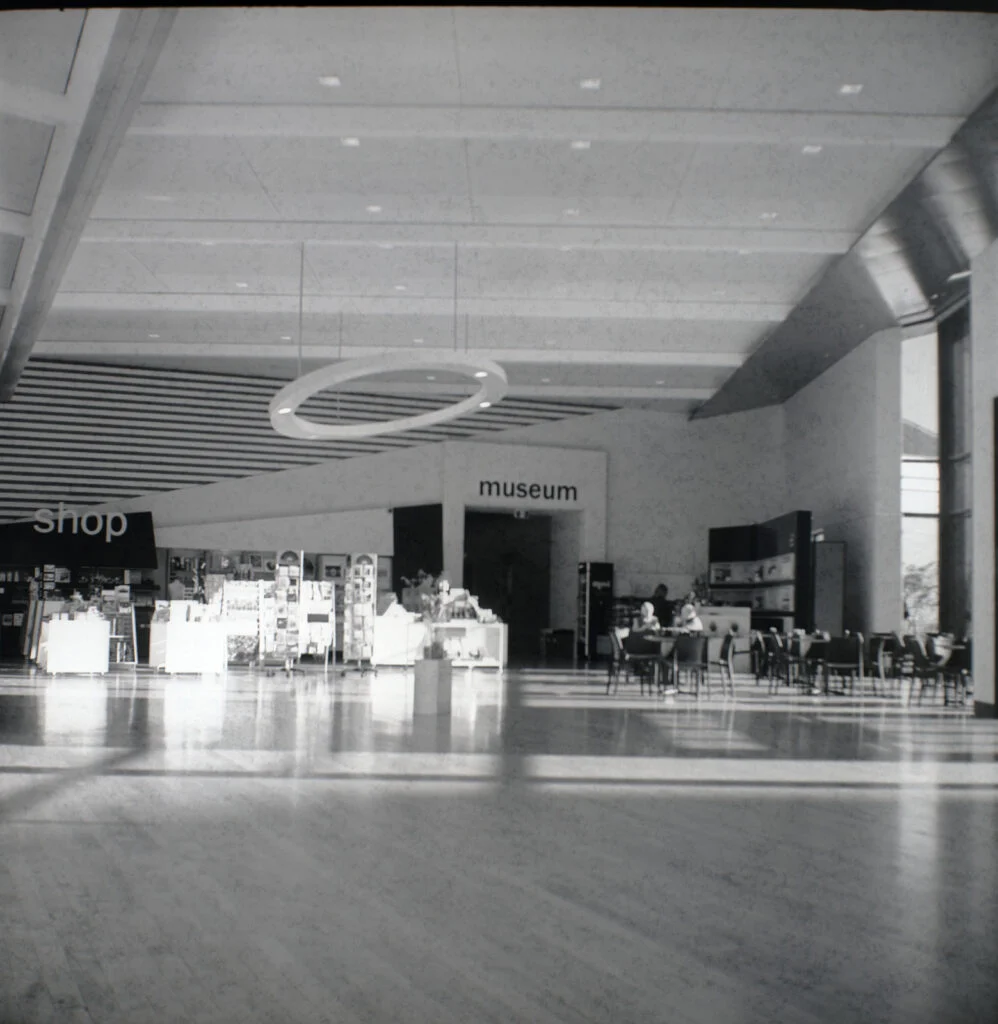
Initial field tests and user reports suggest that Harman Azure requires a specific approach to subject matter to achieve optimal results. Unlike standard films that are versatile across all genres, Azure is highly sensitive to the color composition of the frame.
- Landscape Photography: This is the most common application for Azure. The film transforms green foliage into deep, muted tones and turns clear blue skies into vibrant shades of orange and pink. Sunsets, in particular, are rendered with cool blues and purples, effectively inverting the traditional golden hour palette.
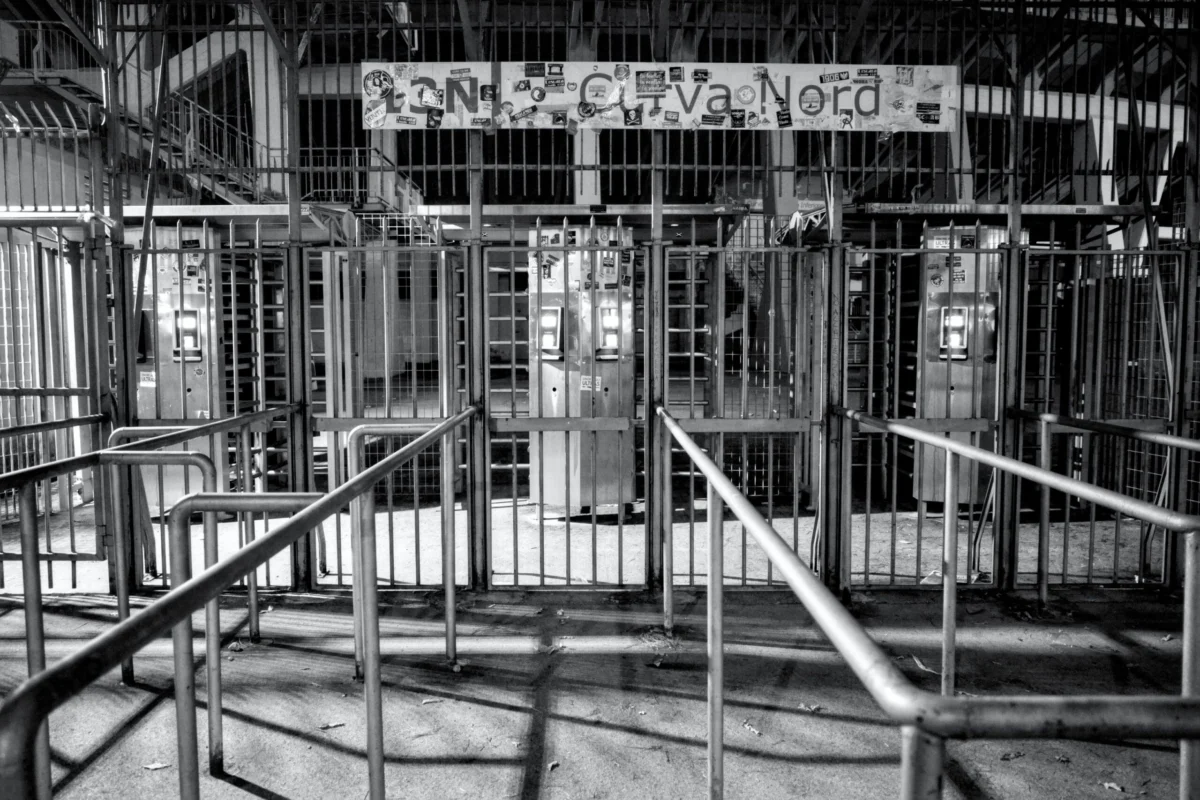
- Architecture and Urban Environments: The film is noted for its impact on man-made structures. Brickwork, typically red or brown, is rendered in striking blues, while blue glass buildings appear in warm, earthy tones.
- Portraiture: This remains the most controversial application of the film. Because the red channel is swapped with blue, human skin tones—which rely heavily on red and magenta pigments—are rendered in varying shades of cyan and blue. While this produces a "corpse-like" or alien aesthetic that may suit specific avant-garde projects, it is generally avoided for traditional portraiture.
- Compositional Strategy: Photographers have found that minimalist compositions work best with Azure. Because the color shifts are so dramatic, overly busy scenes can become visually chaotic. Simple shapes and high-contrast environments allow the color-swapped palette to serve as the primary narrative element of the image.
Economic and Industrial Implications
The success of Harman Azure is seen as a bellwether for the health of the analog industry. The production of color film is an immensely complex chemical process, requiring precision coating of multiple layers of light-sensitive emulsion. By successfully bringing a third color product to market in less than two years, Harman has demonstrated a robust manufacturing recovery.

Furthermore, the "creative film" model allows manufacturers to sell emulsions that might not meet the rigorous quality control standards of professional film (such as perfectly neutral color balance) but are highly desirable for their unique flaws. This reduces waste and increases the profitability of each production run. The revenue generated from these niche products is being reinvested into the Mobberley facility, which has seen recent upgrades to its coating and finishing lines.
Final Assessment of Market Impact
Harman Azure represents more than just a novelty for the analog community; it is a testament to the industrial resilience of film photography in the 21st century. While it may not appeal to the "purist" demographic that prioritizes the color accuracy of Kodak Portra or Ektar, it serves a vital role in the ecosystem. It encourages experimentation, supports the financial stability of a major manufacturer, and provides a distinct creative tool for a new era of photographers.

As Harman continues to iterate on its color technology, the data gathered from the Azure release will likely inform the development of more conventional films. For now, Harman Azure stands as a bold, blue-and-red-hued statement of intent from a company that has successfully transitioned from a legacy black-and-white specialist to a modern, multi-spectrum innovator in the imaging industry. The film’s ability to turn the familiar into the strange ensures its place in the kits of experimental photographers worldwide, further solidifying the ongoing "analog renaissance."