The intersection of economic accessibility and technical experimentation has become a primary driver in the contemporary resurgence of analog photography. As global supply chains and rising raw material costs have driven the price of traditional film stocks from industry giants like Kodak and Fujifilm to record highs, photographers are increasingly turning to boutique distributors and alternative emulsions to sustain their practice. One such emulsion, Flic Film’s Ultrapan 400, has emerged as a significant contender for enthusiasts seeking a balance between tonal versatility and fiscal sustainability. Recently, Nashville-based photographer Josh Baker utilized this specific stock to conduct a technical study in high-contrast environments, pushing the film’s latitude to its limits following a severe winter weather event in Middle Tennessee.
The Nashville Winter Context and Environmental Variables
The geographical setting for this technical study was Nashville, Tennessee, during a period of uncharacteristic meteorological volatility in early 2026. The region, more accustomed to temperate transitions, was gripped by a sustained cold snap characterized by frigid temperatures and significant ice accumulation. This weather event resulted in widespread infrastructure strain, including power outages and hazardous transit conditions caused by ice-laden tree limbs collapsing onto municipal power lines and thoroughfares.
For the local photographic community, these conditions presented a dual challenge: the physical limitations of operating equipment in sub-freezing temperatures and the aesthetic monotony of consistent "gray-sky" overcast lighting. Baker’s initial attempts at documentation during this period included indoor architectural studies and macro photography of domestic subjects, as well as high-risk outdoor flash studies. The latter, conducted in twenty-minute intervals without thermal protection, highlighted the physical hazards of winter field work, including the risk of frostbite.
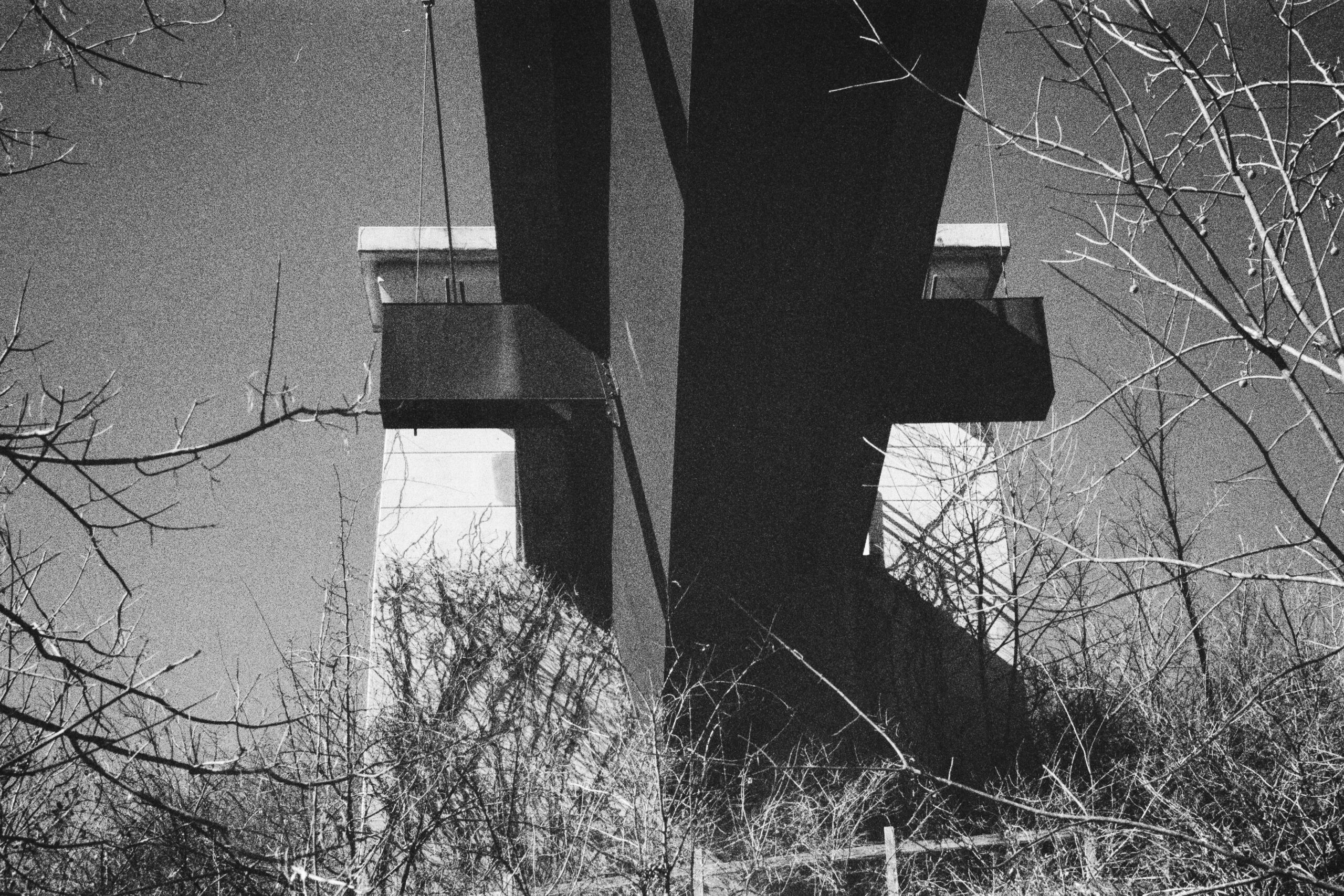
The transition from this period of atmospheric "idle" to active field work occurred during a brief warming trend. Baker targeted the Shelby Bottoms Greenway, a 960-acre natural area located along the Cumberland River. This location provides a diverse array of textures—ranging from concrete pedestrian pathways and hardwood forests to wetlands and steel bridge hardware—making it an ideal laboratory for testing film response to varying light intensities.
Technical Specifications: Flic Film Ultrapan 400 and the Nikon FM2n
The primary instrument for this study was the Nikon FM2n, a mechanical workhorse known for its reliability in extreme temperatures and its precise vertical-travel titanium or aluminum shutter. Paired with the Nikkor 50mm f/1.8—a lens praised for its sharpness and minimal distortion—the setup provided a neutral baseline for evaluating the film’s performance.
Flic Film, a Canadian-based company operating out of Longview, Alberta, has gained traction in the market by providing affordable alternatives to mainstream emulsions. Ultrapan 400 is widely recognized for its smooth midtone roll-off and its ability to retain texture in the lower zones (specifically Zones II and III of the Zone System). A notable feature of the Flic Film product line is the use of reusable cartridges, which aligns with the growing "bulk loading" movement among film photographers looking to reduce their environmental footprint and per-roll cost. At a price point of approximately $6.00 to $6.50 USD per roll, Ultrapan 400 represents a nearly 50% cost saving compared to premium professional stocks.
To further manipulate the light entering the lens, Baker employed a Yellow #8 filter. In black-and-white photography, a yellow filter absorbs blue light, resulting in darkened skies and increased contrast between clouds and the atmosphere. More importantly for this study, it slightly increases the separation of tones in foliage and urban structures, providing a crisper foundation for the subsequent push processing.
The Caravaggio Influence and the Mechanics of Push Processing
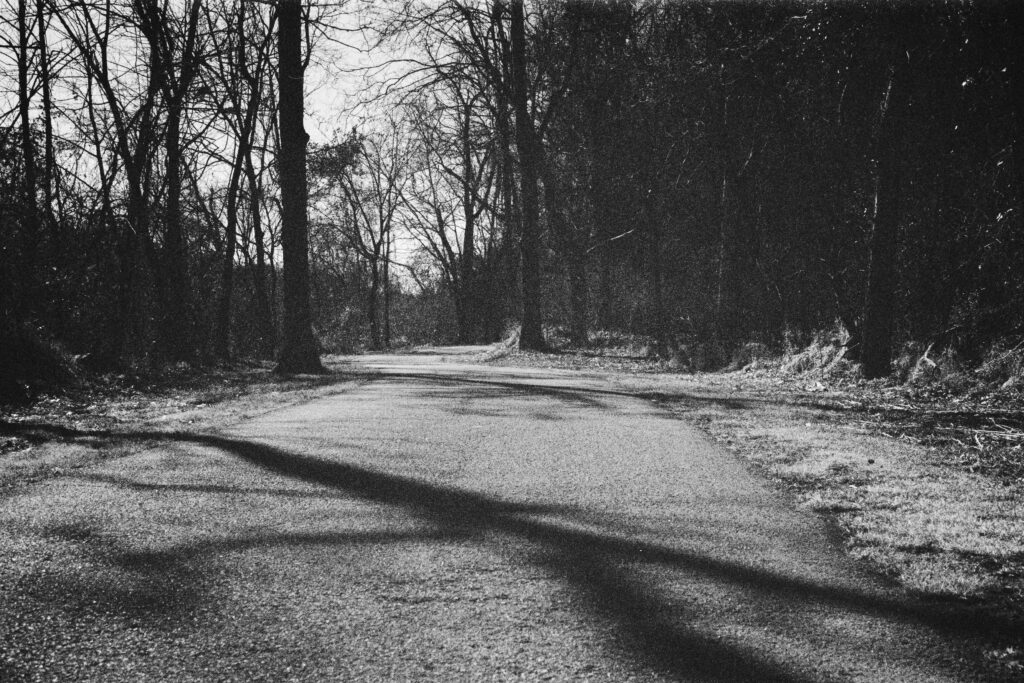
The core objective of the Shelby Bottoms session was an exploration of "Chiaroscuro"—the artistic treatment of light and shade in drawing and painting, popularized by the Italian Baroque master Caravaggio. This style is defined by strong contrasts between light and dark, often used to create a sense of volume and dramatic tension. To translate this painterly concept into a photographic medium, Baker opted to push the Ultrapan 400 film by two stops, effectively rating and developing it at ISO 1600.
Push processing is a chemical technique where film is intentionally underexposed (in this case, by two stops) and then over-developed to compensate. This process has several predictable effects on the final image:
- Increased Contrast: The highlights become denser while the shadows, which received insufficient exposure to register detail, fall into deep black.
- Grain Expansion: The silver halide crystals in the emulsion clump more aggressively, resulting in a more pronounced grain structure.
- Shadow Compression: The "latitude" or the film’s ability to see into the shadows is significantly reduced.
Baker’s goal was to use these technical "limitations" as creative tools. By visualizing a compression of shadow latitude, he sought to replace tonal information with grain, creating a visual metaphor for memory—where certain details are vivid while others fade into a dark, textured void.
Analysis of Results: Data Acquisition and Visual Memory
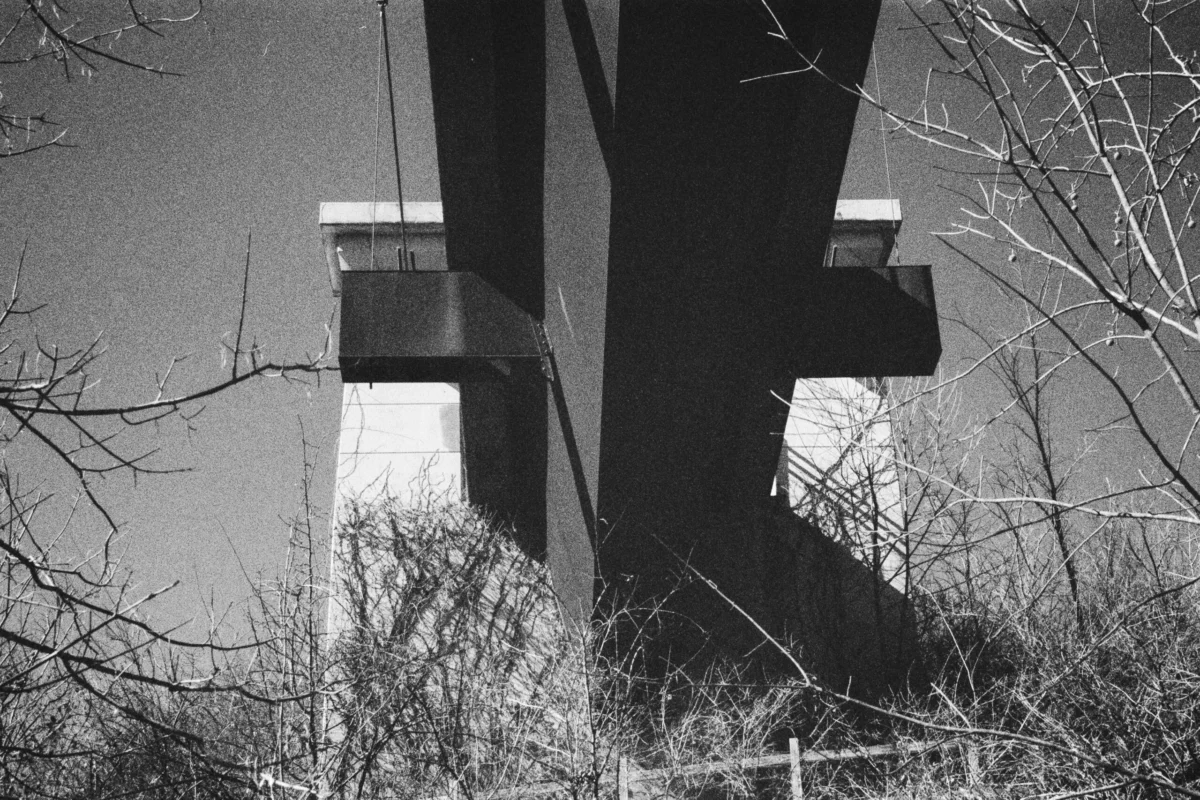
The resulting images from the Shelby Bottoms study provide significant data regarding the versatility of Ultrapan 400. In frames depicting the concrete walkways of the greenway, the shadows cast by trees created a sharp, binary division of the frame. Baker’s methodology prioritized the depth of the shadows over the preservation of highlights. This resulted in "blown-out" highlights in some areas, but successfully achieved the Caravaggio-inspired dramatic contrast he sought.
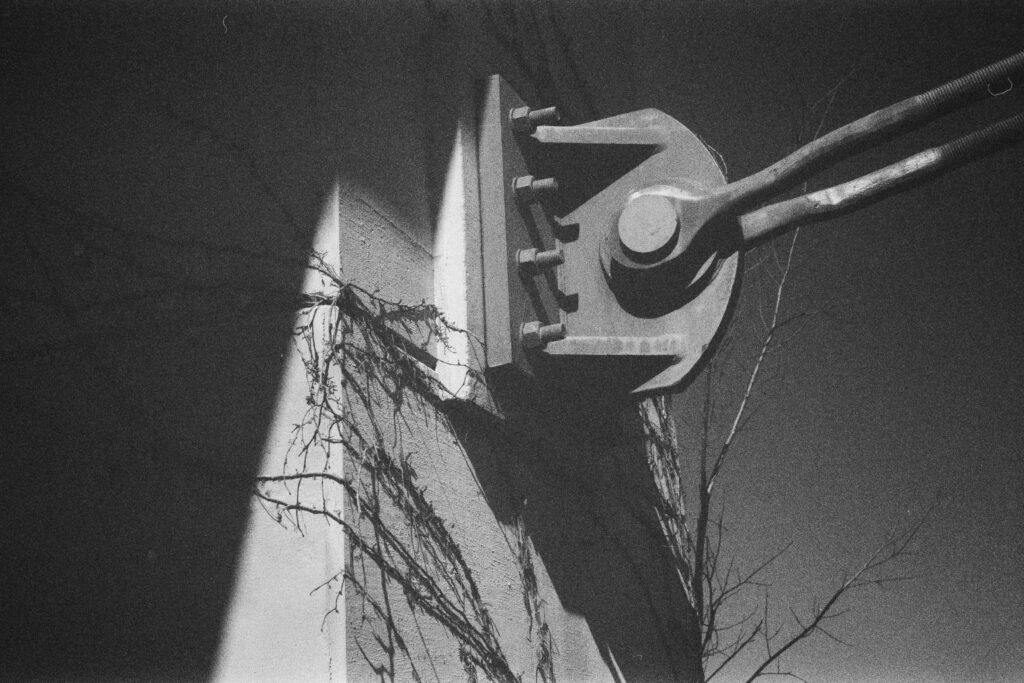
The bridge hardware on the Shelby Bottoms pedestrian bridge served as a secondary test subject. The industrial textures of the metal, combined with the organic forms of vines wrapping around the structure, demonstrated how the ISO 1600 push handled complex micro-contrasts. The grain provided a "bite" or sharpness that Baker identified as central to his photographic "voice."
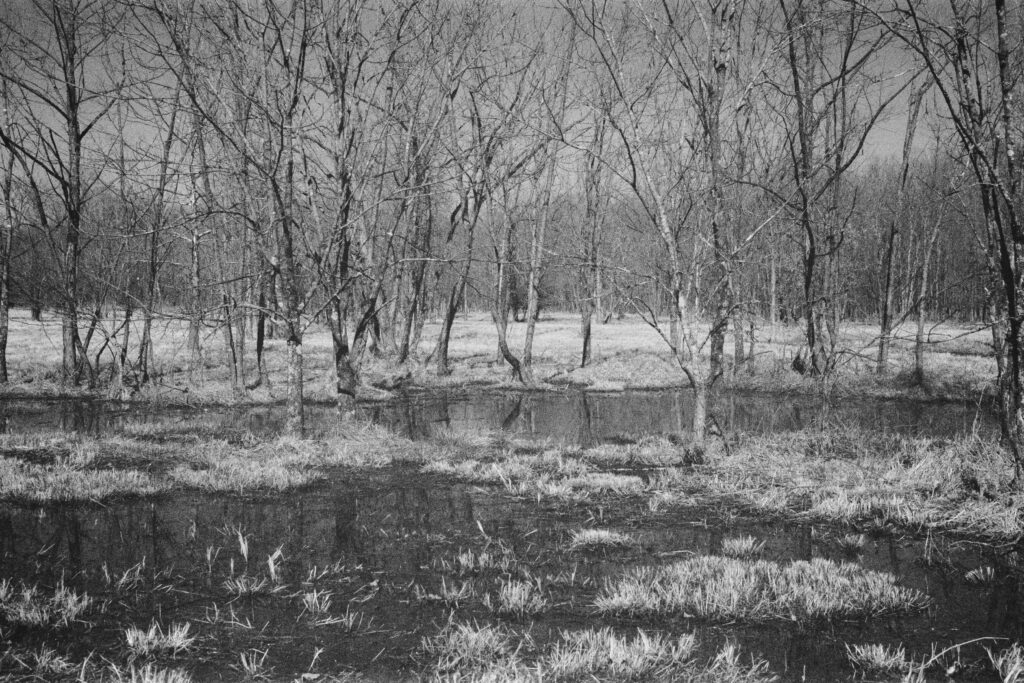
In the wetlands area, the push processing transformed the landscape into a more abstract, distant representation. The photographer noted that the images felt "painted over," suggesting that the technical process of pushing the film contributed to a "phenomenological" experience of the location. Rather than a literal documentation of the greenway, the high-contrast results mirrored the internal process of recalling a familiar place through the haze of time and winter isolation.
Economic Implications for the Analog Community
The success of this experiment carries broader implications for the sustainability of the analog photography hobby. The combination of budget-friendly film like Ultrapan 400, home developing, and DSLR scanning (the process of using a digital camera to photograph and invert negatives) creates a high-volume, low-cost workflow.
For many practitioners, the "weight of cost" often leads to a conservative shooting style, where every frame is precious and experimentation is discouraged. By utilizing a $6.00 emulsion, Baker demonstrates that photographers can "blast through rolls" or engage in aggressive technical research without significant financial risk. This "research-first" mindset, where every roll is viewed as "data" regardless of the artistic outcome, is essential for the technical evolution of the medium.
Conclusions and Future Technical Adjustments
The technical study of Flic Film Ultrapan 400 at ISO 1600 confirms that the emulsion is highly capable of handling significant underexposure and over-development. While the experiment successfully captured the desired Chiaroscuro effect, Baker identified several areas for future refinement:
- Filter Selection: While the Yellow #8 filter increased contrast, Baker suggested that future pushes to 1600 might yield better results without it, or perhaps with a different filtration strategy to manage the extreme contrast more effectively.
- Metering Strategy: A more aggressive approach to metering the shadows—likely using a spot meter to ensure the darkest areas fall exactly where the photographer intends on the characteristic curve—will be implemented in future sessions.
- Consistency: The data suggests that Ultrapan 400 remains a reliable daily shooter that can "change character" when pushed, offering two distinct looks from a single affordable product.
As the analog market continues to fluctuate, the role of boutique distributors like Flic Film will likely expand. By providing emulsions that respond well to traditional laboratory techniques like push processing, these companies ensure that the artistic traditions of the 20th century—from Caravaggio’s light to the gritty street photography of the 1960s—remain accessible to a new generation of photographers in the 21st century. The Shelby Bottoms study serves as a localized proof-of-concept for this global trend, proving that even in the wake of a Nashville winter, the pursuit of technical and artistic data remains a viable and necessary endeavor.