The geographic region of Sawlog Bay, situated within Tiny Township in Simcoe County, Ontario, represents a unique intersection of deep archaeological history, industrial heritage, and seasonal environmental extremes. Located approximately 160 kilometers north-northwest of Toronto, the area serves as a focal point for both ecological study and historical preservation. Recent field observations conducted in February highlight the stark contrast between the region’s bustling summer tourism and its sequestered winter state, providing a backdrop for technical experimentation in analog photography. By utilizing specialized medical fluorographic X-ray film within a vintage Nikon FE chassis, photographers are documenting the intersection of 11,000 years of human habitation with the contemporary challenges of the Canadian winter.
Historical and Geographic Context of Tiny Township
Tiny Township is part of a trio of townships—alongside Tay and Flos—famously named after the pet dogs of Lady Dalhousie, the wife of the Earl of Dalhousie, who served as the Governor General of British North America from 1820 to 1828. While the nomenclature of the township may appear whimsical, the history of the land is significantly more profound. Archaeological records indicate that the area has been continuously occupied for over 11 millennia. Evidence from the Paleo-Indian period suggests that early nomadic groups utilized the shores of what is now Sawlog Bay following the retreat of the Laurentide Ice Sheet.
The specific designation of "Sawlog Bay" serves as a linguistic artifact of the 19th-century logging industry. During the height of the timber trade, the region was a critical hub for the extraction and transport of white pine and hardwood. The bay functioned as a collection point where logs were gathered before being rafted to mills across Georgian Bay. Today, the logging industry has largely been replaced by conservation efforts and seasonal recreation, most notably within the confines of Awenda Provincial Park.
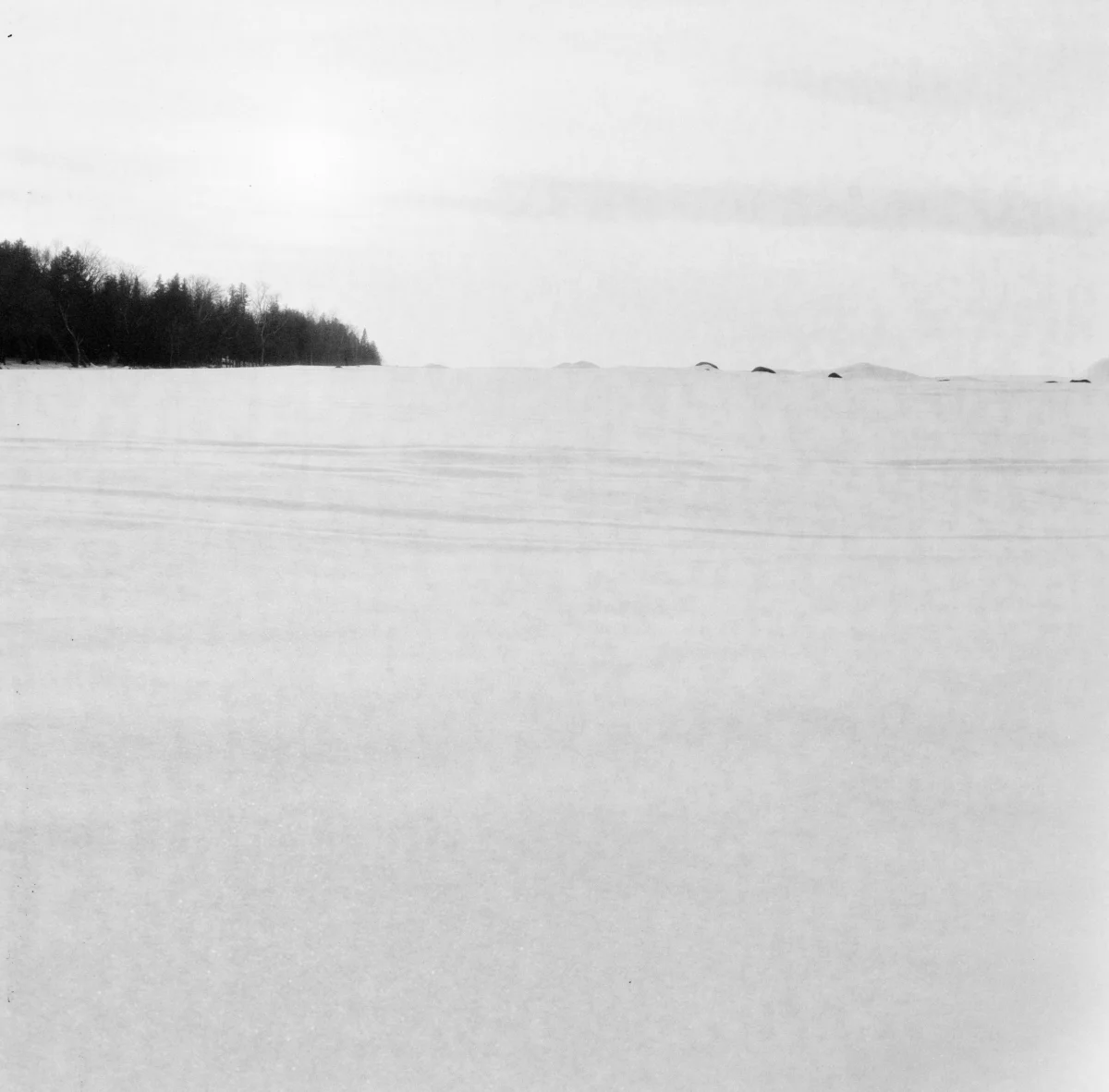
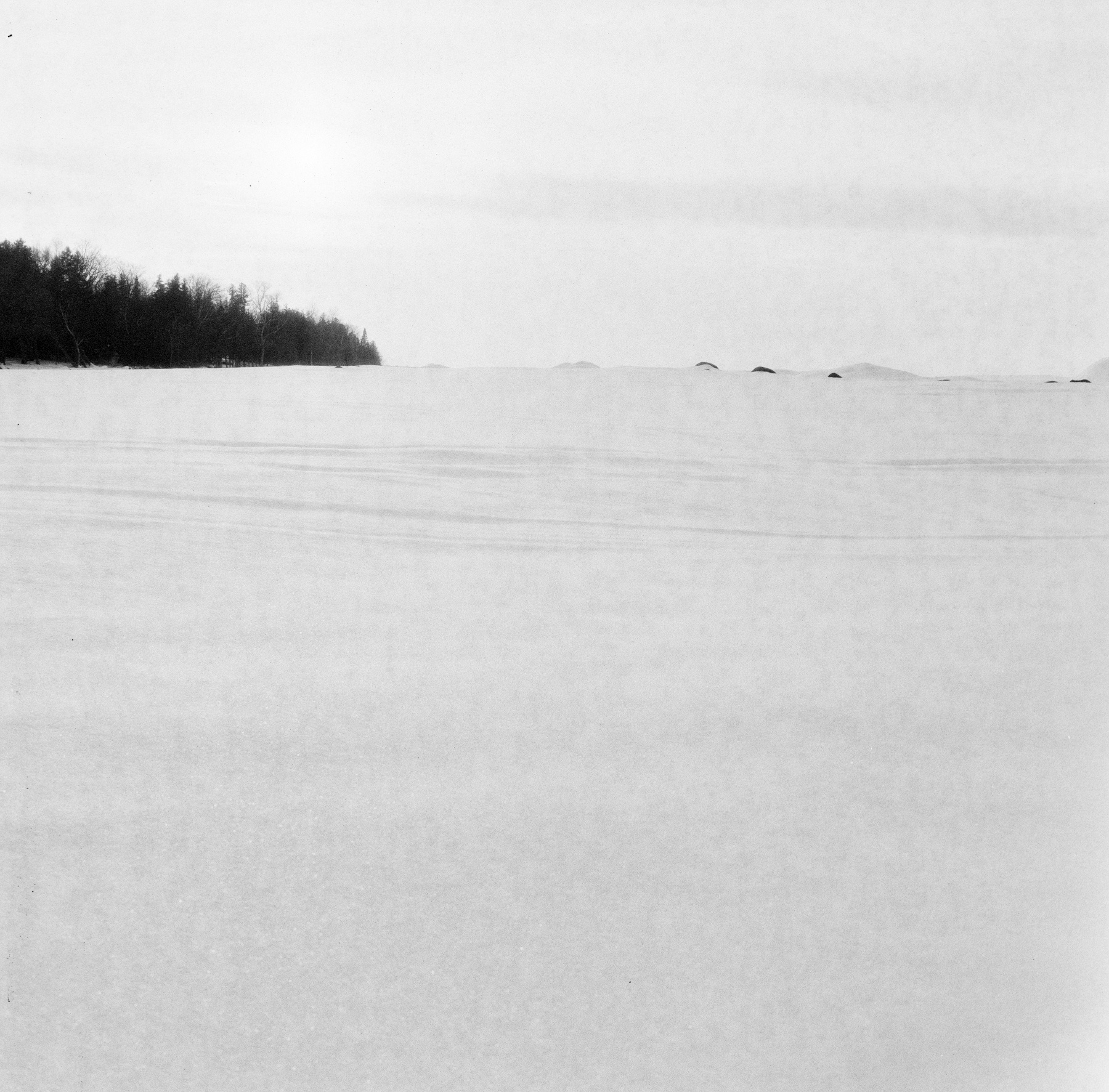
Awenda Provincial Park, located at the northern tip of the township, encompasses over 2,900 hectares of forested land and shoreline. While the park is a primary destination for summer campers—attracted by its waterfalls and the "waterslide" rock formations—the winter months transform the landscape into a high-albedo environment characterized by heavy lake-effect snow and frozen coastal waters. The transition from the high-traffic summer season to the isolation of February provides a unique opportunity for visual documentation of the region’s topography.
Technical Analysis of the Nikon FE System
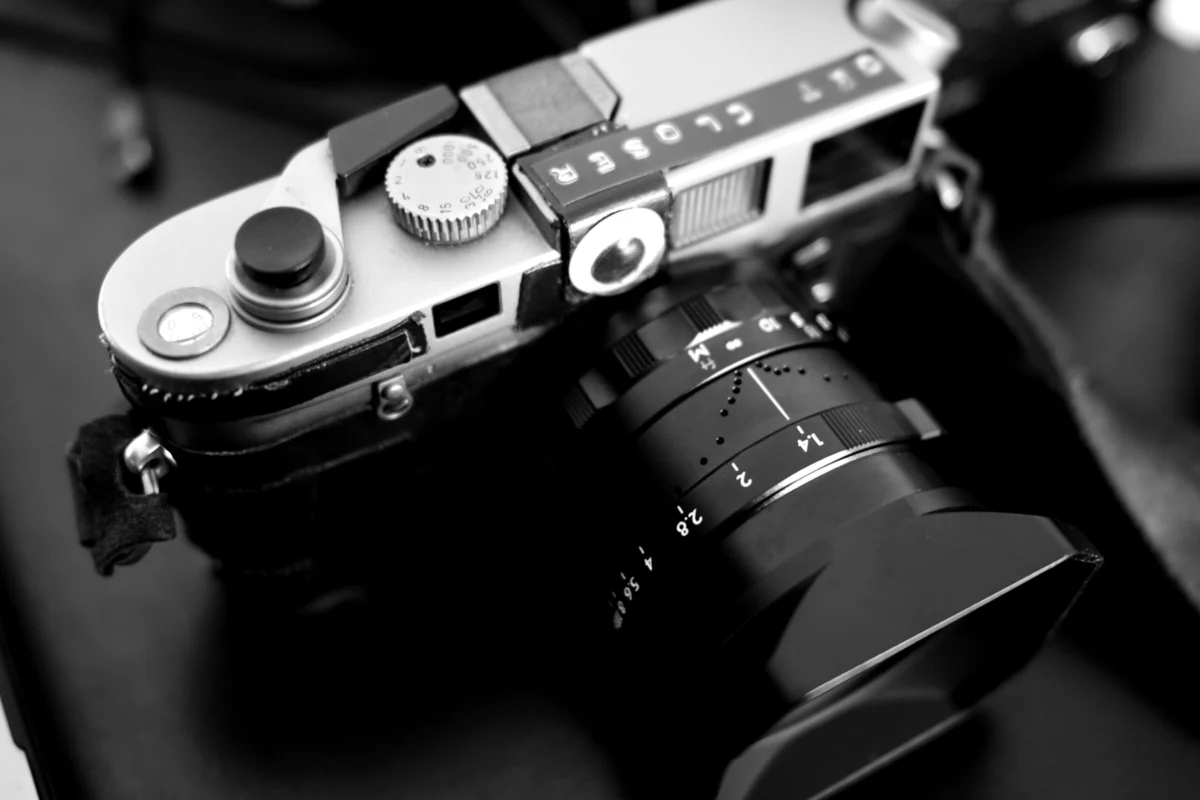
To document the winter landscape of Sawlog Bay, the use of the Nikon FE (produced between 1978 and 1983) offers a case study in late-20th-century optical engineering. Positioned as a "prosumer" or mid-level semi-professional SLR, the Nikon FE was designed to bridge the gap between the enthusiast-level FM and the professional F2 and F3 series. At its launch, the FE was noted for its advanced electronic shutter and aperture-priority auto-exposure system, which offered precision that outperformed many of its contemporary rivals.
The FE’s architecture is particularly suited for cold-weather operation due to its mechanical robustness. Although it relies on two 1.55V silver oxide batteries to power its electronic shutter (ranging from 8 seconds to 1/1000th of a second), it features a mechanical backup setting (M90) that allows for operation at 1/90th of a second even in the event of battery failure—a common occurrence in the sub-zero temperatures of a Simcoe County February.
The lens selected for the documentation, a 50mm f/1.8 Series E, represents a lightweight, compact "pancake" design. Despite being marketed as a more affordable alternative to the standard Nikkor line, the Series E optics maintain high resolution and contrast. The mechanical operation of these vintage lenses, often described as "buttery smooth," is attributed to the use of high-viscosity helicoid greases that, while prone to stiffening in extreme cold, provide tactile feedback essential for manual focusing in low-visibility winter conditions.
Experimental Film: The Science of Washi ‘F’
The choice of film for this winter expedition—Washi ‘F’—introduces a layer of technical complexity. Produced by Film Washi, a boutique manufacturer based in France and founded by Lomig Perrotin, this specific emulsion is not a traditional photographic film. Instead, it is a repurposed medical fluorographic X-ray film. Originally designed for the recording of X-ray images on fluorescent screens, its chemical composition and physical structure differ significantly from standard panchromatic films like Kodak Tri-X or Ilford HP5.
A defining characteristic of Washi ‘F’ is the absence of an anti-halation layer. In standard films, a dark coating (often RemJet or a dyed gelatin layer) is applied to the back of the film base to absorb light that passes through the emulsion. Without this layer, light reflects off the pressure plate of the camera and back into the emulsion, creating a "halation" effect—a glowing diffusion or "haze" around bright highlights. In the context of a snow-covered landscape, where the ground acts as a giant reflector, this lack of anti-halation results in a unique, ethereal aesthetic.
Furthermore, fluorographic film is known for its high grain structure and sensitivity to specific light spectra. The film is typically rated at ISO 100 but exhibits non-linear reciprocity failure, making exposure calculations difficult in the high-contrast environment of a frozen bay. The "graininess" praised by enthusiasts is a result of the large silver halide crystals required for medical imaging, which provide a texture that contrasts sharply with the smooth, clinical look of modern digital sensors.
Chronology of the Winter Expedition
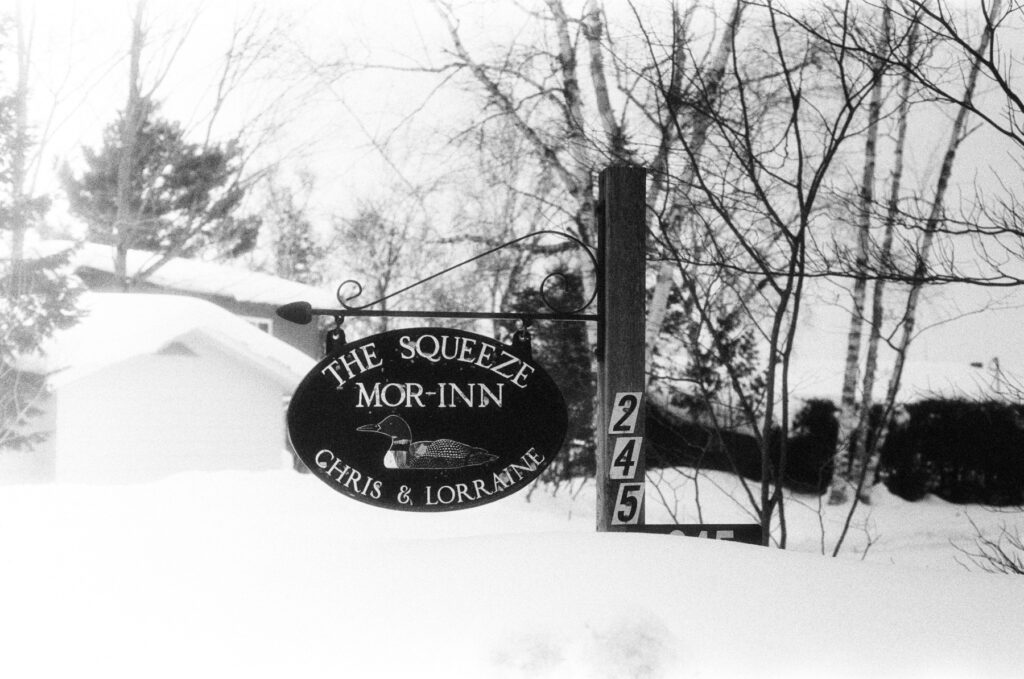
The documentation process took place over a long weekend in February, beginning with the transit from the Greater Toronto Area. The 160km route northward involves a transition from the urban sprawl of the 400-series highways to the secondary county roads of Simcoe, which are frequently subject to sudden "whiteout" conditions due to the region’s proximity to Georgian Bay and Nottawasaga Bay.
Upon arrival at the northern outskirts of Tiny Township, the expedition established a base of operations near the boundary of Awenda Provincial Park. The chronology of the field test included:
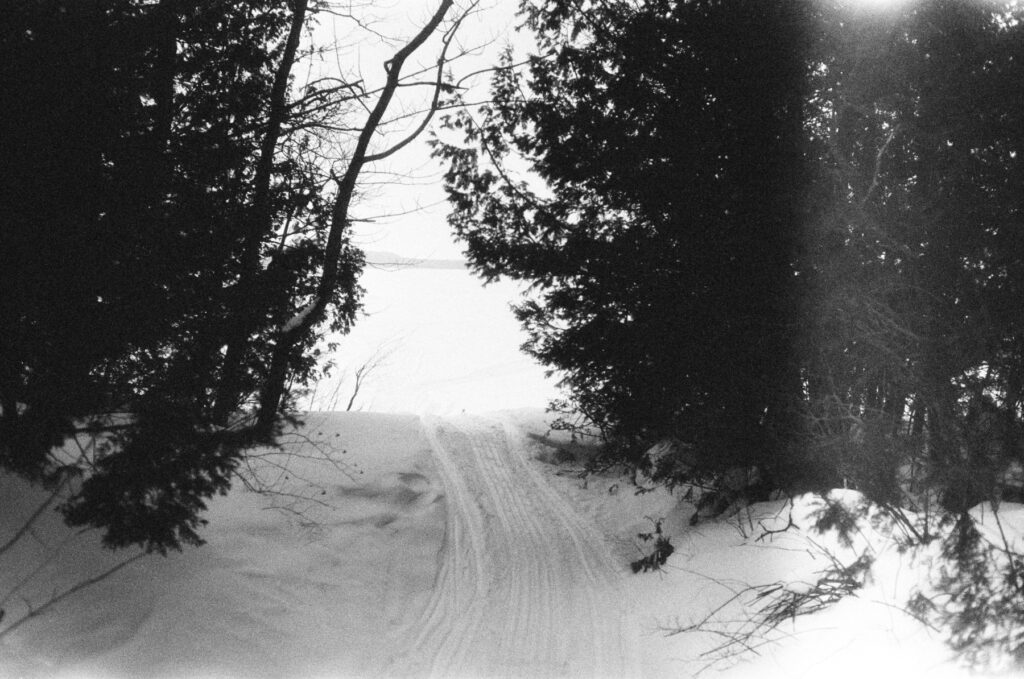
- Initial Coastal Assessment: Trekking across the frozen surface of Georgian Bay. In mid-winter, the lake ice can reach significant thicknesses, allowing for pedestrian transit. The objective was to capture the interface between the frozen lake and the mainland.
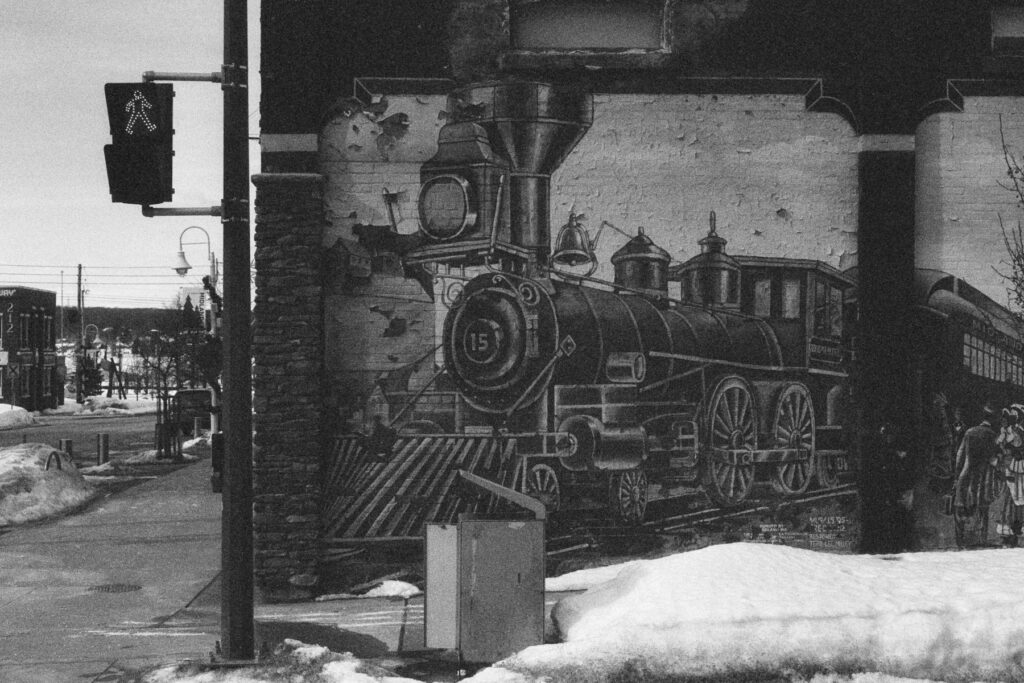
- Urban Documentation: Visits to the nearby towns of Penetanguishene and Midland. Midland is historically significant for its extensive collection of outdoor murals, which depict the town’s naval and indigenous history. The murals, while vibrant in summer, take on a different character when framed by several feet of snow.
- Architectural Study: Capturing historical landmarks such as the Saint Anne Roman Catholic Church in Penetanguishene. These structures serve as anchors of the 17th-century Jesuit influence in the region, known as Huronia.
- Technical Execution: Shooting the Washi ‘F’ film across both the Nikon FE and a medium format TLR (Twin Lens Reflex) camera to compare the emulsion’s performance across different formats.
Analysis of Results and Technical Failures
The results of the photographic experiment yielded significant data regarding the limitations of specialized emulsions in field conditions. Of a standard 24-exposure roll, approximately 25% of the frames (6 shots) were lost to fogging. As noted in the manufacturer’s technical specifications, the first several frames of Washi ‘F’ are highly susceptible to light piping and fogging due to the thinness of the film base and the lack of a protective leader in some hand-rolled batches.
Further analysis of the developed negatives revealed:
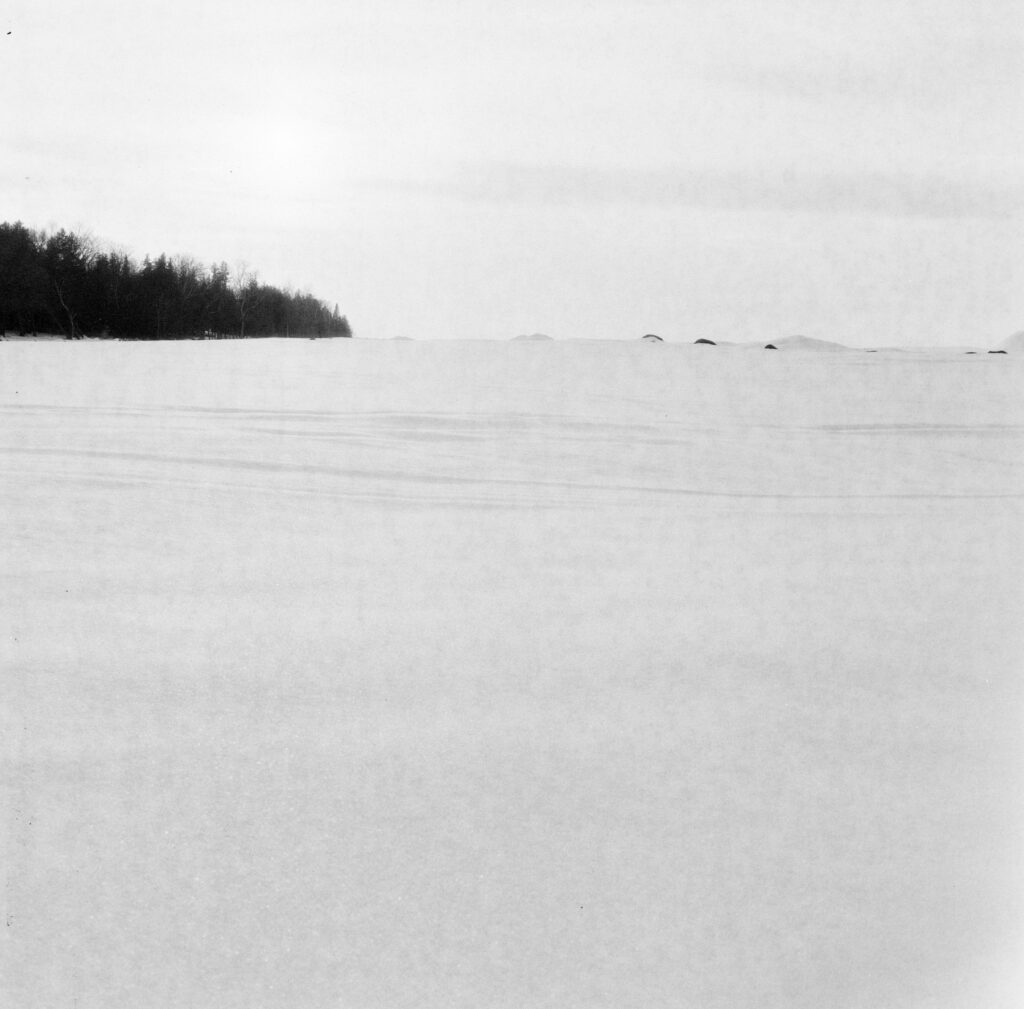
- Exposure Inconsistency: Despite the Nikon FE’s accurate center-weighted metering, many frames were either significantly under- or over-exposed. This suggests that the medical film’s sensitivity does not align perfectly with standard ISO ratings when used in natural light.
- Mechanical Light Leaks: Pronounced light leaks were observed, likely exacerbated by the high-reflectivity environment of the snow. These leaks, while often viewed as "artistic" in lo-fi photography circles, represent a failure of the light seals when subjected to the high-contrast light of a winter day.
- Resolution and Grain: The images confirmed the high-grain nature of the X-ray film. While the aesthetic is distinctive, the resolution was insufficient for detailed architectural or landscape analysis, reinforcing the film’s status as an "artistic" rather than "documentary" tool.
Broader Impact and Regional Implications
The documentation of Sawlog Bay and Tiny Township in winter highlights the economic and cultural shift of the region during the off-season. While the "gazillion marinas" of Midland and Penetanguishene remain dormant, the local economy relies on a smaller trickle of winter tourists and cottage owners. The preservation of historical sights, such as the murals of Midland, ensures that the region maintains its cultural identity even when the primary driver of tourism—water recreation—is suspended.
From a photographic perspective, the experiment underscores the ongoing "analog resurgence." The use of niche products like Film Washi represents a pushback against the perfection of digital imaging, seeking instead to capture the "feel" of a location through texture and imperfection. However, the high failure rate of the experiment serves as a cautionary tale for photographers: the use of repurposed industrial materials requires a higher degree of technical skill and environmental control than standard commercial products.
In conclusion, the winter landscape of Simcoe County remains a challenging but rewarding subject for study. Whether through the lens of 11,000 years of human history or the technical specifications of a 1970s SLR, the region offers a profound look at the endurance of both nature and human artifacts. The data gathered during this February expedition provides a baseline for future studies into the intersection of heritage, climate, and the evolving technology of visual documentation.