The preservation of cultural heritage often relies not on formal archives or government decrees, but on the serendipitous timing of a shutter click. A photograph taken approximately 45 years ago in the heart of a historic city’s coppersmith bazaar serves as a poignant record of a social and economic ecosystem that has largely vanished. This image, captured by a photographer in his late teens, documents a specific moment in the late 1970s—a period of transition for traditional urban markets across the globe. What began as an exercise in street photography has, nearly five decades later, become a vital ethnographic artifact that illustrates the shift from artisanal production to globalized retail.
The Anatomy of a Moment: A Narrative of the Bazaar
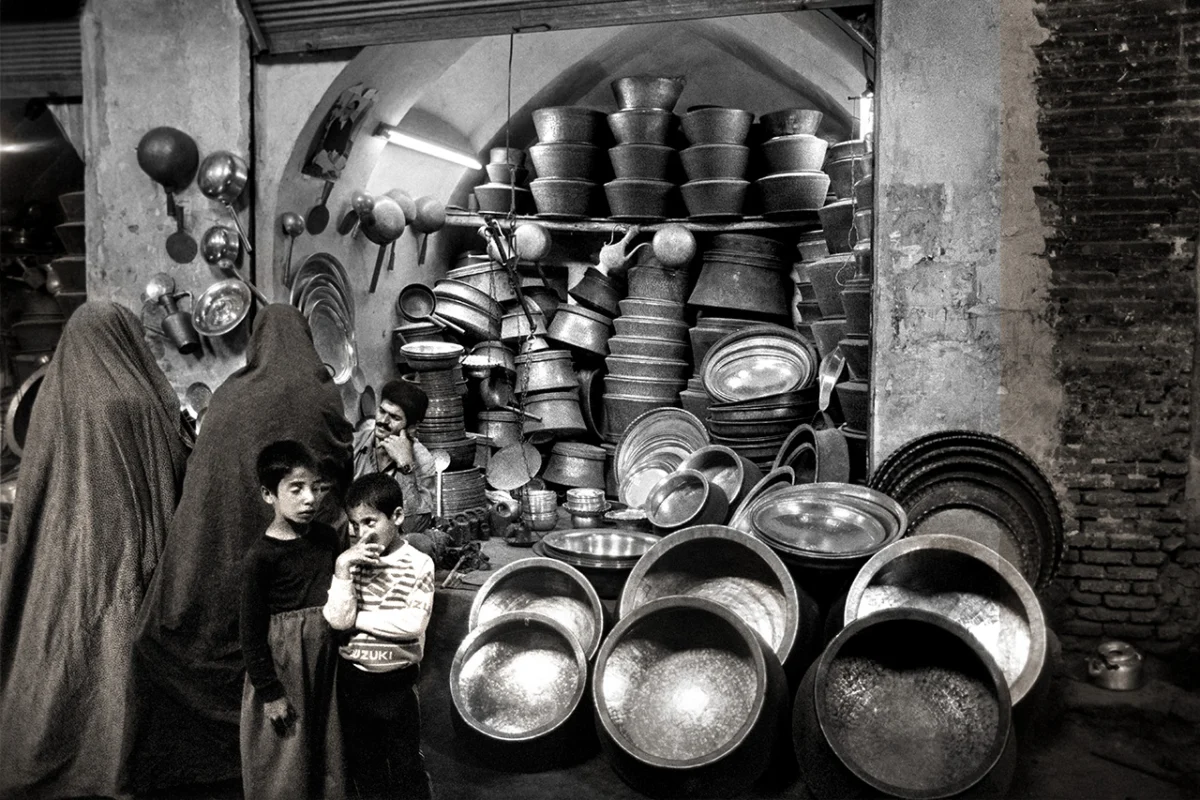
The photograph in question captures a multifaceted social interaction within a traditional coppersmith’s shop. The central figures include a shop owner and two young boys, while the presence of two women—engaged in an intense negotiation over the price of copperware—is felt just outside the frame’s immediate focus. The shop owner, visibly exhausted by the prolonged haggling, is depicted with a blank stare, a testament to the mental fatigue inherent in daily bazaar commerce. Beside him, two boys, likely the children of the customers, mirror each other’s expressions of profound boredom. Their choreographed weariness provides a candid look at the domestic reality of the era, where children often spent hours accompanying parents through the labyrinthine alleys of the marketplace.
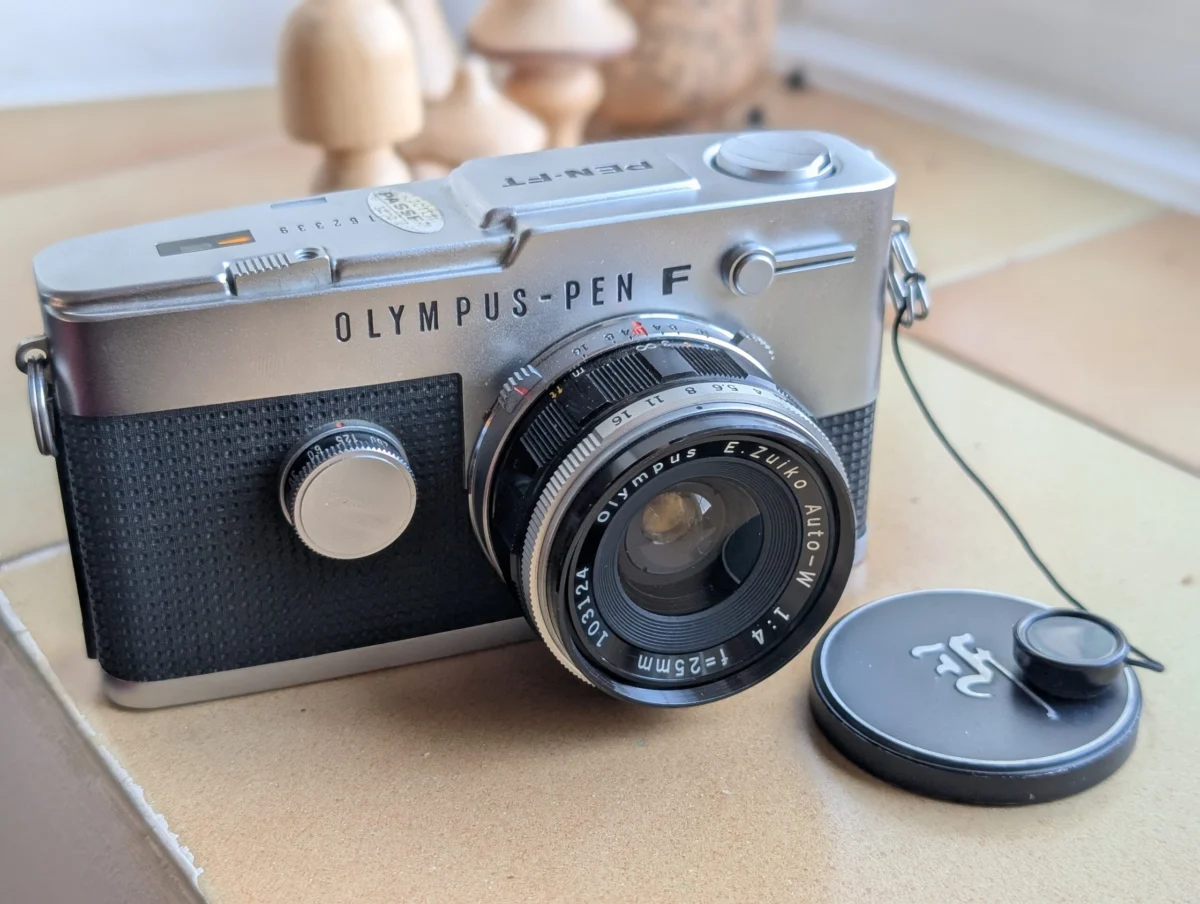
This scene was captured during a period when the photographer was exploring the philosophies of 20th-century masters. Influenced by the technical precision of Ansel Adams and the "decisive moment" concept pioneered by Henri Cartier-Bresson, the photographer utilized a Canon film camera equipped with a 28mm lens. The choice of Agfapan 400 black-and-white negative film was deliberate, intended to emphasize the interplay of light and shadow within the narrow, dimly lit corridors of the bazaar. The 28mm wide-angle lens allowed for an environmental portrait that captured not just the subjects, but the dense textures of the handcrafted copper goods that defined the shop’s identity.
Historical Context: The Coppersmiths’ Guilds and the Auditory Landscape
The bazaar featured in the photograph was once a hub of sensory intensity. In the mid-20th century, these districts were defined by the "symphony of the hammers." Coppersmithing (known as bakırcılık in various Mediterranean and Middle Eastern regions) was a trade that required immense physical labor and communal proximity. The noise of artisans hammering copper plates into pots, pans, and trays was so pervasive that it birthed local idioms. In many such cities, a common saying suggested that "boasting in the coppersmiths’ bazaar is no art," implying that the constant clamor rendered any individual voice—or any attempt at self-aggrandizement—meaningless.
Historically, these bazaars functioned under a guild system that dated back centuries. Each shop was not merely a retail outlet but a workshop where apprentices learned the trade from masters. By the time this photograph was taken in the late 1970s, this system was beginning to face unprecedented pressure from industrialization. The introduction of aluminum, stainless steel, and eventually plastic kitchenware offered cheaper, lighter, and more easily maintained alternatives to traditional copper.
A Chronology of Transformation
The decline of the traditional bazaar can be traced through several distinct phases of urban and economic evolution:
- The Golden Age (Pre-1950s): Bazaars were the primary centers of commerce. Production and sale happened in the same location. Artisanal skills were passed through generations, and the "haggling culture" was a formalized social ritual.
- The Industrial Incursion (1950s–1970s): Mass-produced household goods began to enter the market. While traditional copper remained prestigious, its utility began to be questioned. This is the era captured in the photograph—a time when the bazaar was still vibrant but starting to show signs of the coming shift.
- The Era of Globalization (1980s–2000s): The liberalization of trade led to an influx of inexpensive imports. Traditional workshops found it difficult to compete with the price points of factory-made goods. Many artisans closed their shops, and the younger generation began seeking employment in modern service sectors rather than pursuing difficult, low-paying apprenticeships.
- The Modern Homogenization (2010s–Present): Historic bazaars have largely been "revitalized" for tourism. Authentic workshops have been replaced by remodeled storefronts selling mass-produced clothing, souvenirs, and electronics, often imported from manufacturing hubs like China. The unique auditory and olfactory identity of the coppersmiths’ alley has been replaced by the sanitized atmosphere of modern retail.
Supporting Data: The Economic Shift
The transition mentioned by the photographer—the replacement of copperware with "Chinese goods"—is supported by global trade data. According to economic reports on traditional crafts in the Middle East and Central Asia, the number of active copper workshops in major historic cities has declined by over 80% since the 1970s. For instance, in cities where hundreds of hammers could once be heard simultaneously, often fewer than a dozen master smiths remain, primarily producing decorative items for the tourist trade rather than functional cookware for local residents.
Furthermore, the rise of synthetic materials significantly impacted the copper market. Between 1970 and 1990, the global production of plastic household goods increased by nearly 500%, directly displacing the demand for hand-forged metal containers. This economic reality forced the "remodeling" of the bazaar that the photographer laments; when the craft is no longer viable, the real estate is repurposed for high-turnover consumer goods.
Professional Analysis: Photography as an Archive of Loss
From a journalistic and sociological perspective, the value of this photograph lies in its ability to document "unposed reality." In the 1970s, the photographer’s focus on the bored expressions of the children and the blank stare of the shopkeeper captured a truth that official city records often overlook: the sheer exhaustion and mundane reality of traditional commerce.
The "decisive moment" in this image is not an action, but a collective state of being. It captures the friction between the older generation (the women haggling) and the younger generation (the boys looking on). The boys’ detachment can be seen as a metaphor for the coming decades, where the youth would eventually detach entirely from the traditions of the bazaar in favor of a modernized, globalized lifestyle.
Experts in urban preservation often cite such photographs as essential tools for "memory mapping." When a physical location is remodeled and its original purpose erased, visual records become the only evidence of the site’s "spirit of place" (genius loci). The loss of the coppersmiths’ bazaar represents more than just a change in merchandise; it represents the loss of an acoustic heritage and a specific form of social interaction that cannot be replicated in a modern mall or a digital marketplace.
Broader Implications and Cultural Impact
The transformation of the bazaar is a microcosm of a global trend toward urban homogenization. As cities seek to modernize and cater to international tourism, they often risk "Disneyfication"—a process where the outward appearance of history is maintained, but the authentic social and economic activities that created that history are removed.
The photographer’s observation that the bazaar "no longer looks the way it did" reflects a widespread sentiment among urban historians. The replacement of local artisans with standardized retail outlets leads to a "placelessness" in modern cities. A coppersmith’s bazaar is unique to its geography and culture; a store filled with mass-produced clothing is interchangeable with any other store in any other city in the world.
In conclusion, this 45-year-old photograph serves as a bridge between two worlds. It captures the final chapters of a centuries-old way of life, documented through the lens of a young artist who was, perhaps unknowingly, recording the end of an era. As traditional crafts continue to vanish, such images remain the primary means by which future generations can understand the texture, sound, and human complexity of the historic marketplace. The photograph is not merely an aesthetic achievement in black-and-white film; it is a critical piece of evidence in the ongoing narrative of cultural evolution and the high cost of modernization.