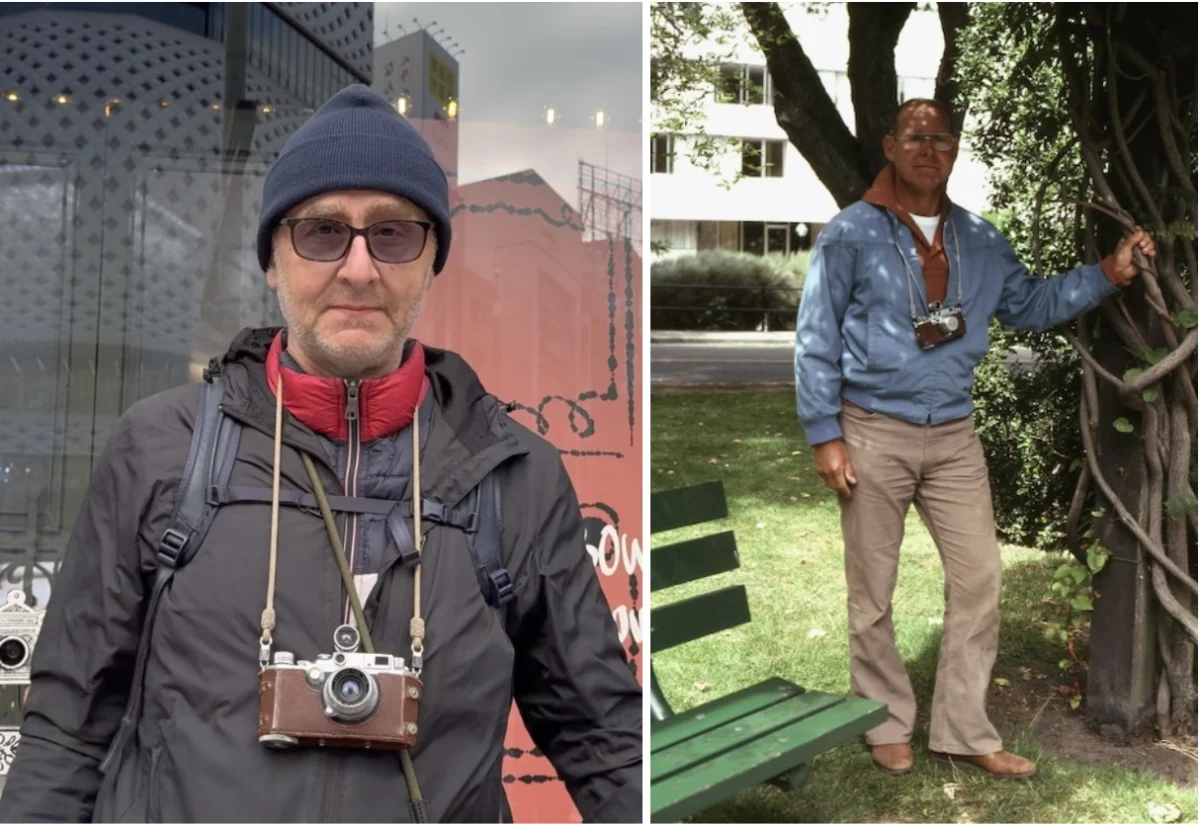
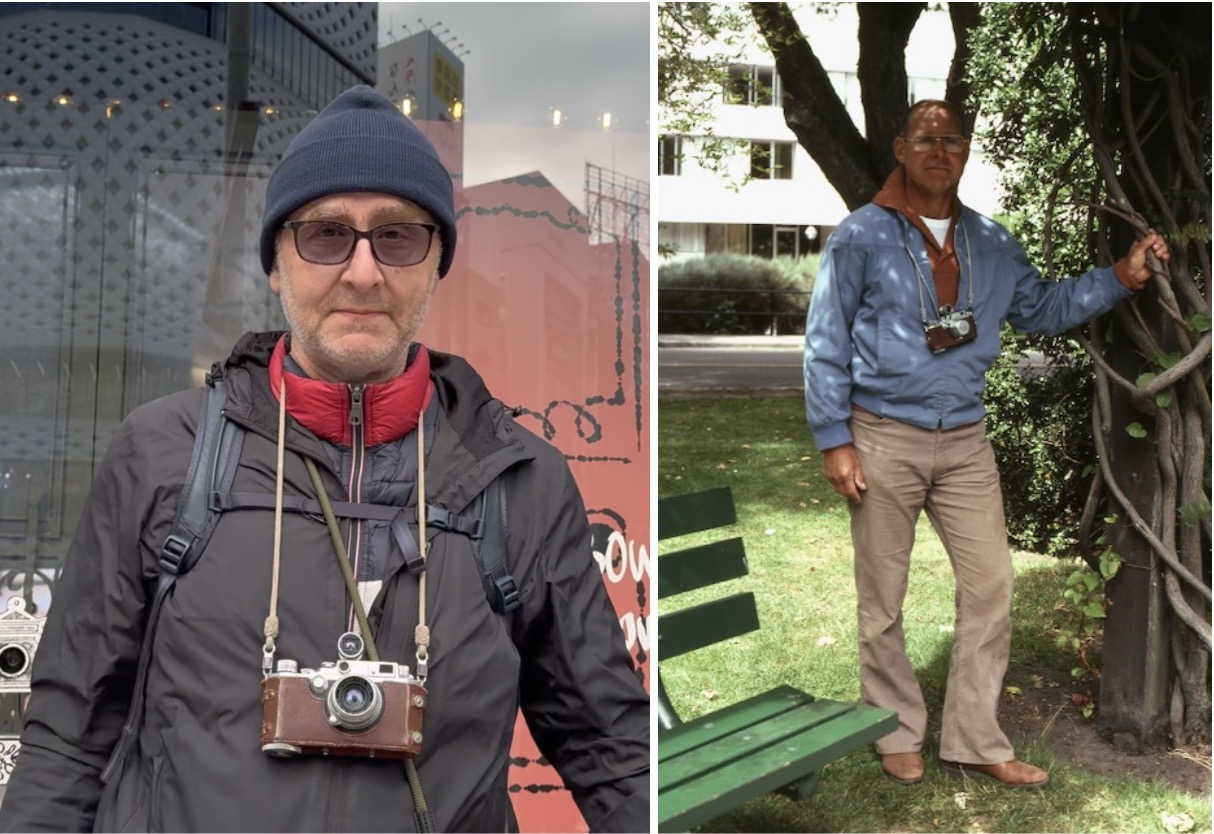
In December 2025, a significant historical and personal milestone was reached on the streets of Tokyo’s Ginza district as a 72-year-old Canon IID1 rangefinder returned to its place of origin. Carried by the son of its original owner, the camera served as a bridge between two eras: the post-Korean War reconstruction of Japan and the modern digital age. This journey represents more than a personal retracing of steps; it highlights the enduring nature of mechanical precision and the role of photography as a multi-generational archival tool.
The Genesis of a Photographic Legacy: Tokyo 1953
The story of the Canon IID1 began in the early 1950s during the height of the Korean War. Arnold Follstad, a member of the 8th Medical Group stationed in Korea, utilized his Rest and Recuperation (R&R) leave to visit Tokyo. At the time, Japan was in the nascent stages of its post-World War II economic recovery, and its optical industry was beginning to gain international recognition for quality that rivaled German manufacturers.
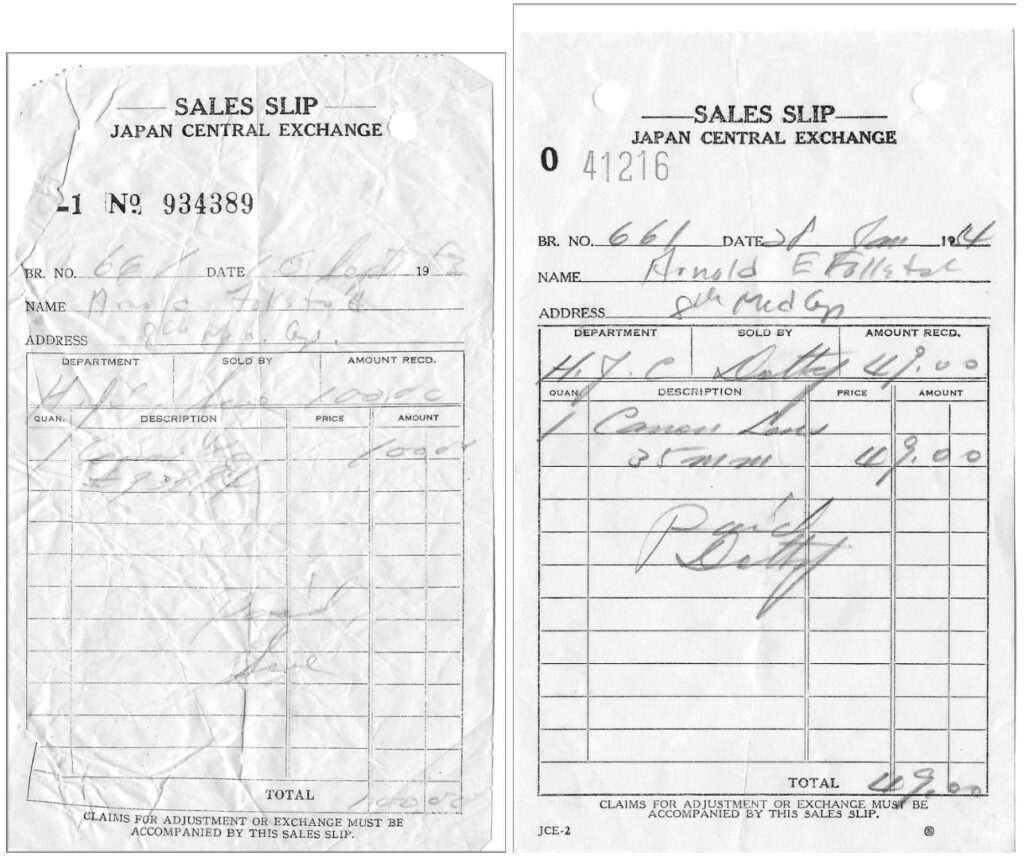
According to original sales receipts preserved for over seven decades, Follstad purchased the Canon IID1 body (serial number 93994) on September 16, 1953. The transaction took place at the Tokyo Post Exchange (PX) for a sum of $100.00. Adjusted for inflation, this represents a significant investment of approximately $1,150 in 2024 currency. Follstad later returned to the PX on January 28, 1954, to supplement the kit with a 35mm lens for $49.00.
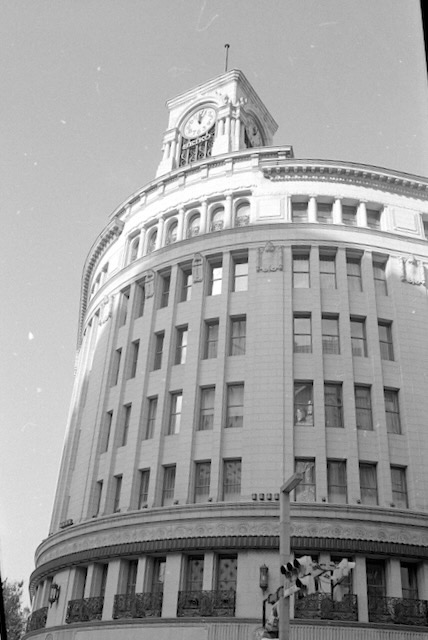
The Tokyo PX was a central hub for American servicemen during the occupation and the subsequent Korean War era. While historical records indicate a transition of some PX facilities from the Ginza to Yokohama in late 1953, the primary location for such high-end electronics and optics was the iconic Wako Building, then known as the Hattori Tokeiten. Situated at the Yonchome corner of the Ginza, this building survived the Allied bombing of Tokyo and served as a landmark for both residents and foreign military personnel.
Technical Specifications: The Canon IID1 Rangefinder
The Canon IID1 belongs to a prestigious lineage of "Leica-style" rangefinders produced by the Canon Camera Company (formerly Seikikosha). Introduced in the early 1950s, the IID1 featured a coupled rangefinder and an interchangeable lens system using the M39 Leica Thread Mount (LTM).

The 35mm f/2.8 lens purchased by Follstad in 1954 was a staple of the era, offering a wide-angle perspective that was ideal for street photography and documenting urban environments. Because the IID1’s built-in viewfinder did not include frame lines for a 35mm focal length, the kit necessitated an external optical viewfinder mounted to the camera’s accessory shoe—a piece of equipment that remains functional and part of the collection today.
The longevity of these mechanical devices is a testament to mid-century engineering. Unlike modern digital cameras, which rely on volatile software and degrading electronic components, the IID1 is a purely mechanical instrument. Its operation depends on a series of gears, springs, and silk-based shutter curtains. In 2009, the camera underwent a comprehensive "Clean, Lubricate, and Adjust" (CLA) service by renowned technician Gerry Smith at Kinderman in Toronto, ensuring its continued reliability for another generation.
Chronology of Transfer and Use
The history of this specific Canon IID1 is marked by several key dates that illustrate its transition from a soldier’s tool to a family heirloom:
- 1953–1954: Initial purchase by Arnold Follstad in Tokyo.
- 1960–1979: The camera is used sporadically as the family settles in the Midwestern United States.
- 1979: Arnold Follstad recognizes his son’s growing interest in photography. At age 15, the son receives his own first camera, a Canon FTb with a 50mm f/1.4 lens.
- Late 20th Century: The Canon IID1 system, including original receipts and accessories, is officially gifted to the son as his interest in the medium matures.
- 2009: Professional restoration of the IID1 is completed, returning the camera to full operational status.
- 2023: The camera is used to document the final months of Arnold Follstad’s life at age 94.
- 2025: The camera returns to the Ginza, Tokyo, for a commemorative photo essay.
The 2023 Ektachrome Project: A Final Document
In 2023, as Arnold Follstad’s health declined, the Canon IID1 was employed for a deeply personal documentary project. Over the course of several months, the photographer accompanied his father on weekly trips to locations of historical significance to their family, including their first family home and the St. Croix River in Stillwater, Minnesota.
The photographer chose to use Kodak Ektachrome, a professional-grade color reversal (slide) film known for its high saturation and fine grain. This choice of medium was significant, as slide film was the standard for high-quality documentation during the mid-20th century when the camera was new. Ten rolls of film were successfully exposed, capturing the 94-year-old Follstad in the environments that defined his post-service life.
However, the project faced a setback during the processing of the eleventh roll, which contained images from Follstad’s funeral. Due to a laboratory error at Dwayne’s Photo—a facility famously known for being the last to process Kodachrome—the final roll was destroyed. This incident highlights the inherent risks and the fragile nature of analog photography, where the physical medium is the sole repository of the captured light.
The Ginza Return: Analyzing the 2025 Expedition
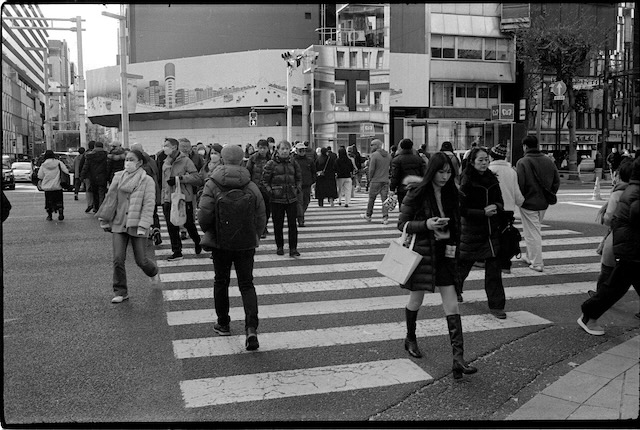
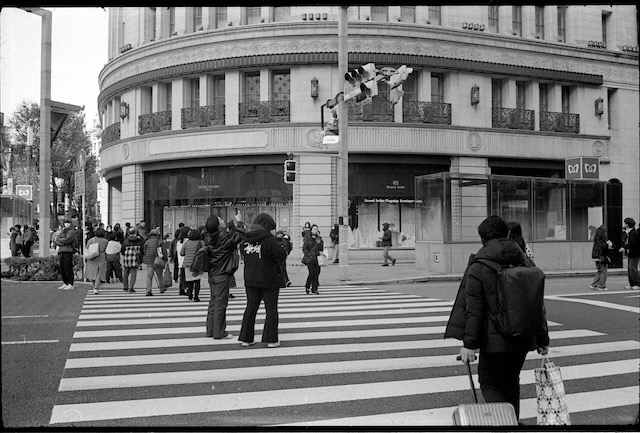
In December 2025, the photographer traveled to Japan to complete the narrative arc of the camera. Standing at the Yonchome intersection in the Ginza, he utilized the same Canon IID1 and 35mm lens his father had used 72 years prior.
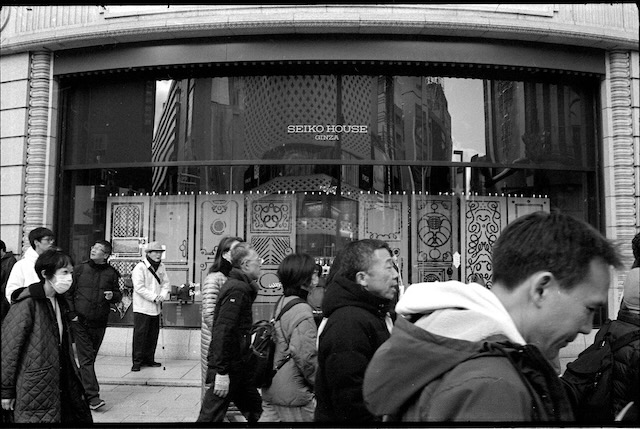
The Ginza has undergone radical transformation since 1953, evolving into one of the world’s most expensive and modern shopping districts. Yet, the Wako Building remains a constant. By photographing the same facades and street corners that appeared in his father’s early negatives, the photographer created a visual dialogue across seven decades.
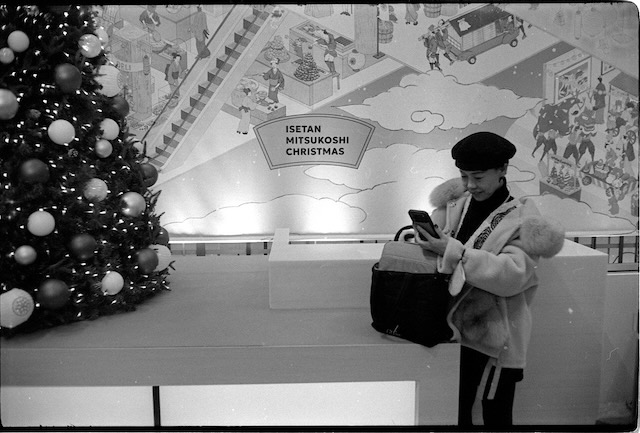
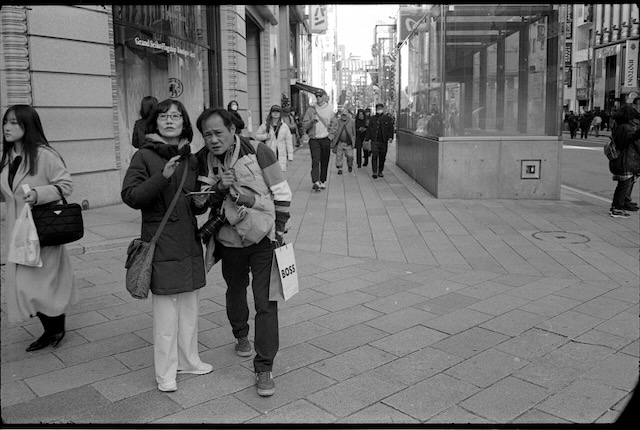
For this final leg of the project, the photographer shifted from color transparency film to Kodak Tri-X, a classic black-and-white film that has been in production since 1954. The use of Tri-X provided a tonal bridge to the 1950s aesthetic. The photographer processed and scanned the 36 exposures personally, ensuring the integrity of the "perfect frames" that now serve as the conclusion to the family’s photographic history.
Broader Implications: The Value of Tangible Heritage
The story of the Follstad Canon IID1 resonates within the broader context of archival science and the history of technology. In an era dominated by "planned obsolescence," where consumer electronics are designed for a three-to-five-year lifespan, the 72-year functionality of a mechanical camera is an anomaly.
Preservation of History
The existence of the original receipts from the 8th Medical Group adds a layer of primary-source historical value. These documents provide insight into the purchasing power of U.S. servicemen in occupied Japan and the specific logistical operations of the PX system during the transition back to Japanese home rule in 1952-1954.
The Psychological Impact of Shared Hobby
The narrative also underscores the role of shared interests in bridging generational gaps. While the photographer noted a lack of commonality with his father’s interests in automotive repair or sports, the shared "language" of photography—f-stops, shutter speeds, and darkroom chemistry—provided a lifelong connection. This connection culminated in the 2023 project, where the camera became a tool for closure and remembrance.
The Resilience of Analog Media
Despite the catastrophic loss of the funeral roll, the success of the other ten rolls and the 2025 Tokyo frames reinforces the resilience of analog media. When stored correctly, film negatives can last for over a century, outliving digital file formats that may become unreadable due to software evolution or hardware failure.
Conclusion
The return of the Canon IID1 to the Ginza in 2025 serves as a powerful testament to the intersection of personal memory and global history. Through the preservation of both the equipment and the resulting imagery, a continuous thread has been maintained from a medical group in Korea in 1953 to the bustling streets of modern Tokyo. As the photographer prepares to document the second part of this journey in Korea, the legacy of Arnold Follstad remains firmly etched in silver halide, proving that some objects are not merely tools, but vessels for the human experience.