The global photography landscape is witnessing a significant shift as mid-career professionals increasingly turn to analog technology to combat digital fatigue and navigate life transitions. A recent case study involving photographer Josh Baker highlights a growing trend where individuals utilize the tactile constraints of film photography to address existential questions and the psychological phenomenon known as the "midlife transition." Baker, who recently reached the milestone age of 41, has documented a transformative journey from ubiquitous smartphone photography to the disciplined practice of shooting and developing motion-picture-grade black-and-white film. This shift, occurring between May 2025 and early 2026, underscores a broader cultural movement seeking "alignment" and "presence" through antiquated yet resilient technologies.
Chronology of a Creative and Existential Shift
The transition began in May 2025, a period Baker describes as a "season of ennui." The catalyst for change was the receipt of a legacy Nikon D3000 digital SLR, gifted by his mother. Despite decades of utilizing mobile device cameras, the introduction of a dedicated optical tool prompted an immediate reassessment of his creative trajectory. This initial phase was marked by a rapid progression through hardware limitations. By mid-2025, Baker had upgraded to a Nikon D7500, a more robust digital body, before ultimately seeking the "tactile stimulus" of analog film—a return to a medium he had first encountered in high school darkrooms.
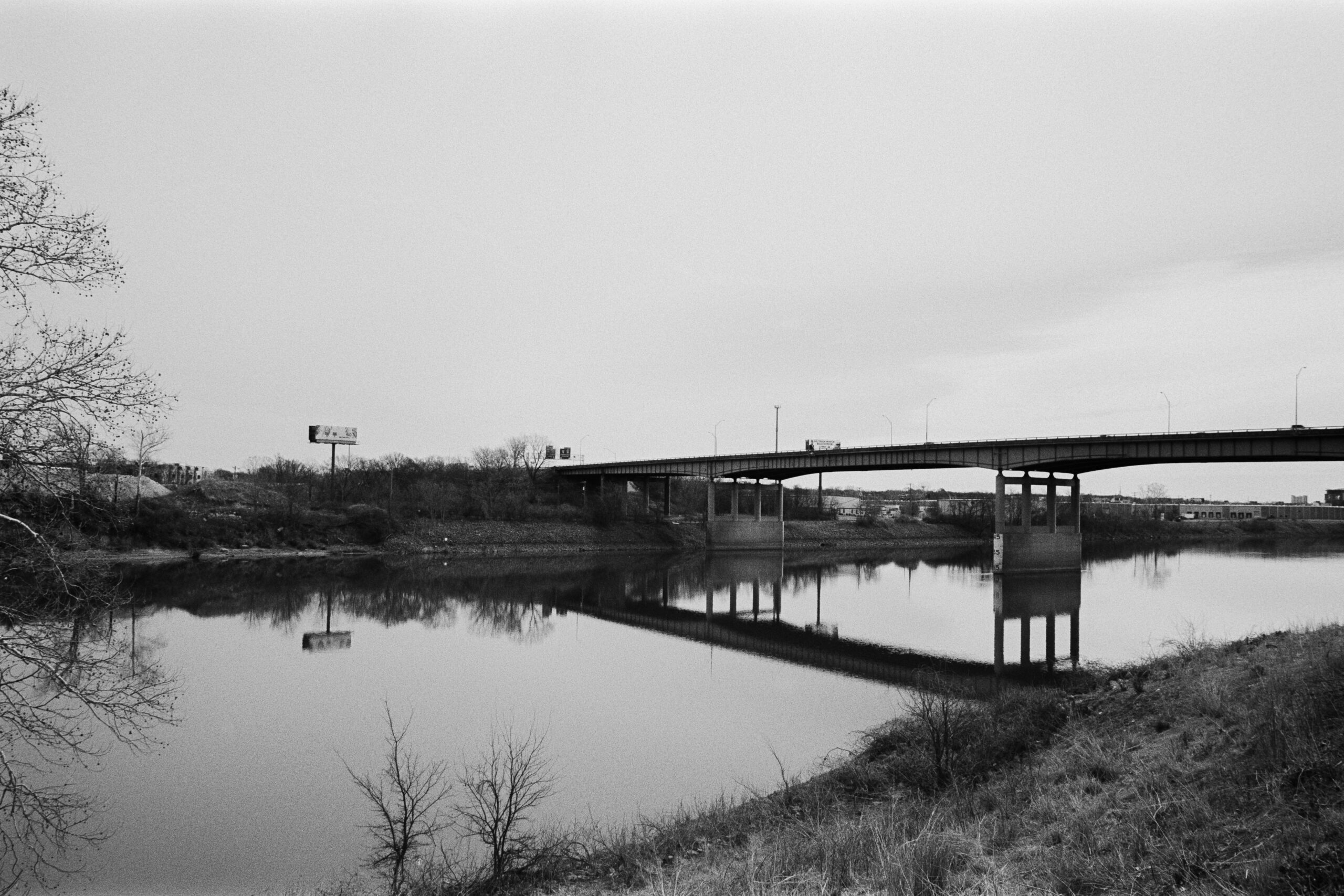
The most intensive phase of this development occurred between late November 2025 and late February 2026. During this three-month window, Baker processed 45 rolls of film, a high-volume output that prioritized learning over aesthetic perfection. This period was characterized by rigorous experimentation with various film stocks, lighting conditions, and exposure techniques. By March 2026, the practice had evolved from a hobby into a meditative framework, allowing for a "beginner’s mind" approach that Baker reports has positively influenced his professional career and personal relationships.
Technical Analysis of the Analog Workflow
A central component of this resurgence is the utilization of specific vintage hardware and specialized film emulsions. Baker’s primary tool during this period was the Nikon FM2-N, a legendary manual-exposure camera known for its mechanical reliability and high shutter speeds. The choice of the FM2-N is significant within the photographic community; it represents a rejection of automated "point-and-shoot" convenience in favor of total manual control.
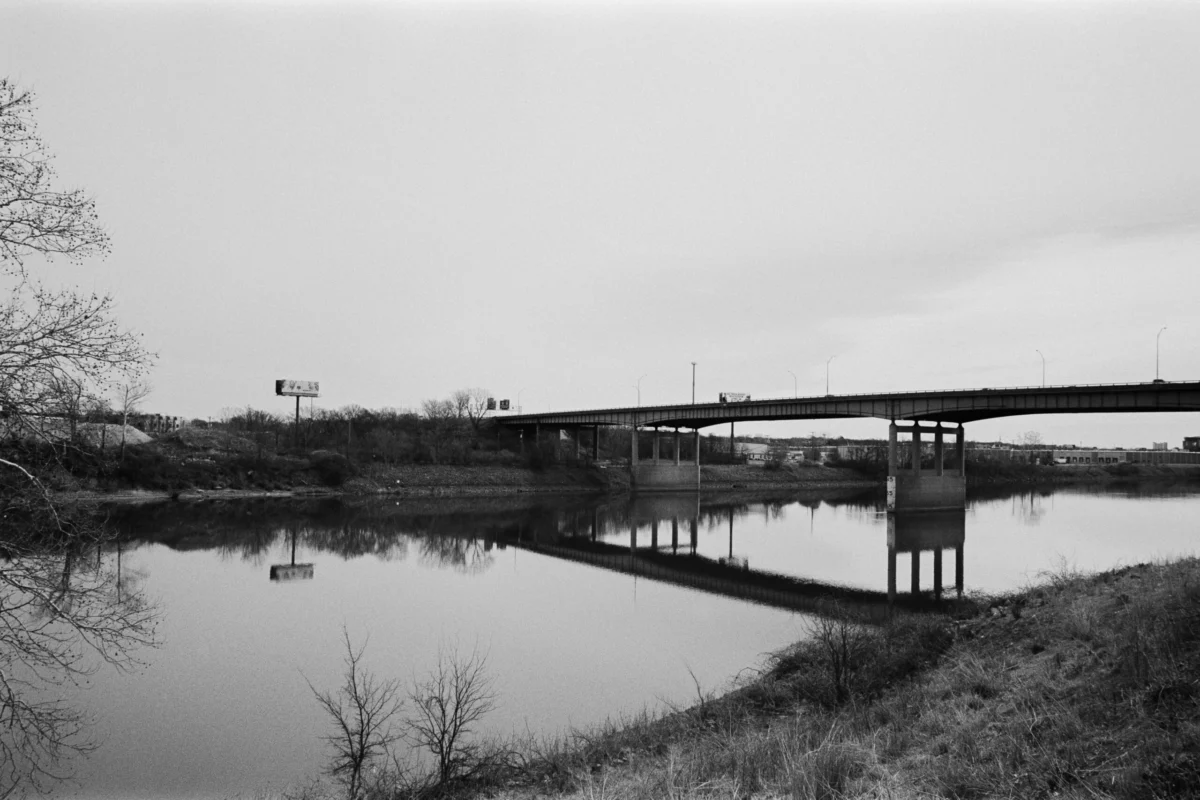
The specific film stock utilized in the documented frames is Kodak Double-X (5222), a classic black-and-white motion picture film that has been used in cinema since the 1950s. By using this stock, photographers tap into a specific aesthetic lineage associated with mid-century journalism and noir cinema. Baker’s methodology involved "pushing" the film—a technique where the film is exposed at a higher ISO than its native rating and then developed for a longer duration to increase contrast and grain.
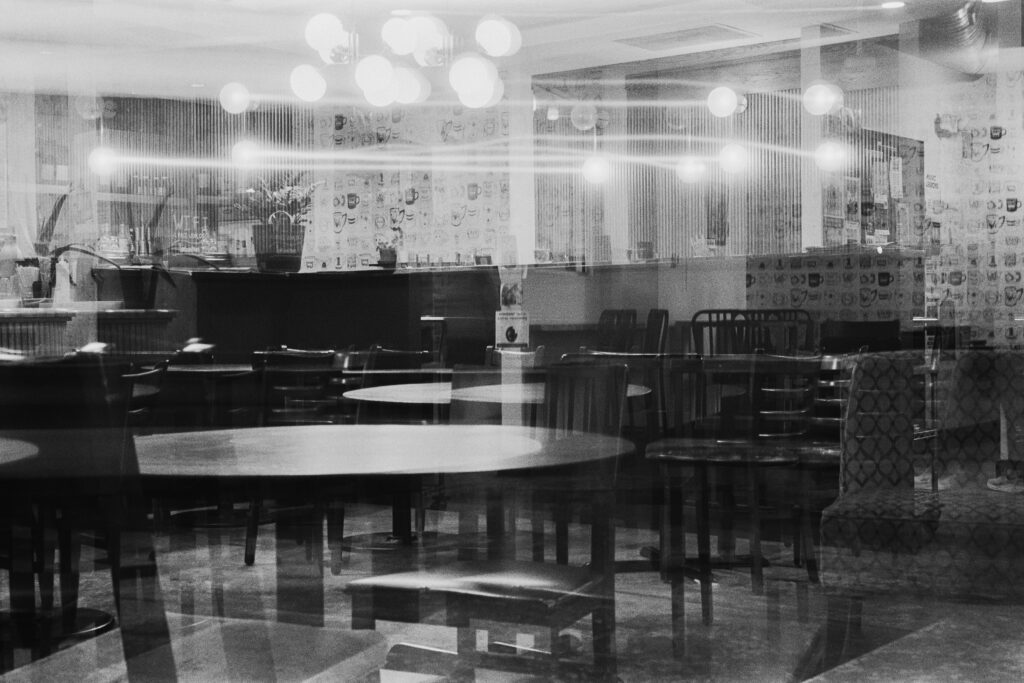
Supporting data for the technical process includes:
- Film Stock: Kodak Double-X (5222), pushed +1 and +2 stops.
- Developer: Kodak D-76, a standard industry developer known for providing full film speed and excellent grain structure.
- Lenses: Nikkor 50mm f/1.8 (standard perspective) and Nikkor 28mm f/2.8 (wide-angle perspective).
- Processing: Manual agitation in a Paterson tank, followed by home-drying in a controlled environment.
This "kitchen-sink" chemistry approach reflects a desire for agency over the entire image-making pipeline, a stark contrast to the opaque algorithms of modern smartphone processing.
Market Trends and the Growth of the Film Industry
The individual experiences of photographers like Baker are mirrored in global market data. After nearly two decades of decline following the "digital revolution," the analog photography market has stabilized and is currently experiencing a period of sustained growth. Industry reports from 2024 and 2025 indicate that the demand for 35mm film has outpaced production capacity for several major manufacturers, including Kodak Alaris and Ilford Photo.
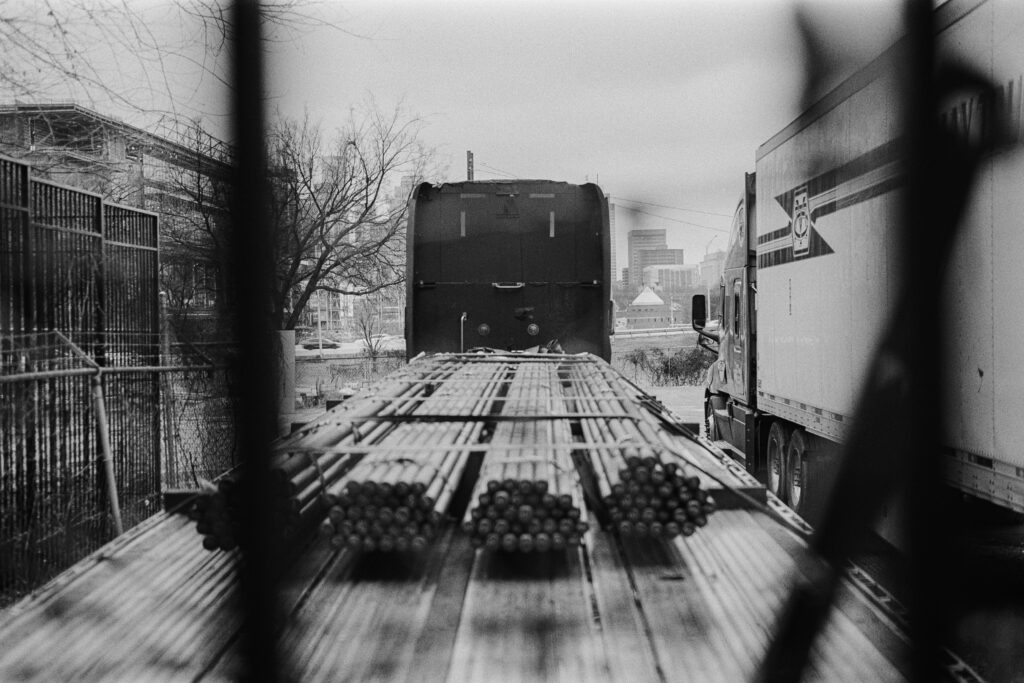
Several factors contribute to this economic trend:
- Digital Saturation: As professional and personal lives become increasingly tethered to screens, the "analog revival" offers a necessary sensory contrast.
- Longevity and Archiving: Unlike digital files, which are subject to bit rot and format obsolescence, physical negatives offer a tangible archival record. Baker’s reference to his "zippered binders containing negatives" as "contemporary cave paintings" aligns with the archival concerns of many modern creators.
- The "Second-Hand" Economy: The market for vintage cameras like the Nikon FM2-N has seen a price increase of approximately 15-20% annually over the last three years, driven by a new generation of enthusiasts and mid-life "re-starters."
Psychological Impact: The "Beginner’s Mind" and Perfectionism
Sociologists and psychologists have noted that the "slow" nature of film photography serves as an effective intervention for the high-stress, high-performance expectations of modern life. For Baker, a self-described "harsh critic of himself," the inherent risk of film—where an error in exposure or development can result in a total loss of the image—transformed the nature of failure.
By treating "failure as information rather than indictment," Baker adopted what Zen Buddhism and modern psychology refer to as the "beginner’s mind" (shoshin). This state of openness and lack of preconception is particularly valuable for individuals in their 40s, a demographic often burdened by the pressure of expertise and established reputation. The shift from "chasing keepers or algorithmic candy" to seeking a fundamental "understanding of light" represents a move toward intrinsic motivation rather than external validation (such as social media "likes").

Broader Implications for the Future of Creative Media
The narrative of Josh Baker is indicative of a wider "Existential Photography" movement. This movement posits that the value of an image lies not in its social reach, but in its ability to document the "fragile carbon suit" of human existence. As artificial intelligence (AI) begins to dominate the field of digital image generation, the role of the human photographer is shifting toward the "witness."
Analog photography, which requires a physical presence and a chemical reaction with light, provides a "proof of existence" that digital media can no longer guarantee. The rise of "troll farms" and AI-generated content has created a vacuum of authenticity that analog processes are uniquely positioned to fill. Industry analysts suggest that in the coming years, we will see a further bifurcation of the market: digital tools will be used for high-speed commercial utility, while analog tools will be reserved for personal legacy, artistic expression, and mental health maintenance.
Conclusion: Documentation as a Life Strategy
As Baker approaches the "back half" of his life, his reliance on the Nikon FM2-N and Kodak Double-X serves as a metaphorical compass. The act of slowing down to study midtones and restraint is more than a technical exercise; it is a strategy for navigating the complexities of aging and the uncertainties of the future.
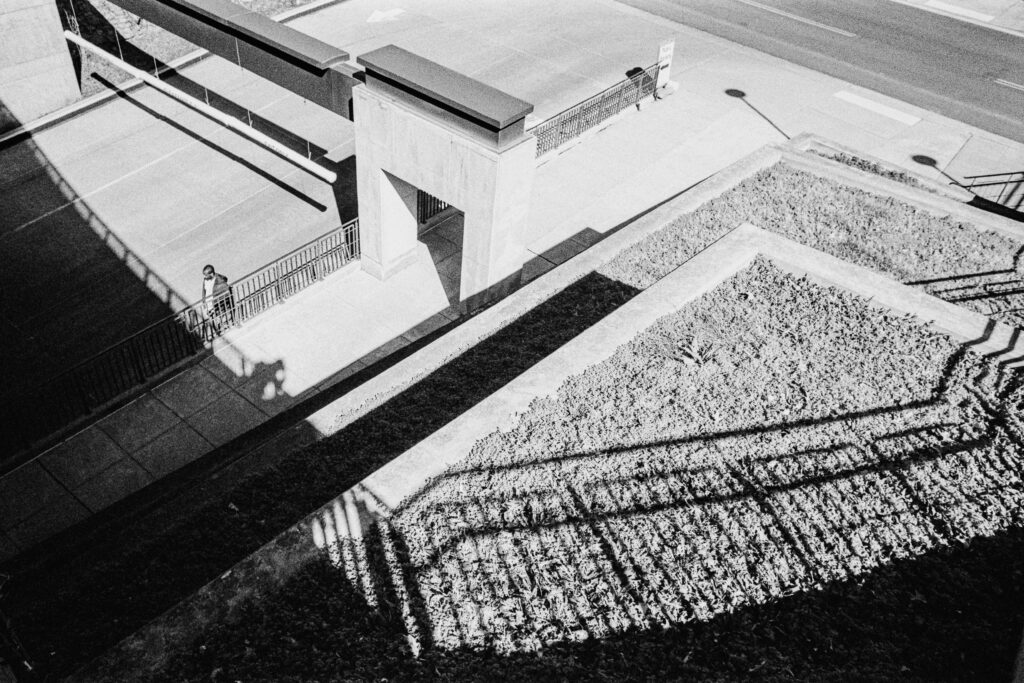
The data suggests that this is not a temporary "fad" but a fundamental recalibration of how humans interact with technology. By choosing a medium that requires patience, chemical interaction, and physical storage, individuals are reclaiming their time and their memories from the ephemeral nature of the cloud. Baker’s "45 rolls of film" are not merely images; they are data points in a larger experiment on how to live a meaningful life in a post-digital world.
The findings of this case study recommend that organizations and mental health professionals consider the "tactile arts" as a viable path for those experiencing career burnout or existential distress. As we move further into the late 2020s, the "contemporary cave paintings" of the analog photographer may prove to be the most durable records of our collective human experience.