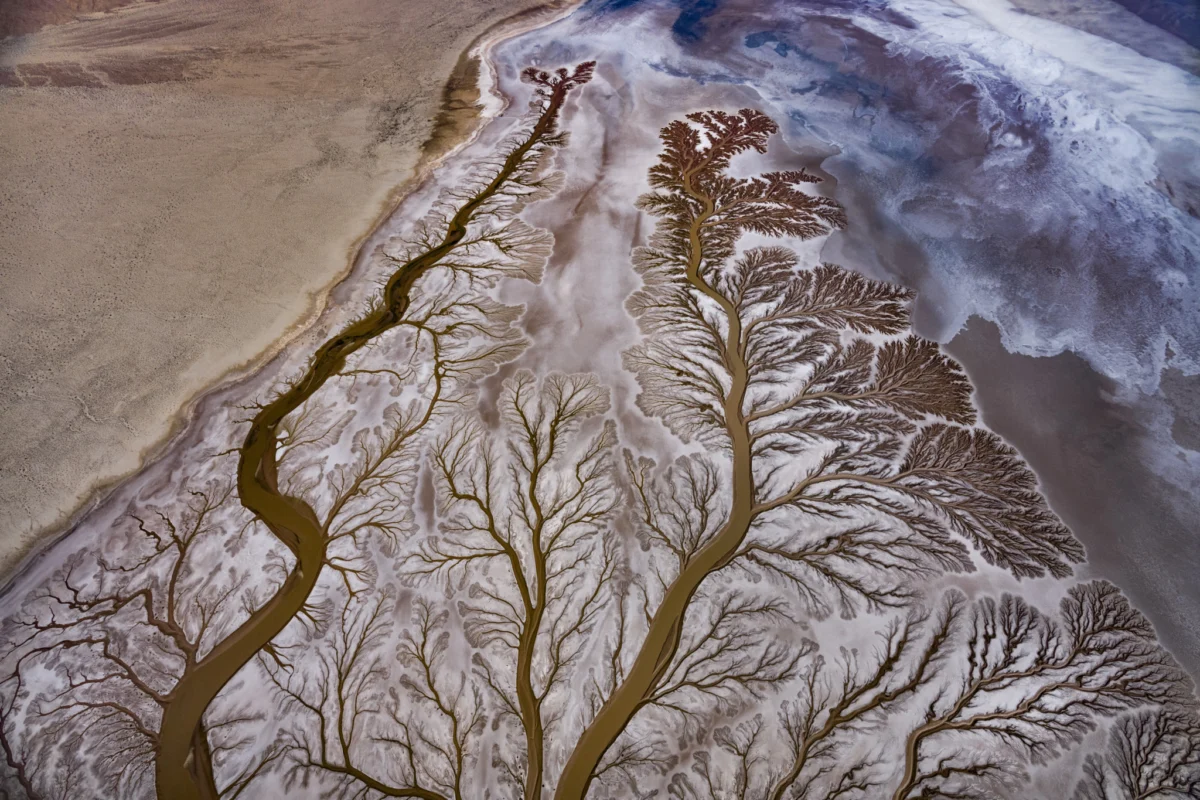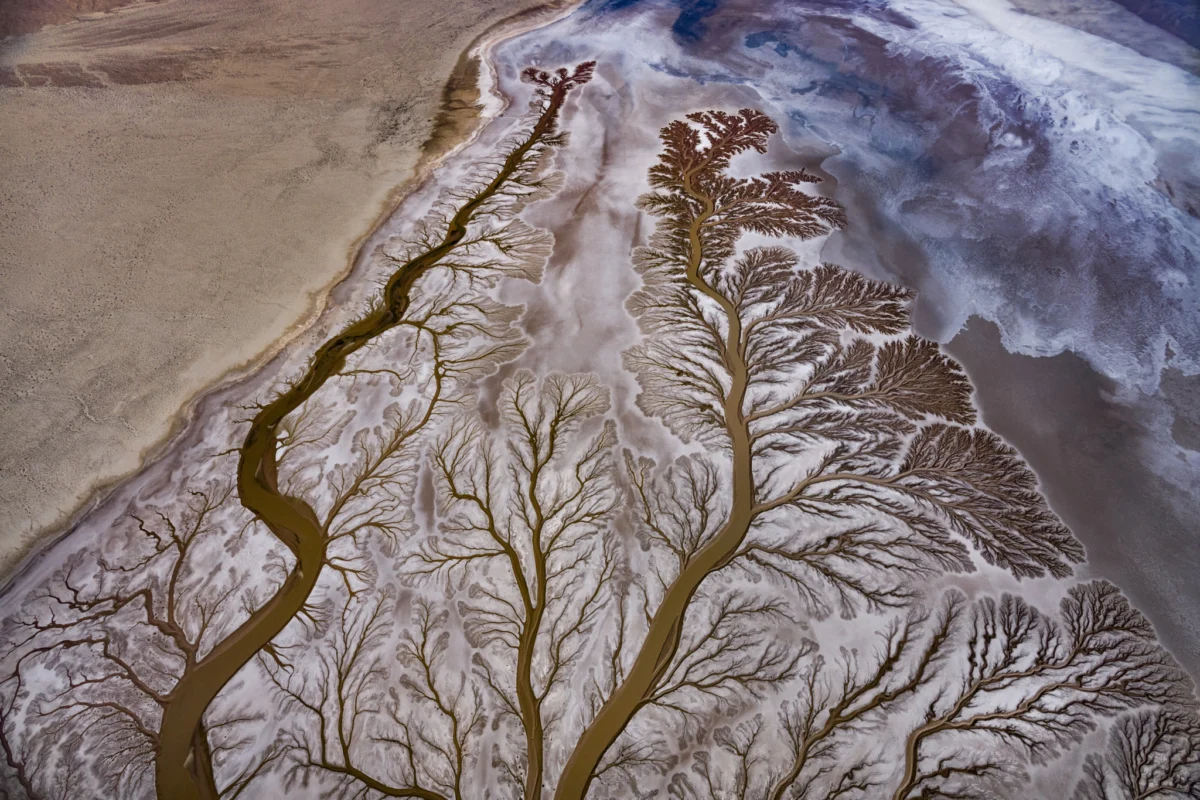
The stark, arid beauty of the Colorado River Delta, once a vibrant expanse where a mighty river met the sea, now presents a complex narrative of ecological struggle and extraordinary renewal. From the vastness of the Canadian north, a journey to this arid landscape in northwestern Mexico offered a profound visual and existential awakening. The initial expectation of "little fingers" of water branching from the river was dwarfed by the reality of a five-mile panorama of breathtaking, almost overwhelming, natural artistry. This encounter ignited a quest to capture not just the aesthetic grandeur, but also the underlying message of life and enduring hope.
This exploration is deeply rooted in a lifelong pursuit of understanding the essence of existence, a journey that began in childhood. At the age of nine, entrusted with a snowmobile in the remote Canadian north, the author embarked on a solitary exploration. This early independence fostered an intimate connection with wildlife and their vast habitats, cultivating a deep appreciation for the intricate web of life. This formative experience laid the groundwork for a career dedicated to documenting and understanding the natural world, a passion that eventually led to the dramatic landscapes of the Colorado River Delta.
The Grandeur and the Desolation: A Landscape of Contrasts
The visual spectacle of the Colorado River Delta, when viewed from the air at varying altitudes – from a mere 200 feet to 1,000 feet – transforms into a three-dimensional masterpiece. The intricate patterns etched into the land by the ebb and flow of water and sediment evoke powerful metaphors. These are not just geographical formations; they are rendered as a "quilted mosaic of silt and sediment – veins, capillaries, and branches woven intricately together, the lungs of the Earth." This artistic interpretation of natural processes highlights the profound beauty inherent in ecological systems, even as it foreshadows the vulnerability of such systems. The challenge for the photographer was to translate this awe-inspiring, almost spiritual, experience into images capable of resonating with a wider audience, adorning walls and minds alike, and conveying the potent message of life’s persistence.
However, this profound beauty is juxtaposed with a grim reality. The story of the Colorado River since the mid-20th century is a cautionary tale of an overburdened waterway. What was once a life-giving artery, stretching over 1,500 miles from its headwaters in the Rocky Mountains through seven U.S. states before emptying into the Sea of Cortez in northwestern Mexico, has been systematically depleted. The river’s journey traverses diverse ecosystems, from alpine forests to red rock canyons and desert floodplains, a testament to its historical significance and ecological reach.
The Shadow of Drought and Human Impact
The region is currently grappling with an unprecedented environmental crisis, facing the most severe drought in 1,200 years, according to paleoclimate data. This prolonged aridity, however, is only one facet of the delta’s plight. The narrative of the Colorado River is inextricably linked to the escalating demands of a growing human population and the relentless expansion of heavy industry. These forces have collectively denuded, drained, and degraded one of North America’s most vital natural waterways.
The consequences of this human-induced stress have been devastating for the delta’s ecosystem. Historically, the influx of freshwater and sediment from the Colorado River sustained a unique estuarine environment, supporting rich biodiversity and providing crucial habitats for numerous species, including migratory birds and fish. The cessation of regular flows severed this vital connection, leading to the salinization of soils, the loss of wetlands, and a drastic reduction in the delta’s ecological productivity. The once-thriving ecosystem transformed into a parched landscape, a stark symbol of environmental mismanagement.
A Glimmer of Hope: The Binational Restoration Effort
Amidst this ecological decline, a remarkable shift has begun to emerge. A powerful testament to the potential for recovery and the efficacy of collaborative conservation, water has begun to flow into the delta once again in recent years. This revitalization is the direct outcome of an unprecedented binational restoration effort, a complex undertaking that has brought together a diverse coalition of stakeholders.
This initiative, often referred to as the "pulse flow" or "environmental flow" project, involves significant collaboration between conservation organizations, the governments of the United States and Mexico, and local communities in the Mexicali Valley. The effort is rooted in a shared understanding of the ecological and economic importance of a restored delta.
Timeline of Key Developments:
- Mid-20th Century Onward: Extensive dam construction and water diversion projects begin along the Colorado River for agricultural, industrial, and municipal use across the seven U.S. states and northern Mexico. This marks the beginning of the river’s over-allocation and the gradual reduction of its flow to the delta.
- Late 20th Century: The Colorado River effectively ceases to reach the Sea of Cortez on a regular basis. The delta’s ecosystem begins to degrade significantly due to lack of freshwater and sediment.
- Early 21st Century: Increasing recognition of the delta’s ecological crisis and the potential benefits of restoration. Several scientific studies and pilot projects explore the feasibility of environmental flows.
- 2012: A landmark agreement, Minute 319 of the International Boundary and Water Commission (IBWC), is signed between the U.S. and Mexico. This agreement, a crucial step towards binational cooperation, allows for a "pulse flow" – a temporary, controlled release of water designed to mimic natural flood events and rehydrate the delta.
- March 2014: The first significant pulse flow since the 1990s is released. This event, meticulously planned and monitored, sends approximately 105,000 acre-feet of water down the riverbed for an eight-week period.
- Subsequent Years: Following the success of the 2014 pulse flow, further environmental flows have been implemented, though their scale and duration can vary depending on water availability and drought conditions. These efforts are supported by ongoing research, community engagement, and sustained binational commitment.
The success of these restoration efforts is not merely symbolic; it has tangible ecological and social impacts. The controlled release of water has begun to reawaken dormant plant life, providing vital habitat for wildlife. Reports from conservation groups indicate an increase in bird sightings and a resurgence of native vegetation along the river’s former course. This renewed ecological activity is a powerful signal that even severely degraded landscapes can begin to heal with concerted, collaborative action.
Data and Analysis: The Ecological Imperative
The Colorado River Basin is a critical water source for approximately 40 million people in the United States and Mexico, supporting agriculture that feeds millions and fueling significant economic activity. The river’s flow has been reduced by an estimated 90% from its natural state due to human use, a figure that underscores the immense pressure on this resource. The ongoing drought exacerbates these challenges, highlighting the urgent need for sustainable water management practices.
The restoration efforts, while facing challenges related to water availability, demonstrate a paradigm shift in how the river’s resources are managed. The focus is moving beyond purely human consumption to incorporate the ecological needs of the river system itself. This approach recognizes that a healthy river ecosystem is not a luxury but a necessity for long-term regional stability and biodiversity.
Key Data Points:
- Colorado River Basin Population: Approximately 40 million people rely on the river for water.
- Agricultural Water Use: The majority of the Colorado River’s water is used for agriculture, particularly in California, Arizona, and Mexico.
- Drought Impact: The current drought is the most severe in the region in at least 1,200 years, significantly reducing reservoir levels like Lake Mead and Lake Powell.
- Flow Reduction: Human use has reduced the Colorado River’s flow to the ocean by an estimated 90%.
- Pulse Flow Volume (2014): Approximately 105,000 acre-feet of water released over eight weeks.
The analysis of these restoration efforts suggests a critical lesson: even in the face of severe environmental degradation and challenging climatic conditions, proactive and collaborative conservation can yield significant positive outcomes. The binational cooperation, a feat often difficult to achieve, underscores the shared responsibility and mutual benefits of protecting transboundary natural resources.
Official Responses and Future Implications
Statements from participating government agencies and conservation organizations consistently emphasize the importance of this binational partnership. Officials from the U.S. Bureau of Reclamation and Mexico’s National Water Commission (CONAGUA) have lauded the collaborative spirit and the scientific basis of the restoration projects. Conservation groups like the National Audubon Society and local Mexican environmental organizations have highlighted the success in restoring critical habitats for migratory birds and other wildlife.
The implications of the Colorado River Delta’s partial restoration are far-reaching. It serves as a powerful case study for other river systems facing similar pressures worldwide. The success of the pulse flow and ongoing efforts demonstrate that it is possible to balance human needs with ecological requirements, fostering a more sustainable future. However, the long-term viability of these efforts remains contingent upon continued political will, adequate funding, and a sustained commitment to water conservation and responsible resource management throughout the entire Colorado River Basin. The delta’s story is an ongoing testament to nature’s resilience and the profound impact of human stewardship, offering a beacon of hope in an era of environmental challenges.