The decision to substitute a traditional Caribbean winter escape for the volatile climate of Iceland in March represents a growing trend in "adventure tourism," where travelers prioritize unique environmental experiences over leisure-centric destinations. This expedition, undertaken by a seasoned photographer and his partner, aimed to document the stark beauty of the North Atlantic island nation using traditional medium-format film, specifically the Hasselblad 503CW system. Despite the logistical hurdles posed by extreme weather and modern airline infrastructure, the journey provided a comprehensive overview of Iceland’s winter geography, from the geothermal activity of the Reykjanes Peninsula to the receding glacial tongues of the southeast coast.
Meteorological Disruptions and the Digital Divide
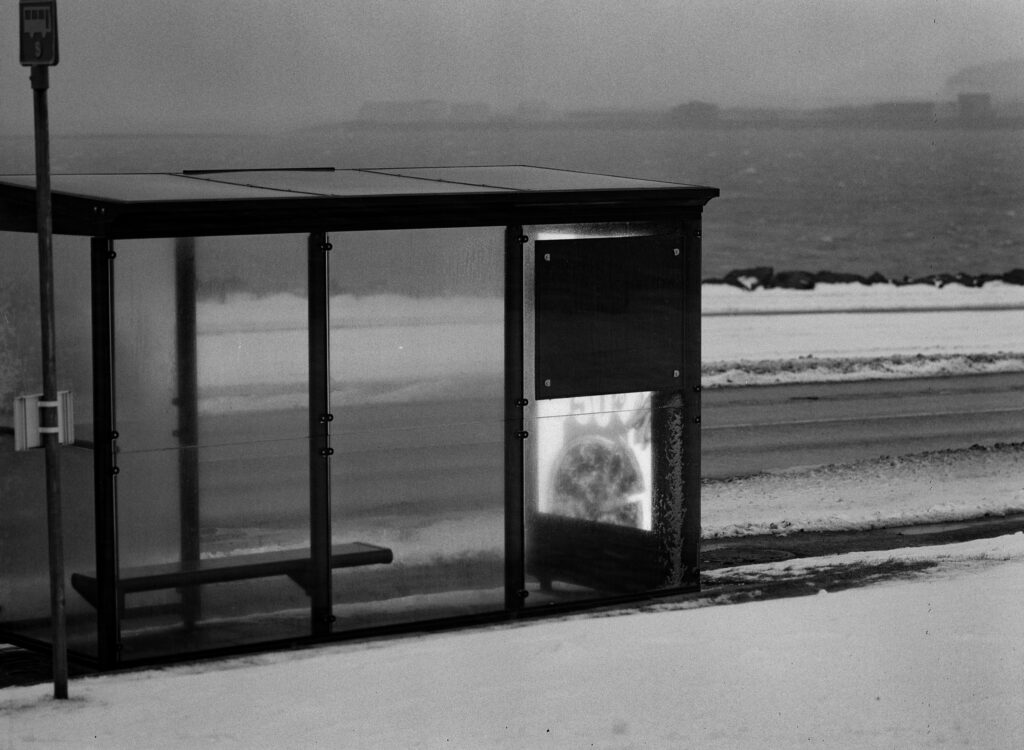
The expedition faced immediate challenges on its scheduled departure date, highlighting the vulnerability of international travel to subarctic weather patterns. A significant winter storm in Iceland triggered widespread flight cancellations. This incident underscored a secondary challenge in modern travel: the increasing reliance of airlines on automated AI customer service interfaces. Travelers reported significant frustration with "glitchy" chat threads, which served as the sole rebooking option, ultimately delaying the expedition by 48 hours.
The delay, while problematic, allowed for a final assessment of photographic supplies. Given the scarcity of professional film stock in remote regions, the expedition carried a robust supply of 120-format film, including Kodak Ektar 100, Portra 160/400, and Ilford Delta 100. This choice of analog media in a digital age reflects a broader resurgence in film photography, where professionals seek the specific tonal range and "timeless" quality of chemical emulsions to capture high-contrast landscapes.
Geothermal Infrastructure and the Blue Lagoon
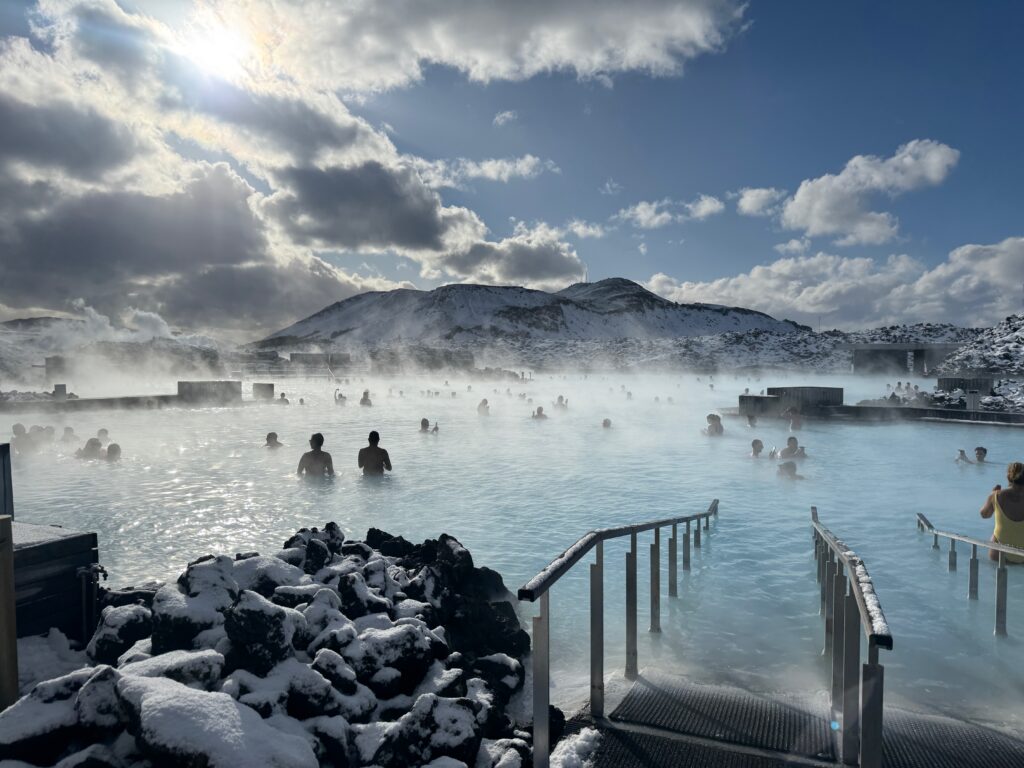
Upon arrival at Keflavík International Airport, the expedition was met with wind-driven blizzard conditions, a common occurrence in the Icelandic "shoulder season." The first objective was the Blue Lagoon, a world-renowned geothermal spa located in a lava field on the Reykjanes Peninsula.
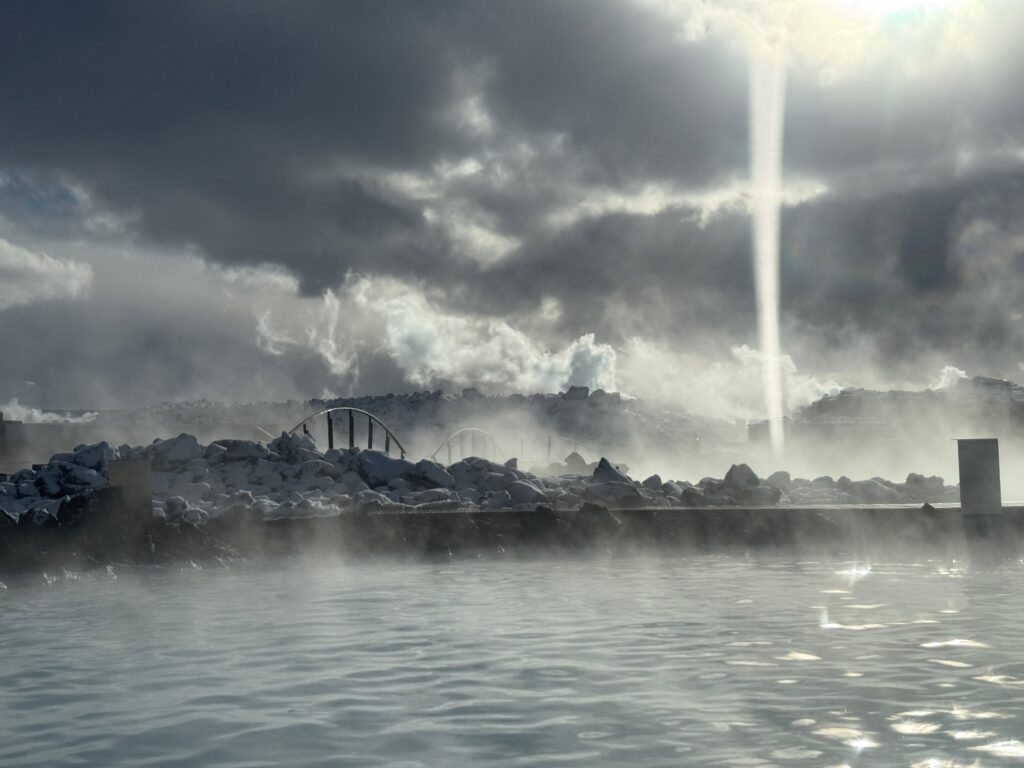
The Blue Lagoon is more than a tourist attraction; it is a byproduct of the nearby Svartsengi geothermal power plant. The water’s distinctive aquamarine hue is the result of high silica content, which reflects blue light. The water is also rich in salts and algae, maintained at a consistent 37–39°C (98–102°F). From a journalistic perspective, the site represents Iceland’s successful integration of industrial energy production with high-end tourism. Despite the early hour and freezing air temperatures, the facility maintained high occupancy, demonstrating the resilience of Iceland’s tourism sector even in adverse weather.
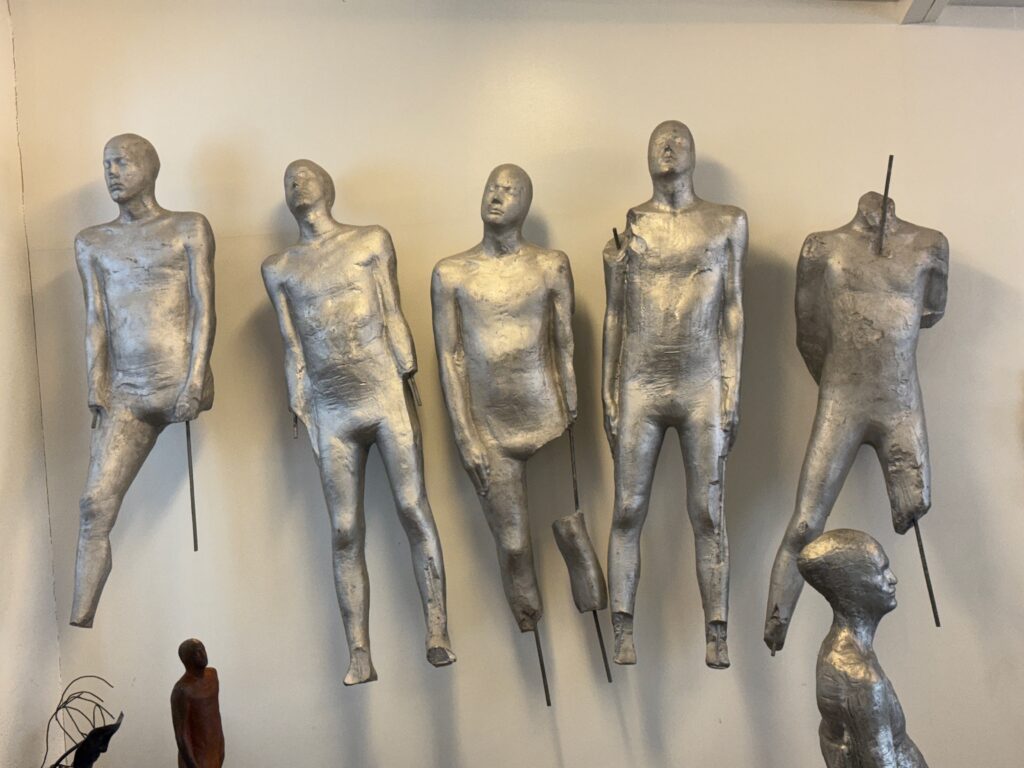
The Artistic Pulse of Reykjavik
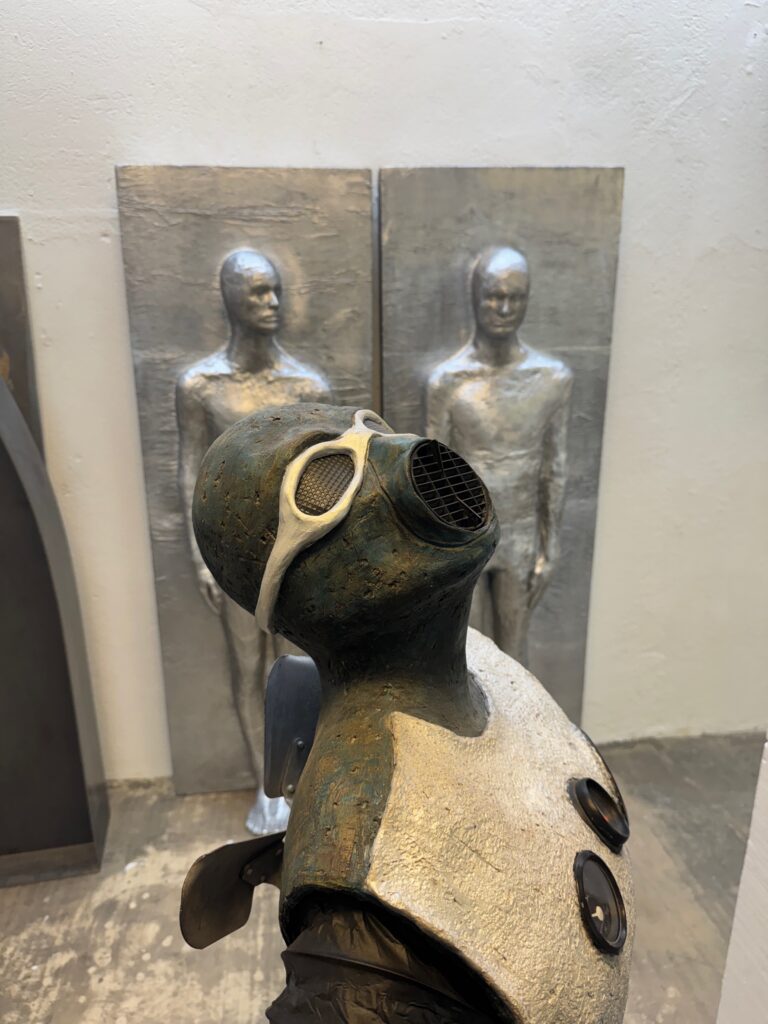
A critical component of the expedition involved documenting the cultural landscape of the capital. Reykjavik, despite its small population of approximately 130,000, maintains a disproportionately influential arts scene. The expedition included a visit to the studio of Steinunn Thorarinsdottir, one of Iceland’s preeminent sculptors, whose work often explores the relationship between the human body and the environment.
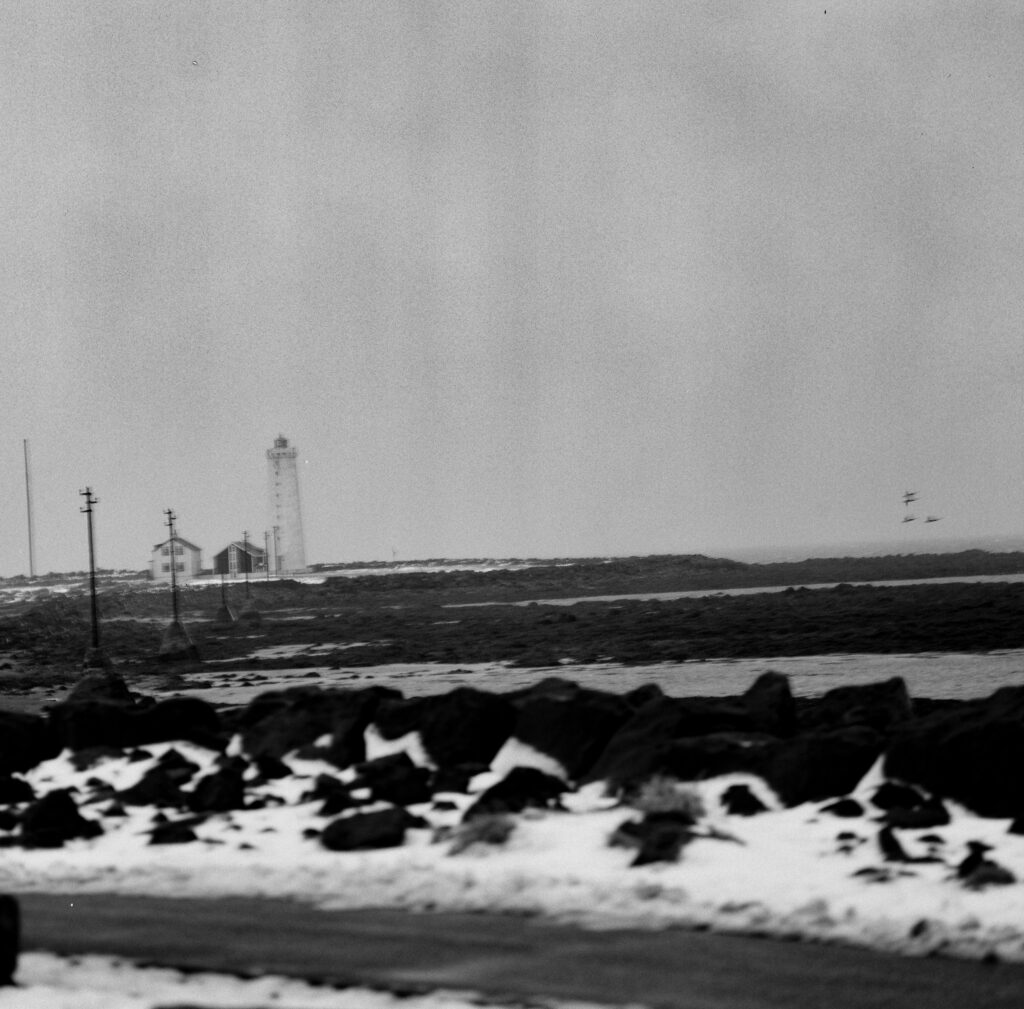
Cultural analysis suggests that the isolation of Iceland has fostered a unique "DIY" ethos among its creators. This was evidenced by the transition of the nation from a largely agrarian and fishing-based economy to a modern hub of technology and art. Interviews with locals, including retired media professionals, revealed a historical timeline of rapid modernization. Following World War II, the establishment of Allied airbases introduced infrastructure and economic shifts that moved the population from turf houses to modern urban dwellings within a single generation.
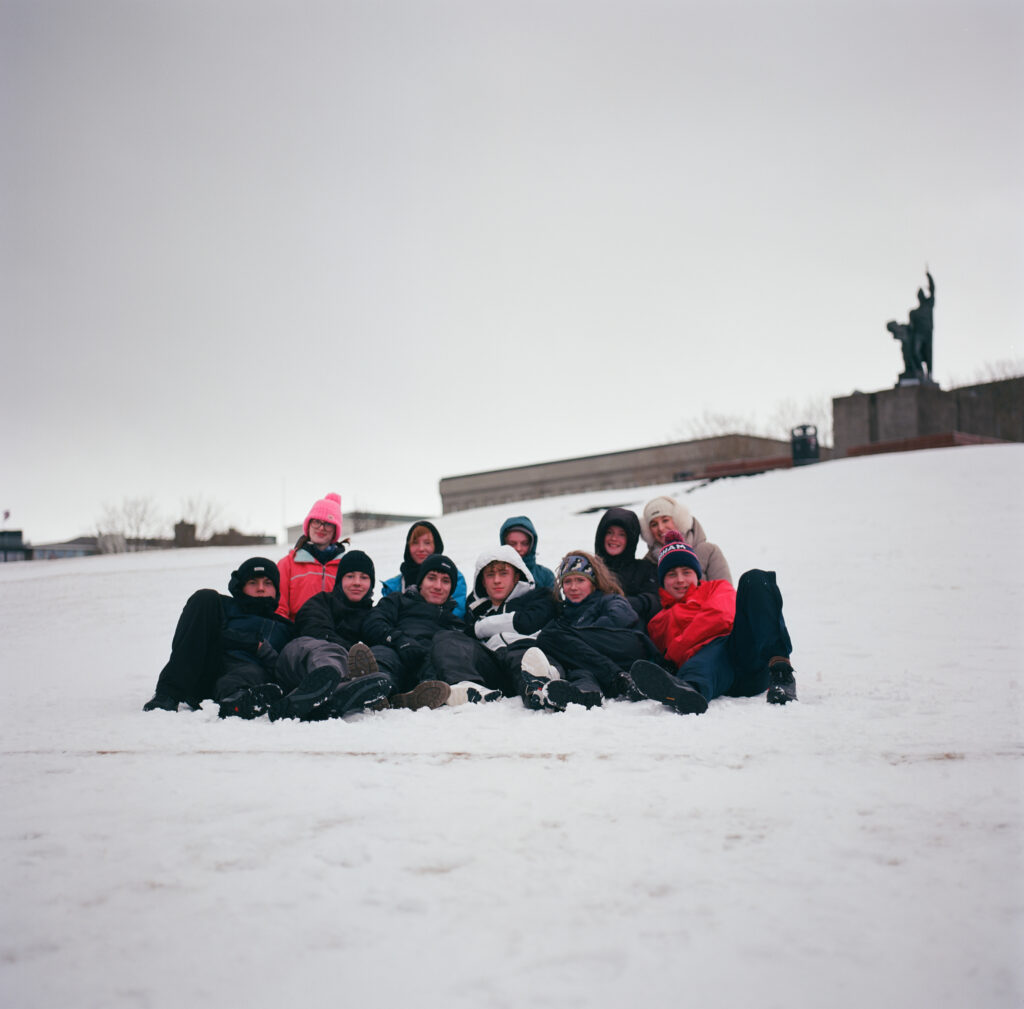
Logistics of the South Coast: The Ring Road
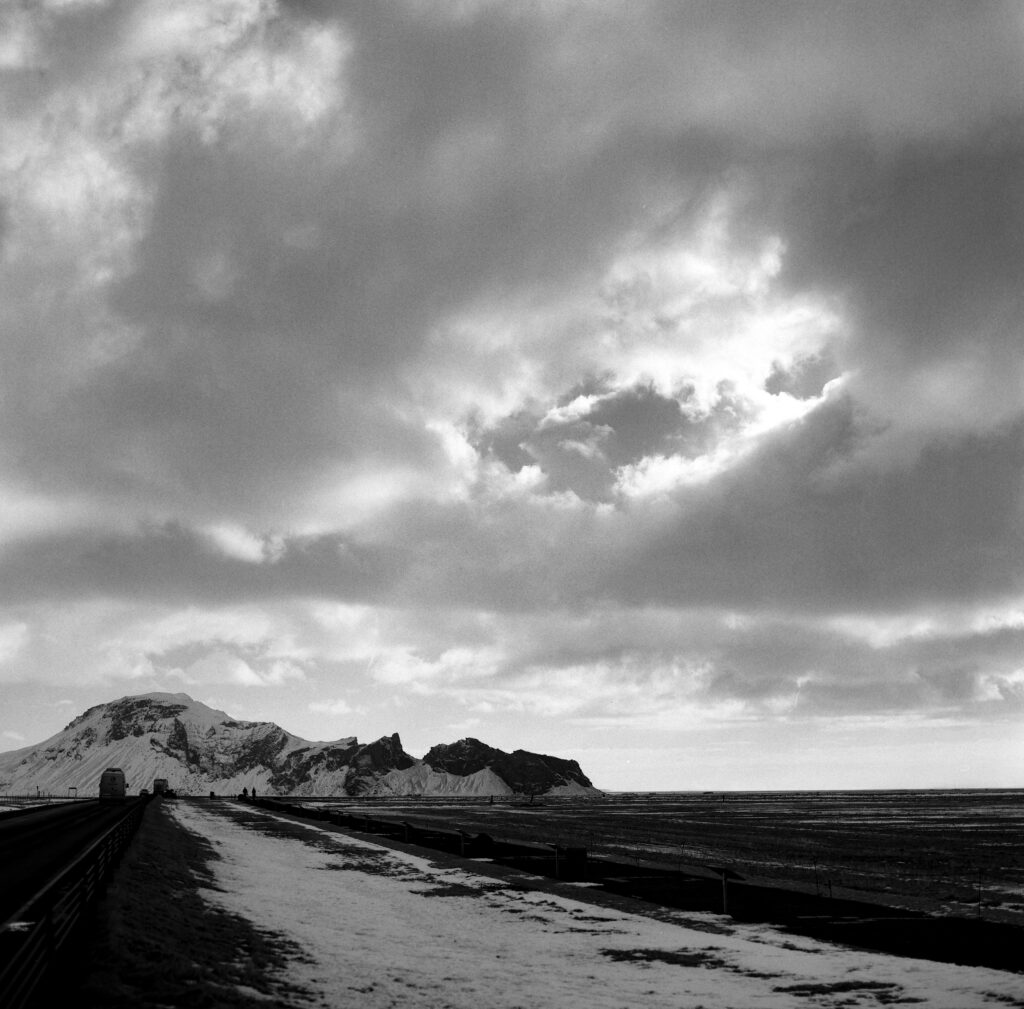
The expedition proceeded east along Route 1, commonly known as the Ring Road. This 1,332-kilometer (828-mile) highway circles the island and serves as the primary artery for commerce and tourism. Driving conditions in the winter months require heavy-duty vehicles; the expedition utilized a Toyota Land Cruiser 4WD, equipped to handle "white-out" conditions and black ice.
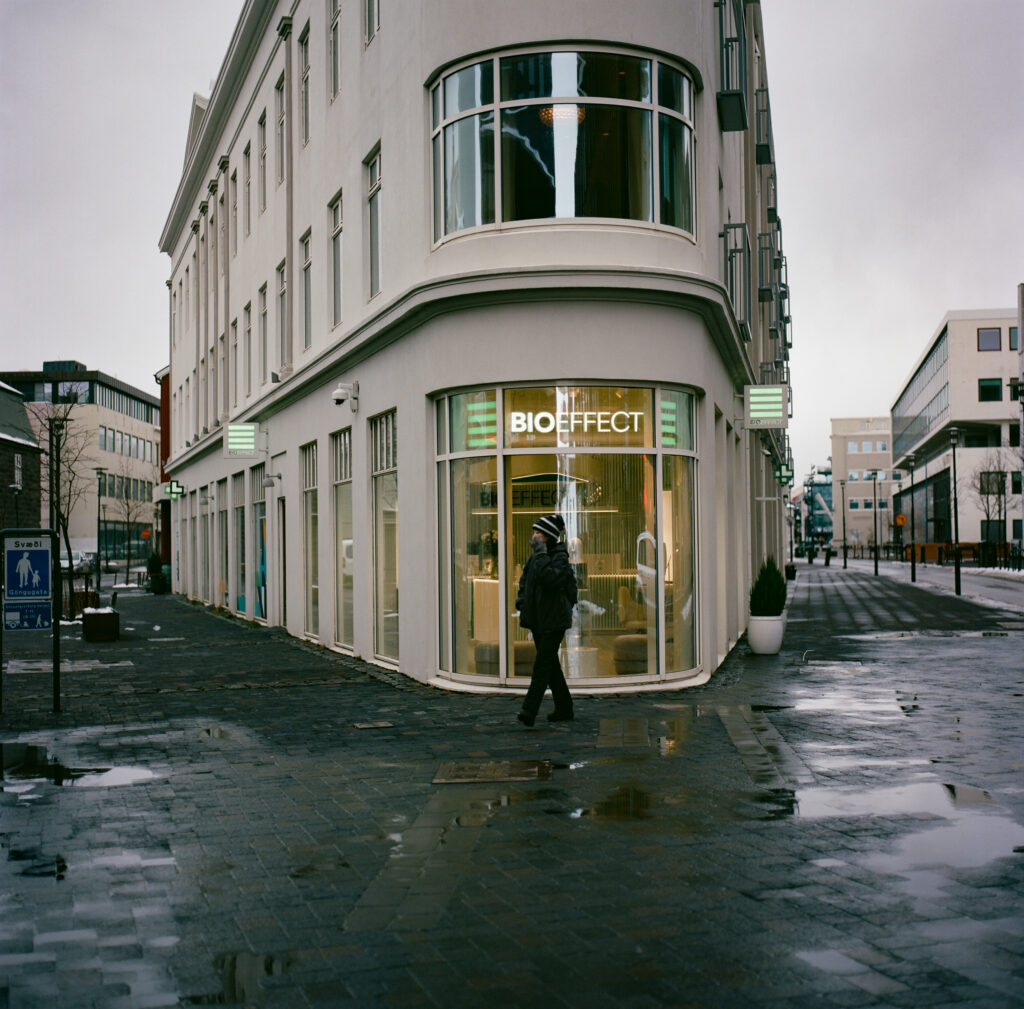
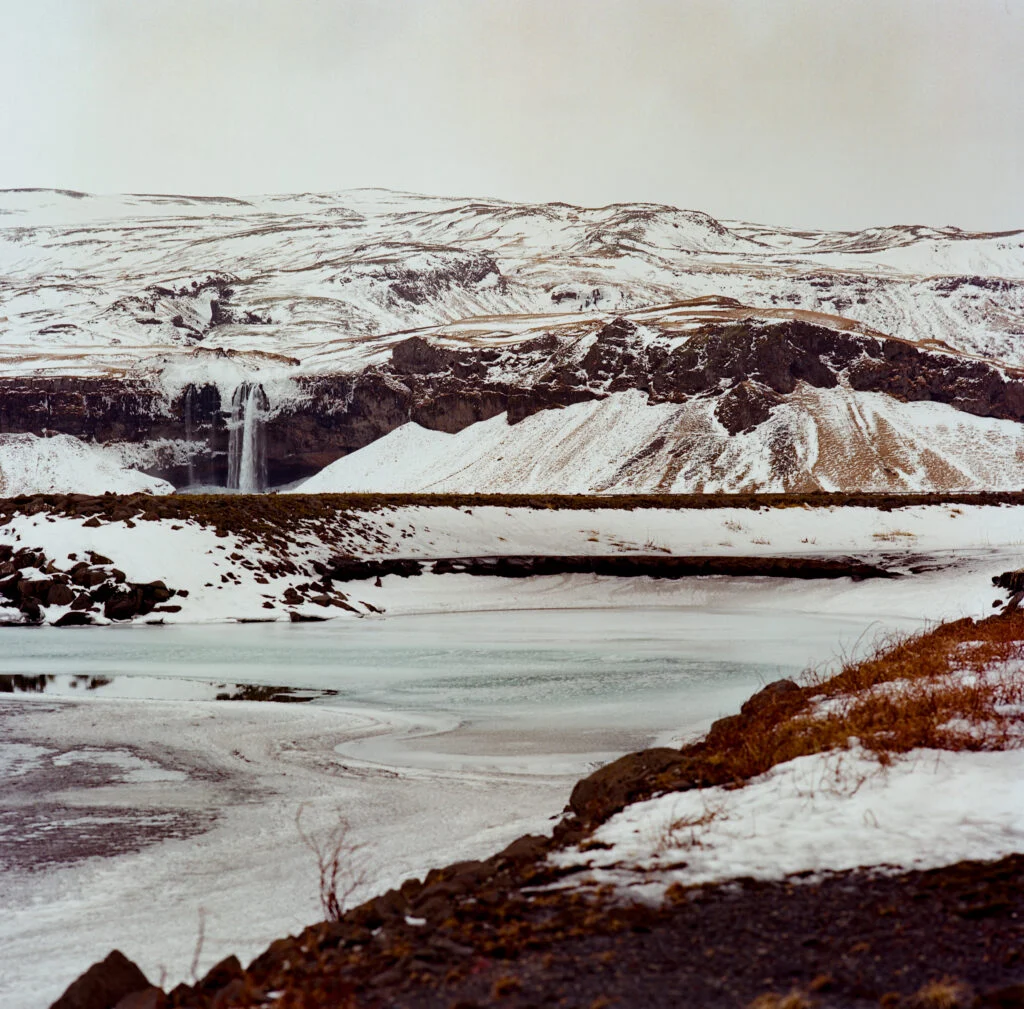
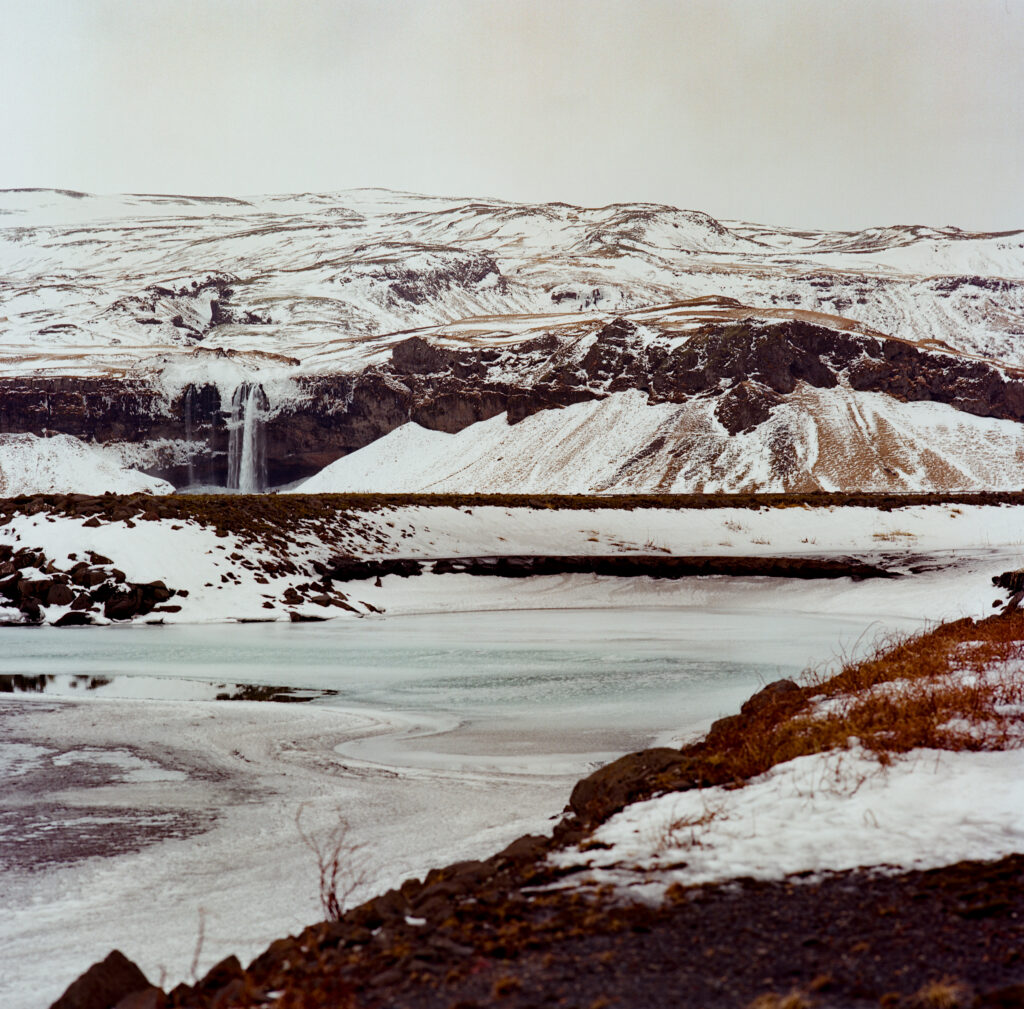
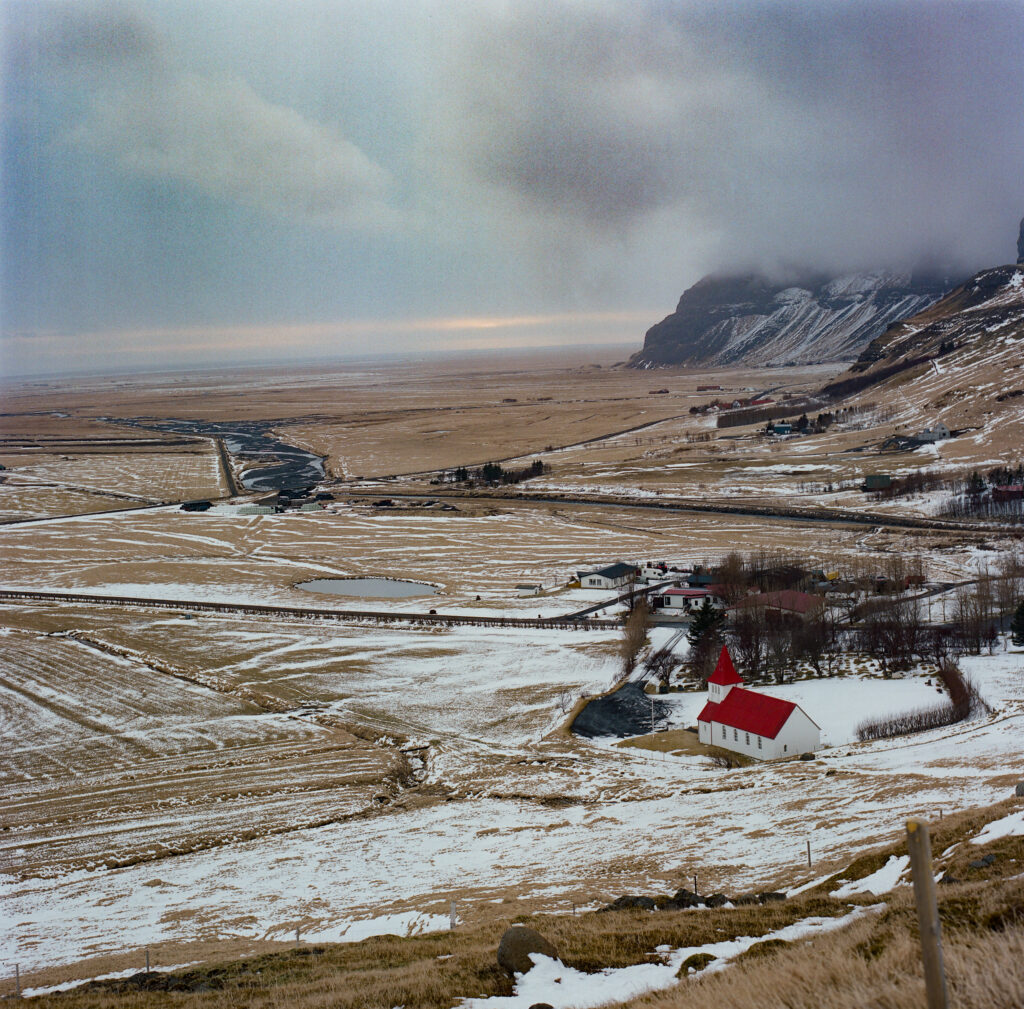
The south coast is characterized by a dramatic transition from volcanic plains to towering mountain ranges. A notable stop was Skalakot, a traditional horse farm converted into a luxury hotel. This transition from farming to hospitality is a nationwide trend. As tourism became Iceland’s leading industry—surpassing fishing—many families repurposed ancestral lands to accommodate the influx of over two million annual visitors.
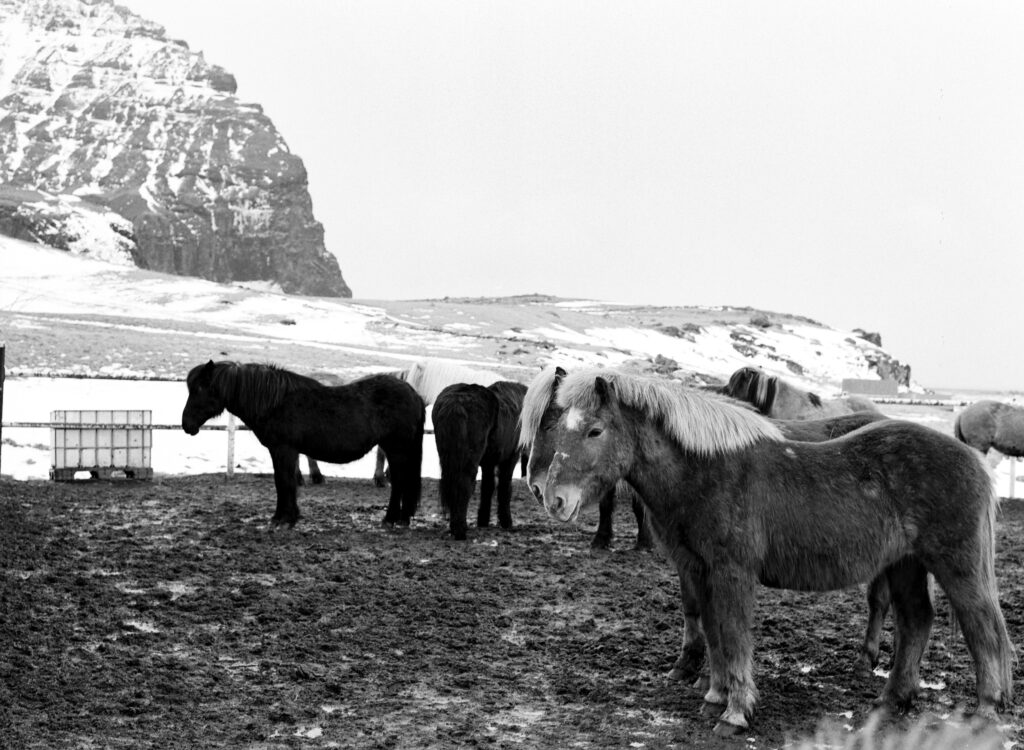
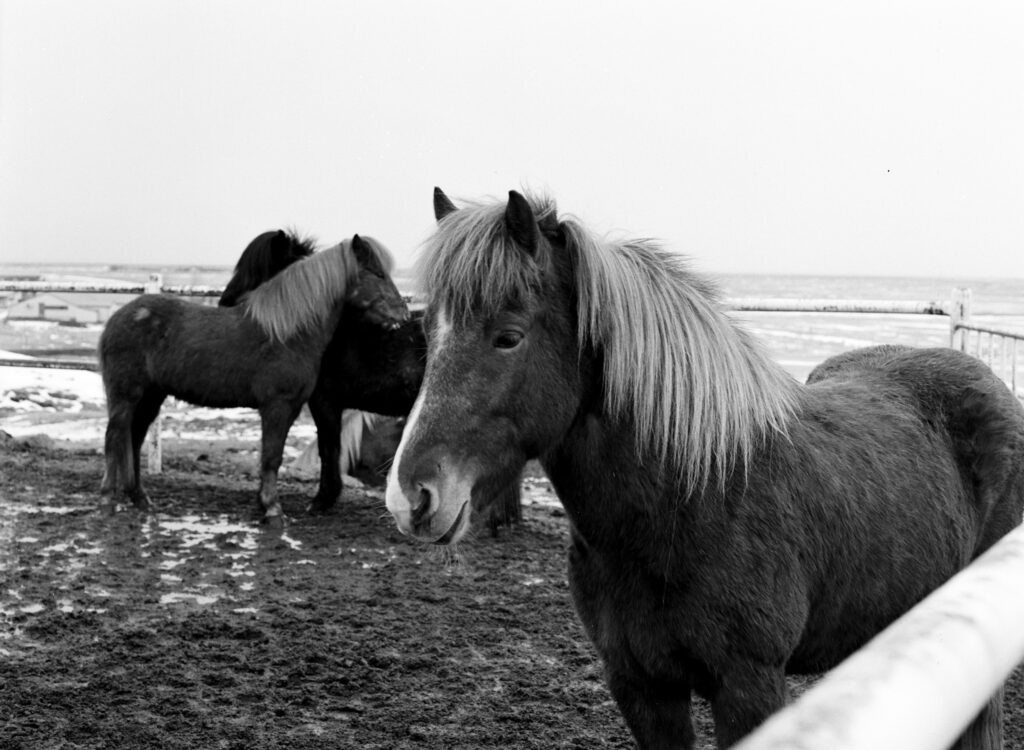
The Icelandic horse, a central figure in these landscapes, is a unique breed protected by strict biosecurity laws. Since no horses are allowed to be imported and any horse that leaves the island is barred from returning, the breed has remained genetically pure for over a millennium. They are famous for their five gaits, including the tölt, which provides a smooth ride over rugged volcanic terrain.
The Glacial Front Line: Jokulsarlon and Diamond Beach
The expedition reached its easternmost point at the Jokulsarlon Glacier Lagoon. This site provides a visual record of the impacts of climate change. The lagoon is filled with icebergs that have calved from the Breiðamerkurjökull glacier, an outlet of the Vatnajökull ice cap, the largest in Europe.
Chronology of Glacial Recession
- Early 1900s: The glacier reached the edge of the Ring Road.
- 1934: The lagoon began to form as the glacier started to retreat.
- Present Day: The lagoon has grown to over 18 square kilometers and is the deepest lake in Iceland at 248 meters.
Adjacent to the lagoon lies "Diamond Beach," where ice boulders wash up onto the black volcanic sand. This location provides a high-contrast environment ideal for black-and-white photography. However, it also presents significant safety risks. The area is prone to "sneaker waves"—rogue swells that surge much further up the beach than expected. During the expedition, a sneaker wave resulted in the loss of a Pentax digital spot meter, a critical tool for analog exposure calculation. This incident serves as a reminder of the "Safety First" warnings issued by the Icelandic Association for Search and Rescue (ICE-SAR), which frequently responds to tourists caught by the unpredictable surf.
Technical Analysis of Medium Format Documentation
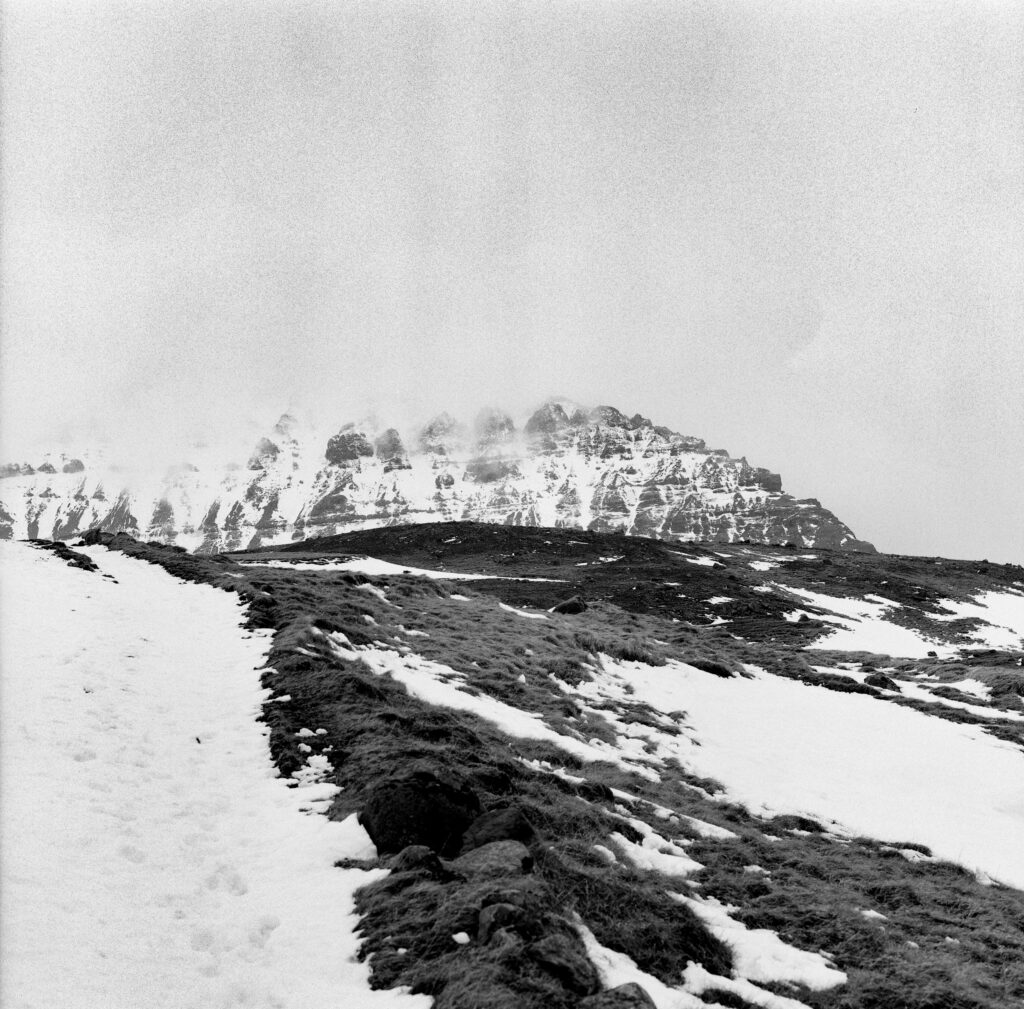
The use of the Hasselblad 503CW offered a distinct advantage in capturing the "vastness" of the Icelandic landscape. The 6×6 square format forces a specific compositional discipline, while the Zeiss optics—specifically the 80mm Planar and 150mm Sonnar lenses—provided the resolution necessary to render the textures of glacial ice and volcanic rock.
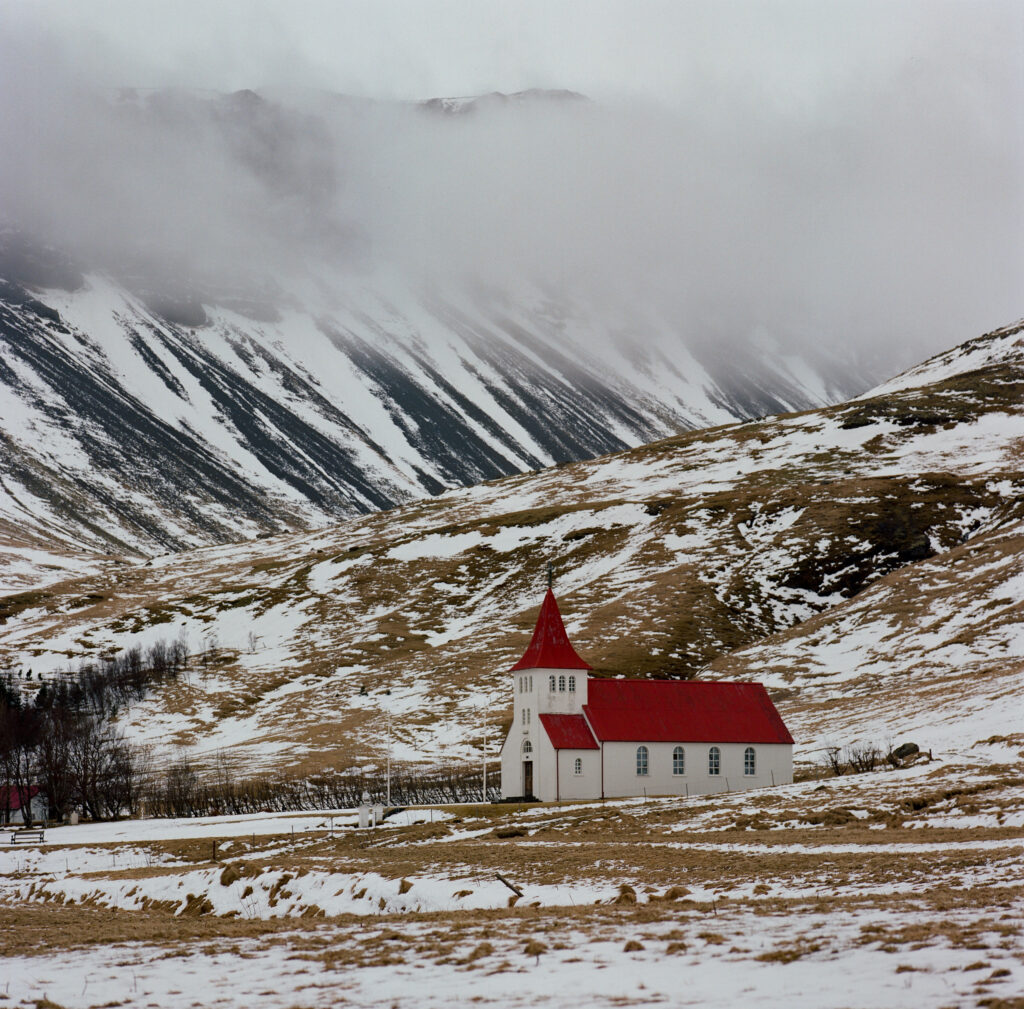
- Kodak Ektar 100: Utilized for its ultra-fine grain and high saturation, effectively capturing the subtle blues of the ice and the deep reds of the volcanic earth.
- Ilford Delta 100: Paired with a red filter to darken the skies and increase contrast, this film stock was used to evoke the "heroic" era of polar exploration photography.
- Cinestill 50D: This motion-picture-based film produced unique halation effects around highlights, though its color rendering in the backlit beach environments was noted as being "unconventional" due to the lack of a traditional rem-jet layer.
Broader Implications and Tourism Trends
The success of the expedition, despite the loss of equipment and weather delays, highlights the enduring appeal of Iceland as a "frontier" for professional photography. The data suggests that "photographic tourism" is a stable sub-sector of the Icelandic economy. According to the Icelandic Tourist Board, "nature" remains the primary draw for 92% of visitors.
However, the increasing foot traffic at sites like Jokulsarlon and Skógafoss has prompted discussions regarding environmental sustainability. The Icelandic government has considered implementing a "nature tax" or stricter permitting for commercial photography to mitigate the wear on delicate mosses and soil structures.
Conclusion
The expedition concluded with a return to Reykjavik, having documented the South Coast through 22 rolls of 120-format film. The journey confirmed that while Iceland’s weather remains a formidable barrier, the infrastructure for high-end tourism and the preservation of its natural wonders continue to make it a premier destination for serious documentarians. The resulting images serve as a chemical record of a landscape in flux—a frozen moment in the history of an island defined by the dual forces of fire and ice. The delay in the initial flight, which appeared to be a setback, ultimately aligned the expedition with a window of optimal light, reinforcing the adage that in subarctic travel, flexibility is as essential as the equipment itself.