The cooling of evening temperatures in Bucharest has catalyzed a significant shift in urban mobility and social engagement, particularly along the historic Calea Victoriei. As the Romanian capital navigates the challenges of extreme summer heat, the transition from daylight hours to the evening period has become a critical window for economic activity and civic interaction. This phenomenon, observed across the city’s central districts, underscores a broader trend of pedestrian-centric urbanism and the revitalization of historic corridors as primary hubs for the hospitality and retail sectors.
The Cooling Dynamics of Bucharest’s Urban Heat Island
Bucharest, often referred to as an "urban oven" during the peak of summer, experiences the urban heat island (UHI) effect with significant intensity. Meteorological data indicates that temperature differentials between the city center and suburban areas can reach up to 5 or 6 degrees Celsius. As the sun sets, the release of thermal energy stored in the asphalt and concrete of the city’s dense architecture creates a unique atmospheric transition.
This cooling period, typically occurring after 7:00 PM, triggers what urban sociologists describe as a "comfort exodus." Inhabitants of the city, having spent the peak heat hours in climate-controlled environments, migrate to the streets in search of social connection and outdoor leisure. Calea Victoriei, a thoroughfare that serves as the backbone of Bucharest’s historical and cultural identity, has emerged as the primary destination for this demographic shift. The street’s layout, which has undergone various pedestrianization trials in recent years, facilitates a dense concentration of coffee shops, eateries, and seasonal terraces that cater to thousands of residents and tourists alike.
Historical Evolution and Modern Pedestrianization
The current vibrancy of Calea Victoriei is the result of centuries of evolution. Originally known as Podul Mogoșoaiei, the street was paved with wood in the late 17th century and later renamed to commemorate the Romanian War of Independence victory in 1878. Throughout the late 19th and early 20th centuries, it became the centerpiece of "Little Paris," lined with neoclassical palaces, luxury hotels, and high-end boutiques.
In the contemporary era, the Bucharest City Hall has implemented the "Străzi Deschise" (Open Streets) initiative. This program, which began as a response to the need for outdoor space during the COVID-19 pandemic, involves closing Calea Victoriei to motorized traffic during weekends. The impact of this policy has been profound:
- Economic Growth: Local businesses have reported a 20% to 35% increase in weekend revenue during the pedestrianization periods.
- Cultural Engagement: The street has become a venue for spontaneous performances, art installations, and community gatherings.
- Real Estate Appreciation: Commercial rents along Calea Victoriei have remained resilient, with a high demand for storefronts that offer outdoor seating capacities.
The Retail Landscape and the Psychology of the Urban Spectator
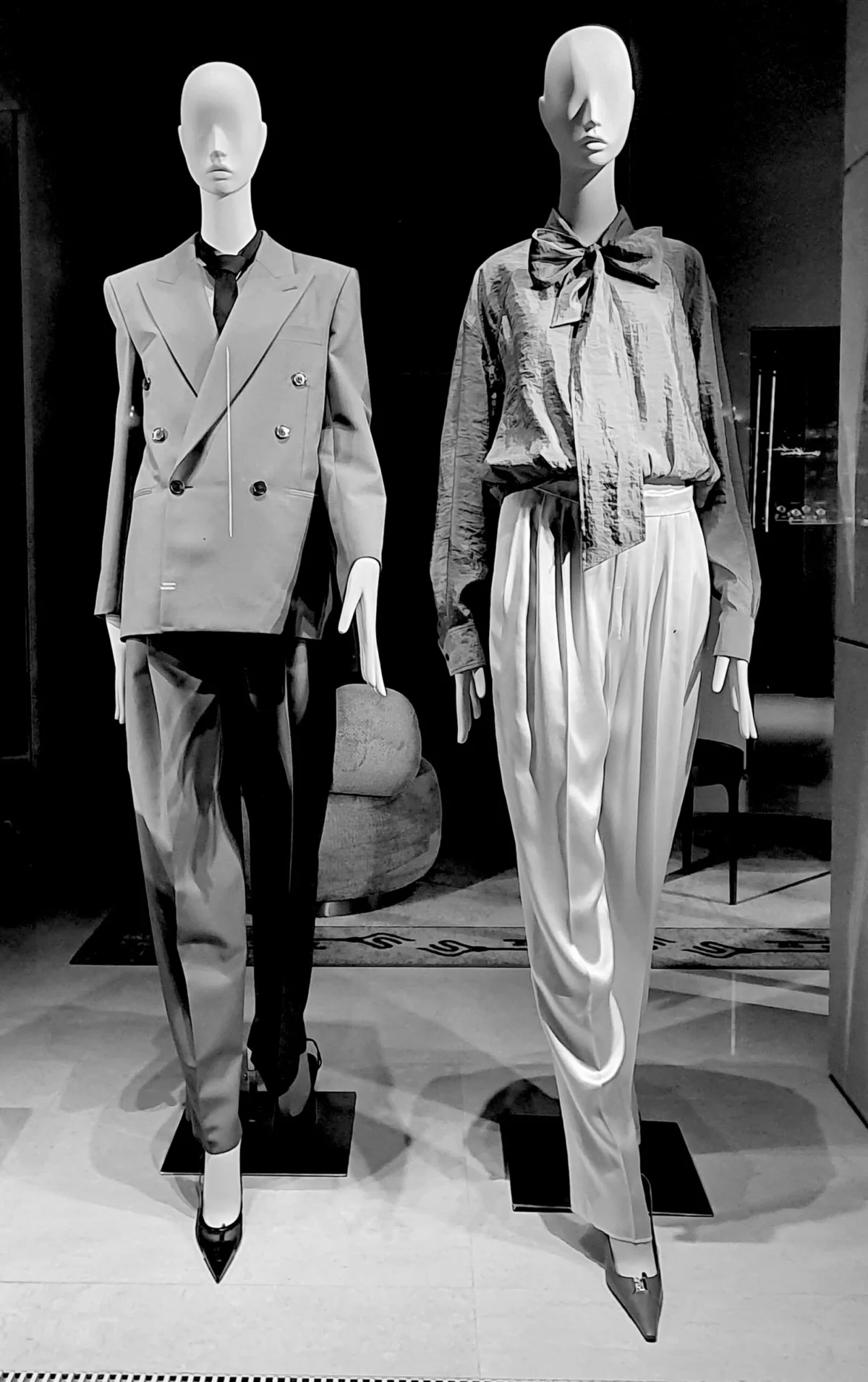
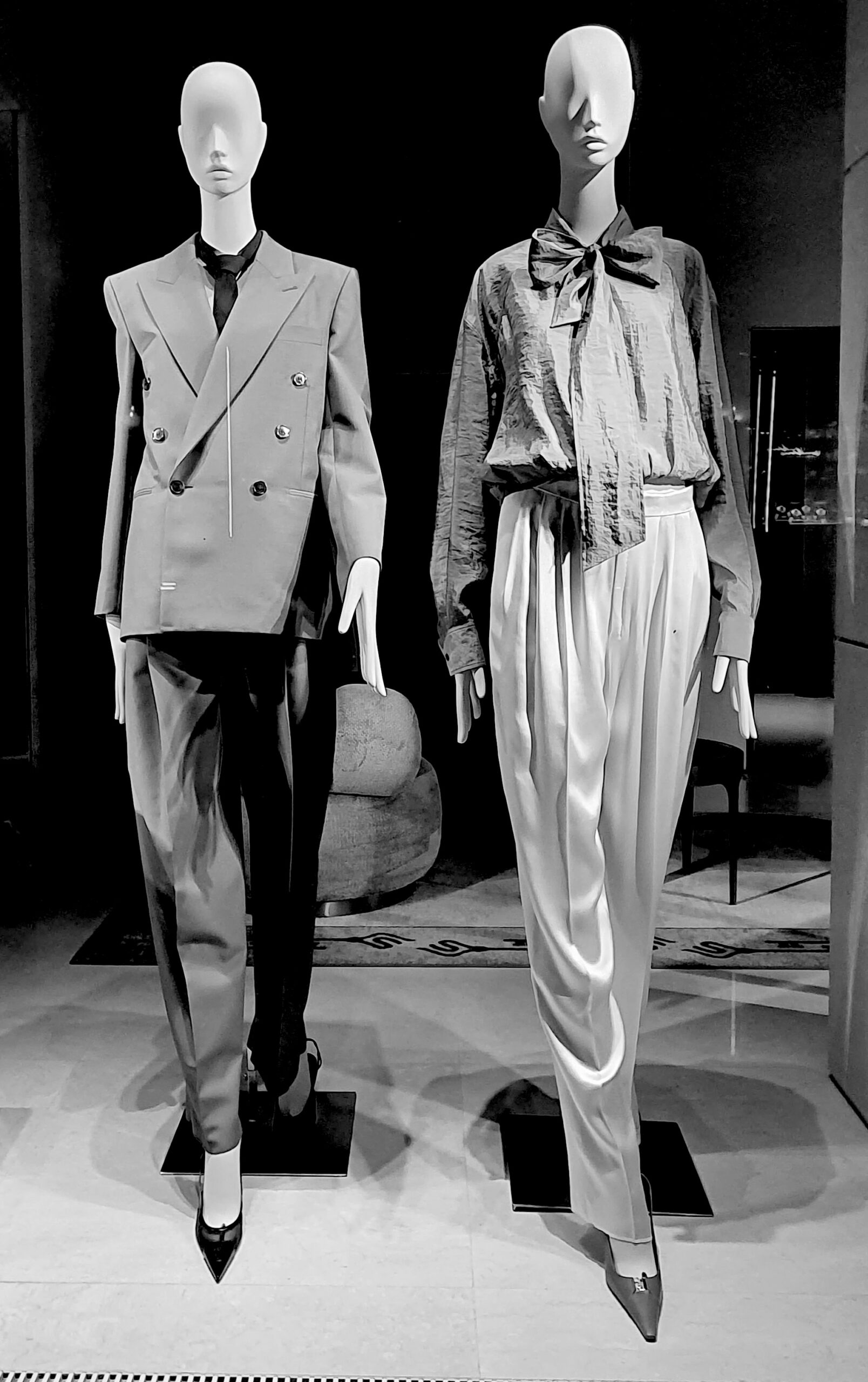
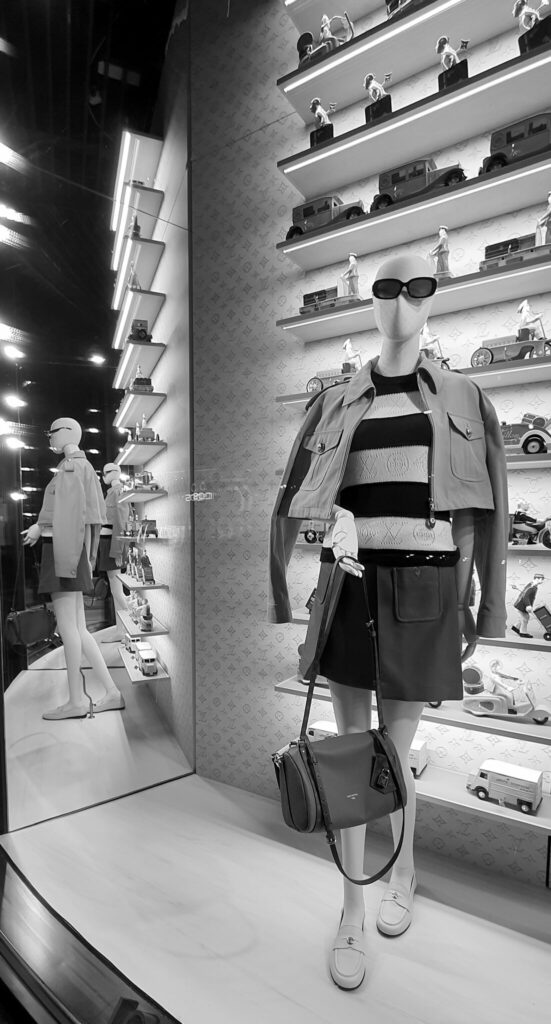
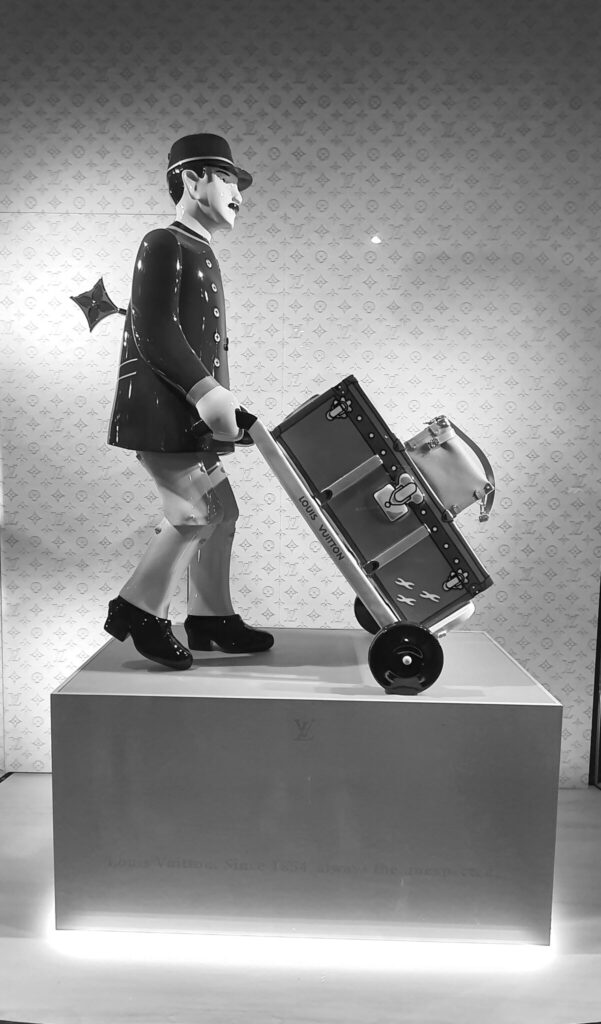
The retail environment along Calea Victoriei is characterized by a blend of heritage brands and modern luxury. The "lighted windows" and "mannequins" mentioned by observers serve as more than just commercial displays; they are architectural elements that define the evening aesthetic of the street. These displays contribute to a phenomenon known as "window shopping as a social ritual," where the visual experience of the city is as valued as the transactional one.
From a sociological perspective, the interaction between the "silent witnesses" of the mannequins and the passing throngs of people reflects the dual nature of modern urban life. While the pedestrians represent the fluid, chaotic, and emotive aspect of the city—characterized by laughing, drinking, and movement—the static, high-fashion displays represent the aspirational and permanent ideals of the metropolis. This contrast highlights the resilience of human presence in the face of changing fashions and economic cycles.
Meteorological Data and Its Impact on Commercial Hours
The operational hours of Bucharest’s HORECA (Hotel, Restaurant, and Café) sector have increasingly adapted to the regional climate. During July and August, when daytime temperatures frequently exceed 35 degrees Celsius (95 degrees Fahrenheit), foot traffic during the hours of 12:00 PM to 5:00 PM shows a marked decline.
Analysis of footfall data suggests:
- Peak Engagement: Maximum pedestrian density is reached between 8:30 PM and 10:30 PM.
- Spending Patterns: Evening visitors are more likely to engage in "leisure spending," which includes high-margin items such as artisanal ice cream, specialty cocktails, and premium coffee.
- Duration of Stay: The average time spent on Calea Victoriei by pedestrians has increased by approximately 45 minutes since the expansion of outdoor terrace permits.
The "stifling" heat of the day serves as a barrier that, once removed, leads to a compressed period of high-intensity social and economic exchange. This makes the evening hours the most valuable period of the day for the city’s service economy.
Official Responses and Urban Planning Perspectives
City officials and urban planners have noted that the success of Calea Victoriei serves as a blueprint for other districts in Bucharest. The General Mayor’s office has expressed intentions to expand pedestrian zones to include other historic areas, such as the Lipscani district and the areas surrounding the Romanian Athenaeum.
"The objective is to create a ‘breathable’ city," stated a representative from the Bucharest Directorate of Urban Planning. "By prioritizing the pedestrian experience on Calea Victoriei, we are not just boosting tourism; we are improving the quality of life for the residents who have long felt squeezed out by vehicle traffic and the lack of green spaces."
However, the transition has not been without challenges. Residents of the area have raised concerns regarding noise levels during the late evening and the logistics of waste management following the "exodus" of visitors. In response, the city has increased municipal cleaning shifts and implemented stricter noise regulations for terraces after midnight.
Economic Implications of the Fashion and Luxury Sector
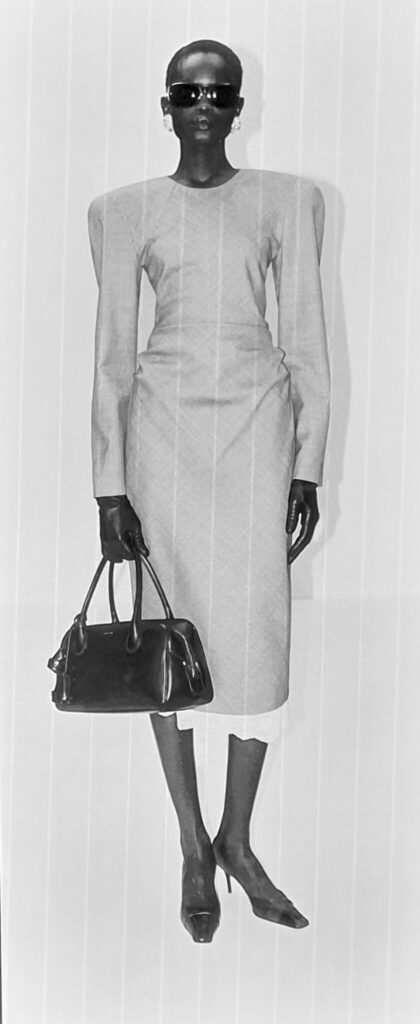
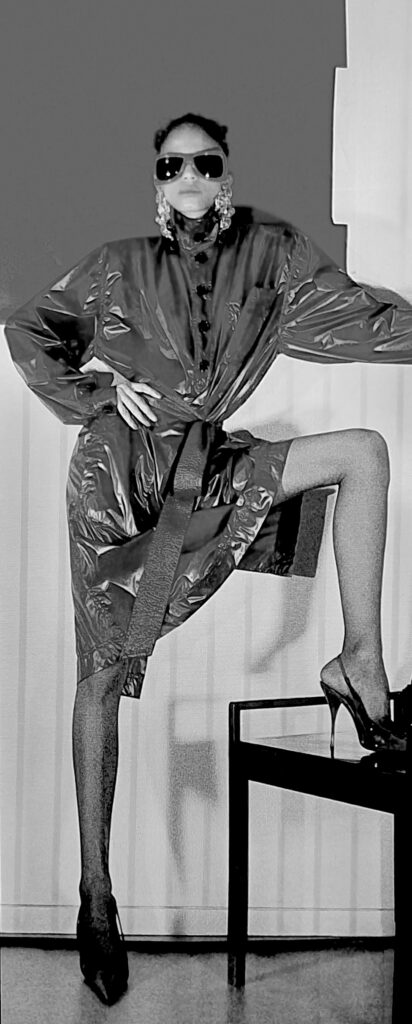
The presence of high-fashion mannequins and illuminated posters along Calea Victoriei signifies the street’s role as Romania’s premier luxury retail destination. While global e-commerce has disrupted traditional retail, the "high street" experience continues to thrive in Bucharest due to the experiential nature of the location.
According to retail analysts, the "aloof expression" of the luxury sector—represented by the silent models in the windows—is a deliberate branding strategy designed to maintain an aura of exclusivity. This creates a unique tension with the democratic, often rowdy nature of the public street. Despite this tension, the synergy between the "human show" on the sidewalk and the curated displays in the windows remains a primary driver of the street’s allure.
Broader Implications for Bucharest’s Future
The revitalization of Calea Victoriei is indicative of Bucharest’s broader ambition to align itself with Western European capital standards. As the city continues to develop, several key implications emerge:
- Sustainability: Reducing car traffic in the city center contributes to lower carbon emissions and improved air quality, though the "urban heat" issue requires more aggressive greening strategies, such as planting more trees to provide natural shade.
- Social Cohesion: Public spaces that allow for "mingling" and "relaxation" are essential for the mental health of urban populations, providing a necessary reprieve from the stresses of professional life.
- Global Positioning: The vibrancy of Calea Victoriei enhances Bucharest’s reputation as a "must-visit" destination in Eastern Europe, competing with cities like Budapest and Warsaw for international tourism revenue.
The evening transformation of Bucharest is more than just a change in temperature; it is a nightly renewal of the city’s social contract. As the "oven" cools, the streets become a stage where the history of the city meets the vitality of its modern inhabitants. The "eternal challenge" of urban living—balancing growth with comfort, and fashion with humanity—finds its most vivid expression along the crowded, coffee-table-lined sidewalks of Calea Victoriei. In this environment, the act of being human remains, as ever, the most enduring trend of all.