The Evolution of Vehicle Wrap Design: A Chronology of Precision
The journey of vehicle branding has evolved significantly over the last four decades. In the 1980s and early 1990s, vehicle graphics were largely limited to hand-painted lettering or basic cut-vinyl decals. Measuring a vehicle was a manual, labor-intensive process involving tape measures, ladders, and hand-drawn sketches. This method was prone to human error; a slight miscalculation of a door handle’s placement or a wheel well’s arch could lead to significant material waste during installation.
The mid-1990s saw the introduction of wide-format digital printing, which allowed for full-color images to be applied to adhesive vinyl. However, the design software of the era often lacked the specific architectural data of vehicle bodies. Designers frequently relied on low-resolution photographs, which failed to account for the three-dimensional curves and recesses of modern automotive engineering.
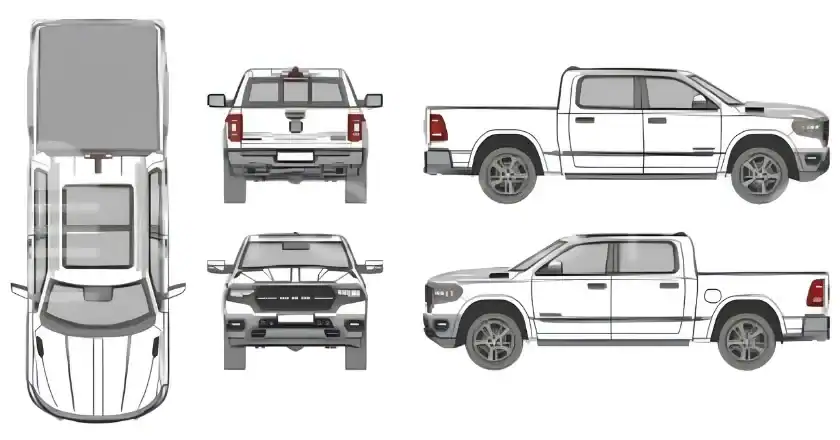
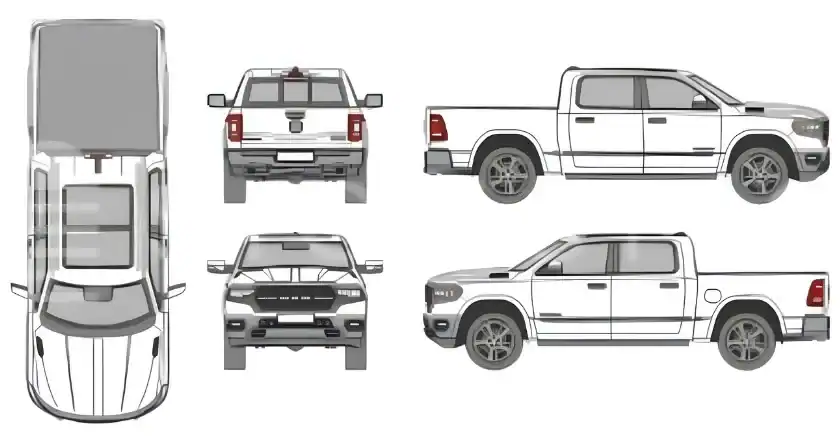
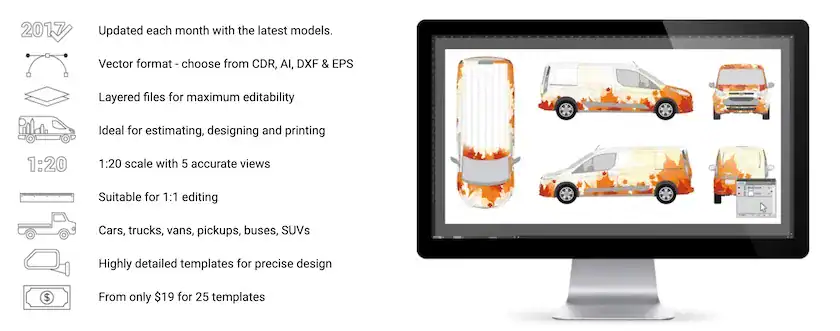
By the early 2010s, the industry began to standardize the use of vector-based templates. These files provided a two-dimensional blueprint of a vehicle’s exterior, scaled accurately to allow designers to place graphics with confidence. SignSilo entered this space by recognizing that the "one-size-fits-all" approach of generic stock photo sites was insufficient for the specialized needs of sign shops. By providing 1:10 scale vector outlines, the platform revolutionized the workflow, allowing for a seamless transition from the computer screen to the printer and finally to the vehicle surface.
Technical Specifications and the Necessity of 1:10 Scale Vectors
The primary challenge in vehicle wrap design is the translation of a 2D design onto a 3D object characterized by compound curves, rivets, and varying surface tensions. SignSilo addresses this by utilizing 1:10 scale vector templates. In professional printing, vector graphics are essential because they are mathematically defined, allowing them to be scaled to any size without losing resolution or becoming "pixelated."
A 1:10 scale means that one inch on the digital template represents ten inches on the actual vehicle. This ratio is the industry standard because it keeps file sizes manageable for design software like Adobe Illustrator or CorelDRAW while maintaining enough detail for the high-resolution output required for large-format printers. When a designer uses a SignSilo template, they are working with a blueprint that includes:
- Precision Outlines: Accurate depictions of body panels, including doors, windows, lights, and trim.
- Contour Lines: Guidance on where the vinyl will need to stretch or be cut.
- Hardware Placement: Exact locations for door handles, fuel caps, and emblems, which are critical "dead zones" where text or logos should not be placed.
Without these templates, sign shops often face "re-wraps"—the costly process of removing failed vinyl and re-printing a design that didn’t fit. Industry data suggests that a single measurement error can cost a shop between $500 and $2,000 in lost materials and labor hours, making the accuracy of the template a high-stakes component of the business model.
Economic Impact and Market Data in the Sign Industry
The commercial vehicle wrap market is no longer a niche service for local contractors; it is a multi-billion dollar global industry. According to market research reports, the global automotive wrap film market size was valued at approximately USD 5.8 billion in 2022 and is expected to expand significantly as e-commerce fleets (such as Amazon, UPS, and FedEx) continue to grow.

SignSilo’s disruption of this market is largely economic. Historically, high-quality vehicle templates were sold individually, often costing between $50 and $100 per vehicle model. For a sign shop managing a diverse range of clients—from a local florist with a Ford Transit to a construction firm with a fleet of Chevrolet Silverados—the cost of acquiring templates could erode profit margins.
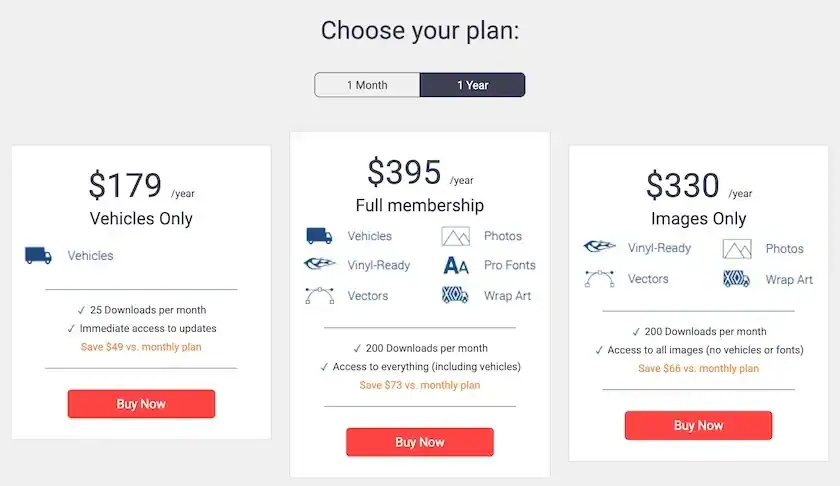
SignSilo shifted this paradigm by introducing a subscription-based model. By offering "unleashed" access to thousands of templates for a flat monthly or annual fee, the platform has lowered the barrier to entry for small-to-medium-sized sign shops. This democratization of professional-grade assets allows smaller players to compete with large national branding agencies by providing the same level of technical precision and presentation quality.
Official Industry Responses and Workflow Integration
Professional wrap installers and designers have noted that the "SignSilo effect" is most visible in the client approval phase. In the sign industry, the "proof" is the document sent to the client to show how the finished product will look. Using generic sketches often leads to client hesitation or post-installation dissatisfaction.
Industry experts suggest that using accurate templates increases client closing rates by up to 30%. When a client sees their branding perfectly aligned on a high-resolution vector mockup of their specific vehicle model—including the correct year and trim level—the perceived value of the service increases.
Furthermore, the integration of these templates into the production workflow has streamlined the "weeding" and "masking" stages of vinyl application. Because the designers know exactly where the panels end, they can build in the necessary "bleed" (extra graphic area) to ensure full coverage without excessive waste. This efficiency is vital in an era where supply chain fluctuations have made high-quality cast vinyl a precious and sometimes expensive commodity.
Broader Implications for Fleet Branding and Marketing
The implications of SignSilo’s platform extend beyond the design desk. For fleet managers, the consistency of branding across different vehicle types is a major logistical challenge. A logo that looks centered on a van may look cramped on a pickup truck. SignSilo’s library allows for "cross-vehicle branding," where a designer can open multiple templates and ensure that the visual identity remains cohesive across an entire corporate fleet.
This level of standardization is also a boon for the emerging "wrap-advertising" economy, where private drivers are paid to have their cars wrapped in brand logos. As this gig-economy sector grows, the need for a centralized, reliable database of vehicle dimensions becomes a requirement for the agencies coordinating these campaigns.
Additionally, the rise of electric vehicles (EVs) presents a new challenge. Models like the Tesla Cybertruck, the Ford F-150 Lightning, and various Rivian models have unique body geometries that differ significantly from traditional internal combustion engine vehicles. SignSilo’s commitment to updating its library with the latest models ensures that sign shops can stay ahead of the curve as the global automotive fleet undergoes an electric transition.
The Future of Wrap Design: AI and 3D Modeling
Looking forward, the vehicle graphics industry is eyeing the integration of Augmented Reality (AR) and 3D modeling. While 2D vector templates remain the workhorse of the industry, there is a growing movement toward 3D "wrapscapes" where a client can view a vehicle in a virtual environment.
SignSilo is positioned to be at the center of this evolution. By maintaining a rigorous database of 2D vectors, they provide the foundation upon which 3D meshes are built. The future of the platform likely involves even deeper integration with print-management software, potentially allowing for "auto-nesting" where the software uses the template data to automatically arrange pieces on a vinyl roll to minimize waste to near-zero percent.
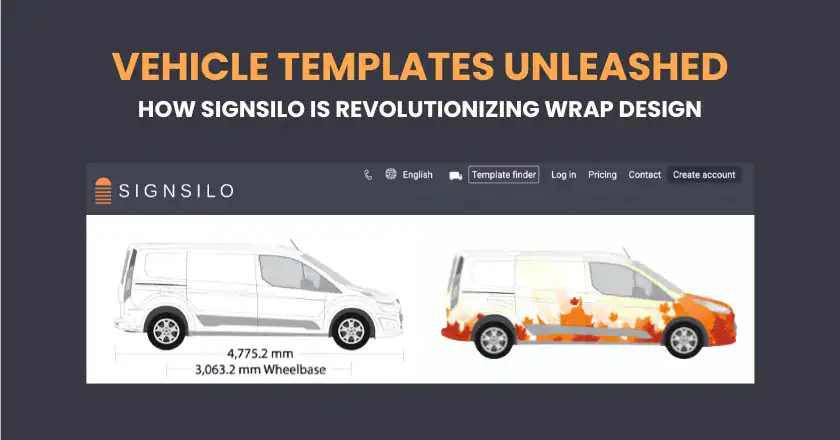
In conclusion, Vehicle Templates Unleashed: How SignSilo is Revolutionizing Wrap Design is more than a headline; it is a reflection of the industry’s shift toward a data-driven, high-efficiency future. By providing the tools necessary for absolute precision, SignSilo is not only helping designers create more beautiful graphics but is also helping sign shops build more profitable and sustainable businesses. As the world becomes increasingly visual, the accuracy of the "mobile billboard" will continue to be a defining factor in the success of brand marketing worldwide.