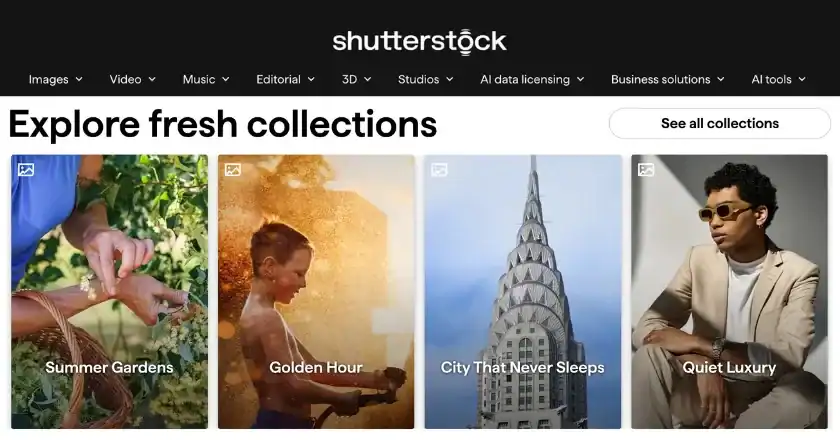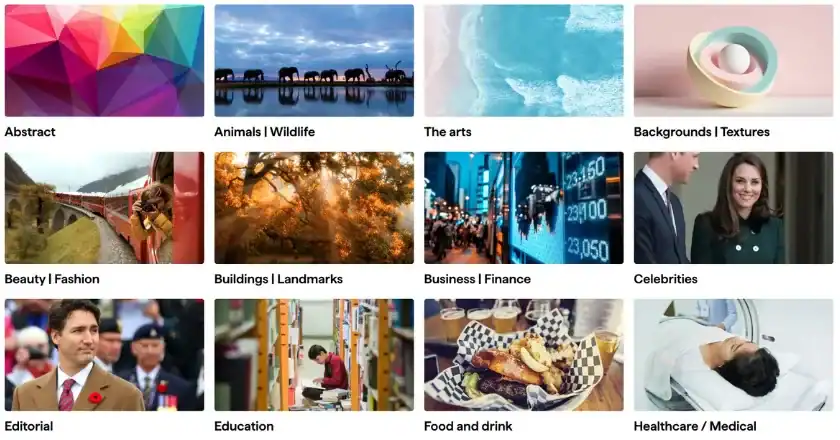
The digital media landscape is witnessing a fundamental shift as Shutterstock, a long-standing leader in the stock photography industry, transitions from a traditional asset repository into a comprehensive, human-led, AI-powered creative platform. This strategic pivot marks a departure from the conventional "search-and-license" model toward a dynamic ecosystem where artificial intelligence and human creativity converge to streamline the production of marketing and creative content. By integrating advanced generative tools directly into its library of hundreds of millions of licensable images, videos, and music tracks, the company aims to resolve the tension between the need for rapid content production and the requirement for brand authenticity and legal safety.
The Strategic Transition to a Creative Hub
For over two decades, Shutterstock has functioned primarily as a middleman between content creators and commercial users. However, the emergence of generative AI has fundamentally altered user expectations, shifting the focus from finding the "perfect image" to creating the "perfect asset." The newly unveiled platform represents a response to this evolution, offering a unified environment where users can discover, adapt, and refine content without leaving the ecosystem.
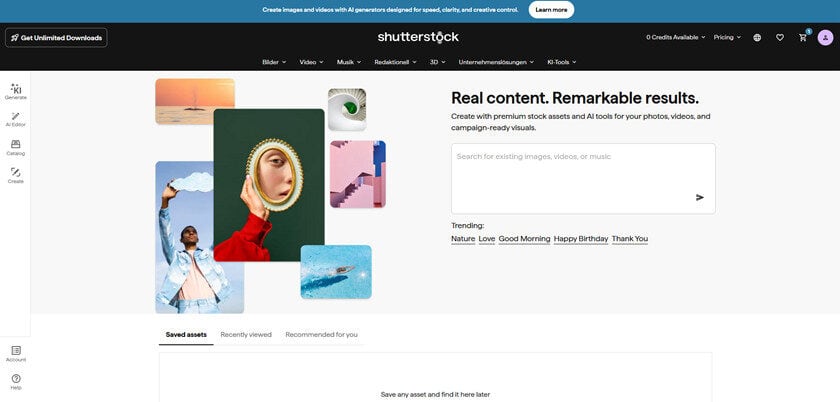
This move is not merely a technical upgrade but a structural reimagining of how creative work is performed. In the traditional workflow, a marketer might search for a stock photo, download it, and then move to a third-party application like Adobe Photoshop or Canva to make adjustments. Shutterstock’s new platform integrates these steps. Users can now select an existing, contributor-created asset and apply AI-driven modifications—such as changing backgrounds, altering lighting, or expanding the frame—within the same interface. This "connected creative environment" is designed to reduce the "friction of creation," allowing teams to move from initial inspiration to final, brand-ready output with unprecedented speed.
A Chronology of Innovation: From Stock to Synthesis
To understand the significance of this evolution, it is necessary to examine the timeline of Shutterstock’s engagement with artificial intelligence. The company’s journey into AI did not begin with the current generative craze but was the result of a multi-year strategy focused on data licensing and technological integration.
In 2021, Shutterstock began formalizing its role in the AI sector by partnering with major technology firms, including OpenAI and LG, to provide high-quality, metadata-rich datasets for training machine learning models. This positioned the company as a foundational pillar of the generative AI movement. By early 2023, Shutterstock launched its first AI image generator, built on OpenAI’s DALL-E technology, which allowed users to create images from text prompts.
Throughout late 2023 and 2024, the company expanded these capabilities, introducing "Creative AI" features that allowed for the editing of existing stock photos. The current evolution into a "Creative Platform" is the culmination of these efforts, representing the full integration of these disparate tools into a single, cohesive workflow. This timeline reflects a broader industry trend where legacy media companies are forced to choose between resisting AI or embedding it into their core value proposition.
Technical Foundations: Model Match and Intuitive Workflows
A centerpiece of the updated platform is Shutterstock’s proprietary "Model Match" technology. As the market for AI models becomes increasingly fragmented—with various models specializing in photorealism, illustration, or video—users are often overwhelmed by technical choices. Model Match acts as an intelligent routing system, automatically connecting a user’s specific prompt or creative requirement with the AI model best suited for the task. This abstraction of technical complexity makes high-end AI creation accessible to non-technical users, such as social media managers and small business owners.

Beyond simple text-to-image generation, the platform introduces several advanced workflow features:
- AI Video Generation: Users can generate short-form video content from text, addressing the high demand for video in digital advertising.
- Conversational AI Search: Moving beyond keyword-based queries, the platform uses natural language processing to help users find assets through descriptive dialogue.
- Content Reference and First Frame Reference: These tools allow users to upload an existing image or video frame to guide the AI’s output, ensuring that generated content maintains visual consistency with a brand’s existing aesthetic.
- Inline Editing: Integrated tools allow for object removal, background replacement, and image expansion (outpainting) directly on the platform.
Commercial Confidence and Legal Indemnification
One of the primary barriers to the corporate adoption of generative AI has been the "black box" nature of training data, which often leads to concerns regarding copyright infringement and intellectual property theft. Shutterstock has sought to differentiate itself by prioritizing "commercial confidence."
Unlike many open-source AI models that are trained on scraped internet data without consent, Shutterstock’s generative tools are trained primarily on its own vast library of licensed content. This "closed-loop" system allows the company to offer legal indemnification to its enterprise customers. If a business uses an AI-generated image on the platform and faces a copyright challenge, Shutterstock stands behind the asset, providing a level of security that is essential for large-scale marketing campaigns.
Furthermore, the platform incorporates human review processes for AI-generated content. This ensures that the outputs meet quality standards and are free from the "hallucinations" or artifacts often associated with early-stage generative AI. By combining machine speed with human oversight, the platform targets professional users who cannot afford the risks associated with unverified AI tools.
The Contributor Economy in the Age of AI
A critical concern within the creative community is the potential for AI to displace human photographers and illustrators. Shutterstock has addressed this through a dual-track strategy that attempts to keep contributors at the center of the ecosystem.
The company’s "Contributor Fund" was established to compensate artists whose work is used to train its AI models. This is a pioneering model in the industry, acknowledging that AI outputs are fundamentally dependent on the human-created data that preceded them. Under the new platform structure, this compensation extends to the editing phase. When a user takes a contributor’s photo and uses AI tools to modify it for a specific project, the original contributor still receives a royalty for the licensed use of the base asset.
This approach frames AI not as a replacement for human creativity, but as an "accelerator." By allowing users to customize stock assets, Shutterstock argues it is increasing the utility—and therefore the licensing frequency—of its human-made library. However, the long-term impact on the demand for traditional custom photography remains a subject of intense debate among industry analysts.
Broader Impact and Market Implications
The evolution of Shutterstock into an AI-powered platform has significant implications for the broader creative industry. First, it signals the "democratization of high-fidelity production." Small teams that previously lacked the budget for custom photoshoots can now produce high-quality, tailored visuals that rival those of major corporations.

Second, it marks a shift in the competitive landscape. Shutterstock is no longer just competing with Getty Images or Adobe Stock; it is now in direct competition with AI-native startups and design platforms like Midjourney and Canva. By leveraging its massive library of 700 million images and 50 million videos as a training and reference base, Shutterstock possesses a "data moat" that newer competitors may find difficult to replicate.
Finally, the move reflects a broader trend toward "AI-native" workflows in professional environments. As evidenced by the launch of a Shutterstock app within ChatGPT, the company is moving its tools into the environments where professionals already work. This integration suggests a future where creative assets are not "bought" in the traditional sense, but "generated and refined" within a continuous digital dialogue.
Conclusion: The Future of Visual Production
The transformation of Shutterstock into a connected, AI-powered creative platform represents a significant milestone in the maturation of generative technology. By anchoring its AI tools in a foundation of authentic human creativity and commercial-grade legal protections, the company is attempting to provide a sustainable path forward for both creators and businesses.
As the platform continues to evolve, the focus will likely shift toward even deeper personalization, where AI can learn a specific brand’s style and automatically apply it to all generated content. For now, Shutterstock has positioned itself at the intersection of two worlds: the established reliability of human-led stock media and the transformative potential of artificial intelligence. In doing so, it has provided a blueprint for how legacy media organizations might navigate the complexities of the digital age, turning the threat of automation into an engine for creative growth.