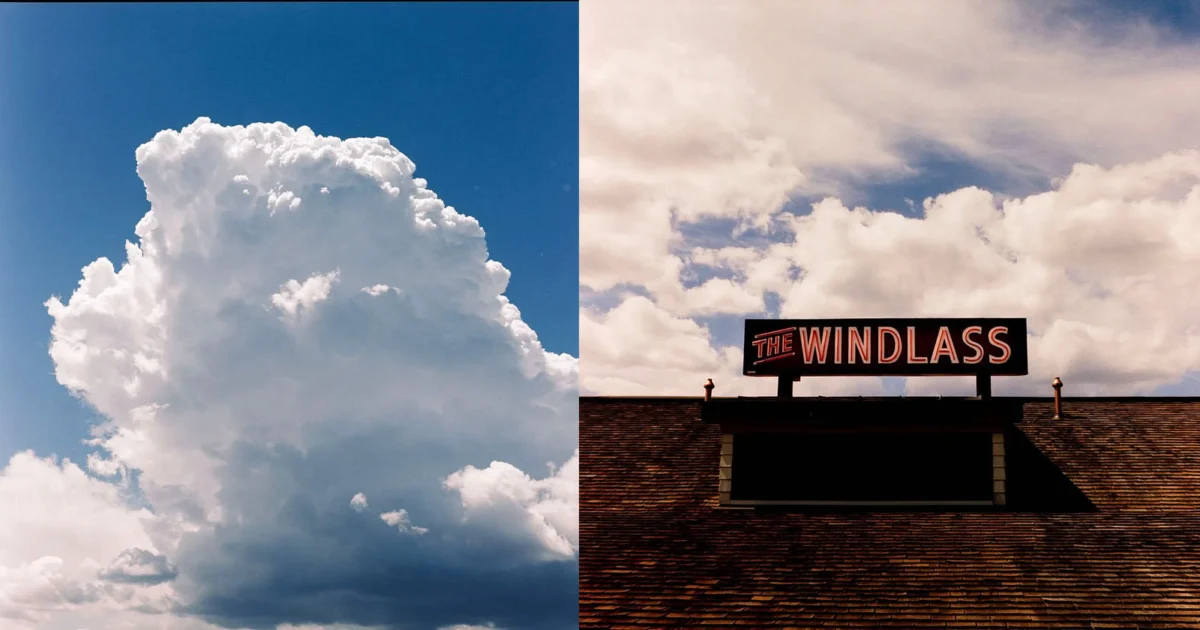
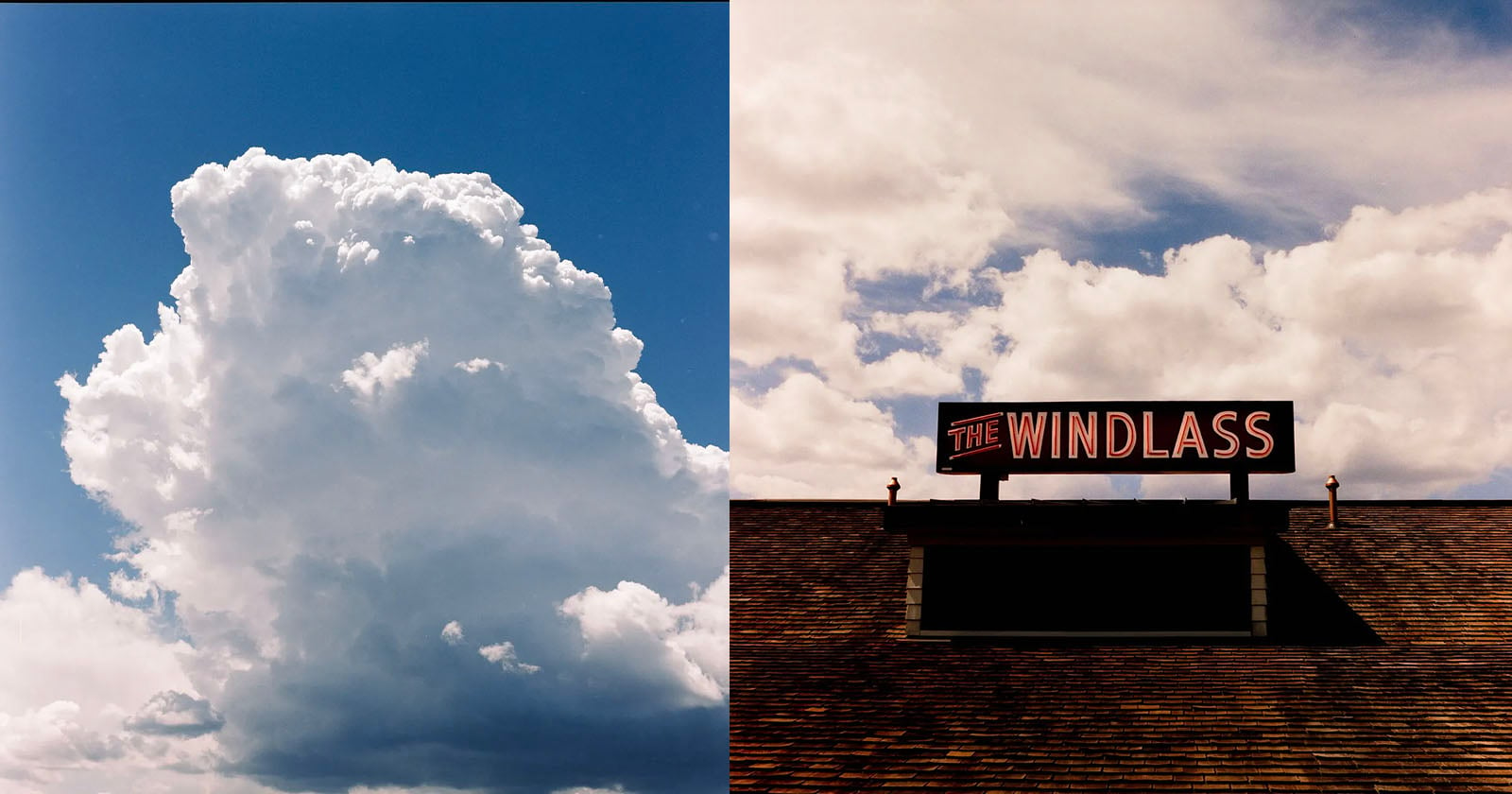
The introduction of a 6×6 medium format camera into a photographer’s toolkit has unveiled a profound and unexpected transformation in their photographic vision, fundamentally reshaping their approach to composition. Initially drawn to the camera for its classic lens characteristics, robust build quality, and the tactile ritual of loading film, the photographer quickly discovered that the square aspect ratio exerted a far more significant influence on their creative output than anticipated. This shift highlights how the very format of the photographic medium can dictate artistic choices, moving away from conventional rectangular framing and fostering a new appreciation for centered, symmetrical, and frontal compositions.
An Immediate Reorientation of Vision
Upon reviewing the first contact sheet from the 6×6 camera, the compositional divergence became strikingly apparent. Photographs captured with the square format exhibited a pronounced tendency towards frontal perspectives, central subject placement, and inherent symmetry—qualities notably distinct from the photographer’s extensive work with 35mm or other rectangular ratios. This forced a re-evaluation of scene interpretation. Without the familiar long side of a rectangular frame to guide or anchor elements, the photographer found themselves instinctively gravitating towards the center, a strategy that consistently yielded compelling and balanced results within the novel confines of the 1:1 aspect ratio. This immediate feedback underscored the powerful, almost subconscious, influence of the frame’s geometry on creative decision-making.
Marshall McLuhan and the Medium’s Mandate
This transformative experience resonates deeply with the seminal media theory advanced by Marshall McLuhan in his 1964 work, "Understanding Media: The Extensions of Man." McLuhan famously posited that "the medium is the message," an idea so impactful that even an editorial typo—changing "message" to "massage"—was ultimately embraced for its suggestive power regarding media’s pervasive influence. At its core, McLuhan’s theory argues that the form of a medium, rather than its specific content, fundamentally alters human perception and societal structures. For instance, the advent of television reshaped culture more profoundly through its inherent characteristics as a medium than through any individual program it broadcast. The format itself preconditions the audience and the creator before any specific content is even consumed.
Applying this principle to photography, the camera’s frame is not merely a neutral boundary but a potent medium in itself. The prevalent rectangular frame, often taken for granted as a natural or universal standard, has its historical roots in the early days of cinema, where film stock was run horizontally through cameras. This historical contingency, rather than an inherent artistic superiority, led to its widespread adoption and subsequent normalization in still photography. Photographers, for decades, have inherited and largely unquestioningly conformed to this rectangular constraint, allowing it to subtly shape their compositional habits. The switch to a square format serves as a compelling real-world demonstration of McLuhan’s enduring insight, proving that the container truly informs the content.
Deconstructing Compositional Dogma: The Rule of Thirds Revisited
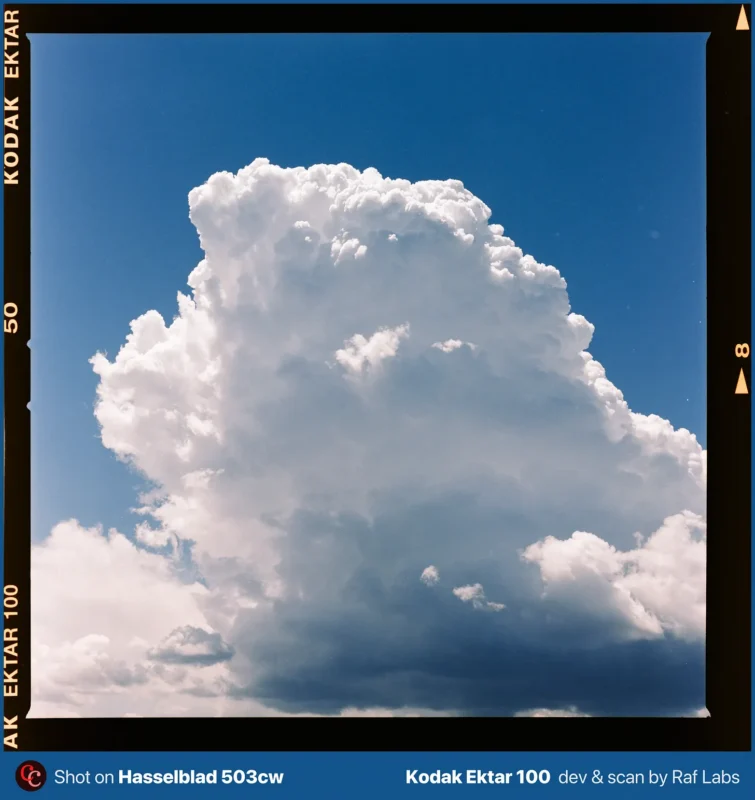
The square format inherently challenges many long-standing compositional conventions, most notably the "rule of thirds." This widely taught guideline suggests placing key subjects along intersecting lines or at their intersections, dividing the frame into nine equal parts. While effective in rectangular frames by providing off-center points of visual interest and dynamic tension, its utility diminishes significantly within a square. The absence of a distinct long side reduces the natural emphasis on these off-center divisions, leading to compositions that often feel less impactful or unbalanced when the rule of thirds is rigidly applied.
The photographer’s experience confirms this: traditional compositional approaches simply "weren’t working" in the square frame. This prompted a conscious abandonment of the rule of thirds in favor of a more intuitive, direct approach—centering subjects, seeking out inherent symmetries, and photographing scenes head-on. The success of this revised methodology underscores a critical lesson: compositional "rules" are indeed guidelines, not immutable laws. They are tools developed within specific contexts (often rectangular frames) and may not universally apply. The square format compels a return to more fundamental principles of balance, harmony, and direct visual engagement, revealing that a strong central presence can be profoundly effective. This artistic liberation from perceived constraints highlights the fluid and evolving nature of photographic aesthetics.
Technical Precision and Enhanced Focus
The specific camera system adopted, an SLR (Single-Lens Reflex) medium format camera, further enhances the compositional advantages of the square format. Unlike rangefinder cameras, which offer an approximation of the scene through separate viewfinders, an SLR provides a direct, through-the-lens view on a ground glass focusing screen. Crucially, this screen often features an etched crosshair at its center. This precise visual aid allows the photographer to square up architectural facades, perfectly level horizons, and meticulously center subjects with an accuracy rarely afforded by other camera types. The immediate visual feedback on the ground glass reinforces the satisfaction derived from achieving perfect alignment and symmetry, fostering a more deliberate and precise compositional process.
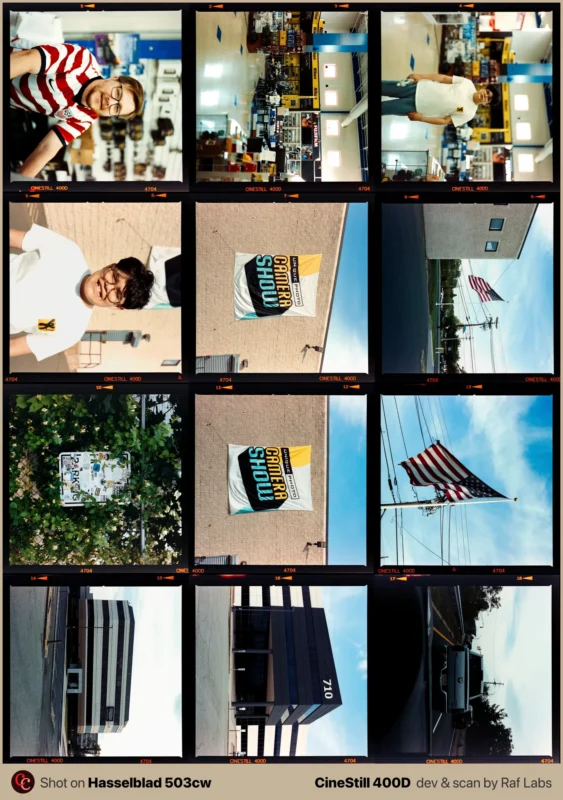
Moreover, the square frame, particularly when paired with a versatile 80mm lens (which often translates to a "normal" field of view in medium format, similar to a 50mm on full-frame 35mm), simplifies the act of framing. In rectangular formats, especially with wider lenses, photographers often find themselves "fighting the corners," constantly working to exclude extraneous elements that detract from the main subject. The square’s more compact and balanced perimeter inherently performs part of this exclusion, reducing visual clutter and allowing the photographer to dedicate more attention to the primary subject and the essence of the scene. This reduction in peripheral "noise" leads to a more focused, primal, and ultimately, a more aesthetically pleasing outcome, making the shooting process both easier and more inspiring.
The Modularity Advantage: Bridging Analog and Digital Realms
A significant draw of many medium format systems, particularly those like the Hasselblad V-system implied by the 6×6 format and modularity, is their inherent flexibility. These cameras are often composed of interchangeable components: body, lens, viewfinder, and film back. This modularity offers a unique pathway for photographers to adapt their gear to evolving needs and technologies. The long-term aspiration for many users of such systems is to integrate a digital back, effectively transforming an analog film camera into a high-resolution digital capture device overnight.
While the prospect of acquiring a high-end digital back for a medium format system represents a substantial financial investment—often costing thousands of dollars—it exemplifies the enduring value proposition of these cameras. It speaks to a desire among photographers to blend the classic aesthetics and tactile experience of analog photography with the contemporary convenience and workflow efficiencies of digital capture. This forward-looking approach underscores a broader trend in professional photography where hybrid workflows are becoming increasingly common, allowing artists to leverage the best of both worlds. Such a transition, while financially demanding, signifies a commitment to future-proofing equipment and expanding creative possibilities without abandoning the cherished foundations of traditional photography.
Universal Compatibility: A Boon for Cross-Platform Publishing
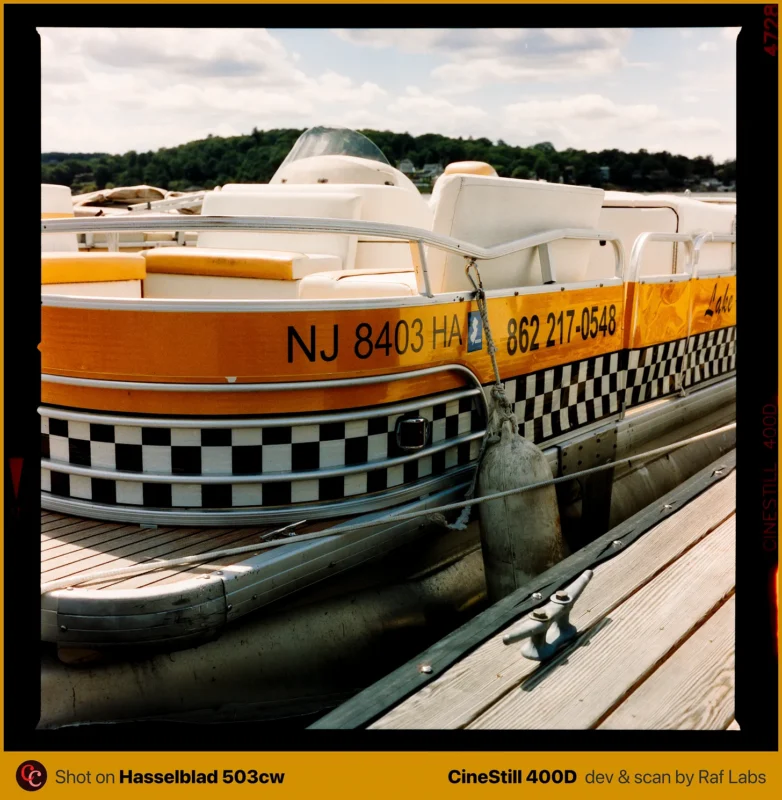
Beyond the aesthetic and technical benefits, the square format offers a practical advantage in the contemporary digital landscape: its universal compatibility across diverse online platforms. Modern photographers and content creators face an ongoing challenge in adapting their images for various social media and publishing outlets. Instagram, for instance, largely favors vertical orientations, while platforms like Substack on a desktop browser are optimized for horizontal viewing. This constant need to re-crop, reformat, or choose between vertical and horizontal compositions for different destinations can be a significant logistical and creative headache, forcing photographers to often "shoot for two masters."
The square format elegantly resolves this dilemma. A 1:1 aspect ratio is inherently flexible, fitting seamlessly into both vertical and horizontal display environments without awkward cropping or excessive negative space. It presents as a compact, impactful image whether viewed on a mobile screen or a wide desktop monitor. This "one photograph, two homes" scenario is a significant efficiency gain for creators. It eliminates the need for compromises in composition or the time-consuming process of creating multiple versions of an image for different platforms. In an era where digital presence is paramount, the square format emerges as a pragmatic and powerful tool for streamlined, consistent, and visually appealing cross-platform content delivery, providing a clear score for the modern photographer.
The Call to Experimentation: Beyond the Gear
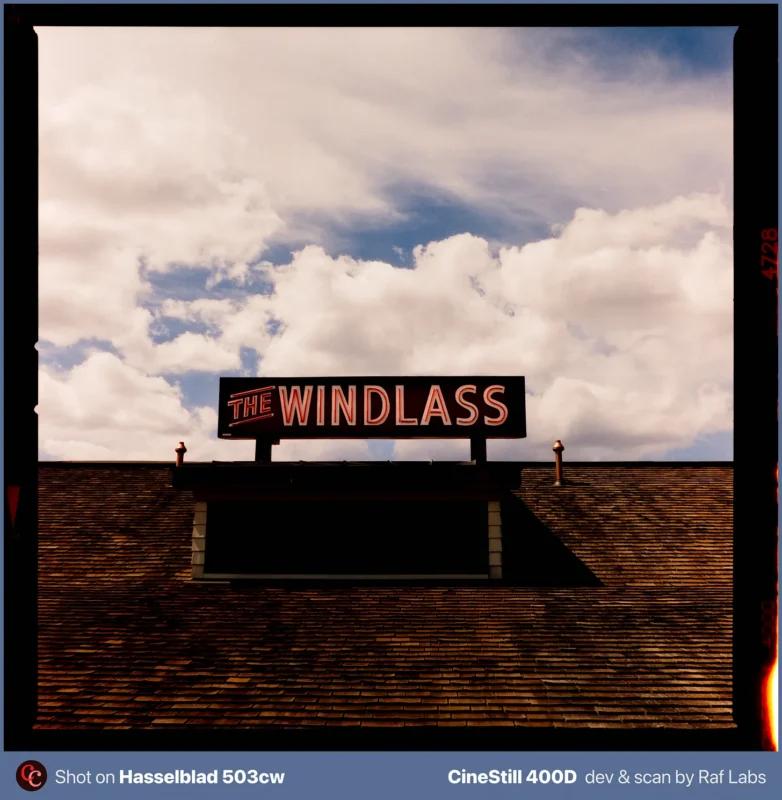
The profound impact of the square frame is not exclusive to owners of expensive medium format cameras. The core lesson—that the format itself can unlock new compositional instincts—is accessible to any photographer willing to experiment. The most straightforward way to explore this is by cropping existing rectangular photographs to a 1:1 ratio. This simple act can reveal which elements truly hold visual weight and how the image’s balance shifts when confined to a square. More powerfully, photographers can delve into their camera’s settings to find an in-camera square format option, allowing the viewfinder or LCD screen to display a square frame while shooting.
This distinction is crucial: cropping an image post-capture merely alters the file, but composing within a square frame changes the photographer. It forces a re-evaluation of visual hierarchy, spatial relationships, and the very act of seeing. By engaging with this constraint upfront, photographers can train their eye to perceive the world in a new, balanced, and often more direct way. This invitation to experimentation encourages a deeper understanding of compositional principles and a liberation from habitual framing, proving that artistic growth often stems from embracing new perspectives, even those as seemingly simple as a shift in aspect ratio.
A Rich History and Enduring Appeal
The square format is far from a modern novelty; it boasts a rich history in photography. Iconic cameras like the Rolleiflex twin-lens reflex (TLR) cameras and the Hasselblad single-lens reflex systems popularized the 6×6 format, imbuing it with a distinct artistic legacy. The Hasselblad, in particular, gained legendary status as the camera used by NASA astronauts on the moon, cementing the square’s place in photographic lore. These cameras were favored not just for their technical prowess but for the unique aesthetic qualities their square negatives offered: a sense of timelessness, balance, and often a more contemplative, artistic feel compared to the dynamic narratives often associated with rectangular frames.

Historically, the square allowed for greater flexibility in printing, as the image could be cropped to various rectangular orientations post-capture without losing significant resolution, a practical consideration in darkroom processes. Today, its appeal lies in its inherent stability and the way it encourages a focused, almost meditative approach to composition. It pushes photographers to consider the interplay of elements within a self-contained, perfectly balanced space, fostering a style that is often perceived as more deliberate and artistic.
Broader Implications for Creative Practice
The experience of adapting to the square format serves as a powerful reminder of how technical specifications and historical conventions can profoundly shape artistic output. It challenges photographers to periodically step outside their comfort zones, to question ingrained habits, and to experiment with different tools and constraints. By doing so, they can unlock new creative pathways and deepen their understanding of their craft.
Ultimately, this journey into the square frame demonstrates that the relationship between a photographer and their tools is a dynamic one. The camera is not merely a passive recorder of reality; its design, its format, and its inherent characteristics actively participate in the creative process, influencing perception, guiding composition, and ultimately, shaping the final artistic statement. In an ever-evolving photographic landscape, embracing such shifts in perspective is not just an aesthetic choice, but a testament to the ongoing quest for deeper engagement and renewed inspiration in the art of image-making.