The evolution of mobile photography has reached a critical juncture where the distinction between professional digital single-lens reflex (DSLR) cameras and high-end smartphones continues to blur. Central to this technological shift is the iPhone, which has transitioned from a simple communication device into a sophisticated tool for artistic expression. As computational photography matures, the ability to produce compelling, high-quality portraits is no longer reserved for those with expensive studio equipment. By leveraging a combination of advanced sensor technology and classic photographic principles, users can transform standard snapshots into evocative works of art. This report examines seven strategic methodologies for enhancing iPhone portraiture, grounded in professional techniques and the current landscape of mobile imaging.
The Rise of Computational Portraiture: A Brief Chronology
To understand the current state of iPhone portraiture, it is essential to trace the technological milestones that have empowered mobile photographers. The introduction of the iPhone 7 Plus in 2016 marked a pivotal moment with the debut of "Portrait Mode," which utilized dual-lens systems to simulate a shallow depth of field, or "bokeh." This was followed in 2017 by Portrait Lighting, which used machine learning to emulate studio lighting conditions.
By 2020, the integration of LiDAR (Light Detection and Ranging) on Pro models significantly improved depth mapping, particularly in low-light environments. Today, Apple’s "Photonic Engine" and "Deep Fusion" technology work at the pixel level to optimize texture, detail, and noise reduction. Industry data suggests that over 90% of smartphone users now utilize their devices as their primary cameras, with portraiture remaining the most popular genre of mobile photography. This democratization of the medium has necessitated a deeper understanding of creative techniques to distinguish personal work in a saturated digital landscape.
1. Mastering High-Contrast Light for Dramatic Impact
The use of high-contrast lighting, often referred to in classical art as chiaroscuro, is a primary method for injecting drama into portraiture. High-contrast light occurs when a scene contains both intense highlights and deep, dark shadows. This technique emphasizes the contours of the human face and creates a sense of mystery.
Professional photographers suggest that the most effective way to achieve this on an iPhone is by seeking out harsh sunlight or singular, directed light sources. In an outdoor setting, a subject positioned where a bright light meets a structural shadow—such as a building edge—allows for a stark division of the frame. To execute this technically, the user must tap the iPhone screen to set the focus on the subject’s face and then manually swipe down on the exposure slider. This action crushes the blacks in the image, ensuring the shadows are rich and devoid of digital noise.
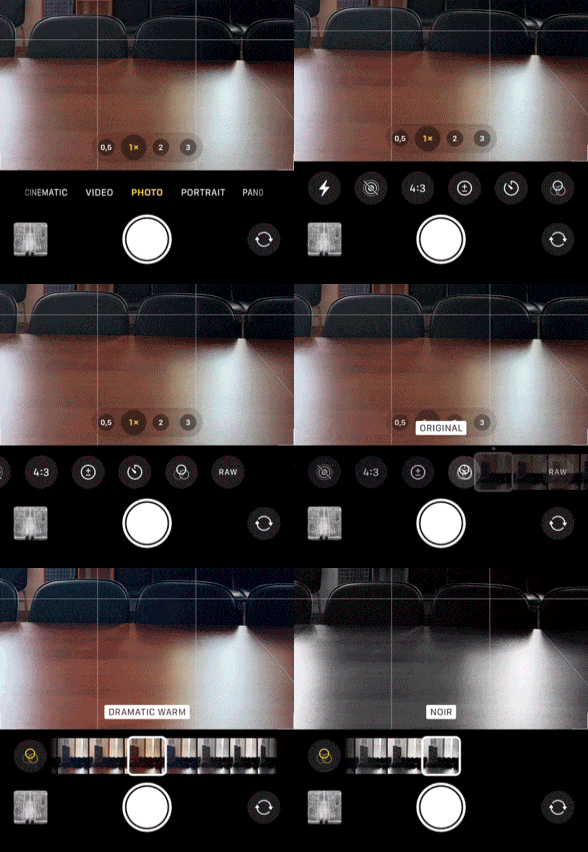
Furthermore, high-contrast portraits are particularly well-suited for black-and-white conversions. Modern photo editing applications allow for the manipulation of color filters within a monochromatic space, enabling photographers to brighten skin tones while darkening the background to create a timeless, cinematic aesthetic.
2. Utilizing Geometric Light Patterns
Beyond simple light and shadow, the introduction of patterns can add layers of visual complexity to a portrait. These patterns act as natural textures that can alter the perception of the subject’s form. Indoors, these patterns are frequently found where sunlight passes through window blinds, lace curtains, or beveled glass. Outdoors, the dappled light filtered through tree leaves or the rhythmic shadows of a picket fence provide similar opportunities.
The technical challenge in capturing light patterns lies in maintaining the integrity of the subject’s features. Photographers are advised to position the subject so that the pattern enhances rather than obscures the eyes. This often requires micro-adjustments in the subject’s pose. By reducing the exposure on the iPhone, the highlights of the pattern become the focal point, while the shadows recede, creating a high-fashion or avant-garde look. This technique is often employed in editorial photography to create a sense of place or mood without the need for complex set designs.
3. Strategic Posing and the Psychology of Perspective
The physical arrangement of the subject—their pose—is a fundamental element of storytelling. Standard "point-and-shoot" poses often result in static images that fail to engage the viewer. Professional portraitists emphasize three specific techniques to break this monotony: framing, tension, and perspective.
Natural framing can be achieved by using the subject’s own hands to draw attention to the face. By placing hands at different levels, such as one near the temple and another near the jawline, the photographer creates a visual path for the viewer’s eye. This not only adds structural interest but also provides the subject with a physical "anchor," often making them appear more relaxed and authentic.
Perspective shifts, specifically low-angle shots, offer a radical departure from the human eye’s standard view. Using the iPhone’s wide-angle lens from a low vantage point can make a subject appear more powerful or dynamic. This technique is frequently used in sports and fashion photography to emphasize movement, such as a subject stepping toward the lens. Analysts note that these non-traditional angles are highly effective in digital marketing, as they interrupt the "scroll-reflex" on social media platforms.
4. Evoking Dreamy Moods Through Motion and Expression
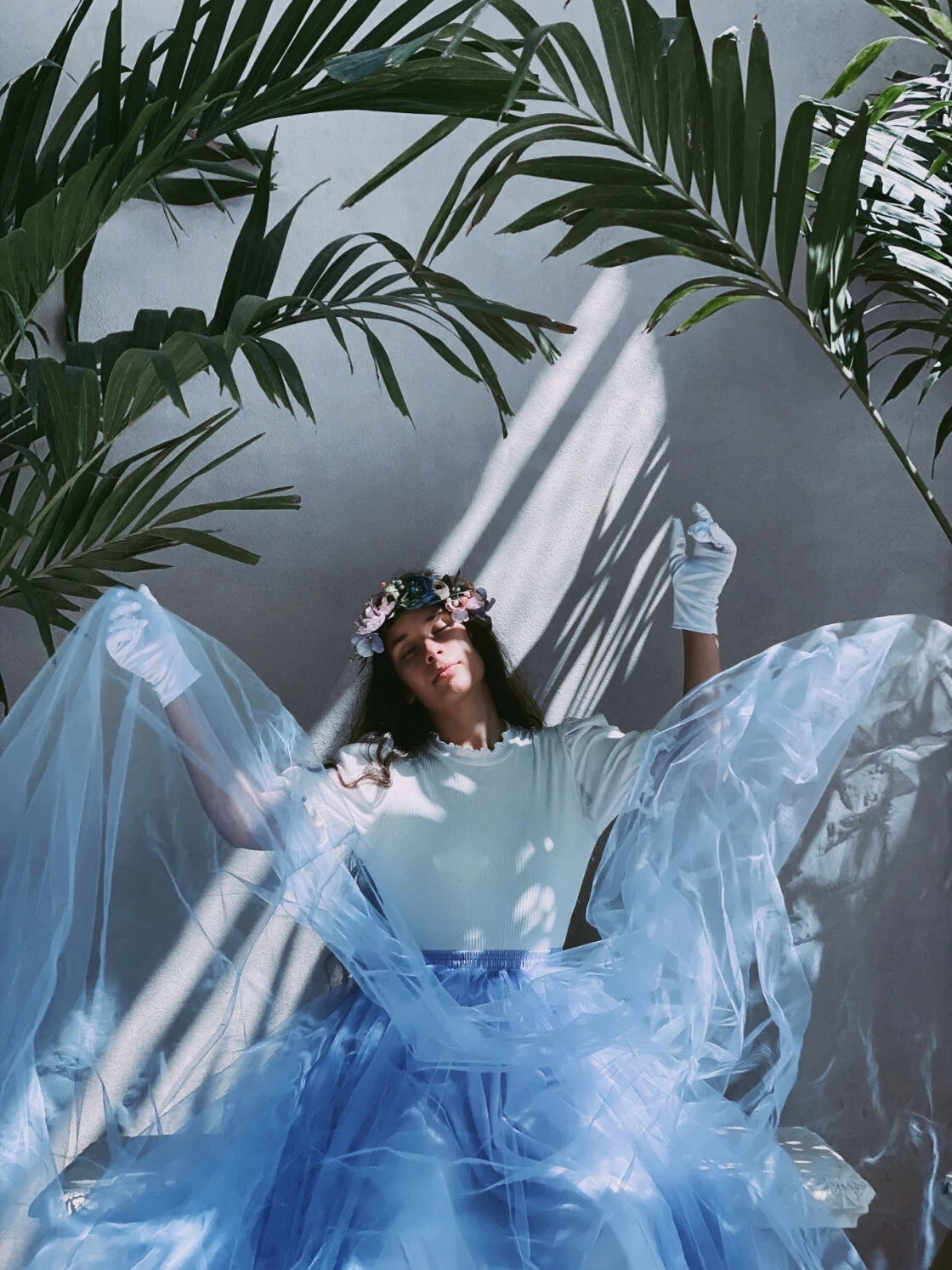
While drama is often found in contrast, a "dreamy" or ethereal mood is found in softness and fluidity. Achieving this aesthetic requires a focus on movement and relaxed facial expressions. One effective method involves the use of fabric. A subject wearing loose clothing or holding a sheer veil can create a sense of motion that feels both elegant and spontaneous.
To capture the unpredictable nature of falling fabric, the iPhone’s "Burst Mode" is an indispensable tool. By capturing ten frames per second, the photographer can select the exact millisecond where the fabric creates the most pleasing composition. Software updates in iOS have streamlined this process, allowing users to slide the shutter button to initiate a burst.
The emotional resonance of a dreamy portrait is further enhanced by the subject’s expression. Closing the eyes or looking away from the lens removes the direct "confrontation" between the subject and the viewer, inviting the viewer to observe the subject in a moment of private reflection. This technique is a staple in fine-art portraiture and wedding photography.
5. Navigating the Complexity of Multi-Subject Portraits
Posing two people requires a balance of geometry and emotional connection. The primary difficulty in multi-subject portraits is ensuring that both individuals are in the same focal plane, especially when using the iPhone’s Portrait Mode, which can sometimes struggle with depth-of-field calculations for multiple faces.
A simple but effective technique for siblings or close friends is the "half-face" close-up, where each person occupies one side of the frame. This creates a powerful image of symmetry and shared identity. For subjects of different heights, photographers suggest "staggering" their positions in space. Having one person stand slightly ahead of the other creates a three-dimensional feel and allows the photographer to experiment with foreground and background blur.
In couples’ photography, the focus shifts to intimacy. Encouraging subjects to look at each other or close their eyes during a hug shifts the narrative from "posing for a camera" to "sharing a moment." This authenticity is highly valued in contemporary portraiture, where the goal is to capture a feeling rather than a perfect likeness.
6. Props as Narrative Catalysts
In the context of visual storytelling, props serve as the "vocabulary" of the image. A portrait without props is a study of a person; a portrait with a prop is a story about a life. The choice of prop should align with the desired emotional output of the photo.
Flowers are perhaps the most versatile prop, capable of representing growth, beauty, or, conversely, fragility and loss. Vintage items, such as old cameras or classic cars, immediately establish a specific chronological setting, tapping into the viewer’s sense of nostalgia. For a more psychological approach, props like blindfolds or mirrors can be used to represent themes of identity, secrecy, or self-reflection.
Data from creative agencies suggests that portraits featuring props have higher engagement rates because they provide a "hook" that invites the viewer to wonder about the context of the shot. The prop should never overwhelm the subject; rather, it should act as a supporting character in the visual narrative.
7. Wardrobe Styling and Environmental Harmony
The final pillar of creative iPhone portraiture is styling. The subject’s clothing is a major contributor to the image’s color palette and overall texture. Professional stylists recommend matching the wardrobe to the location to create "environmental harmony."
In a natural, rural setting, neutral tones and organic fabrics like linen or wool complement the surroundings. In an urban environment, bold colors or "grungy" textures like denim and leather provide a necessary contrast to the concrete and glass of the city. Color theory plays a significant role here: a subject wearing a red dress against a green forest will pop due to the use of complementary colors, whereas a subject in beige against a sandy beach creates a minimalist, monochromatic look.
Analysis of Broader Implications
The ability to create professional-grade portraits with an iPhone has significant implications for both the art world and the economy. For the individual, it means the power to document their life with artistic intent. For the professional photographer, it has shifted the industry’s focus from "owning the best gear" to "possessing the best eye."
The rise of high-quality mobile portraiture has also fueled the "creator economy." Platforms like Instagram and LinkedIn are now driven by visual identity. As mobile cameras continue to integrate artificial intelligence, the barrier to entry for creative photography will continue to lower. However, as this report has outlined, the core principles of lighting, posing, and storytelling remain the true differentiators of quality.
In conclusion, capturing compelling iPhone portraits is a synthesis of technical proficiency and creative intuition. By mastering light, experimenting with perspective, and carefully considering the narrative elements of props and styling, photographers can transcend the limitations of mobile hardware. The iPhone is no longer just a camera; it is a gateway to a new era of visual communication where the only limit is the photographer’s imagination.