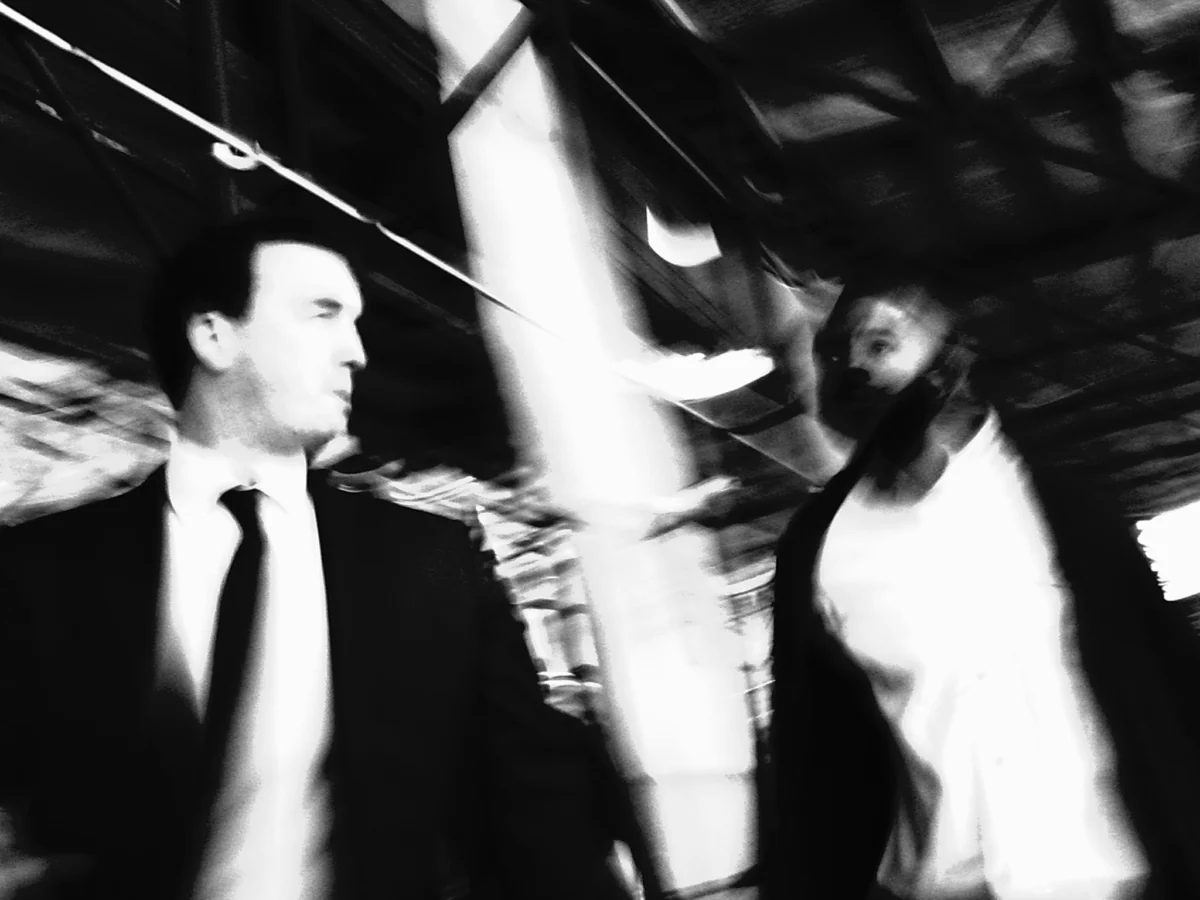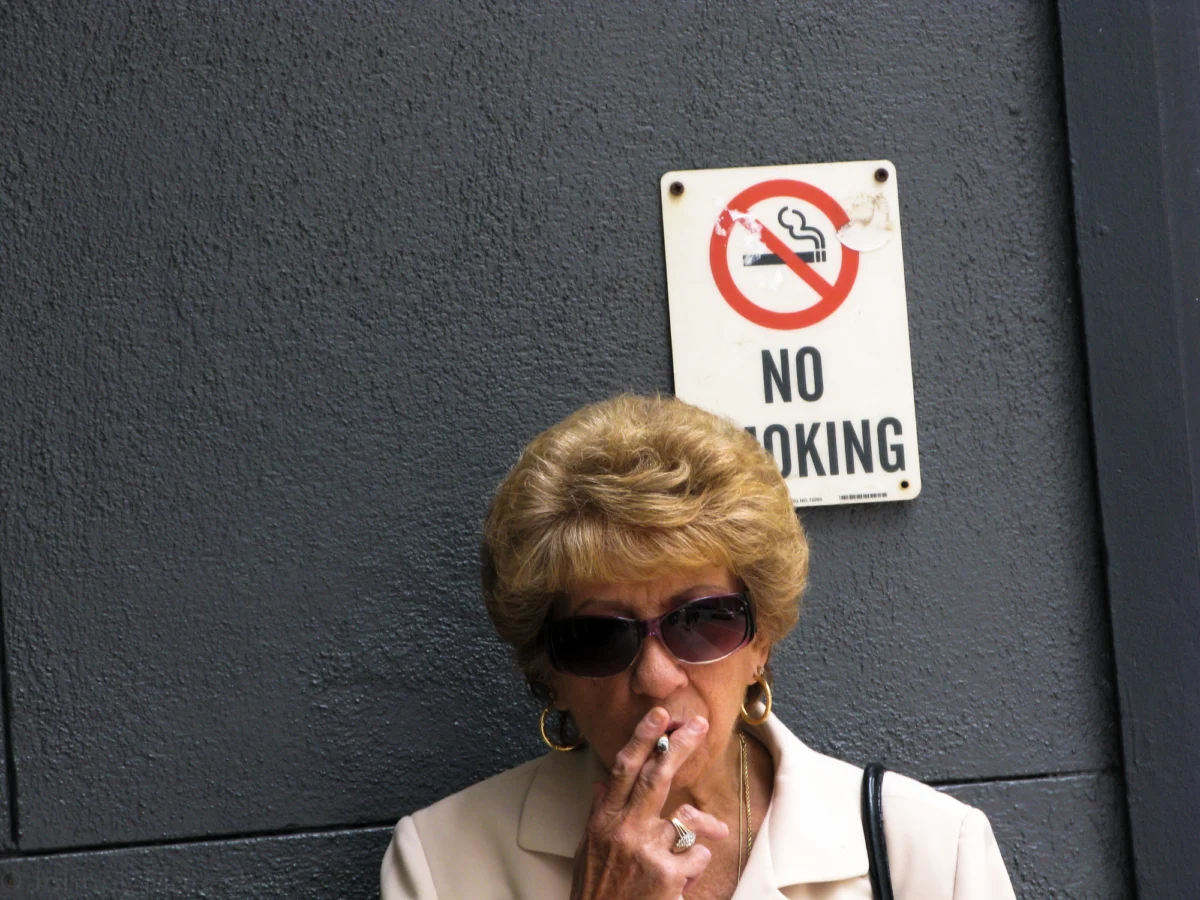
The ongoing discourse within the photographic community, particularly concerning the definition of street photography, has reached a point of considerable online contention. Photographers frequently engage in debates, attempting to delineate what precisely constitutes a street photograph, often amidst a backdrop of an ever-expanding digital landscape. This persistent questioning, while seemingly an effort to provide clarity, may inadvertently be hindering the genre’s evolution and artistic potential. The sheer volume of imagery produced daily—estimated to exceed five billion photographs globally—has rendered broader photographic categories increasingly unwieldy. This proliferation necessitates a re-evaluation of how we categorize and appreciate different photographic styles, but an overly rigid adherence to definitions can lead to a stifling of creativity.
The Perils of Prescriptive Definitions
The primary concern raised by critics of overly defined genre boundaries is the resultant homogeneity of photographic output. When photographers begin to perceive a set of implicit or explicit "rules" for a particular genre, the temptation to adhere to a perceived formula becomes strong. This can lead to the creation of repetitive and uninspired images, a phenomenon that has become particularly evident in the street photography sphere. The pursuit of recognizable tropes, such as the ubiquitous umbrella-wielding figure in a rain-soaked urban setting, the silhouette of an elderly gentleman in a fedora against a backdrop of dramatic light and shadow, or the now-clichéd image of a young person standing before graffiti, suggests a creative inertia.
This trend is observable across various online platforms, where street photography can sometimes resemble a form of visual cosplay. The recurrence of similar motifs—the same umbrellas, the same stark silhouettes, the same adherence to a particular aesthetic often associated with specific camera brands like Leica, and the repeated interpretation of Henri Cartier-Bresson’s concept of the “decisive moment”—contributes to a landscape that is ironically predictable within a genre ostensibly dedicated to the unexpected. This phenomenon mirrors historical instances in other creative fields where prescriptive formulas, even those born from popular endorsement, have led to a predictable output. For example, the success of certain literary works championed by influential platforms has, at times, inadvertently fostered a template that authors might follow, resulting in a proliferation of formulaic narratives.
The consequence for street photography is a potential barrier to attracting a wider commercial audience, especially for more contemporary interpretations of the genre. The constant output of similar images can dilute the impact and originality of the work, making it difficult for truly groundbreaking photography to emerge and gain recognition. Furthermore, the pressure to conform to perceived genre norms can actively stifle individual artistic expression. Photographers may find themselves creating work that satisfies an external checklist rather than exploring their unique vision. This has led some to express a weariness with the constant evaluation of street photography, noting that many entries in competitions feel indistinguishable, as if produced by a single, albeit prolific, artist.
The Case for Generosity in Interpretation
The fundamental question that arises from this discussion is whether the strict categorization of street photography is even necessary. The author posits that perhaps all a street photograph truly requires is to be a photograph that is compelling and worthy of attention. This perspective challenges the established norms that often seek to answer specific questions about the genre’s constituent elements: Does a street photograph necessitate the presence of a human subject? Must it be set within an urban environment?
While these questions are not inherently invalid, they may be more productively viewed as prompts for contemplation rather than definitive problems requiring absolute solutions. The inherent complexity of photographic interpretation means that any attempt to impose rigid answers often encounters exceptions, thus undermining the very definitions being sought.
Consider the implication of requiring an urban landscape. This definition would effectively exclude photographers working in rural or remote areas from contributing to the genre, a proposition that seems counterintuitive and unnecessarily restrictive. Renowned photographers like Martin Parr, whose work often captures the nuances of seaside resorts, would arguably be sidelined. Similarly, William Eggleston’s iconic “Tricycle” photograph, which lacks both a human subject and an overt urban backdrop, is widely acknowledged and celebrated within street photography circles, underscoring the limitations of narrow definitions. These examples highlight how quickly attempts to fence in the genre lead to complications and contradictions.
The Evolving Nature of Photographic Genres
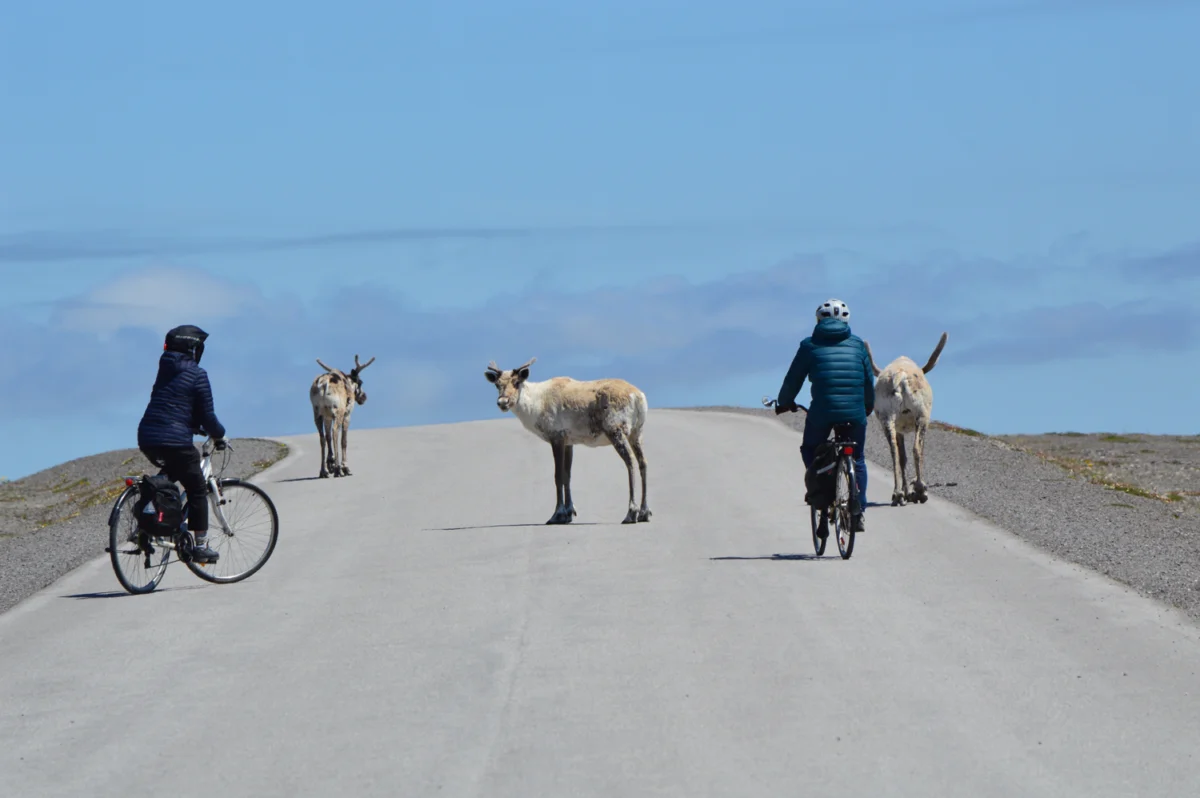
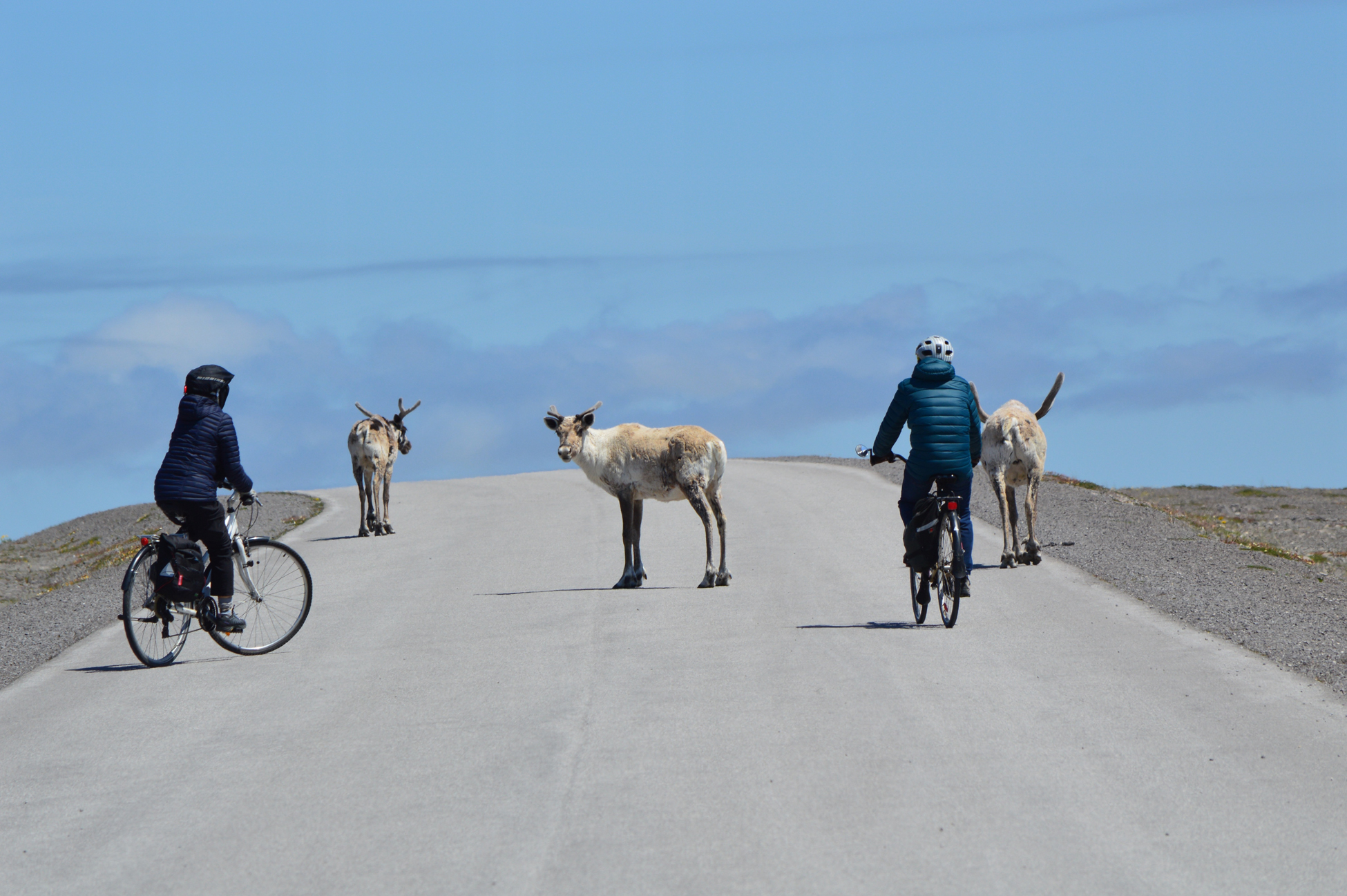
The discussion intensifies when considering the very nature of genres themselves. The author cites an example of a photograph taken by Susan Sweet, a Canadian painter and relative, in Newfoundland. The question of whether this image qualifies as street photography, regardless of the answer, served as a catalyst for deeper reflection. This personal anecdote underscores the subjective and fluid nature of photographic appreciation.
The underlying proposition is that perhaps street photography, or indeed any photographic genre, does not need to be a rigidly defined category at all. The author expresses a long-held preference for allowing photographs to communicate directly, without the need for extensive verbal explanation or categorization. This extends to a growing comfort with accepting photographs simply as photographs, open to individual interpretation. The assertion that “great photographs create genres, not the other way around” encapsulates this philosophy. Historically, significant artistic movements have often emerged organically, with groundbreaking works preceding and subsequently defining the categories to which they belong. Genres, in this view, are a consequence of artistic innovation, not its progenitor.
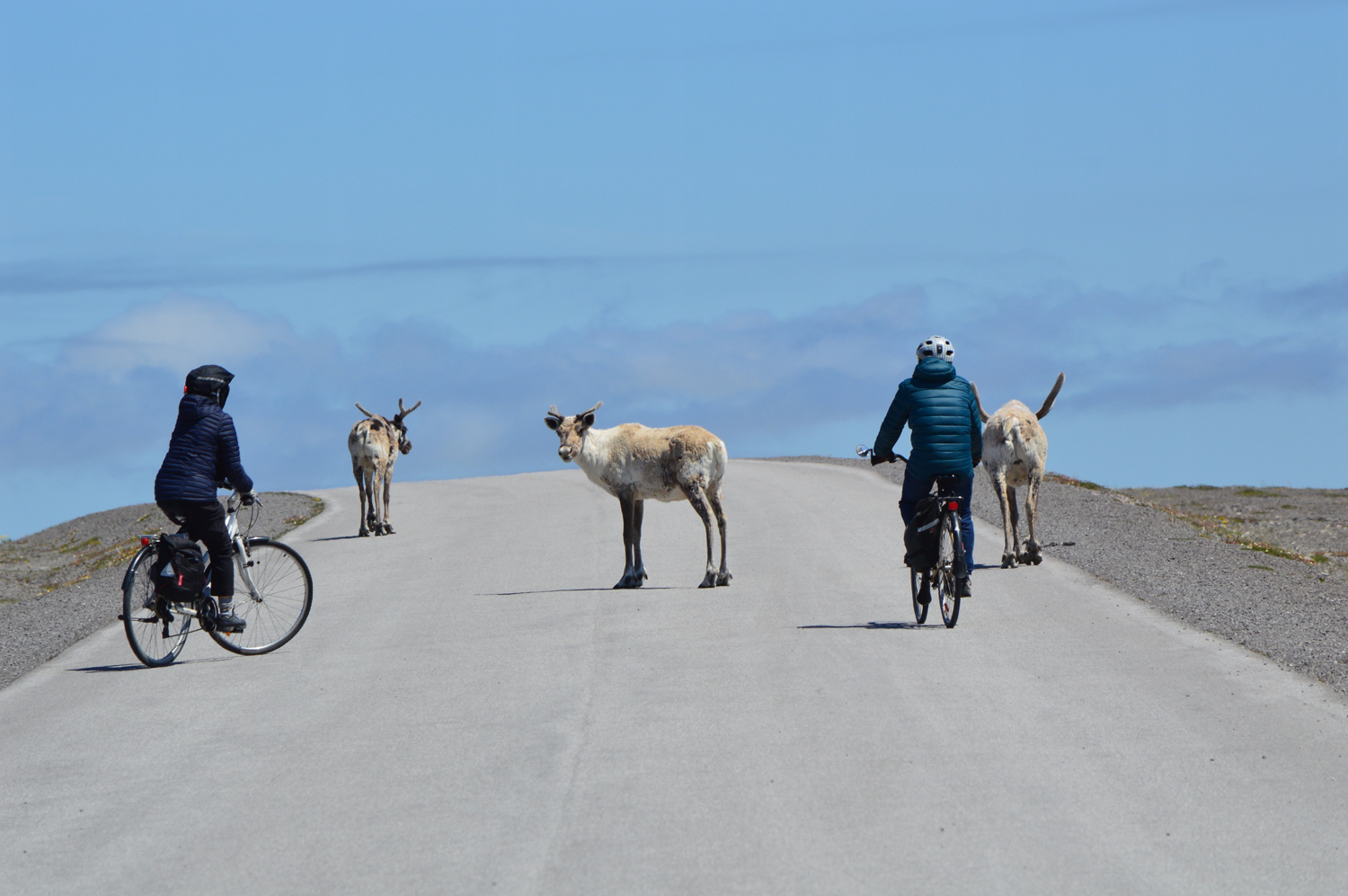
While acknowledging the continued existence and utility of genres in photography, as in other art forms like music, cinema, and painting, the author advocates for a more expansive perspective when accepting what might be considered street photography. The suggestion is to shift focus away from the dictates of social media algorithms, which often reward adherence to trending labels, and towards the substance of the image itself—what is actually captured through the lens. This approach prioritizes the creative act, allowing photographers the freedom to explore and produce work before feeling compelled to categorize it.
The Impact of Creative Freedom on Artistic Legacy
The ultimate measure of a photograph, according to this viewpoint, lies in its ability to engage the viewer—to enrapture, challenge, or alter one’s perception. If a photograph achieves this, it is deemed successful, and for many, this intrinsic quality is sufficient. The moment a definition transforms into a prescriptive checklist, the space for genuine creativity begins to diminish.
Communities that dedicate excessive time to debating definitions may, consequently, spend less time producing memorable and impactful work. History, the author suggests, tends to remember artists who defied conventions and compelled others to rewrite the rules, rather than those who meticulously followed them. The enduring legacy of art is often built upon transgression and innovation, not on conformity. The fundamental principle is that genres are emergent properties that follow significant artistic achievements, rather than pre-existing frameworks that guide their creation. Therefore, a renewed emphasis on fostering creative freedom and encouraging photographers to produce compelling work, independent of rigid genre constraints, is presented as a more fertile path for the continued vitality and evolution of street photography.