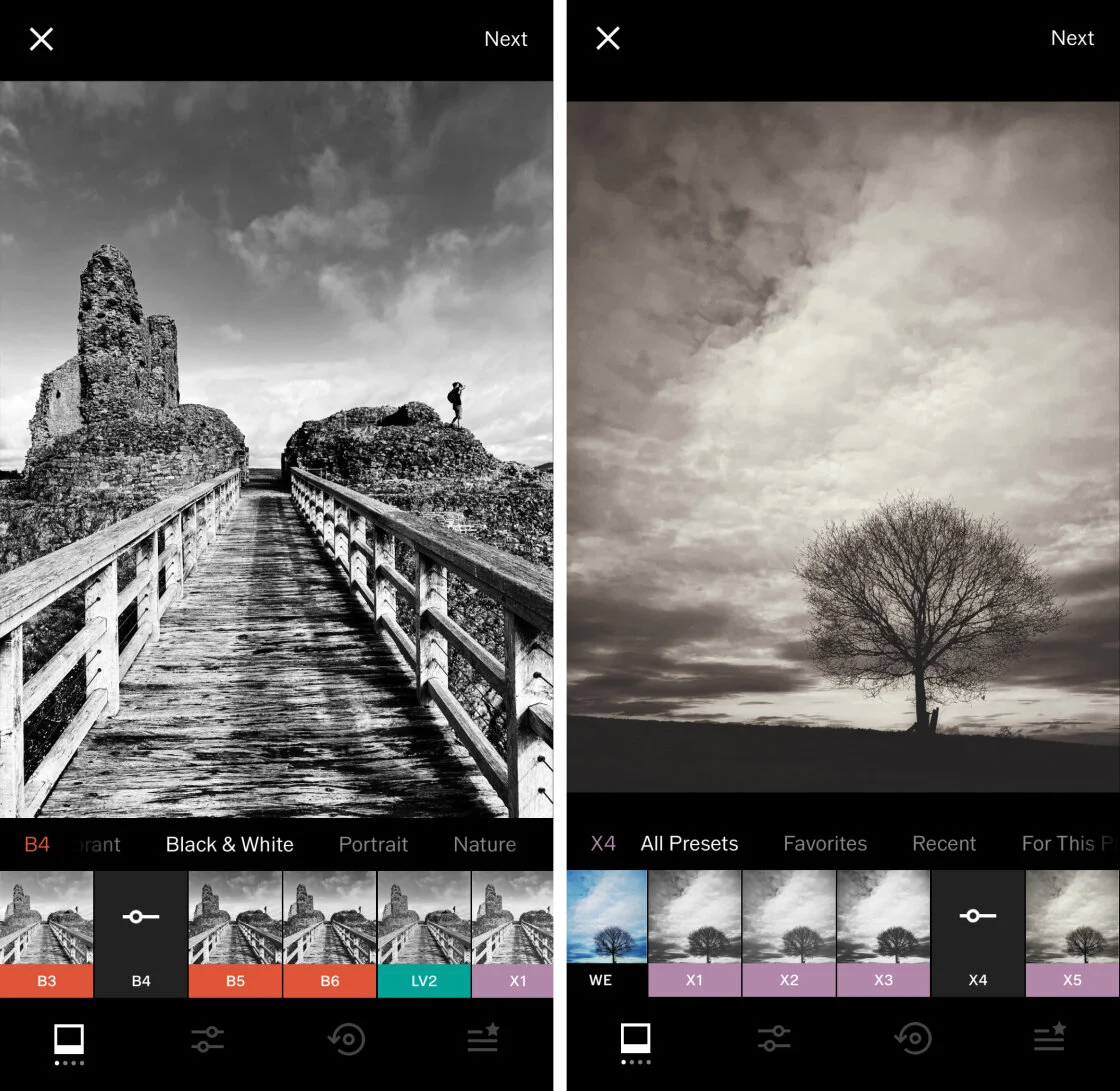
The rise of mobile technology has fundamentally altered the landscape of contemporary photojournalism and street photography, transforming the smartphone from a mere communication device into a sophisticated tool for artistic expression. As the global population of smartphone users exceeds 6.8 billion, the ubiquity of high-quality sensors and advanced computational photography has democratized the ability to capture high-contrast, professional-grade imagery. Street photography, a genre historically defined by the works of masters such as Henri Cartier-Bresson and Robert Frank using Leica film cameras, is experiencing a digital renaissance through the lens of the iPhone. By leveraging specific technical methodologies and compositional strategies, photographers are now able to produce striking black and white narratives that rival traditional film aesthetics.
The Evolution of Mobile Street Photography
The transition from traditional analog equipment to mobile devices in street photography was initially met with skepticism by purists. However, the development of the iPhone’s camera system—evolving from a 2-megapixel sensor in 2007 to the sophisticated multi-lens, 48-megapixel systems found in contemporary models—has silenced much of the criticism. The "always-in-your-pocket" nature of the device facilitates a level of spontaneity and candidness that bulky DSLRs often preclude.
According to data from Flickr’s annual camera rankings, the iPhone has consistently remained the most popular camera used by its community for nearly a decade, highlighting a shift in how visual stories are told. Professional photographers, including Maksim Kyshtymov, founder of a prominent design studio, have increasingly abandoned mirrorless and DSLR systems in favor of the iPhone’s portability and the freedom it provides during long urban explorations. This shift is not merely about convenience; it is about the unique aesthetic qualities of mobile sensors when applied to the high-contrast world of black and white imagery.
Technical Methodology: Shooting Directly in Monochrome
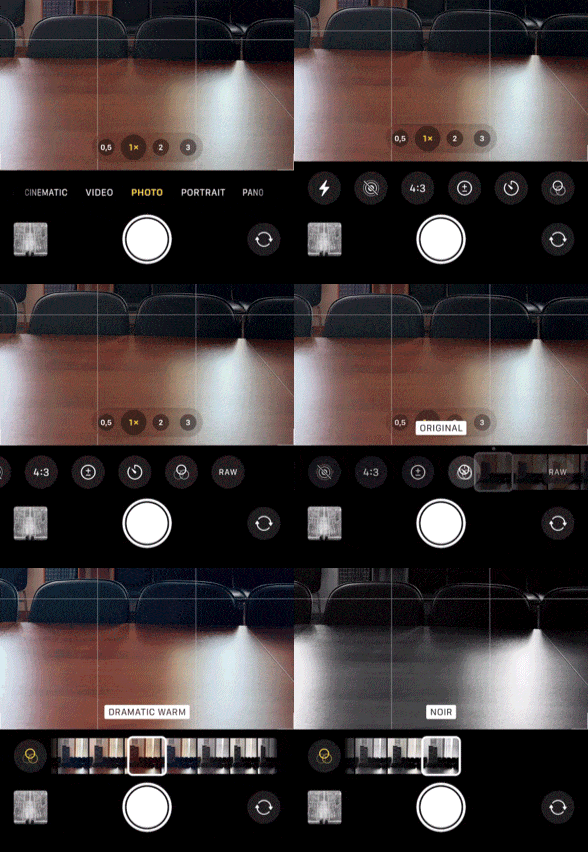
A primary directive for modern mobile street photographers is the transition from color-centric shooting to a dedicated monochrome workflow. While most users capture images in full color and apply filters post-facto, industry experts suggest that shooting in black and white—specifically using the iPhone’s native "Noir" filter—is essential for mastering the craft.
The technical advantage of this approach lies in the cognitive shift it requires of the photographer. By removing the distraction of color, the eye is forced to interpret the world through luminance, contrast, and geometry. The iPhone’s Noir filter is non-destructive, meaning the underlying color data is retained, yet the live preview allows the artist to instantly identify how light interacts with shadows. This real-time feedback loop is critical for recognizing patterns and textures that might otherwise be obscured by vibrant, competing hues.
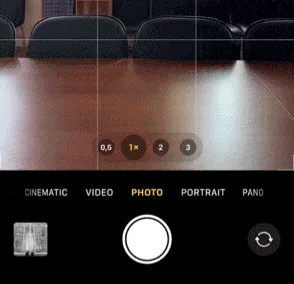
To activate this mode, users utilize the Camera app’s interface by swiping up to reveal the filter icon—represented by three overlapping circles—and selecting the high-contrast Noir setting. This method ensures that every compositional decision is made with the final black and white output in mind.
Compositional Strategies for the Urban Landscape
The success of a black and white street photograph relies heavily on the strength of its composition. Without color to guide the viewer’s emotions, the structural elements of the frame must carry the narrative weight.
The Role of Minimalism and Negative Space
Minimalism has emerged as a dominant trend in mobile photography. In an urban environment characterized by visual clutter, the use of "negative space"—large, empty areas surrounding a subject—creates a powerful focal point. Data from visual psychology studies suggest that the human eye is drawn to the point of highest contrast in a simplified field.
Photographers often scout locations using digital tools such as Google Maps Street View to identify open squares, parks, or architectural sites that provide clean backgrounds. By waiting for a single human subject to enter these spaces, the photographer can create a sense of scale and isolation that is hallmarks of the genre.
Geometric Precision: Leading Lines and Patterns
Cities are inherently geometric. Leading lines—roads, bridges, architectural walls, and road markings—serve as visual conduits that direct the viewer’s gaze toward the subject. In black and white, these lines become more pronounced, adding a sense of three-dimensional depth to a two-dimensional medium.
Furthermore, repetitive patterns found in modern architecture provide a rhythmic quality to images. Facades of glass and steel, rows of pillars, or symmetrical windows create a "backdrop of order" against which the "chaos" of human movement can be contrasted. Shooting from low angles or side-on perspectives can exaggerate these patterns, turning a mundane building into a complex abstract work.
Harnessing Light: Silhouettes and Dramatic Shadows
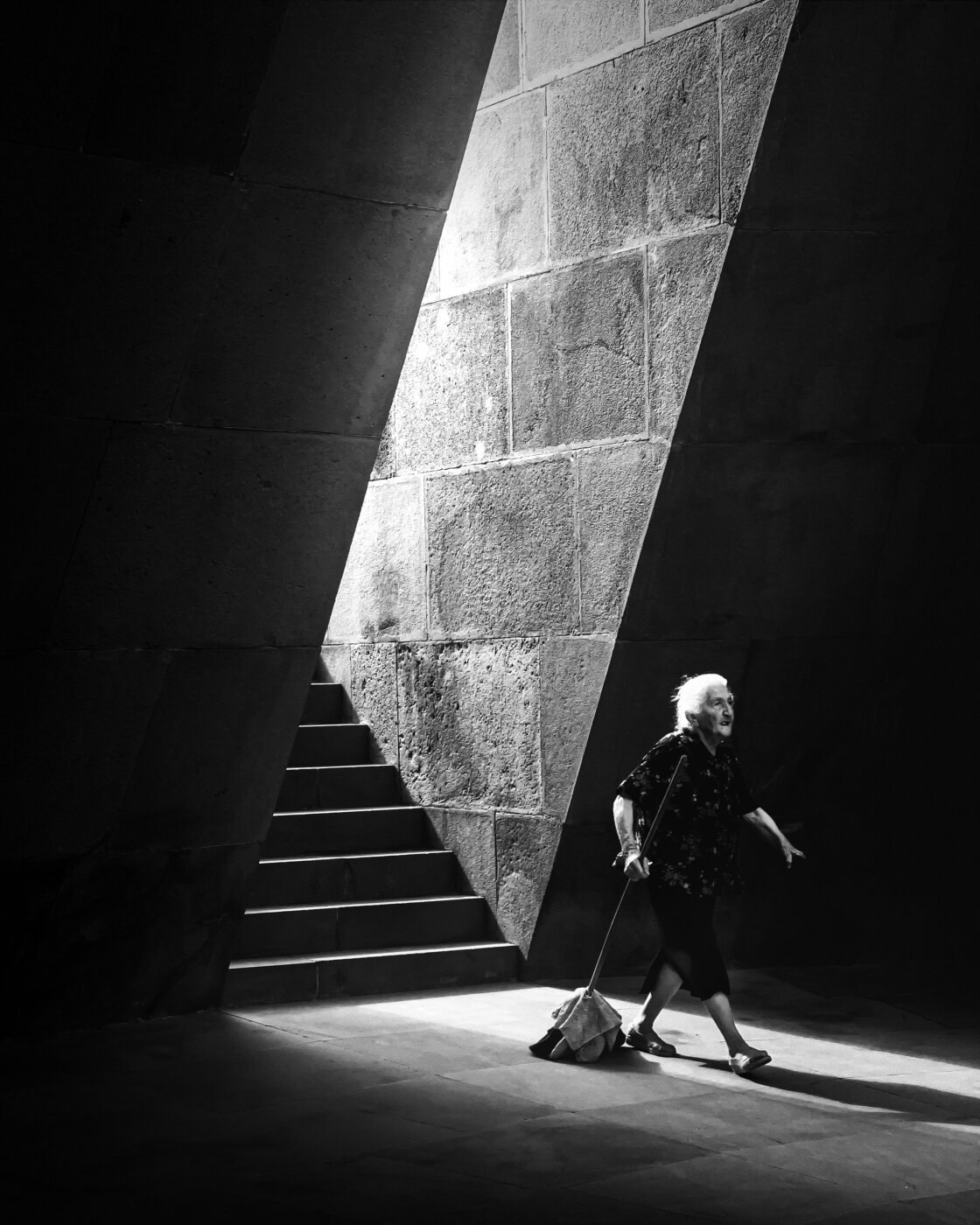
Light is the raw material of photography, and in monochrome, its role is amplified. Two specific techniques—silhouette capture and shadow play—are particularly effective on the iPhone due to its advanced Exposure Value (EV) control.
The Science of the Silhouette
Silhouettes are created by shooting toward a light source, placing the subject between the camera and the brightness. This technique strips the subject of detail, turning them into a mysterious, recognizable outline. The "Golden Hours"—the period shortly after sunrise and before sunset—provide the ideal low-angle light for these shots.
Technically, this requires the photographer to manually reduce the iPhone’s exposure. By tapping the screen and sliding the sun icon downward, or using the EV slider in newer models, the user can ensure the background remains bright while the subject falls into deep, pure black.
Shadows as Subjects
In many instances, the shadow cast by a person is more compelling than the person themselves. Long, distorted shadows created by late-afternoon sun add a layer of drama and surrealism to street scenes. This approach requires direct sunlight; overcast days, which produce soft, diffused light, are generally unsuitable for high-contrast shadow photography. By focusing on the ground or a wall where a shadow is projected, photographers can capture unique "ghost-like" images that challenge the viewer’s perception.
Post-Processing and Digital Refinement
The final stage of the mobile photography workflow is editing. While the native Photos app provides robust tools, many professionals utilize Adobe Lightroom Mobile for its granular control over tonal curves and selective healing.
Enhancing Contrast and Tonal Range
Black and white photos often require a "boost" in contrast to avoid looking muddy or gray. Adjusting the highlights to be brighter and the shadows to be deeper creates the "silvery" look associated with classic film stocks like Tri-X or Ilford HP5.
The Ethics of Digital Cleaning
A significant debate within the street photography community involves the removal of distracting elements. Unlike photojournalism, which adheres to strict "no-alteration" rules, artistic street photography often employs "healing" tools to remove trash, distracting signs, or photobombers. Apps like TouchRetouch or the Healing Brush in Lightroom allow photographers to maintain the minimalist integrity of their shots by seamlessly erasing visual noise.
Chronology of iPhone Camera Innovation
To understand the current state of iPhone street photography, one must look at the timeline of hardware milestones that enabled these techniques:
- 2010 (iPhone 4): Introduction of the 5MP sensor and the first high-resolution Retina display, allowing for better field evaluation of images.
- 2016 (iPhone 7 Plus): The debut of the dual-lens system, enabling "Portrait Mode" and better depth perception.
- 2019 (iPhone 11 Pro): Introduction of "Deep Fusion" and Night Mode, drastically improving low-light performance and texture detail.
- 2020 (iPhone 12 Pro): The release of Apple ProRAW, giving photographers the data-heavy files needed for professional-level black and white editing.
- 2022-2023 (iPhone 14/15 Pro): The 48MP Main camera sensor allows for significant cropping without loss of detail, a boon for street photographers who cannot always get close to their subjects.
Broader Impact and Implications
The shift toward iPhone-based street photography has significant implications for the future of visual archives. As more individuals capture the "mundane" reality of city life in high-quality monochrome, the historical record becomes more diverse. However, this ubiquity also raises questions regarding privacy and the "right to the city." In various jurisdictions, the legality of candid street photography remains a complex issue, though in most Western countries, photography in public spaces is a protected right.
Furthermore, the aesthetic of the "iPhone look"—characterized by high dynamic range and computational sharpening—is influencing traditional photography. We are seeing a convergence where professional cameras are adopting mobile-like interfaces, and mobile devices are adopting professional-grade sensors.
In conclusion, the iPhone has evolved into a formidable instrument for black and white street photography. By mastering technical settings like the Noir filter and exposure compensation, and by applying timeless compositional rules such as leading lines and negative space, contemporary photographers are documenting the human condition with unprecedented ease and artistic depth. As technology continues to advance, the barrier between the amateur and the professional continues to thin, leaving the power of the image solely in the hands of the artist’s vision.