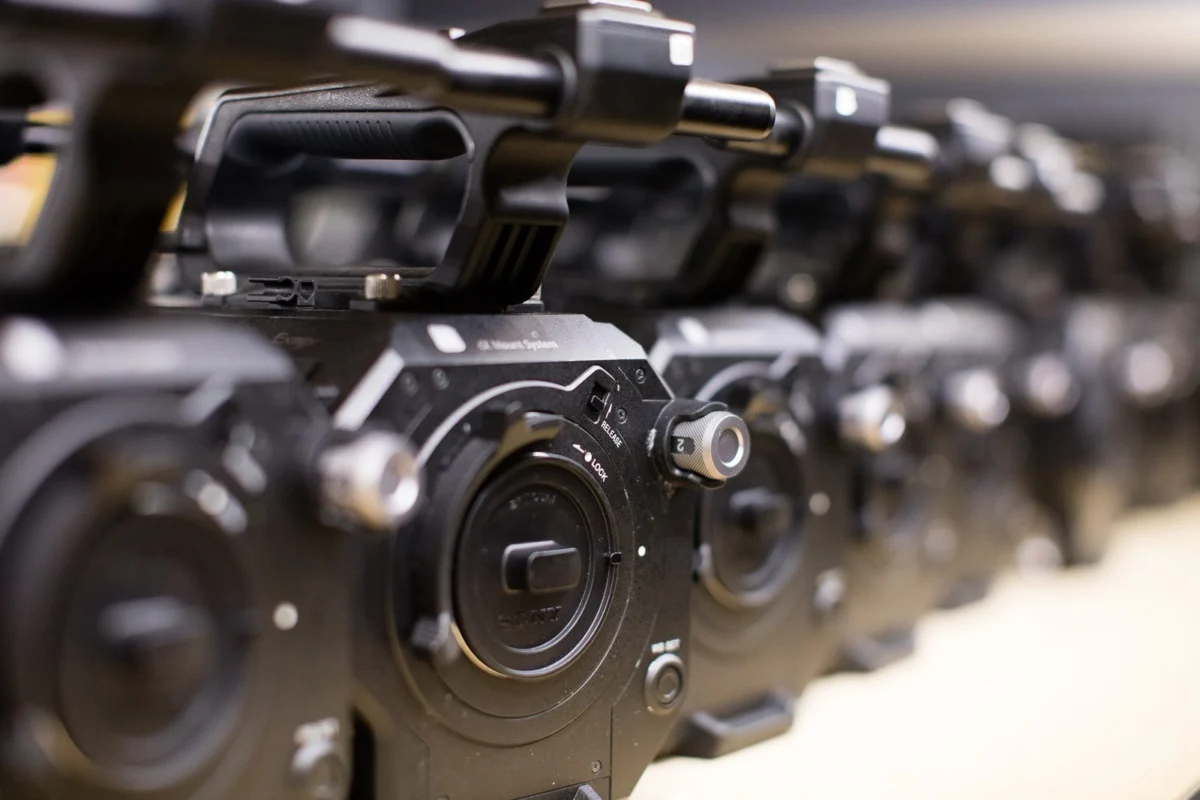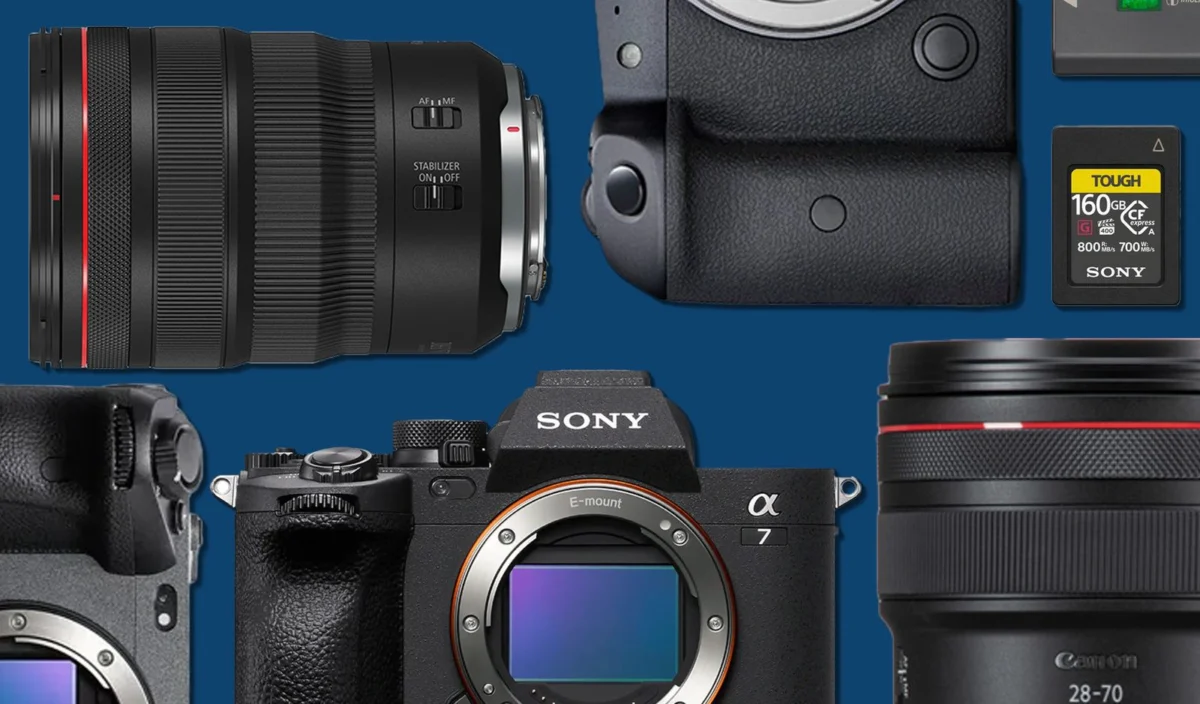
Netflix, the global streaming giant, has implemented a comprehensive set of seven technical capture standards that cameras must satisfy to be deemed "Netflix Approved," a move designed to standardize and elevate image quality across its vast library of original productions and acquired content. In an industry where cinematic innovation spans over a century, offering filmmakers an extensive palette of tools, the absence of universally adopted technical benchmarks can lead to inconsistent visual experiences that fail to translate effectively across modern high-resolution televisions and displays. While acknowledging the paramount importance of creative expression, allowing for diverse artistic choices, these standards are strategically positioned to ensure a consistently high-quality viewing experience for subscribers worldwide, irrespective of the production’s origin or budget tier.
The Evolving Landscape of Content Production and the Need for Standards
The history of motion pictures, stretching back over 120 years, has been a continuous journey of technological advancement and artistic experimentation. From the grainy silent films of the early 20th century to the technicolor extravaganzas and the digital revolution, the tools of filmmaking have constantly evolved. However, with this proliferation of technology, particularly in the digital age, came a vast disparity in technical specifications. The shift from a broadcast-centric model with established television standards (like NTSC, PAL, SECAM) to the fragmented digital streaming ecosystem presented new challenges. Without a guiding hand, content could be produced at widely varying resolutions, color depths, and compression levels, leading to a frustratingly inconsistent viewer experience.
Netflix, which began as a DVD-rental service and transformed into a dominant force in content streaming and production, recognized the imperative to define a baseline for technical excellence. As its subscriber base grew into hundreds of millions globally, and its investment in original content soared into billions of dollars annually, ensuring a premium visual standard became a critical business objective. The company’s influence extends far beyond its own productions, effectively setting an industry benchmark that encourages camera manufacturers and independent filmmakers alike to strive for higher quality. This proactive stance aims to prevent the proliferation of content shot at sub-optimal resolutions, such as 480p, which would detract significantly from the immersive viewing experience expected on modern 4K HDR displays.
A Deep Dive into Netflix’s Seven Core Requirements
The seven requirements established by Netflix cover critical aspects of image capture, from raw resolution to color integrity and post-production workflow considerations. These guidelines, meticulously detailed in the Netflix Partner Help Center, serve as a technical roadmap for production teams seeking approval for their projects.
Resolution: The Foundation of Visual Fidelity
The most immediately recognizable requirement pertains to resolution: "Minimum of 3840 photosite capture width (Spherical)." For standard 16:9 aspect ratio content, this translates to an effective resolution of 3840 x 2160 pixels, universally known as Ultra High Definition (UHD) 4K. While many high-end productions frequently opt for even greater resolutions, such as 6K or 8K, 4K serves as the mandated floor for Netflix approval. This decision reflects the industry’s widespread adoption of UHD as the contemporary standard for premium content, a transition that has been largely complete for professional and prosumer camera systems over the past half-decade. The vast majority of professional cinema cameras and even advanced mirrorless cameras released in recent years comfortably meet or exceed this baseline.
A crucial distinction arises for productions employing anamorphic lenses. Unlike spherical lenses that capture an image directly, anamorphic lenses "squeeze" a wider field of view horizontally onto the camera sensor, which is then "de-squeezed" in post-production to achieve a widescreen cinematic aspect ratio. This process necessitates a higher horizontal resolution at the capture stage to preserve image clarity and detail after the digital stretch. Consequently, not all cameras capable of spherical 4K capture are approved for anamorphic work. Netflix provides a specific, detailed guide for cameras validated for anamorphic capture, underscoring the technical nuances involved in achieving pristine image quality across different lensing methodologies. This requirement ensures that the final de-squeezed image maintains equivalent or superior detail to a native 4K spherical capture.
Codec: Preserving Image Data Through Compression
Netflix’s codec requirements are designed to ensure that the captured footage retains sufficient data for robust post-production, particularly color grading and visual effects. The guidelines stipulate either "Lightly compressed or uncompressed RAW" or "intra-frame based codec with 4:2:2 chroma sub-sampling or greater."
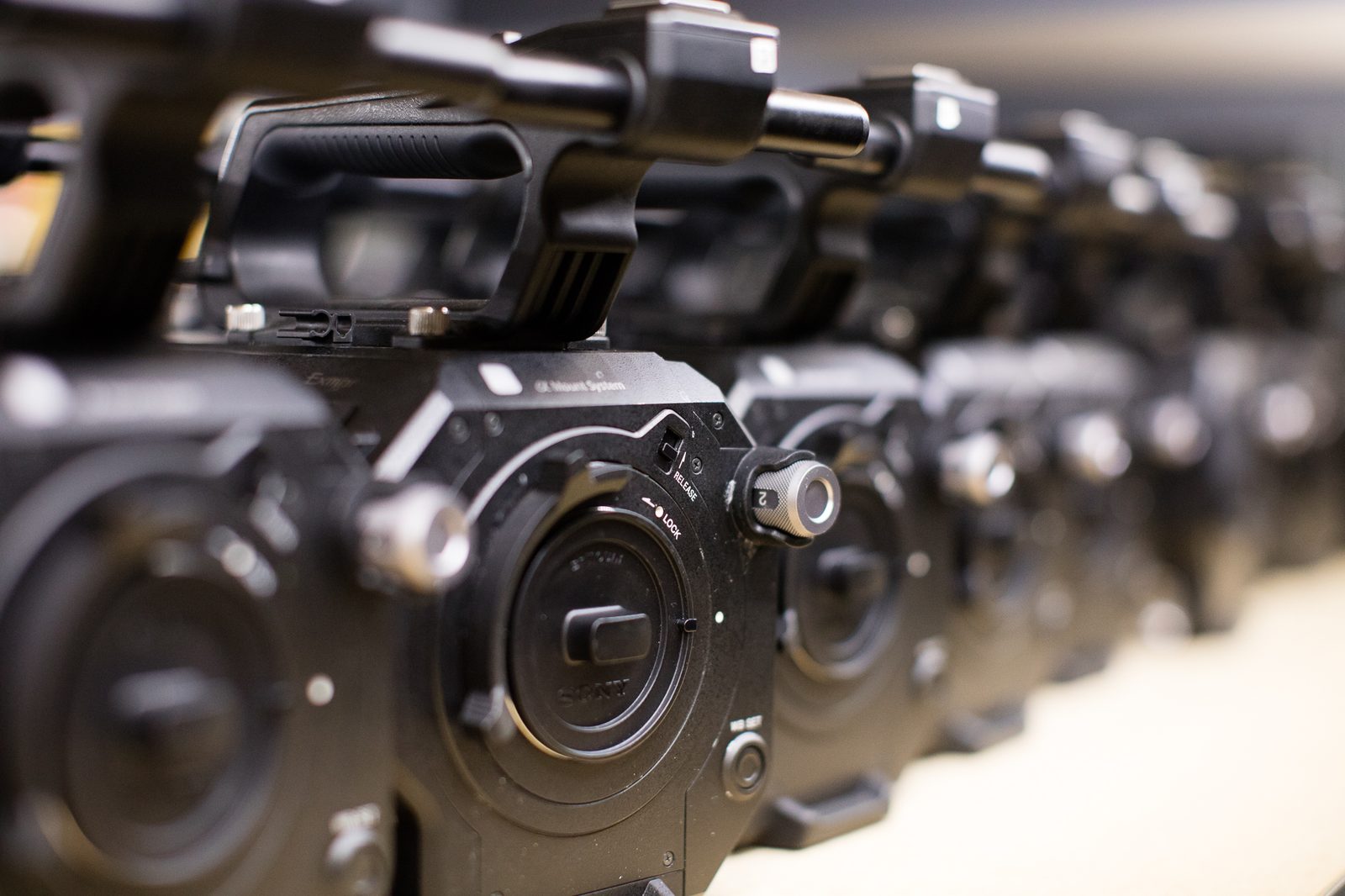
RAW formats, fundamentally, are the unadulterated data streams pulled directly from the camera sensor, offering maximum flexibility in post-production by preserving the full range of light, color, and detail captured. While "true" uncompressed RAW provides unparalleled control, its gargantuan file sizes can pose significant storage and workflow challenges. To mitigate this, camera manufacturers have developed various forms of compressed RAW, such as REDCODE RAW, Canon Cinema RAW Light, and Apple ProRes RAW. These proprietary or industry-standard formats intelligently compress the RAW data while retaining much of its inherent flexibility, making high-end RAW workflows more practical for a broader range of productions.
The alternative, an intra-frame-based codec with 4:2:2 chroma subsampling or higher, refers to codecs where each frame is encoded independently (as opposed to inter-frame codecs like H.264, which rely on differences between frames). Chroma subsampling dictates how much color information is stored relative to luminance (brightness) information. A 4:2:2 ratio means that for every four pixels, two distinct color samples are stored for each of the two color difference channels, resulting in significantly more color data than the more common consumer-level 4:2:0. This richer color information is paramount for professional color grading, preventing artifacts like color banding and allowing for extensive manipulation of the image’s aesthetic without degradation. The insistence on 4:2:2 or higher ensures that productions have ample latitude for achieving precise color looks and delivering vibrant, nuanced visuals.
Bit Depth: The Spectrum of Color and Tone
Complementing the codec requirements, Netflix mandates a color bit depth of "10-bit or greater." Bit depth refers to the number of bits used to represent the color of each pixel. In a 10-bit system, each of the primary red, green, and blue color channels receives 10 bits of data. This translates to 1,024 shades per channel (2^10), yielding over 1.07 billion possible colors (1024 x 1024 x 1024). This is a dramatic improvement over 8-bit color, which offers only 256 shades per channel and a total of 16.7 million colors.
The practical benefits of 10-bit color are profound. It significantly reduces the likelihood of "banding," a visible artifact where smooth gradients of color appear as distinct, stair-stepped bands, particularly noticeable in skies or subtle lighting transitions. Furthermore, 10-bit color is a fundamental prerequisite for High Dynamic Range (HDR) content, which offers a far greater range of brightness, contrast, and color volume than standard dynamic range (SDR). By requiring 10-bit capture, Netflix ensures that its content is future-proofed for HDR delivery, providing viewers with a more immersive and visually stunning experience that leverages the capabilities of modern displays.
Data Rate: The Flow of Information
The "Minimum 240Mbps at 24FPS" data rate requirement serves as a quantitative measure of the sheer volume of information being recorded per second. While seemingly a standalone requirement, it is intrinsically linked to the resolution, codec, and bit depth specifications. If a production adheres to the minimum 4K resolution, utilizes approved RAW or high-quality intra-frame codecs with 10-bit color, it is almost guaranteed to meet or exceed this 240 megabits per second (Mbps) threshold at a standard frame rate of 24 frames per second (FPS).
This standard ensures that the data stream is robust enough to carry the rich visual information captured by the camera without excessive compression artifacts. A higher data rate generally correlates with better image quality, as less data is discarded during the recording process. It acts as a final safeguard, ensuring that even if other parameters are technically met, the actual recorded data isn’t compromised by an overly aggressive compression scheme that might otherwise slip through.
Color Space & Transfer Function: Capturing Dynamic Range and Color Accuracy
These two related requirements are critical for preserving the integrity of the captured image data, especially concerning dynamic range and color accuracy. Netflix mandates "Scene-referred Color Space (S.Gamut3, ALEXA Wide Gamut, REDWideGamut etc.)" and "Scene-referred Transfer Function (Slog3, Log C, Log3G10, VLog etc.)."
A scene-referred color space is a wide-gamut color space that encompasses all the colors a camera can physically capture, often exceeding the visible spectrum of standard displays. Examples like ARRI’s ALEXA Wide Gamut, Sony’s S.Gamut3, and RED’s REDWideGamutRGB are designed to be "containers" for the maximum possible color information. Using such a broad color space during capture ensures that no color data is clipped or discarded early in the production pipeline, providing maximum flexibility for color grading in post-production to map those colors accurately to various display standards.
Similarly, a scene-referred transfer function, commonly known as a "log" gamma curve (e.g., Sony S-Log3, ARRI Log C, RED Log3G10, Panasonic V-Log), is designed to compress the camera’s wide dynamic range into a format that can be recorded efficiently, without losing detail in the highlights or shadows. Unlike standard video gamma curves, log curves are not intended for direct viewing; they appear flat and desaturated. However, they preserve significantly more dynamic range, allowing colorists to "stretch" the image data back out in post-production to create a visually rich and high-contrast final product that leverages the full capabilities of HDR displays. Together, these requirements lay the groundwork for a robust color pipeline, from capture to final delivery, ensuring maximum creative control and visual fidelity.
Timecode: Synchronicity for Streamlined Production
The final technical requirement addresses workflow efficiency: "System is capable of jamming to an an external source" and "Timecode should be written as metadata." Timecode is a synchronized timestamp generated for each frame of video and audio, crucial for aligning multiple cameras, external audio recorders, and other production elements.
While Netflix acknowledges a slightly more lenient stance for non-fiction documentary projects, proper timecoding is an indispensable tool for maintaining organizational integrity and streamlining post-production workflows in complex productions. In multi-camera setups or when recording separate audio tracks, accurate timecode ensures that all elements can be perfectly synchronized, saving countless hours in editing. Many professional cinema cameras include built-in timecode generators, but for midrange camera systems lacking this feature, external devices like Tentacle Sync generators can be used to "jam sync" timecode, ensuring all recording devices are perfectly synchronized. This requirement reflects a commitment to professional production practices that minimize errors and maximize efficiency in the often intricate post-production process.
Industry Reactions and Broader Implications
Netflix’s implementation of these stringent technical standards has elicited a range of reactions across the filmmaking industry. For large production houses and well-funded projects, these requirements are often already met or easily integrated into their existing workflows, as they typically operate with high-end equipment and established professional practices. For camera manufacturers, these standards act as a clear directive, influencing product development and driving innovation towards higher resolutions, better codecs, and enhanced color capabilities. Manufacturers often proudly advertise when their cameras are "Netflix Approved," using it as a significant marketing advantage.
However, the standards have also sparked debate, particularly among independent filmmakers and those operating with tighter budgets or pursuing specific artistic styles. Some argue that such rigid technical requirements could stifle creative freedom, potentially discouraging experimental approaches that might involve vintage cameras or lower-resolution aesthetics. For instance, a director wishing to shoot a period piece on Super 8mm film, or a low-fi indie project on a consumer-grade camera for stylistic reasons, might find their work ineligible for Netflix distribution, regardless of its artistic merit. This raises questions about accessibility and whether these standards inadvertently create a barrier to entry for emerging talents or niche artistic visions.
From Netflix’s perspective, the intention is unambiguously positive: to guarantee a consistent, high-quality viewing experience for its subscribers. In an increasingly competitive streaming market, visual fidelity is a key differentiator. The company’s vast investment in content necessitates safeguards against productions that might compromise its brand image due to technical shortcomings. The analysis suggests that while some might view these as restrictive, they ultimately push the industry towards a higher common denominator of technical excellence, benefiting viewers with a more consistent and premium visual offering.
Conclusion: Netflix as a Standard-Bearer in the Streaming Age
In conclusion, Netflix’s comprehensive set of camera approval standards represents a significant intervention in the contemporary filmmaking landscape. Far from being arbitrary limitations, these technical specifications — spanning resolution, codec, bit depth, data rate, color space, transfer function, and timecode — are meticulously designed to ensure visual excellence and efficient post-production workflows. They serve as a powerful catalyst, driving innovation among camera manufacturers and encouraging filmmakers to adopt best practices that align with the demands of modern high-resolution, high-dynamic-range content delivery.
While fostering a debate between artistic liberty and technical uniformity, the underlying goal remains clear: to provide a consistently superior viewing experience for a global audience. As Netflix continues to shape the future of entertainment, its role as a de facto standard-setter for content quality underscores the evolving dynamics of media production in the digital streaming era, where technical precision is increasingly intertwined with creative ambition. The implications extend beyond Netflix’s own platform, subtly influencing the broader industry’s trajectory towards higher fidelity and more robust production pipelines for all forms of cinematic storytelling.