The annual analysis of rental data for 2025, compiled by America’s premier gear rental house, has unveiled significant shifts and reinforcing trends within the photography and videography industry, with Canon maintaining its top position and versatile zoom lenses dominating user preference. This comprehensive dataset, meticulously gathered and scrutinized, offers a critical barometer for market trends, forecasting future trajectories for both manufacturers and professional creatives. For regular industry observers, these insights confirm ongoing patterns while highlighting notable shifts in professional and enthusiast equipment choices.
Dominance of Versatility: Zoom Lenses Reign Supreme in 2025 Rentals
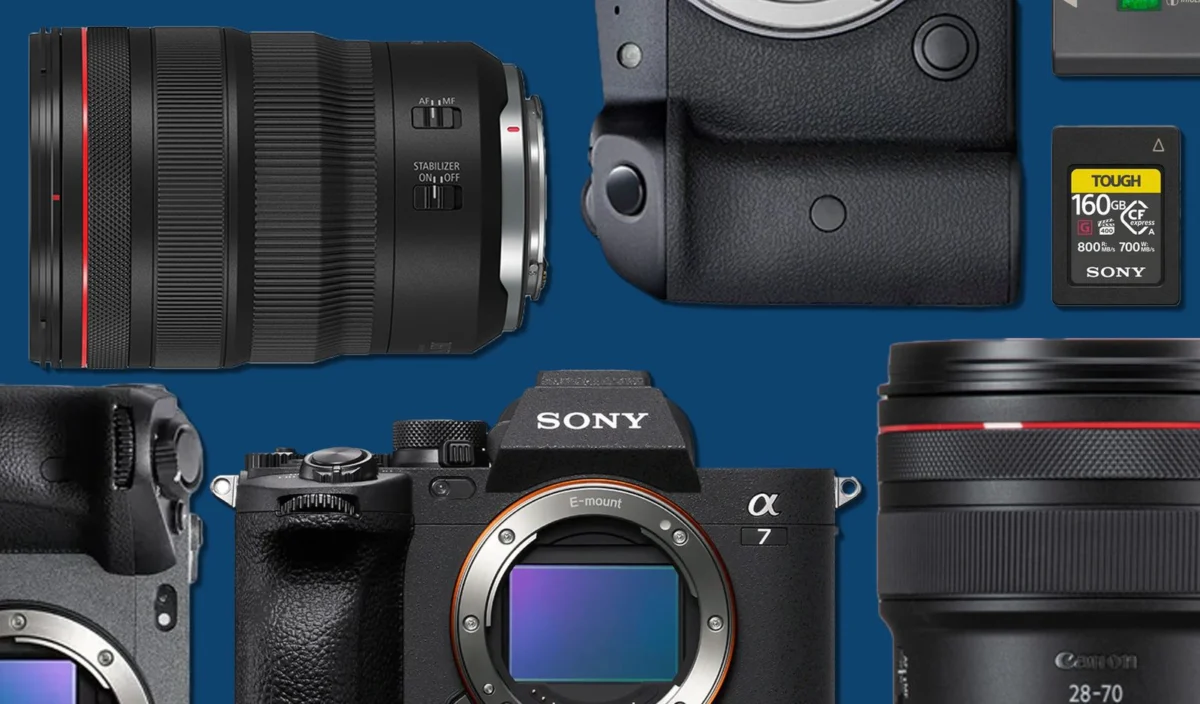
The most popular rentals for 2025, determined by the sheer volume of transactions rather than revenue, overwhelmingly demonstrate a preference for versatility. Contrary to the oft-repeated industry adage, "Prime is King," the data firmly places zoom lenses at the apex of user demand. The Canon RF 24-70mm f/2.8L IS secured the top position, underscoring its status as an indispensable workhorse for a vast array of photographic and videographic applications. Closely following was the Canon RF 28-70mm f/2L, a slightly faster but more specialized option, still within the versatile mid-range zoom category. This strong showing by general-purpose zooms is logical within a rental context; clients often seek a single, adaptable lens to cover diverse shooting scenarios without the need for frequent lens changes or multiple prime investments.
Industry analysts suggest this trend reflects the multifaceted nature of modern content creation. "Clients renting gear are frequently tackling varied assignments – from corporate events and commercial shoots to documentary work and portrait sessions," explains Dr. Evelyn Reed, a market trends specialist at the Creative Tech Institute. "A high-quality, mid-range zoom like the Canon 24-70mm f/2.8 provides the flexibility to adapt quickly to changing focal length requirements, making it an economically sound and practical choice for projects where purchasing a full suite of primes isn’t feasible or necessary."
The preference for versatility extends deep into the top rental list, with the first prime lens, the Canon RF 50mm f/1.2L, not appearing until the 17th position. This indicates that while primes are highly valued for their optical quality and low-light performance, their niche application often leads renters to prioritize the broader utility offered by zooms. The 2025 data reiterates a consistent pattern observed over the past few years, where the practical demands of professional assignments often outweigh specialized artistic preferences in the rental market.
Canon’s Resurgence and Sony’s Diverse Portfolio Define Camera Rentals
A deeper dive into the most rented cameras of 2025 reveals compelling shifts in market preference. To the surprise of many, the Canon R6 Mark II emerged as the undisputed leader, surpassing both its higher-resolution sibling, the R5 Mark II (ranking 8th), and the original R5 (ranking 4th). This performance solidifies the R6 Mark II’s position as a balanced powerhouse, offering an excellent blend of still photography capabilities, robust video features, and reliable autofocus at a price point that makes it highly attractive for rental. Its strong low-light performance and versatile video codecs likely contributed to its widespread adoption by a diverse client base, from event photographers to independent filmmakers.
Sony, a formidable competitor, showcased an impressive breadth of appeal, with nine different cameras securing spots within the top twenty. This diverse representation spanned the spectrum of professional tools, from premium cinema systems like the Sony FX6, favored for its advanced video capabilities and modular design, to compact point-and-shoot options such as the Cybershot RX100 VII, indicating a significant demand for high-quality, portable solutions for vlogging, behind-the-scenes content, or even as backup cameras. The presence of hybrid champions like the Sony A7S III and A7 IV further underscores Sony’s strategic success in catering to both dedicated videographers and versatile content creators.
Conversely, the 2025 camera rental data highlighted a notable absence of Fujifilm models in the top twenty, a segment often lauded for its unique color science and retro design aesthetic. This could suggest that Fujifilm’s primary market leans more towards purchase than rental, or that their professional-tier offerings, while excellent, have yet to capture a significant share of the broader rental demand. Nikon, while a historical titan, secured only one position with its highly capable Z8, reflecting its ongoing efforts to regain market share in the mirrorless era. "Nikon’s Z8 is a powerhouse, a true competitor to the top-tier offerings," commented a spokesperson from the rental house. "Its presence on the list, even if singular, speaks to its immediate impact and professional appeal since its introduction. However, the sheer volume of Canon and Sony models indicates a wider ecosystem adoption for those brands within our rental pool."
Lens Market: A Duopoly with a Third-Party Inroad
When examining the most popular lens rentals for 2025, the landscape is largely dominated by a duopoly of Canon and Sony. Their proprietary lens ecosystems continue to drive rental choices, a testament to their optical quality, reliability, and seamless integration with their camera bodies. The only third-party manufacturer to break into the top twenty was Sigma, with its highly regarded 24-70mm f/2.8 DN Art. Sigma’s consistent ability to deliver high-performance, optically excellent lenses at a competitive price point has carved out a valuable niche, particularly for renters seeking alternatives within the most popular focal lengths.
The overall trend within lens rentals mirrors that of general equipment: practicality reigns. The list is conspicuously devoid of highly specialized or "quirky" optical choices. Instead, it is populated by workhorse zoom lenses covering common focal lengths essential for a wide range of professional tasks. This data underscores that rental decisions are often driven by the immediate, practical needs of a project rather than experimental or highly specialized creative endeavors. For clients, reliability and broad utility are paramount. This pattern has been consistent over recent years, with the 2025 figures further cementing the preference for dependable, versatile tools over niche, artistic glass in the rental sector.
Accessories: The Unsung Essentials of Modern Production
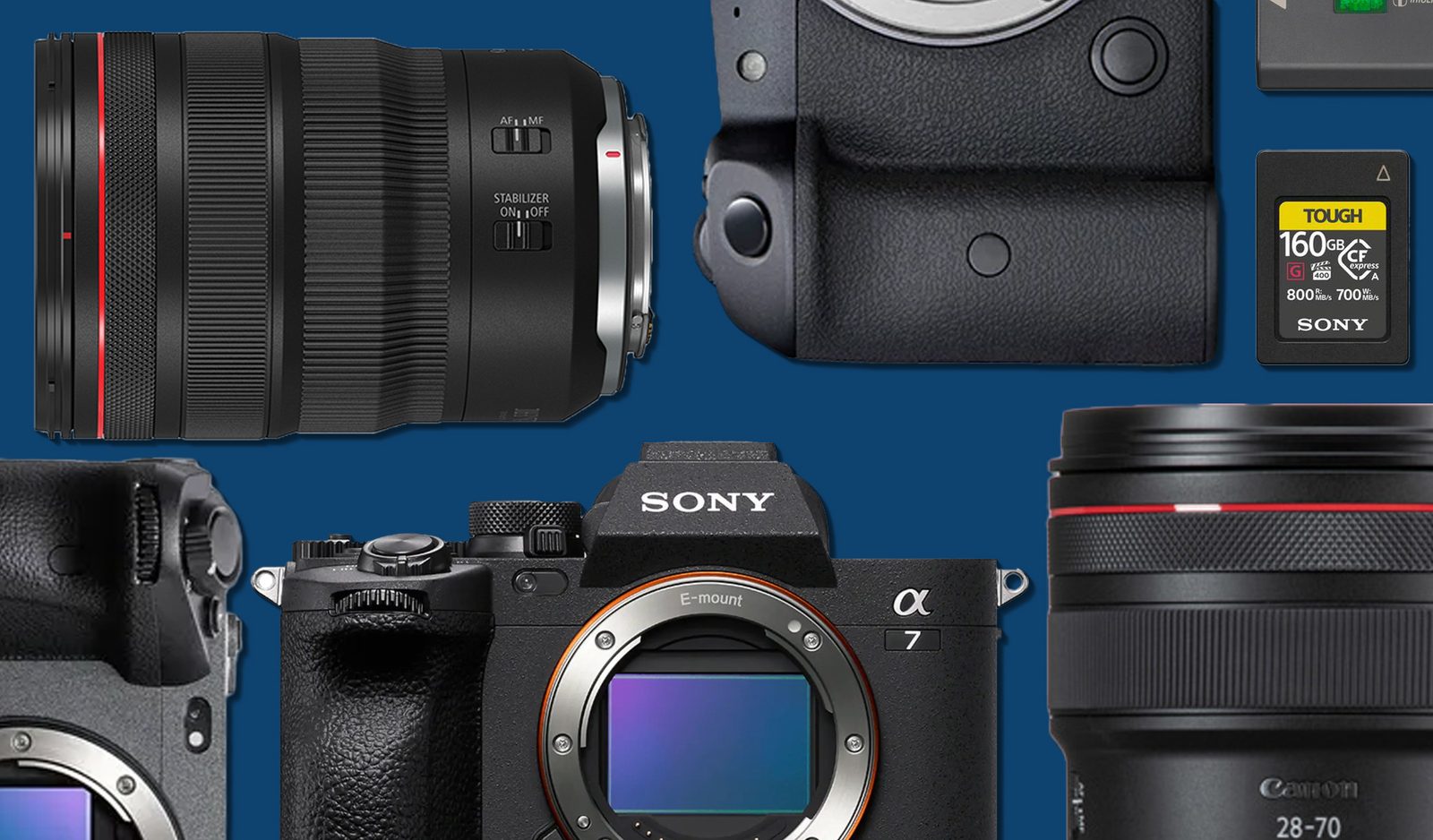
The accessories rental list for 2025 paints a clear picture of the fundamental requirements of modern digital imaging. Unsurprisingly, batteries and memory cards claimed the lion’s share of rentals. The pervasive shift towards mirrorless camera systems, known for their increased power consumption compared to their DSLR predecessors, directly translates into a higher demand for spare batteries. Concurrently, the proliferation of high-resolution sensors and demanding video codecs (e.g., 4K and 8K raw formats) necessitates an abundance of high-capacity, high-speed memory cards such as CFexpress Type B and V90 SD cards. These items are not merely conveniences but critical components ensuring continuous operation and data integrity on set.
Interestingly, despite the growing sophistication of lighting and drone technology, very little dedicated lighting gear or drone equipment made it into the top twenty accessories list, with the notable exception of the DJI TB50 battery in 18th position. The TB50 battery, typically associated with professional DJI Inspire drones, suggests that while drone platforms may not be rented in high volume, their specialized power requirements lead to frequent battery rentals for high-end aerial cinematography projects. The remaining spots in the accessories list were occupied by utilitarian items like light stands and tripods, further emphasizing the foundational nature of rental choices. This could imply that many professionals either own their primary lighting kits and drones or that these categories represent a more niche rental market with fewer overall transactions compared to universal necessities like power and storage.
Brand Market Share for 2025: A Landscape of Stability and Strategic Growth
The brand market share analysis for 2025, based on revenue, offers a different perspective, emphasizing the financial impact of each brand. While revenue figures can skew towards higher-priced specialized brands like RED or Leica, the overall picture reveals remarkable stability with strategic gains and losses.
Canon maintained its undisputed leadership, commanding 26.51% of the market share, a slight but consistent increase from 25.69% in 2024 and 23.96% in 2023. This enduring dominance underscores Canon’s robust ecosystem, broad appeal across segments, and perceived reliability among professionals. Sony continued its upward trajectory, securing 21.66% in 2025, growing from 20.45% in 2024 and 19.13% in 2023. Sony’s consistent innovation in mirrorless technology and its strong foothold in the video production sector are key drivers of this sustained growth.
Nikon experienced a slight dip, moving from 5.91% in 2024 to 5.56% in 2025, though still showing growth from 4.88% in 2023. While the Z8’s individual performance was strong, the overall brand share suggests challenges in broadening its rental presence across its full product line. DJI demonstrated consistent growth, increasing its share to 4.29% in 2025 from 3.80% in 2024 and 3.31% in 2023. This steady rise reflects the expanding professional drone market and DJI’s strong position within it, particularly for cinematic and commercial applications.
Other notable brands included Blackmagic, which saw a slight decrease from 3.30% in 2024 to 3.15% in 2025, indicating potential shifts in the demand for its cinema cameras. Sigma also saw a marginal dip, from 3.34% to 3.13%, despite its 24-70mm lens making the top 20. Fujifilm, while not appearing in the top camera rentals, still registered a slight increase in revenue share, from 2.59% to 2.79%, suggesting that while individual product volume might be lower, their higher-value items contribute positively. Aputure, a prominent lighting brand, saw a slight contraction from 2.37% to 2.29%, while Panasonic remained stable at 2.01%. High-end cinema brands like RED continued their decline in revenue share within the rental market, from 1.27% to 1.11%, potentially due to the increasing capabilities of more accessible systems from Canon and Sony for many productions. Leica and Sachtler also showed minor fluctuations, reflecting their specialized, high-end market segments.
"The market share data illustrates a maturation of the mirrorless transition," observes Ms. Sarah Chen, an independent photography industry consultant. "Canon and Sony have solidified their ecosystems, offering a compelling blend of cameras and lenses. DJI’s consistent growth highlights the increasing professionalization and integration of aerial cinematography into mainstream production workflows. The slight shifts among other brands indicate ongoing competitive pressures and the dynamic nature of equipment investment by both rental houses and individual professionals."
New Gear for 2025: Incremental Innovation and Refinement
The analysis of the most popular new gear introduced in 2025 offers a glimpse into future trends and areas of manufacturer focus, albeit with a few caveats. This list prioritizes products newly added to the rental inventory during 2025, meaning products released earlier in the year naturally have a greater advantage in accumulating rental orders. Furthermore, it can sometimes highlight new product categories or market segments the rental house has recently entered.
Leading the charge for new product popularity was an updated version of the Manfrotto 190 series tripod. This refresh of a long-standing, highly reliable, and video-focused tripod series underscores the importance of foundational support equipment. Its proven durability and adaptability make it a staple for professionals, and an updated version is readily adopted.
Significantly, the first strong debut from a lighting company on these lists this year was the Amaran COB 200x. This 200W bi-color monolight, offering both battery and AC power options, represents a pivotal trend towards versatile, powerful, and portable lighting solutions. Its popularity signals a growing demand for flexible lighting setups that can adapt to various on-location and studio environments, without compromising on output or color accuracy.
The remainder of the new gear list was characterized by refreshes of already popular items, offering what many consider marginal upgrades to exceptional products. This suggests that 2025 was largely a transitional year for significant technological breakthroughs in the core photography and videography segments, with manufacturers focusing on refining existing mirrorless platforms, improving user experience, and enhancing peripheral features rather than introducing revolutionary new camera or lens technologies. This period of refinement often precedes more substantial innovations, setting the stage for potentially bigger announcements in subsequent years.
In summary, the 2025 rental data underscores the continuing dominance of versatile, reliable gear, with Canon and Sony firmly leading the charge. The market prioritizes practicality, evidenced by the overwhelming preference for zoom lenses and essential accessories. While new product introductions focused on refinement and versatile lighting, the underlying trends suggest a robust and evolving industry that values dependable performance above all else. These insights not only inform the strategic stocking decisions of rental houses but also provide invaluable intelligence for manufacturers and content creators navigating the dynamic landscape of professional imaging. Further insights are anticipated with the upcoming release of purchase data, which will reveal which of these rented tools found a permanent home with their users.