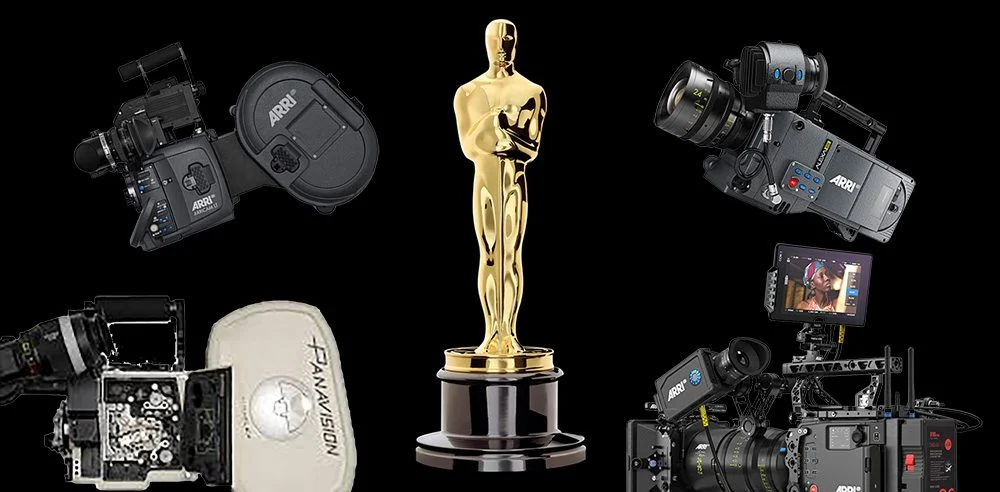
The 98th annual Academy Awards recently concluded, celebrating the pinnacle of cinematic achievement from the past year. Among the most revered categories, Best Cinematography consistently highlights the visual mastery that elevates storytelling to an art form. This year’s slate of nominees showcased an extraordinary range of techniques, pushing the boundaries of visual language through innovative camera technology, bespoke lens design, and a profound understanding of light and shadow. As the curtain falls on another awards season, a closer examination of the gear and artistic philosophies employed by these visionary cinematographers offers invaluable insight into the evolving craft of filmmaking.
The Art of Visual Storytelling: A Pillar of Cinematic Excellence
Cinematography, often referred to as "writing with light," is the bedrock of visual storytelling. It encompasses everything from camera choice and lens selection to lighting design, framing, and color grading, all working in concert to evoke emotion, establish mood, and convey narrative. The Academy Award for Best Cinematography recognizes those who have demonstrated exceptional skill and artistic vision in bringing a film’s world to life. This year’s contenders exemplified a diverse array of approaches, from the revival of classic film formats to the development of cutting-edge digital innovations, each tailored to serve the unique thematic and aesthetic demands of their respective projects. The trends observed suggest a vibrant interplay between honoring the tactile qualities of analog film and harnessing the precision and flexibility of modern digital systems, often within the same production.
Spotlight on the Craft: Dissecting the Visuals of the 98th Academy Award Nominees
The following films represent a masterclass in contemporary cinematography, each contributing significantly to the visual lexicon of cinema:
Bugonia
- Cameras Used: Vistavision Wilcam W-11 & ARRIFLEX 435 & 435 HS
- Cinematographer: Robbie Ryan
- Director: Yorgos Lanthimos
Yorgos Lanthimos’s Bugonia marks another distinctive collaboration with cinematographer Robbie Ryan, known for their unique visual language in films like Poor Things and The Favourite. For Bugonia, Ryan employed a sophisticated blend of classic and modern film cameras to craft a visual aesthetic that mirrors the film’s themes of obsession, paranoia, and psychological distortion. The inclusion of the Vistavision Wilcam W-11 is particularly notable. VistaVision, a large-format motion picture film system developed by Paramount Pictures in the 1950s, runs 35mm film horizontally, exposing a much larger negative area than standard 35mm. This results in superior image resolution, finer grain, and greater clarity, historically used for epic vistas and detailed special effects. Its revival here suggests a deliberate choice to achieve a pristine, yet slightly uncanny, visual texture. Complementing this, the ARRIFLEX 435 and 435 HS cameras, mainstays of 35mm film production, provided versatility for various shooting scenarios, ensuring a consistent filmic quality. Ryan’s signature use of extreme wide-angle and fisheye lenses further amplifies the film’s distorted reality, creating a claustrophobic and often unsettling perspective that subtly disorients the viewer, making them question the very fabric of the on-screen world. This expert level of filmmaking demonstrates how technical choices directly translate into profound psychological impact, a hallmark of Lanthimos’s distinctive cinematic universe.
F1
- Cameras Used: Sony Venice 2, Carmen (Custom Prototype), DJI Ronin 4D
- Cinematographer: Claudio Miranda
- Director: Joseph Kosinski
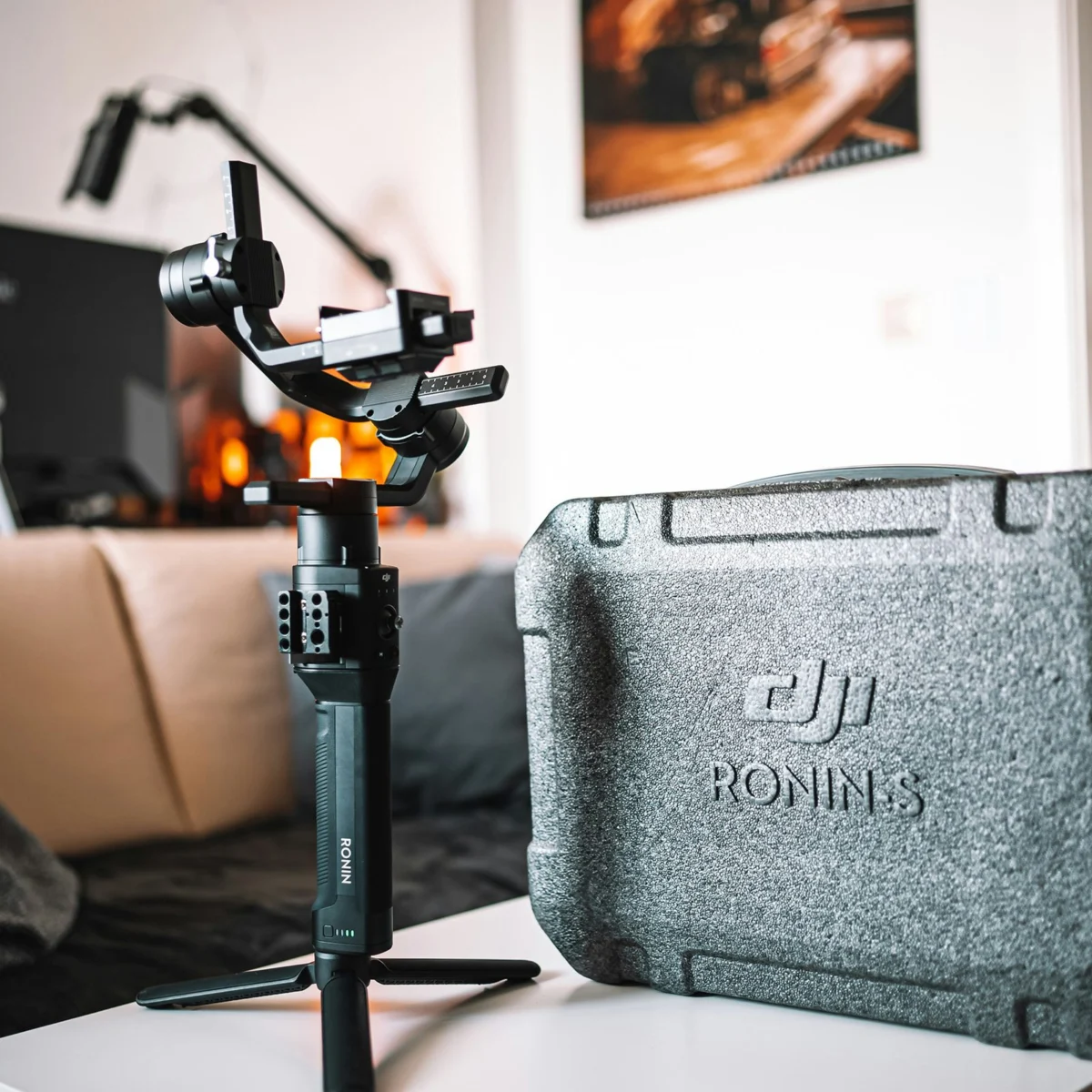
The cinematography of F1, overseen by Oscar-winning cinematographer Claudio Miranda, represents a monumental leap in practical action filmmaking, building upon the groundbreaking techniques pioneered for Top Gun: Maverick. The production’s commitment to authenticity led to mounting real cameras on custom-modified Formula 2 cars, driven by actors Brad Pitt and Damson Idris at speeds exceeding 150 mph. This ambitious endeavor demanded an innovative approach to camera technology. Miranda collaborated with Sony to develop "Carmen," a bespoke, miniaturized 6K sensor-on-a-stick prototype. Approximately a quarter of the size of a standard cinema camera, Carmen was engineered to be aerodynamic and minimally intrusive, ensuring it wouldn’t compromise the car’s performance or the driver’s visibility. This custom rig allowed for unprecedented perspectives from within and around the race cars. The primary digital cinema camera, the Sony Venice 2, renowned for its exceptional dynamic range, full-frame sensor, and rich color science, captured the broader cinematic moments with breathtaking clarity. For dynamic, stabilized shots, especially those requiring rapid movement and precise control, the DJI Ronin 4D, an integrated cinema camera and 4-axis gimbal system, was employed. These high-tech rigs were strategically distributed across the car’s "halo" and chassis, providing up to seven simultaneous angles with full remote-controlled pan and tilt capabilities. The result is a visceral, immersive experience that places the audience directly into the heart of high-speed racing, setting a new benchmark for practical action sequences and demonstrating a remarkable fusion of engineering and cinematic artistry.
Hamnet
- Cameras Used: ARRI Alexa 35
- Cinematographer: Lukasz Zal
- Director: Chloé Zhao
Chloé Zhao’s Hamnet features a strikingly intimate and melancholic visual language, meticulously crafted by cinematographer Lukasz Zal. Zal, celebrated for his Academy Award-nominated work on the stark black-and-white dramas Ida and Cold War, brings his distinctive sensibility to this historical narrative. For Hamnet, Zal embraced a "ghost camera" perspective, an observational, drifting lens described as "death’s point of view." This approach imbues the film with a quiet, non-judgmental weight, allowing the audience to witness scenes unfold with an ethereal detachment, yet profound emotional resonance. The film was shot on the ARRI Alexa 35, a digital cinema camera praised for its exceptional image quality, natural color rendition, and robust performance in varying light conditions. The Alexa 35’s ability to capture subtle nuances in shadow and highlight, combined with its high dynamic range, was crucial in achieving the delicate balance of intimacy and spectral observation. Zal’s choice of the Alexa 35, coupled with his masterful command of composition and natural light, creates a visual tapestry that feels both deeply personal and universally poignant, drawing viewers into the melancholic beauty of the film’s world without overt manipulation.
Frankenstein
- Cameras Used: ARRI Alexa 65
- Cinematographer: Dan Laustsen
- Director: Guillermo del Toro
In Guillermo del Toro’s Frankenstein, cinematographer Dan Laustsen, a frequent collaborator known for his work on The Shape of Water and Nightmare Alley, employs a sweeping, large-format visual style to modernize the gothic horror aesthetic. The film was shot entirely on the ARRI ALEXA 65, ARRI’s flagship large-format digital camera, which boasts an immense sensor size capable of capturing incredibly detailed and expansive images. Paired with Leitz THALIA 65 lenses, known for their cinematic character and large image circle, the combination delivered a visually rich and immersive experience. Laustsen’s approach leaned heavily on a 24mm wide-angle lens for nearly 90% of the shots, providing a broad field of view that enhances the sense of scale and envelops characters within their often-ominous environments. To temper the inherent digital sharpness of the ALEXA 65, Laustsen innovatively utilized custom Black Pro-Mist diffusion filters, placed behind the lens. This specific placement allows the filter to interact more directly with the raw light entering the sensor, subtly "burning out" highlights—creating a soft glow around light sources—while preserving the deep, rich blacks essential to the film’s moody and atmospheric gothic horror. This technique maintains contrast and depth in the shadows while introducing a classic, softened aesthetic that beautifully complements del Toro’s signature visual style.
Marty Supreme
- Cameras Used: Arricam LT, ST, SR, Bolex
- Cinematographer: Darius Khondji
- Director: Josh Safdie
In Josh Safdie’s Marty Supreme, cinematographer Darius Khondji, celebrated for his distinctive work on films like Uncut Gems and Se7en, deliberately eschews modern digital aesthetics in favor of a richly textured, "painterly" 35mm film look. The production primarily utilized Arricam LT and ST cameras, workhorses of contemporary film production known for their reliability and quiet operation, along with the more compact SR for specific sequences. For specialized, perhaps more experimental or stylized moments, a Bolex camera might have been employed, known for its portability and unique aesthetic. The film was captured on Kodak Vision3 500T film stock, a high-speed emulsion prized for its fine grain, wide dynamic range, and excellent color rendition in low-light conditions. Khondji further enhanced this vintage feel by using period-appropriate Panavision B and C Series anamorphic lenses. These vintage anamorphic lenses impart distinctive optical characteristics, including unique lens flares, oval bokeh, and a widescreen aspect ratio that creates a more immersive and expansive cinematic image. Khondji’s visual strategy centers on tight telephoto shots, frequently employing exceptionally long lenses (up to 360mm) to capture suffocating, expressive close-ups of Timothée Chalamet. This telephoto approach creates an extremely shallow depth of field, effectively isolating the character of Marty from his environment. This technique not only makes him appear "larger than life" within the frame but also simulates an observational, almost voyeuristic, feel, mirroring the intense scrutiny and psychological pressures he faces in the competitive world of table tennis.
One Battle After Another
- Cameras Used: Beaumont Vistavision, Panavision Millennium XL2
- Cinematographer: (Not explicitly named, but credit to team for choices)
- Director: (Not explicitly named)
One Battle After Another, a standout for its commitment to classic cinematic aesthetics, revives the large-format VistaVision system to capture a gritty, 1970s-inspired political thriller. The use of the Beaumont Vistavision camera underscores a deliberate choice to achieve a specific, high-resolution filmic texture. As with Bugonia, VistaVision’s horizontal 35mm film gate allows for a larger negative area, providing exceptional image detail and a unique widescreen presentation. The film employs a 1.50:1 aspect ratio with large negative spacing throughout, a direct homage to the raw, immersive visual style of 1970s classics like William Friedkin’s The French Connection. For versatility and reliability in diverse shooting conditions, the Panavision Millennium XL2, a modern 35mm film camera, was also utilized, ensuring consistency in the filmic look. A pivotal element in achieving the film’s distinctive texture was the collaboration with Panavision’s Dan Sasaki, who developed a custom set of prototype spherical lenses, dubbed "GWs." These lenses were specifically designed to emulate the optical characteristics of the glass used by legendary cinematographer Gordon Willis (known for The Godfather Part II and All the President’s Men), whose work defined the look of the 1970s. These "GW" lenses introduce subtle imperfections, unique flaring, and a specific depth of field rendering that evokes the period. By highlighting detailed California landscapes with suffocating, long-lens close-ups, One Battle After Another successfully creates a modern masterpiece that simultaneously feels like a rediscovered classic from the 1970s or 80s, bridging cinematic eras with its visual storytelling.
Train Dreams
- Cameras Used: ARRI Alexa 35
- Cinematographer: Adolpho Veloso
- Director: (Not explicitly named)
In Train Dreams, cinematographer Adolpho Veloso crafts a visual language deeply rooted in "photographic memory," aiming to evoke the feel of vintage still portraits from the early 20th century. This aesthetic choice is underscored by the film’s rare 3:2 aspect ratio, which mimics the dimensions of classic photographic prints, immediately transporting the viewer to a bygone era. The film was shot digitally on the ARRI Alexa 35, a camera lauded for its ability to produce film-like images with exceptional dynamic range and color fidelity. Crucially, Veloso opted to use almost exclusively natural light, augmented only by practical light sources like real campfires and candles. This commitment to naturalistic lighting imbues the film with a textured, organic feel, allowing shadows to deepen authentically and highlights to glow softly, mirroring the imperfect yet evocative quality of early photography. The Alexa 35’s impressive low-light capabilities were instrumental in capturing these scenes without resorting to artificial light sources that would compromise the desired aesthetic. The result is a visually rich and immersive experience that feels authentic and deeply evocative, immersing the audience in a world of quiet reflection and historical resonance.
Sentimental Value
- Cameras Used: ARRICAM Lt 35mm
- Cinematographer: Kasper Tuxen
- Director: Joachim Trier
In Joachim Trier’s Sentimental Value (2025), cinematographer Kasper Tuxen employs a dual-format visual strategy to deftly navigate the film’s complex themes of memory, family, and reconciliation. The primary narrative, depicting the present-day story, is captured on 35mm Kodak film using the ARRICAM Lt, a cinema camera renowned for its quiet operation and precise film transport. Paired with Cooke 5/i lenses, known for their warm, organic look and excellent resolution, this combination imbues the main storyline with a rich, classic filmic texture. To distinctly differentiate the film-within-a-film sequences and historical flashbacks, the production made a deliberate shift to 16mm film. This choice inherently introduces a coarser grain structure and a slightly less polished aesthetic, immediately signaling a departure from the present. Furthermore, the 16mm footage was processed using bleach bypass, a darkroom technique that omits or reduces the bleaching stage during film processing. This technique results in a higher contrast, increased grain, and often desaturated colors, giving the film a "crustier," older, and more archival appearance. This intelligent use of different film formats and processing techniques serves as a powerful visual metaphor, allowing the audience to intuitively understand shifts in time and perspective, and reinforcing the narrative’s exploration of fragmented memories and their impact.
Secret Agent
- Cameras Used: ARRI Alexa 35
- Cinematographer: Evgenia Alexandrova
- Director: (Not explicitly named)
In The Secret Agent, cinematographer Evgenia Alexandrova uses a vibrant and often oppressive palette to render the charged atmosphere of 1970s Brazil. The film was primarily shot on the ARRI Alexa 35, chosen for its superior dynamic range and ability to capture nuanced color information, which was crucial for Alexandrova’s specific aesthetic. Paired with vintage Panavision B Series anamorphic lenses, the cinematography leans into a "360-degree" philosophy, utilizing wide shots that not only capture the expansive historical textures of Recife and São Paulo but also immerse the viewer within the full scope of the environment. These vintage anamorphic lenses impart characteristic lens flares and a widescreen aspect ratio that further enhances the immersive quality. Alexandrova’s distinctive lighting and color strategy employs saturated primary colors and a distinctive reddish undertone in the shadows. This combination creates a "woozy," nostalgic heat, effectively conveying the sultry, politically charged, and often suffocating atmosphere of Brazil in the 1970s. The deliberate use of color not only establishes the period but also functions as a psychological tool, reflecting the emotional intensity and underlying tensions of the narrative, making the visual environment an active participant in the storytelling.
Sinners
- Cameras Used: IMAX MSM 9802, MKIV, Panavision System 65
- Cinematographer: Autumn Durald Arkapaw
- Director: Ryan Coogler
In Ryan Coogler’s Sinners, cinematographer Autumn Durald Arkapaw crafts a striking gothic aesthetic that firmly anchors supernatural horror in a tangible, historical reality. The film’s monumental visual scale is achieved through its ambitious use of large-format cameras. Shot entirely on IMAX-certified digital cameras, including the IMAX MSM 9802 and MKIV, and the Panavision System 65, the production prioritized maximum resolution and immersion. These cameras were paired with custom-tuned Panavision Specho spherical lenses, designed to deliver specific optical characteristics that complement the film’s unique look. For its most sequence-heavy and visually impactful moments, the film utilizes an ultra-wide 1.43:1 aspect ratio, a signature of IMAX presentation, which creates an overwhelming sense of "towering dread" in the early 1900s South. Arkapaw’s lighting strategy is particularly notable for its rejection of the conventional "Hollywood blue" often used for night scenes. Instead, she adopts a "true black" philosophy, where characters are frequently silhouetted against isolated light sources like firelight or the harsh, singular glare of period-accurate lanterns. This high-contrast approach meticulously separates the twin protagonists from the deep shadows that seemingly house the film’s monstrous threats. The stark visual contrast between subjects and their environment creates an enduring uneasiness that permeates the entire film, enhancing the gothic horror elements and immersing the audience in a world where light struggles against overwhelming darkness.
Key Trends and Innovations in Contemporary Cinematography
This year’s Academy Award nominees for cinematography highlight several compelling trends shaping the future of visual storytelling. The most prominent is the ongoing, sophisticated interplay between analog film and digital capture. While some productions, like Marty Supreme and Sentimental Value, fully embraced the tactile qualities of 35mm and 16mm film, others, such as Bugonia and One Battle After Another, strategically revived large-format film systems like VistaVision to achieve unique textures and resolutions that digital cameras, despite their advancements, cannot perfectly replicate.
Conversely, films like F1, Hamnet, Frankenstein, and Secret Agent demonstrate the cutting edge of digital cinematography. The ARRI Alexa 35, with its enhanced dynamic range and color science, emerged as a favored tool for its versatility and film-like aesthetic. The ARRI Alexa 65, used in Frankenstein, showcases the power of large-format digital to create immersive, high-resolution imagery. Perhaps the most innovative aspect lies in the development of bespoke camera solutions, exemplified by Sony’s "Carmen" prototype for F1, which pushed the boundaries of practical action filmmaking by miniaturizing high-resolution sensors for unprecedented perspectives.
Another significant trend is the deliberate manipulation of optical properties through custom lenses and filters. From Panavision’s "GW" lenses in One Battle After Another emulating Gordon Willis’s iconic look, to Leitz THALIA 65 lenses in Frankenstein, and the vintage anamorphic glass in Marty Supreme and Secret Agent, cinematographers are increasingly seeking unique optical characteristics to imbue their images with specific character, mood, and period authenticity. The use of diffusion filters, particularly placed behind the lens as seen in Frankenstein, highlights a nuanced approach to softening digital sharpness and achieving a more organic, painterly quality.
Finally, the intentional use of aspect ratios, from the rare 3:2 of Train Dreams to evoke still photography, to the immersive 1.43:1 IMAX format in Sinners to create "towering dread," underscores cinematography’s role in shaping the viewer’s perspective and emotional response. Whether through naturalistic lighting in Train Dreams or the stark "true black" philosophy in Sinners, each cinematographer meticulously crafted a visual language that not only supported but actively enriched their film’s narrative.
The Enduring Legacy of Visual Storytelling
The films celebrated at the 98th Academy Awards serve as a testament to the enduring power and evolving artistry of cinematography. They demonstrate that while technology advances, the core principles of visual storytelling—the masterful control of light, composition, and perspective—remain paramount. The blend of honoring cinematic history with pushing technological boundaries ensures that the craft of cinematography continues to be a vibrant and innovative force, enriching the cinematic experience for audiences worldwide.
Sources – American Cinematographer, Letiz-Cine, MotionPictures.org, Kodak