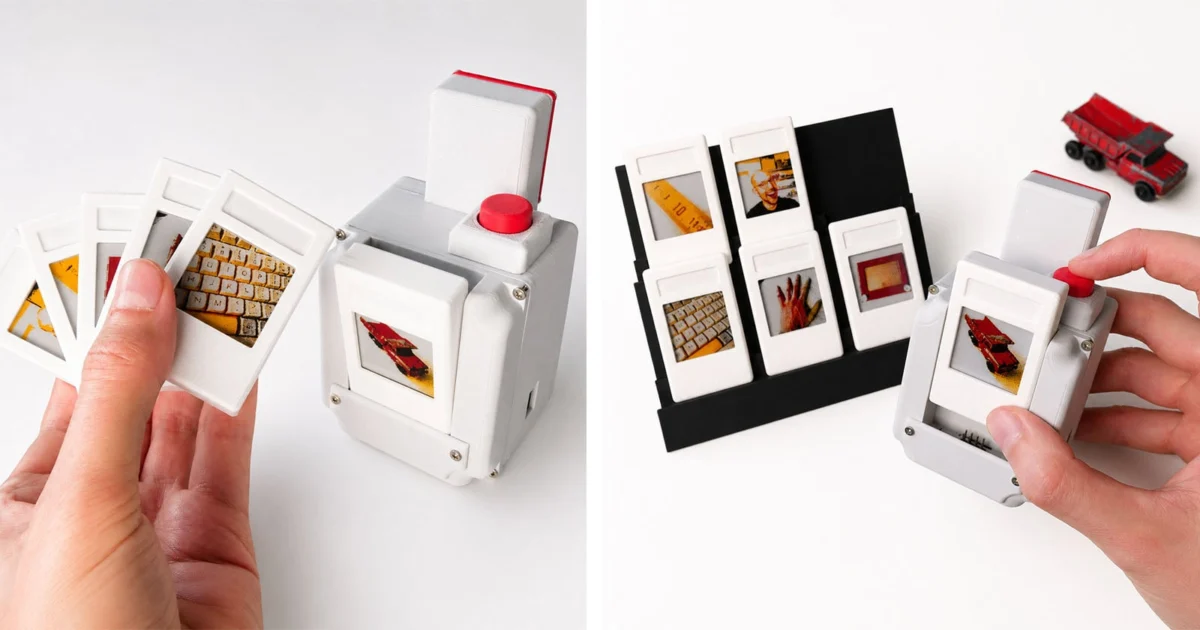
Strange Inventions Lab, led by Dutch engineer and maker Jens, has introduced a groundbreaking custom instant camera that leverages full-color e-paper displays as physical, reusable "digital film." This innovative creation addresses a pervasive modern dilemma: the fleeting nature of digital photographs, often relegated to the forgotten depths of hard drives, versus the tangible appeal and recurring cost of traditional instant film. The camera offers a unique hybrid solution, blending the convenience of digital capture with the satisfaction of a physical, viewable print, all without the continuous expense of consumable film.
The Genesis of "Digital Film": A Response to Digital Ephemerality
In an era dominated by smartphone cameras and cloud storage, the sheer volume of digital images captured often paradoxically diminishes their individual value. While convenient for sharing and archiving, these digital files frequently lack the permanence and tactile quality cherished in physical photographs. This sentiment underpins the motivation behind Strange Inventions Lab’s latest project. Jens articulates this desire succinctly, stating, "I wanted something physical again without actually printing anything." This statement encapsulates a growing yearning among photographers and casual users alike for a tangible connection to their captured moments, a desire that has fueled the resurgence of instant cameras.
Traditional instant cameras, such as those from Fujifilm Instax and Polaroid, offer this sought-after tangibility. However, their reliance on proprietary, consumable film cartridges introduces a significant ongoing operational cost, which can deter potential users or limit the frequency of use. This economic barrier, coupled with environmental concerns regarding single-use plastics and chemical waste from traditional film, presents a challenge that Strange Inventions Lab’s digital instant camera aims to overcome. By utilizing reusable e-paper display cartridges, the project introduces a sustainable and cost-effective alternative, positioning itself as a revolutionary step in the evolution of instant photography.
A Market Overview: The Enduring Appeal of Instant Photography
The instant camera market has experienced a significant renaissance in recent years, demonstrating a robust consumer appetite for immediate, physical prints. According to various market analyses, the global instant camera market was valued at approximately USD 1.2 billion in 2022 and is projected to grow significantly, reaching an estimated USD 1.7 billion by 2030, with a compound annual growth rate (CAGR) of around 4.5%. This growth is driven by a blend of nostalgia, the appeal of vintage aesthetics, and a desire for immediate, shareable physical memories in an increasingly digital world. Brands like Fujifilm Instax have consistently reported strong sales, particularly among younger demographics, who appreciate the unique charm and social aspect of instant prints.
However, this popularity comes with a caveat: the recurring cost of film. A pack of instant film, typically containing 10 exposures, can range from $8 to $20, depending on the brand and format. For enthusiastic photographers, this cost can quickly accumulate, making frequent use economically prohibitive. This economic aspect is often cited as a primary deterrent for broader adoption or sustained usage. Furthermore, the environmental impact of disposable film cartridges and the chemicals involved in their development raise concerns for eco-conscious consumers. Strange Inventions Lab’s digital instant camera directly addresses both these financial and environmental considerations by eliminating the need for single-use consumables.
The Technical Ingenuity: Deconstructing the Digital Film Camera
The core of this innovative DIY instant camera is a carefully selected array of readily available, yet powerful, components. At its heart lies a Raspberry Pi 3 A+, a compact and energy-efficient single-board computer renowned for its versatility in DIY electronics projects. This choice allows for significant processing power within a small form factor, crucial for a handheld camera device. The Raspberry Pi handles the camera’s operating system, image processing algorithms, and interaction with the e-paper displays.
Image capture is managed by a 5-megapixel camera module, a standard component in many embedded vision projects. While 5 megapixels might seem modest compared to modern smartphone cameras, it is perfectly adequate for the relatively small resolution and unique aesthetic of the e-paper displays used in this project. The output from this camera module is then fed into a custom image-processing pipeline developed by Jens.
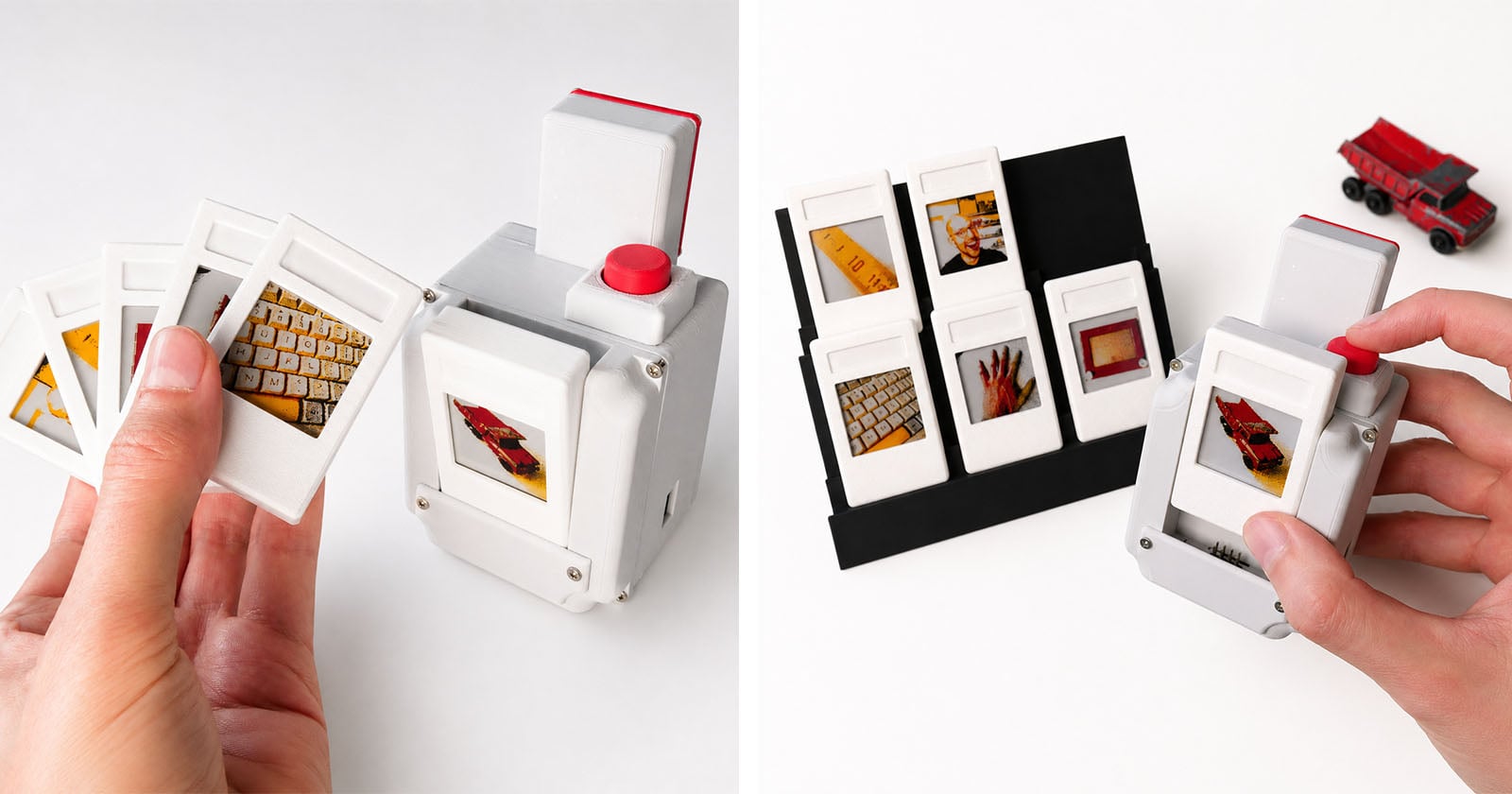
The most distinctive feature of the camera is its "digital film" – 1.54-inch full-color e-paper displays. These displays are characterized by their bistable nature, meaning they retain an image indefinitely without consuming power once the image is rendered, mimicking the permanence of a printed photograph. The specific e-paper displays used by Strange Inventions Lab are capable of rendering black, white, red, and yellow. This limited color palette necessitated the development of a sophisticated image processing algorithm. The camera remaps the full-color digital photo data into these four channels, offering photographers the choice between dithered and undithered shooting modes. Dithering uses patterns of dots to simulate shades and colors not directly available, adding a distinct, artistic quality to the final image, reminiscent of early digital graphics or halftone printing. This process is critical in translating complex photographic imagery into the e-paper’s unique display capabilities, ensuring the resulting images, while not photo-realistic in the conventional sense, possess a compelling visual charm.
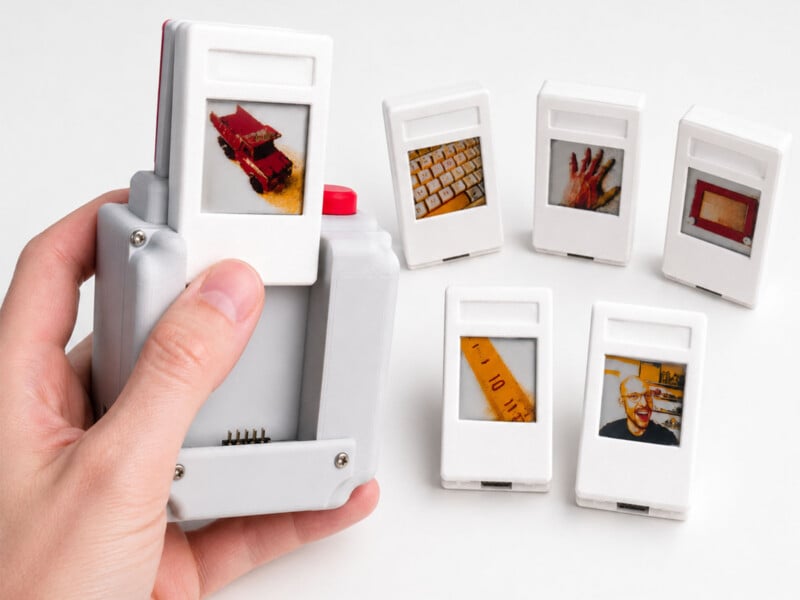
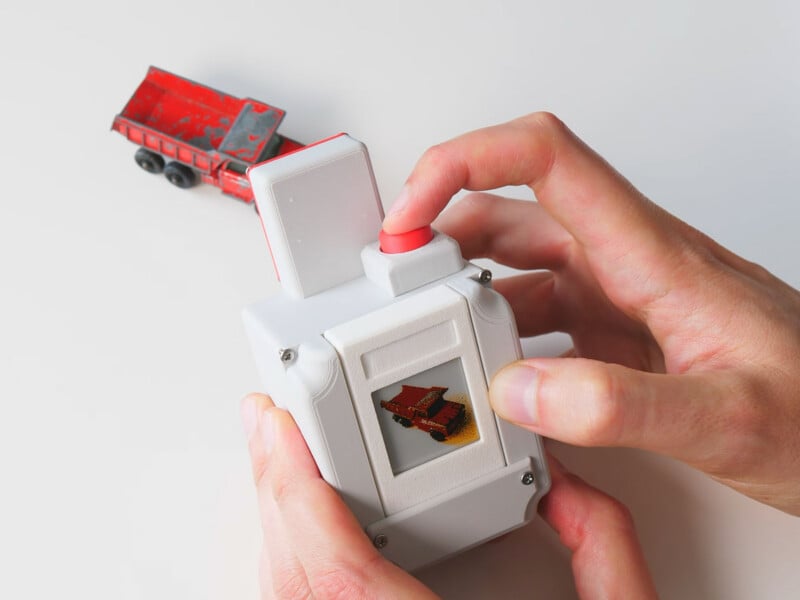
The physical construction of the camera is primarily achieved through 3D printing. The camera body, designed to house the Raspberry Pi and camera module, is a testament to modern prototyping capabilities. The "digital film" cartridges, which slide into a dedicated slot on the back of the camera much like an old Game Boy cartridge, are also 3D-printed. This modular design not only facilitates easy insertion and removal of the "prints" but also underscores the DIY ethos of the project, empowering users to create and customize their devices.
The Maker Movement and Accessibility: An Open-Source Philosophy
Jens, through Strange Inventions Lab, is a prominent figure in the maker community, regularly sharing intricate and inspiring projects on his YouTube channel. His previous creations, such as "the world’s first sketch camera," demonstrate a consistent drive to push the boundaries of photographic tools and experiences. This commitment to innovation is paired with a strong belief in accessibility and empowerment.
The "Camera with Digital Film" project is classified as "intermediate difficulty" for DIY enthusiasts, striking a balance between technical challenge and achievable outcome. The estimated complete build cost, including six photo cartridges, is approximately €127 (around $135 USD, subject to exchange rates). This cost is remarkably low when considering the functionality and reusability offered, especially when compared to the long-term investment in traditional instant film. The detailed build list and all necessary files, including 3D printing schematics and software code, are available for purchase on the Strange Inventions Lab website for €24 (approximately $26 USD). This open-source approach, while requiring a nominal fee for the meticulously developed plans, significantly lowers the barrier to entry for individuals interested in building their own advanced photographic devices. It embodies the spirit of the maker movement: fostering innovation through shared knowledge and accessible tools.
The Aesthetic and Charm of E-Paper: A Unique Visual Language
The images produced by the e-paper camera diverge significantly from the high-fidelity, full-color photographs common in contemporary digital photography. The limited palette of black, white, red, and yellow, combined with the often-dithered rendering, creates a distinct visual language. Far from being a drawback, this unique aesthetic imbues the images with a captivating, almost artistic quality. They evoke a sense of nostalgia for early digital art, pixel art, or even the stylized graphics of retro video games, while simultaneously offering a modern twist on instant photography.
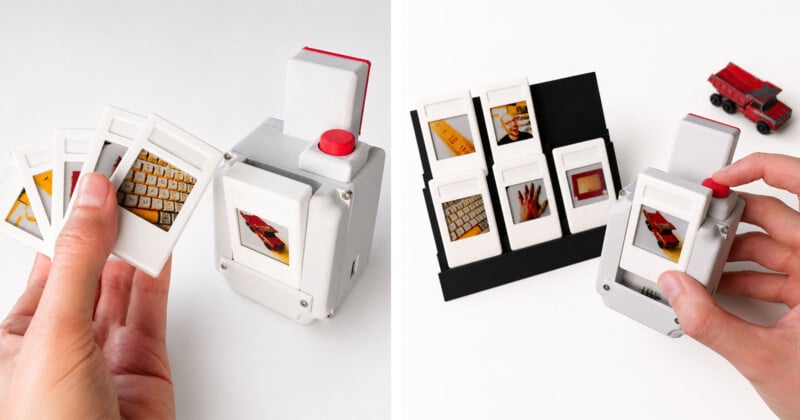
This specific visual characteristic is not merely a byproduct of technological limitations but a deliberate artistic choice that contributes to the camera’s overall charm. The images possess a certain timelessness, standing apart from the hyper-realistic clarity expected from most digital cameras. They encourage a different kind of photographic eye, one that appreciates composition, contrast, and the interplay of limited colors to convey mood and subject matter. The fact that these images are displayed on a physical, battery-free e-paper cartridge further enhances their unique appeal, offering a static, enduring display that doesn’t fade or require power to be appreciated.
Environmental and Economic Implications: A Sustainable Photographic Future
The implications of Strange Inventions Lab’s digital instant camera extend beyond mere novelty; they touch upon critical aspects of sustainability and economic viability in consumer technology. By eliminating the need for consumable film, the camera dramatically reduces waste associated with traditional instant photography. Each e-paper cartridge is reusable, capable of being overwritten with new images countless times. This not only translates into substantial long-term cost savings for the user but also significantly lessens the environmental footprint.
The absence of batteries in the individual cartridges is another noteworthy sustainable feature. The power for updating the e-paper display is supplied by the camera itself, meaning the "digital prints" themselves are entirely passive displays. This design choice further underscores the project’s commitment to energy efficiency and reduced electronic waste. In an era where technological innovation is increasingly scrutinized for its environmental impact, a device that champions reusability and minimizes consumables offers a compelling vision for a more sustainable future in personal electronics. This aligns with broader trends in product design towards circular economy principles, where products are designed for durability, reuse, and recycling.
Broader Impact and Future Outlook: Tangible Digital Media
The "Camera with Digital Film" is more than just an intriguing DIY project; it represents a significant conceptual leap in how we interact with digital media. It bridges the gap between the ephemeral nature of digital files and the cherished tangibility of physical objects. This innovation could influence future trends in photography, prompting discussions about the permanence of digital memories and the value of physical artifacts in an increasingly virtual world.
Furthermore, this project serves as a powerful testament to the capabilities of the global maker community. It showcases how readily available components, combined with ingenuity and open-source principles, can lead to disruptive innovations that challenge established market norms. The accessibility of the build plans encourages experimentation and customization, fostering a culture of creative problem-solving and technological literacy.
Looking ahead, the concept of "tangible digital media" – physical objects that display dynamic digital content – could find applications beyond instant cameras. Imagine e-paper photo albums where images can be updated or curated, or interactive art installations that blend physical presence with digital fluidity. The challenges of developing full-color e-paper with higher refresh rates and broader color gamuts are continually being addressed by display manufacturers. As these technologies mature, the potential for devices like Jens’s camera to become more mainstream and versatile will only grow, potentially reshaping our relationship with digital content.
Conclusion: A Vision for the Future of Photography
Strange Inventions Lab’s "Camera with Digital Film" is a compelling answer to a modern dilemma. It offers a solution that is economically sound, environmentally conscious, and creatively inspiring. By allowing users to capture moments and store them on reusable, physical e-paper cartridges, Jens has not only crafted an "awesome" gadget but has also sparked a vital conversation about the future of photography. It’s a future where the convenience of digital meets the enduring charm of the tangible, a future where memories are not just stored, but genuinely held. The project stands as a beacon of innovation, demonstrating that with creativity and accessible technology, the next big thing can often emerge from a dedicated maker’s lab.