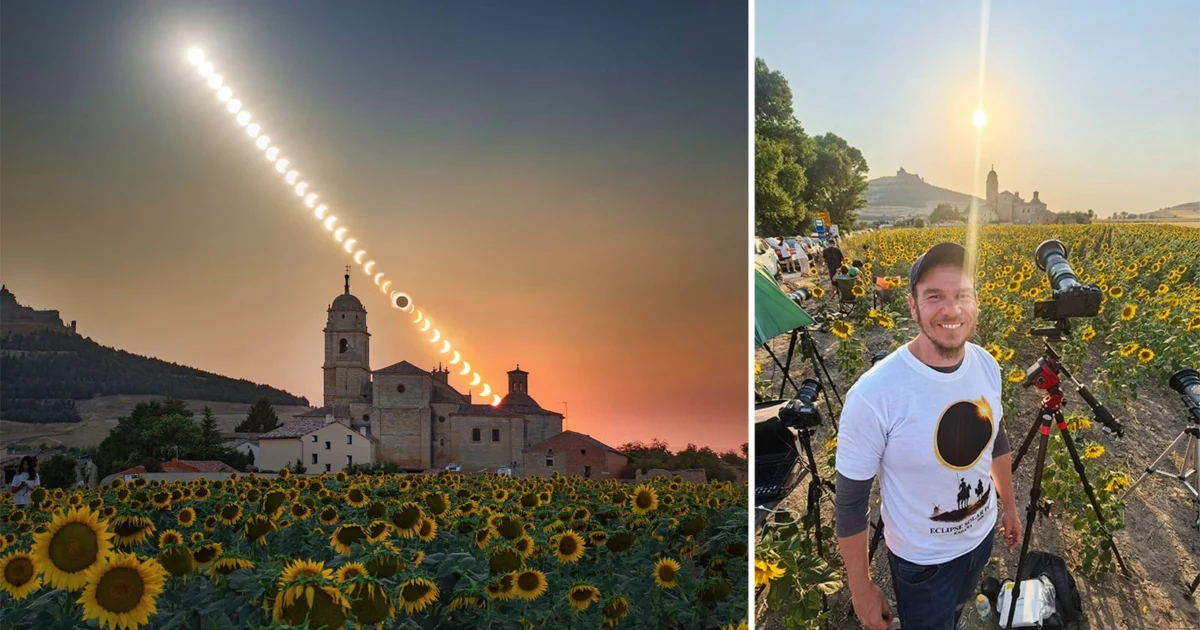
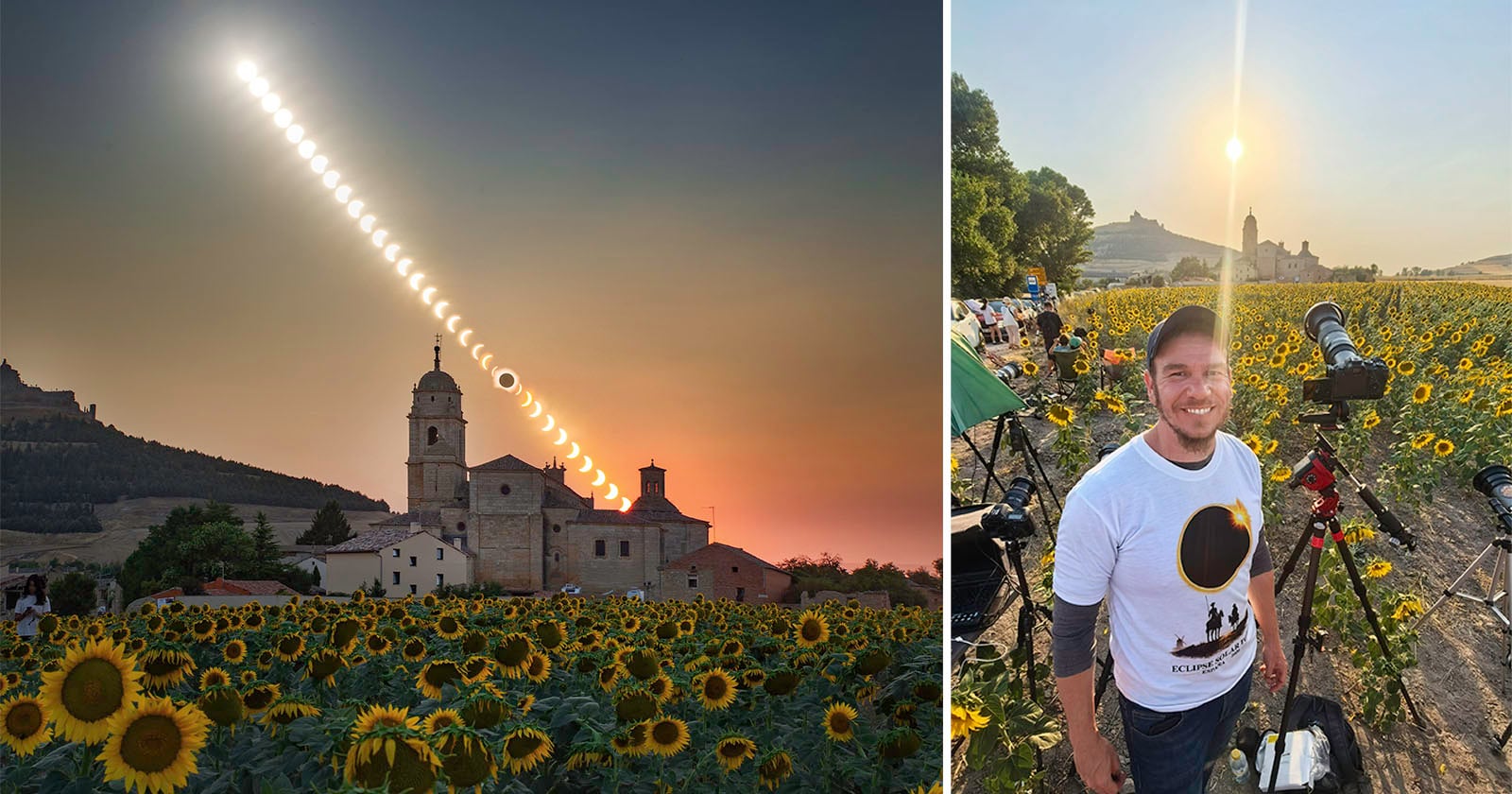
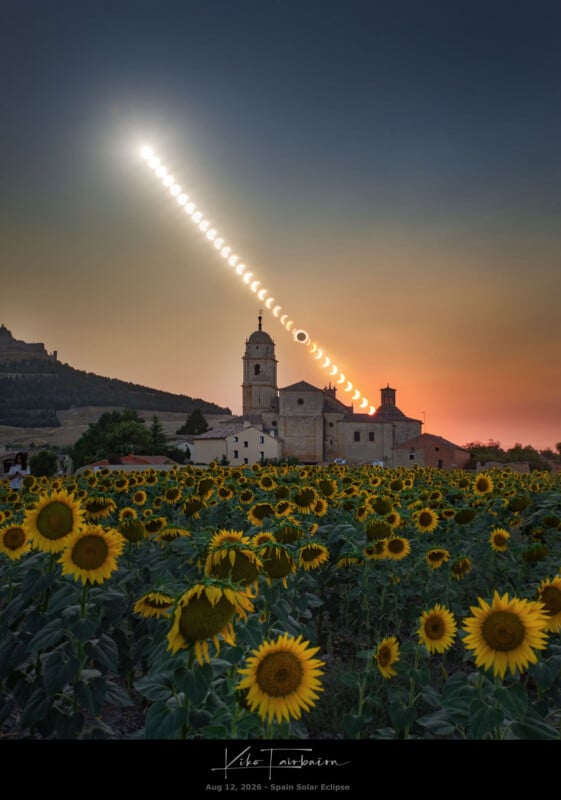
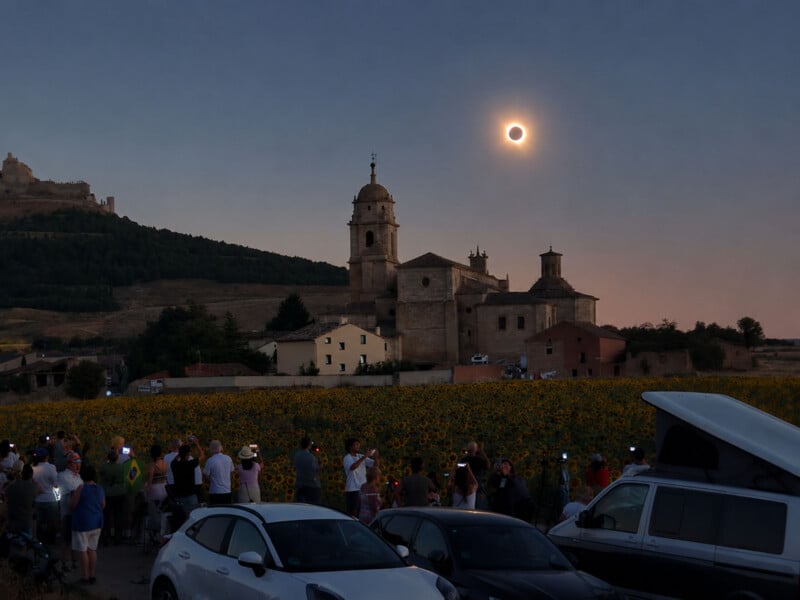
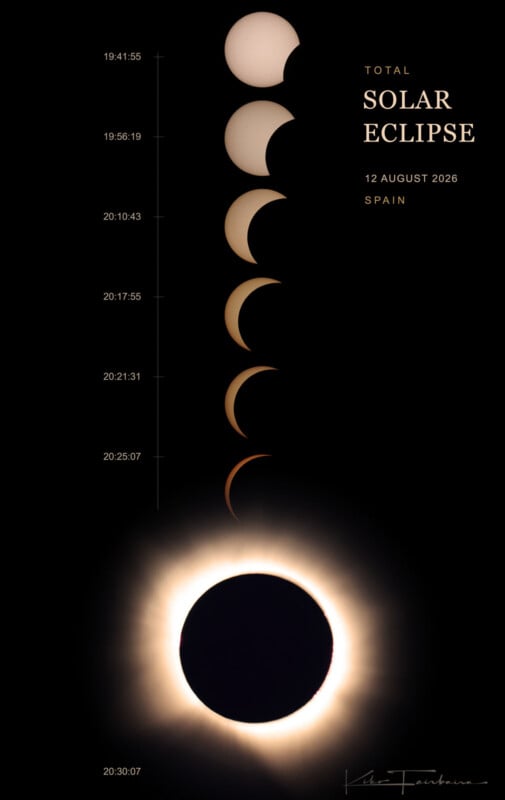
In an extraordinary convergence of meticulous planning, artistic vision, and celestial mechanics, Brazilian astrophotographer Kiko Fairbairn has immortalized the August 12, 2026 total solar eclipse over northern Spain with a series of stunning images. His work, featuring the dramatic silhouette of the eclipsed sun against a backdrop of vibrant sunflower fields, ancient churches, and castle ruins near Castrojeriz, transcends mere documentation, offering a profound visual narrative of humanity’s connection to the cosmos. The resulting composite images are a testament to over a year of dedicated preparation, culminating in a fleeting 106-second window of totality that yielded both scientific data and profound artistic expression.
The Astronomical Phenomenon: The August 2026 Total Solar Eclipse
The total solar eclipse of August 12, 2026, was a highly anticipated astronomical event, drawing enthusiasts, scientists, and photographers from across the globe to its narrow path of totality. This particular eclipse carved a path primarily across the North Atlantic, with its most significant landfalls occurring in Greenland, Iceland, and notably, Spain. For Spain, it marked a rare opportunity, with the path sweeping across the northern regions, including Galicia, Asturias, Cantabria, Castilla y León, and the Balearic Islands. The Iberian Peninsula offered some of the most accessible and climatically favorable viewing locations, promising clear skies during the late afternoon spectacle.
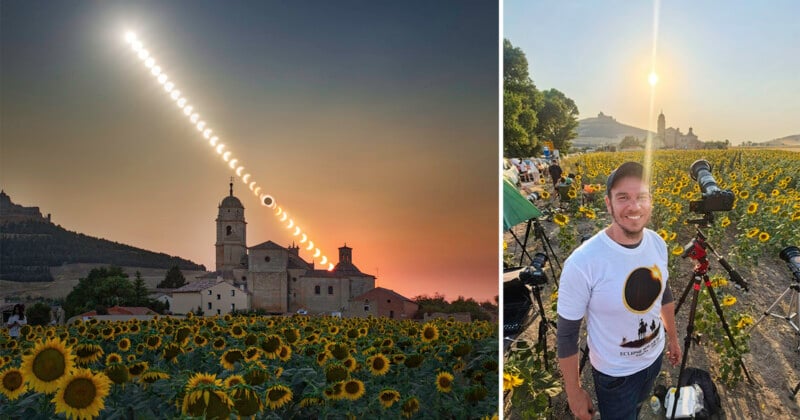
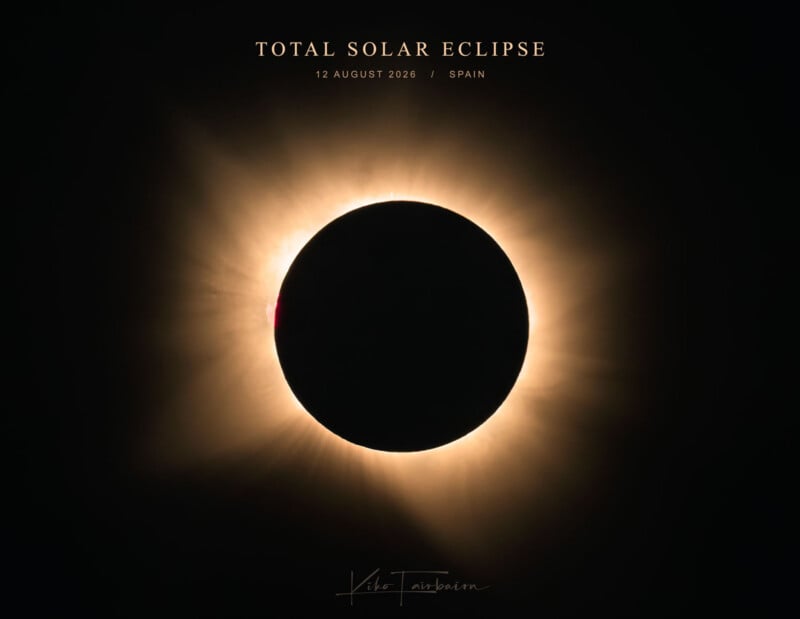
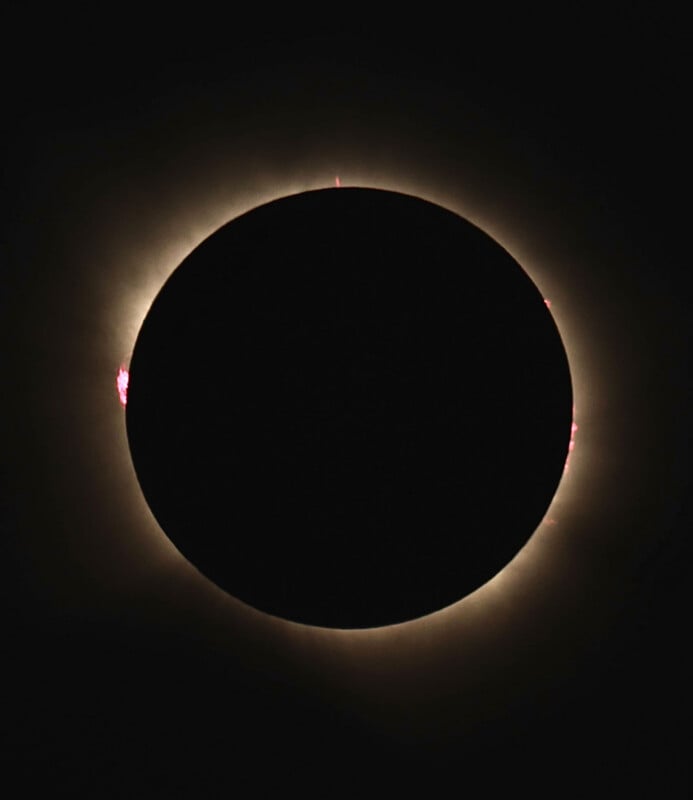
A total solar eclipse occurs when the Moon passes directly between the Sun and Earth, completely obscuring the Sun’s face. This perfect alignment, often described as an "extraordinary coincidence," is due to the Sun being approximately 400 times larger than the Moon, but also approximately 400 times farther away from Earth. This unique angular size allows the Moon to precisely cover the brilliant solar disk, revealing the Sun’s ethereal corona – its outermost atmosphere – which is otherwise invisible due to the Sun’s overwhelming brightness. The event transforms daylight into a twilight glow, often accompanied by a noticeable drop in temperature and unusual animal behavior, creating an immersive, multi-sensory experience. Fairbairn’s chosen location near Burgos, within the region of Castilla y León, was strategically positioned to maximize the duration of totality, which in his precise spot, lasted a precious one minute and forty-six seconds.
The Quest for the Perfect Shot: A Year of Planning, Days of Scouting
Fairbairn’s journey to capture this celestial marvel began over a year prior, thousands of miles away in Brazil. His initial planning involved extensive research into the eclipse path, weather patterns, and potential foreground elements in northern Spain. However, as he recounts, the true photographic search commenced upon his arrival in the Burgos region. "Once I arrived near Burgos, the real photographic search began," Fairbairn told PetaPixel. "I spent time scouting the landscape, using planning apps to fine-tune how the path of the eclipse would align with the terrain and the elements I was finding in the foreground."
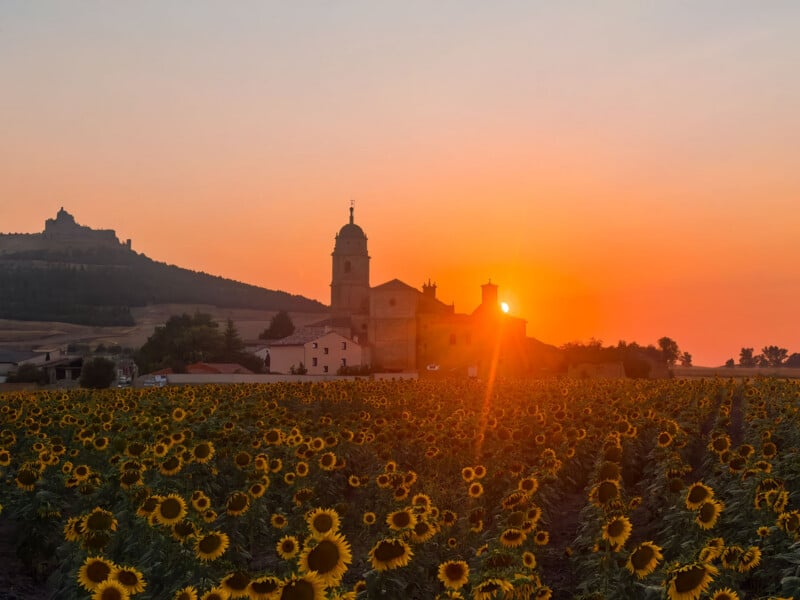
This meticulous on-the-ground reconnaissance, a critical phase often underestimated in astrophotography, involved traversing numerous locations, assessing angles, and visualizing the celestial event against diverse terrestrial backdrops. The aim was not merely to photograph the eclipse but to weave it into a compelling narrative that celebrated the local landscape. It was during this intensive scouting period that Fairbairn discovered the idyllic scene that would become the canvas for his iconic photographs: a vibrant field of sunflowers near Castrojeriz, overlooked by a historic church and the evocative ruins of a castle. "The moment I saw that scene, something clicked," he explained. "After months thinking about this eclipse, suddenly I could actually see the photograph in front of me. The landscape, the sunflowers, the old architecture and the path of totality all seemed to come together."
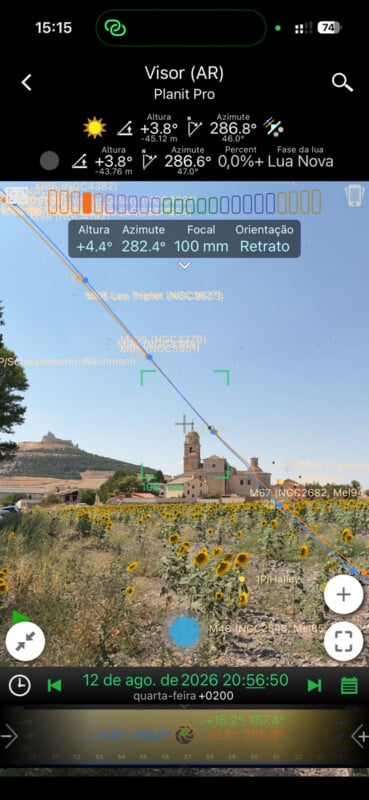
This discovery was the culmination of both rigorous digital planning – utilizing advanced astronomical apps to predict the Sun’s trajectory – and intuitive, boots-on-the-ground exploration. The synthesis of technology and traditional scouting proved indispensable in transforming a theoretical concept into a tangible photographic vision.
A Symbolic Canvas: Sunflowers and Ancient Stones
The choice of Castrojeriz, with its distinctive elements, was deeply symbolic and visually resonant. Sunflowers, renowned for their heliotropic nature, literally turn their faces towards the Sun, embodying a natural reverence for the celestial body. Photographing an eclipse over such a field created an immediate, powerful connection, elevating the composition beyond a mere astronomical record. Fairbairn was acutely aware of this symbolism but emphasized the importance of a strong compositional foundation. "There was something almost irresistible about photographing a solar eclipse over a field of sunflowers – flowers whose entire visual identity is connected to the Sun. But I didn’t want that connection to be just a gimmick. The composition still had to work as a photograph," he articulated.
The ancient stone church and castle ruins further enriched the narrative, adding layers of history and human endeavor to the cosmic event. These structures, silent witnesses to centuries of human existence, provided a poignant contrast to the transient celestial phenomenon. They anchored the vastness of space to the enduring presence of Earth’s heritage. Fairbairn experimented with various focal lengths, ultimately settling on 38mm with a 24-70mm lens, a choice that allowed him to harmoniously integrate the foreground sunflowers, the distant church, the castle ruins, and the arc of the eclipse, positioning totality precisely above the church. This careful framing transformed the photographs into a visual story, where the natural world, human history, and astronomical wonder converged.
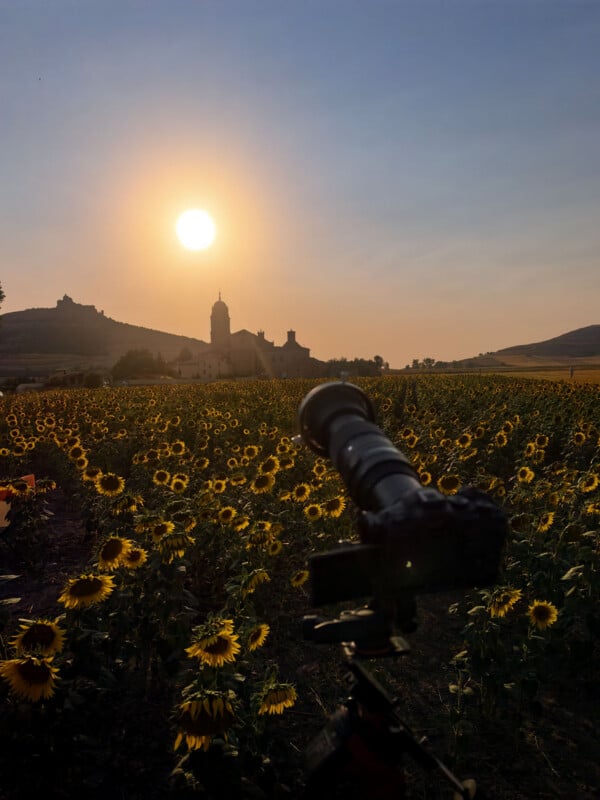
Technical Mastery in Fleeting Moments: A Multi-Camera Approach
Capturing a total solar eclipse demands not only artistic foresight but also impeccable technical execution, especially given the rapid and dramatic changes in light and the ephemeral nature of totality. Fairbairn employed a multi-camera setup to tackle the diverse photographic requirements of the event.
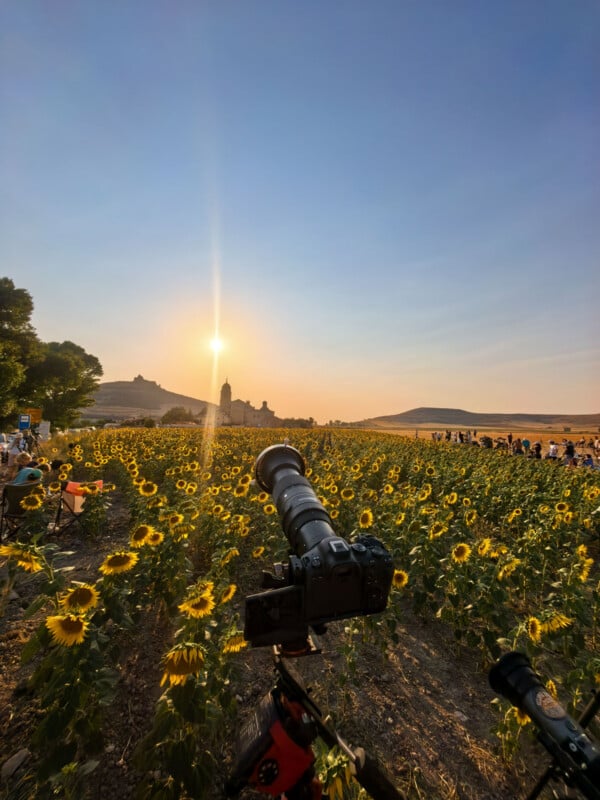
His primary setup for close-up views of the Sun involved a Canon EOS R6 Mark III paired with a 150-600mm telephoto zoom lens and a 2x teleconverter, all mounted on a dedicated equatorial tracker with a solar filter. This arrangement allowed for continuous, precise tracking of the Sun and Moon, ensuring sharp, detailed captures of the eclipse’s various phases, including the breathtaking corona during totality. "Knowing that this camera was continuously recording the eclipse gave me the freedom to concentrate on something completely different with my second camera: the landscape and the storytelling," Fairbairn noted.
For the landscape sequences, Fairbairn relied on his trusty Canon EOS 5D Mark III, a DSLR he affectionately describes as an "old workhorse" but perfectly suited for his narrative objectives. This camera, equipped with a 24-70mm lens, remained static throughout the event, allowing for a consistent perspective of the eclipse’s progression over the chosen landscape. To manage the extreme dynamic range inherent in eclipse photography, Fairbairn utilized an aggressive bracketing strategy. For each sequence, he captured three exposures: a base exposure, one two stops darker, and another two stops brighter (e.g., 1/50s, 1/200s, 1/800s). This approach provided a crucial "exposure safety margin" and an abundance of data to work with in post-processing, eliminating the need for constant manual adjustments during the critical moments. He also used a Haida ND 3.0 filter and powered his camera via a dummy battery connected to a power bank, ensuring uninterrupted operation for the nearly 300 frames captured. This robust technical framework allowed Fairbairn to automate the capture process, freeing him from the camera’s back during the most profound seconds of totality.
Beyond the Lens: The Human Experience of Totality
Despite the intense technical demands, Fairbairn emphasized the paramount importance of experiencing totality directly. "One of the biggest mistakes we can make as photographers during an an eclipse is becoming so focused on capturing it we forget to actually experience it," he cautioned. This philosophy allowed him to set up his equipment for automated capture, ensuring the photographic record while liberating him to fully immerse himself in the spectacle.
His sister, who traveled with him, played a crucial role, not only documenting the behind-the-scenes efforts but also capturing the precise moment Fairbairn finally looked away from his cameras and up at the celestial event with his own eyes. His reaction, documented in video, speaks volumes about the emotional impact. "There is this immediate sense of shock and awe – almost disbelief at what I was seeing," he recounted. "I had spent more than a year planning the photographs, studying locations, thinking about compositions and preparing equipment, but none of that really prepares you for the visual and emotional impact of totality."
For those 106 seconds, the world transformed. The familiar Sun became an alien, glowing orb, its corona shimmering against a darkened sky. The landscape took on an eerie, otherworldly glow, and the silence of the moment was profound. This raw, emotional experience, shared with his sister and close friends from the Brazilian astronomy and astrophotography community, amplified the significance of the event. Fairbairn articulated this dual imperative: "Photographing an eclipse is extraordinary… But actually witnessing totality with your own eyes is something else entirely." He strongly advises anyone with the opportunity to "take the photograph, absolutely – but make sure you look up."
Kiko Fairbairn’s Astrophotography Legacy and Broader Implications
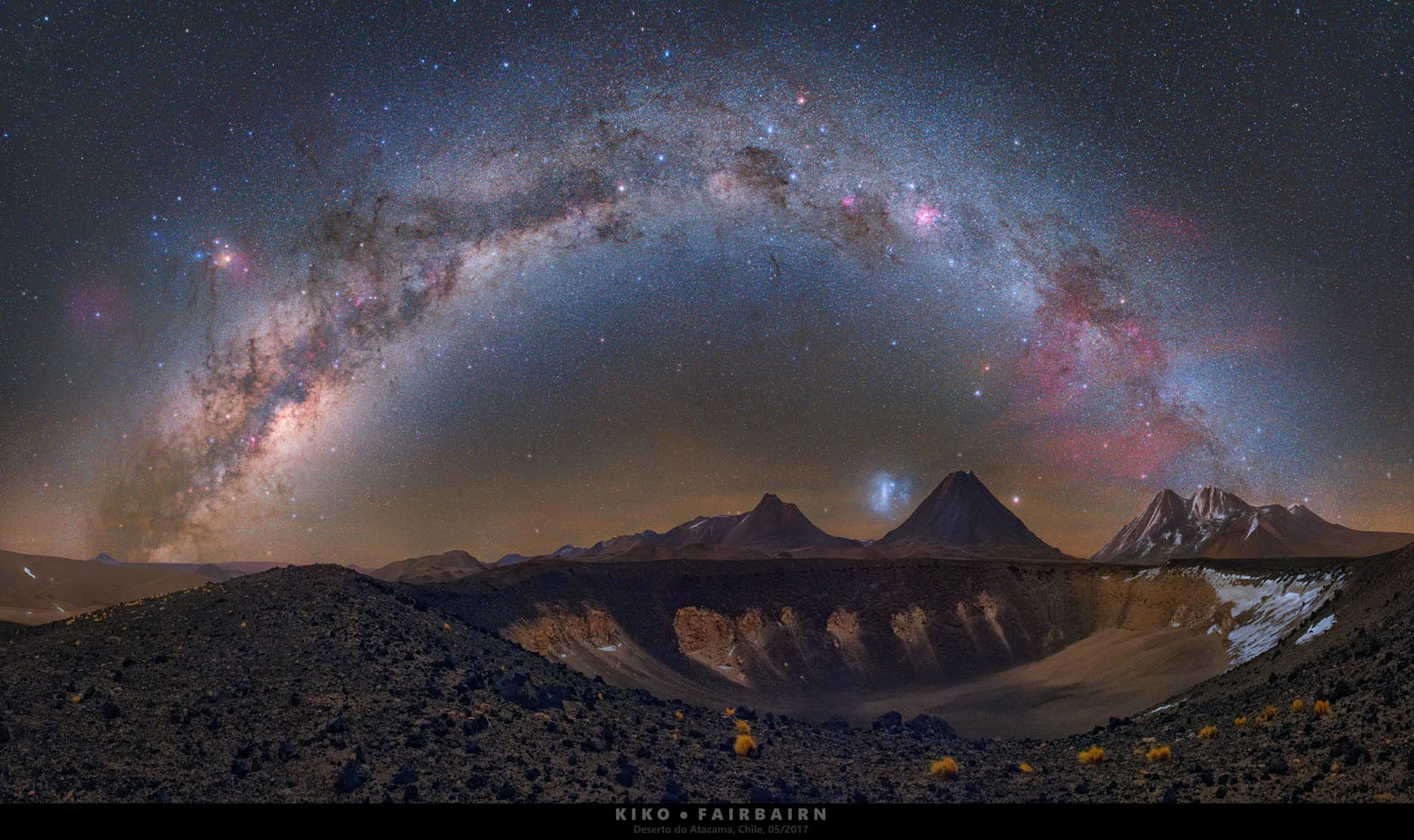
Kiko Fairbairn is a celebrated figure in the astrophotography community, with over 15 years of experience in deep-sky and landscape astrophotography, including complex tracked panoramas. His work has graced the pages of prestigious publications such as NASA, National Geographic, BBC, and Scientific American. He was awarded the esteemed Sir Patrick Moore Prize in Astronomy Photographer of the Year in 2019, a testament to his exceptional skill and artistic vision. Beyond his captivating images, Fairbairn is a dedicated educator and speaker, delivering TED talks and presentations at schools and observatories, bridging the gap between scientific understanding and artistic appreciation of the cosmos.
His eclipse photographs are more than just aesthetically pleasing images; they represent a confluence of scientific precision, technological prowess, and profound human emotion. They serve as a powerful reminder of the delicate cosmic dance that governs our solar system and the unique position of Earth to witness such events. The successful capture of the eclipse over Castrojeriz also highlights the growing sophistication of astrophotography, where advanced planning tools and camera automation allow photographers to push the boundaries of what is possible, while still valuing the direct, unmediated experience.
The event itself had broader implications for the regions in the path of totality in Spain. The influx of astronomy enthusiasts, tourists, and media created a significant boost for local economies, from hospitality to specialized equipment sales. It also fostered a sense of global community, as individuals from diverse backgrounds united under the awe-inspiring shadow of the Moon. Fairbairn’s experience, shared with fellow passionate astrophotographers, underscored the collaborative spirit often found in such endeavors, where mutual support and shared excitement enhance the overall journey. His feeling of relief when the eclipse trajectory perfectly aligned with his composition, after a year of meticulous preparation, speaks to the high stakes and immense satisfaction inherent in such a demanding field.
Ultimately, Fairbairn’s photographs of the 2026 total solar eclipse are a lasting contribution to both art and science. They beautifully encapsulate the fleeting grandeur of a celestial alignment, framed by the timeless beauty of the Spanish landscape, and imbued with the personal wonder of an artist who dared to look up. "Sharing those 106 seconds with my sister and with dear friends is something I will carry with me for the rest of my life. It was genuinely one of the highlights of my life," Fairbairn concluded, underscoring that while the images will inspire many, the profound personal experience remains an indelible part of the cosmic journey.