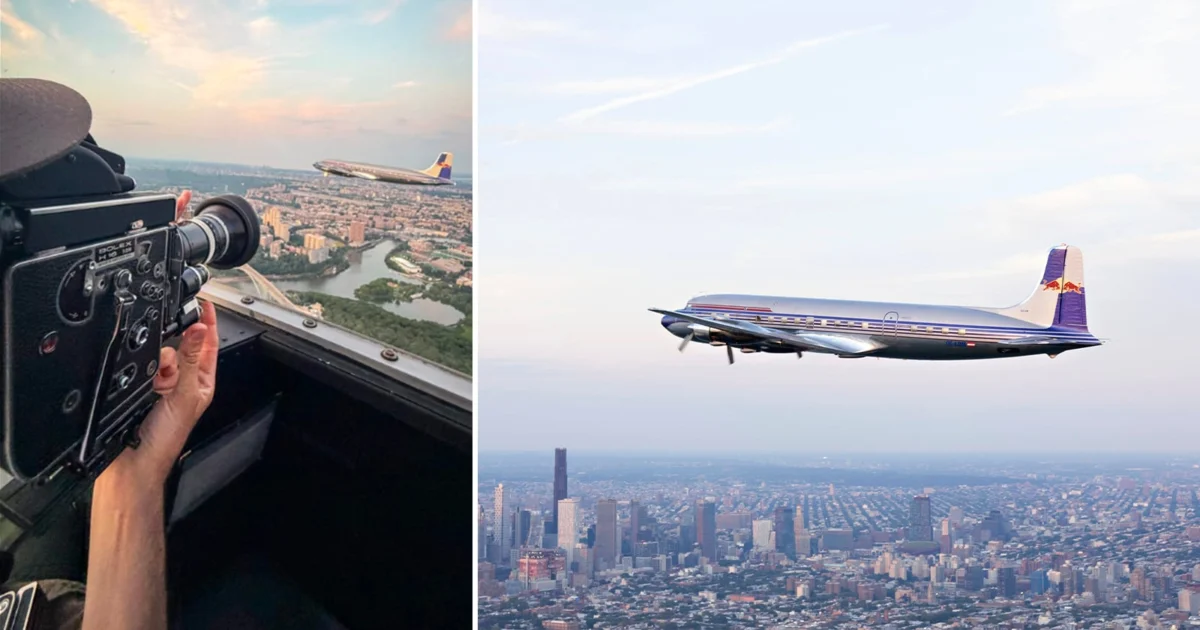
In a poignant tribute to aviation and filmmaking history, Red Bull Aviation’s iconic DC-6B aircraft recently made a monumental return to American skies, gracing New York City with a series of awe-inspiring flights. This event marked the first time the vintage aircraft, originally manufactured in Santa Monica, California, in 1958, had flown over U.S. soil since its inception. To chronicle this significant occasion, the production team embarked on an equally historic endeavor: capturing the majestic flights using vintage Bolex motion picture cameras from the same era, creating a unique cinematic bridge between two distinct periods of technological and artistic expression.
A Return of Grandeur: The DC-6B’s Resurgence
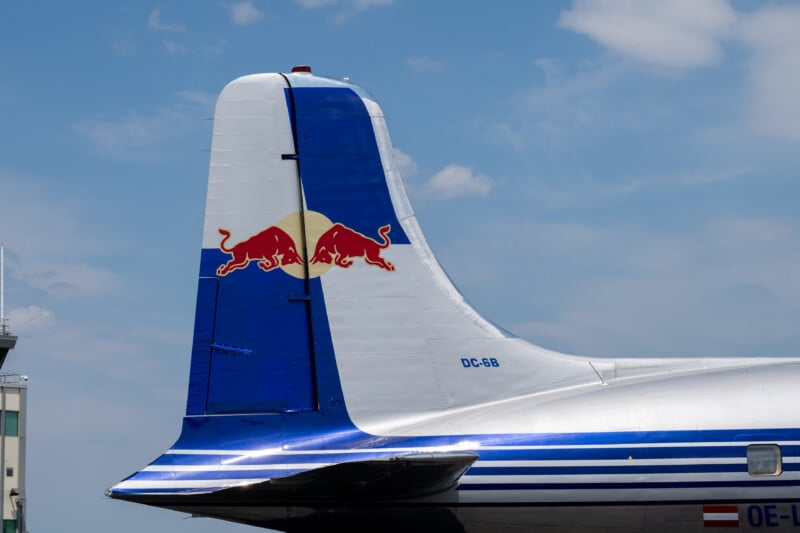
The DC-6B, a four-engine piston-powered airliner developed by the Douglas Aircraft Company, represents a golden age of commercial aviation. Introduced in 1951, it quickly earned a reputation for reliability, range, and comfort, becoming a staple for airlines worldwide before the advent of jet travel. Often referred to as a "Queen of the Sky," its robust design allowed for transcontinental and transatlantic flights, pushing the boundaries of global connectivity. The particular DC-6B in Red Bull’s renowned Flying Bulls fleet boasts a storied past, having served various roles, including transport for the Yugoslavian government before its meticulous restoration by Red Bull Aviation. Its return to the United States, after decades abroad, was not merely a flight but a powerful symbol of aviation heritage being brought full circle. The decision to make New York City its inaugural U.S. stop was strategically chosen, allowing the aircraft to perform against one of the world’s most recognizable and dynamic urban backdrops, amplifying the visual spectacle and historical resonance.
"DC-6 x Bolex": A Timeless Cinematic Dialogue
The creative vision behind the project, aptly titled "DC-6 x Bolex," was to transcend mere documentation. Instead of solely relying on contemporary digital cinema equipment, which offers unparalleled resolution and technical flexibility, the Red Bull Aviation team consciously opted for a more evocative approach. By pairing the 2026 perspective of modern aviation storytelling with the distinct visual character of analog film, they aimed to forge a deeper, more authentic connection between the aircraft’s profound history and the artistic tools employed to capture its momentous return. This choice was a deliberate artistic statement, allowing the visual language of the footage itself to echo the era in which the DC-6B was originally built, thereby celebrating both the aircraft’s enduring legacy and the timeless allure of analog filmmaking.
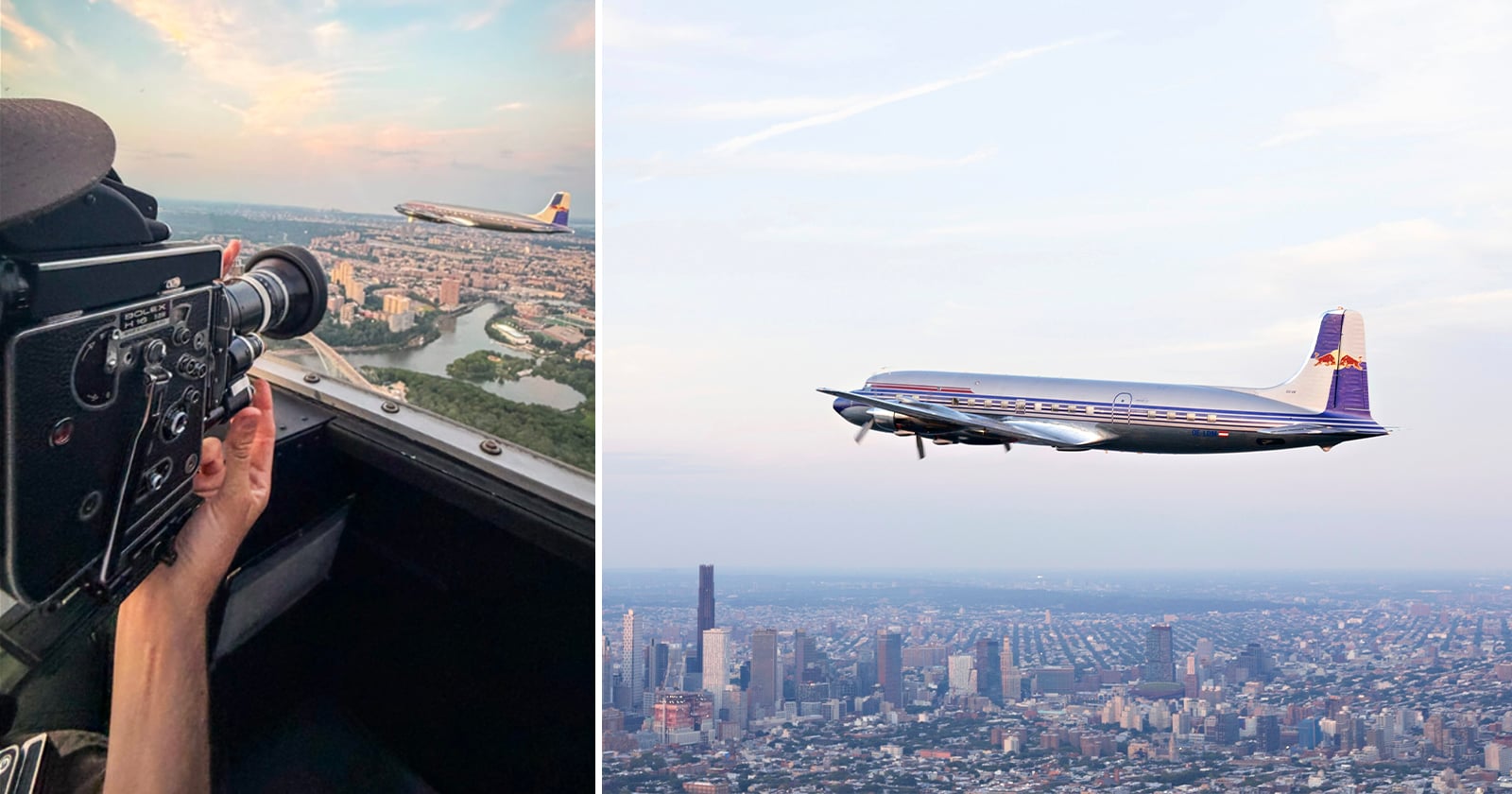
As the Red Bull Aviation team exclusively shared with PetaPixel, "The decision to film the DC-6B on Bolex cameras stemmed from love and appreciation of film photography and motion pictures. It has a way of presenting a subject in such a unique, authentic way to really set the tone of the DC-6B visit and the fact that it had not flown over American soil since it was built in 1958 in Santa Monica. We wanted to celebrate the plane by capturing it with cameras from the same era it was built." This sentiment underscores a philosophical commitment to authenticity, seeking to imbue the visual narrative with the soul of the past.
The Analog Arsenal: Bolex Cameras and Kodak Film
To faithfully recreate the visual texture of the DC-6B’s original era, the production team meticulously selected two specific Bolex cameras that closely aligned with the aircraft’s timeline. These were a Bolex H16 Rex 3, manufactured in 1963, and a Bolex H16 SBM, from 1970. While not precisely 1958, these models represented the closest available vintage, embodying the robust, mechanical craftsmanship characteristic of the period.
Bolex cameras, particularly the H16 series, are legendary in the history of 16mm filmmaking. Renowned for their precision Swiss engineering, durability, and versatility, they were workhorses for documentary filmmakers, newsreel photographers, and experimental artists throughout the mid-20th century. Their spring-wound mechanisms, interchangeable lenses, and ability to capture crisp, detailed images on 16mm film contributed to countless iconic cinematic moments. Using these cameras was not merely a stylistic flourish; it was an embrace of a tactile, almost artisanal approach to image capture, where each frame carried the weight of historical context.
The chosen film stocks further cemented this dedication to authenticity. The Bolex cameras were loaded with Kodak VISION3 50D and 250D film. Kodak’s VISION3 family of motion picture film stocks is celebrated for its exceptional image quality, wide dynamic range, and fine grain structure, even in modern filmmaking. The 50D (Daylight) is a low-speed, fine-grain stock ideal for bright conditions, offering superb color rendition. The 250D (Daylight) provides a medium speed and greater versatility for mixed or changing light, making it suitable for capturing details in both sunlit and shadowed areas. This selection was crucial, especially given that much of the footage was captured during an evening flight around New York City, necessitating film types that could deftly handle the challenging light while preserving the characteristic warmth and organic quality of analog motion picture film. As the team noted, "Those films types worked best based off the sun and available light since we filmed the majority of the footage during an 8pm evening flight around the city. We felt it was the best way to document and celebrate the iconic DC-6B plane."
Navigating the Skies: Challenges of Aerial Filmmaking with Vintage Gear
Capturing the DC-6B in flight, often from the nose of another historic aircraft – an A26 Invader, itself a veteran of World War II – presented a unique confluence of creative and technical challenges. Aerial cinematography demands meticulous planning, highly specialized equipment, and unwavering precision. When adding decades-old cameras into this equation, the complexities multiply significantly.
The production team faced not only the inherent difficulties of filming from a rapidly moving platform but also the idiosyncrasies of vintage Bolex cameras. Factors such as camera shake, limited film capacity (requiring frequent reloading), manual focus, and exposure adjustments in rapidly changing light conditions tested the cinematographers’ skills. The team candidly acknowledged the psychological aspect of the endeavor: "One of the biggest challenges were just getting over the fear of flying in the nose of a plane from World War and adjusting to filming with a decades old camera in pretty bump conditions."
Despite the inherent risks and the initial apprehension, the pilots from Million Air, the company responsible for piloting the camera planes, instilled confidence. The team found solace and focus in the act of filmmaking itself. "We had complete confidence from Million Air’s pilots, the company who were piloting the camera planes, but it was more so our own internal fear. Ultimately, the camera gave us our ‘shield’ and allowed us to put aside our nervousness to really lean into documenting the DC-6B over NYC the best way we could," stated the Red Bull Aviation team. This highlights the transformative power of the creative process, allowing artists to transcend personal anxieties in pursuit of their vision.
The Iconic Canvas: New York City from a Different Perspective
The choice of New York City as the backdrop for the DC-6B’s U.S. return was inspired. The city’s iconic skyline, a tapestry of historical architecture and modern marvels, provided a dramatic and visually rich environment for the vintage aircraft. Among the many memorable moments captured during the flights, the aircraft’s pass over Central Park stood out as particularly "surreal and incredible" for the team.
"It is just such an iconic place in NYC that we were giddy in the nose of the A26 Invader plane while filming the DC-6B fly over," they recounted. The unique formation flight, with the camera plane maintaining a precise distance from the DC-6B, allowed the filmmakers to capture the aircraft in a framing that emphasized both its grand scale and its harmonious connection with the sprawling metropolis below. These moments, filmed with the warm, evocative grain of analog film, captured the very essence of the flyover and The Flying Bulls’ visit to NYC, creating images that felt both historically resonant and vibrantly alive.
From Film to Screen: Balancing Authenticity with Modern Engagement
While the "DC-6 x Bolex" project was steeped in analog authenticity, the ultimate goal was to share this unique narrative with a modern, digitally-native audience. The final social media piece released by Red Bull skillfully blended the finished film footage with an insightful behind-the-scenes look at cinematographer Khyber Jones’s meticulous work in capturing the aircraft in flight. This dual approach allowed viewers to appreciate both the final aesthetic and the demanding process that brought it to life.
In post-production, a delicate touch was applied. The final footage received only a subtle color grade, a conscious decision to preserve the inherent character and organic tones of the film as it returned from the Kodak laboratory in New York City. "There was a slight color grade added to the footage aside from that; the footage is how we received it from the Kodak Lab in NYC," the team confirmed. This minimalist approach to grading underscored the project’s core philosophy: "The whole goal was to stay true to the art form of film and truly honor that alongside the DC-6B." The resulting visuals maintained the authentic, slightly nostalgic feel of classic cinema, a stark contrast to the often hyper-real aesthetic of modern digital productions.
Broader Implications: Preserving Heritage and Inspiring Creativity
Beyond the immediate spectacle, the "DC-6 x Bolex" project carries significant implications for aviation heritage, filmmaking practices, and creative inspiration. It serves as a powerful testament to the enduring appeal and artistic value of analog mediums in a predominantly digital age. The project demonstrates that older tools are not obsolete but can offer unique perspectives and an aesthetic depth that newer technologies often struggle to replicate.
The Red Bull Aviation team articulated a clear message for aspiring creators: "Honestly, don’t wait around to create. No matter what you’re going to shoot, just go and do it for yourself. Capture life, your surroundings, and let it inspire you. More people just need to create just because they want to and not because they think that’s what they’re supposed to. Stay true to yourself." This ethos underpinned the entire project, which intentionally veered from conventional trends to document a historic aircraft with tools from its own time. By doing so, they created a visual narrative that is not only compelling but also a genuine expression of artistic intent.
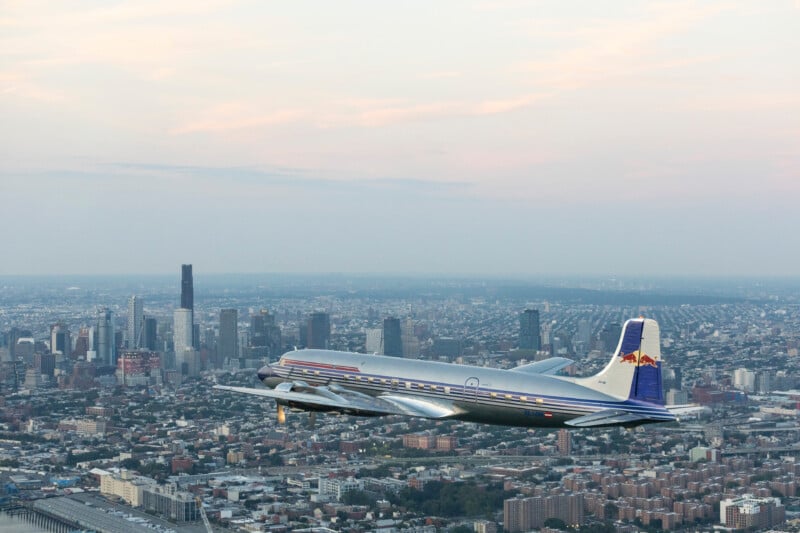
The project highlights Red Bull’s strategic approach to content creation, often blending extreme feats, historical preservation, and cutting-edge media production to reinforce its brand identity. Their dedication to maintaining airworthy historic aircraft, part of The Flying Bulls fleet based in Salzburg, Austria, extends beyond mere exhibition; it’s about actively engaging with and celebrating aviation history. This "DC-6 x Bolex" endeavor perfectly aligns with their mission, showcasing their commitment to unique experiences and high-quality, inspiring content.
Ultimately, the "DC-6 x Bolex" project stands as a vivid reminder that impactful storytelling is not solely defined by the newest technology or prevailing trends, but by the vision, authenticity, and passion behind the camera. Whether working with film or digital tools, creators can still discover innovative ways to approach familiar subjects by embracing experimentation, honoring history, and producing work that genuinely reflects their unique perspective and passion. The blend of a venerable aircraft and vintage cameras created not just images, but a timeless narrative, resonating with enthusiasts of both aviation and cinema alike.