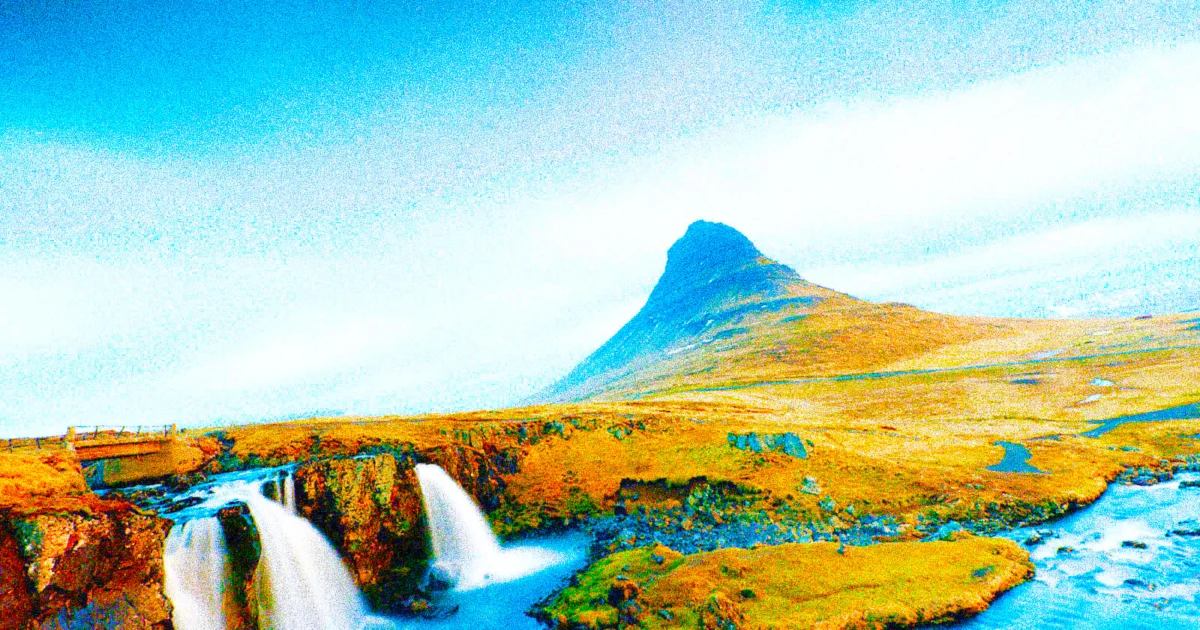
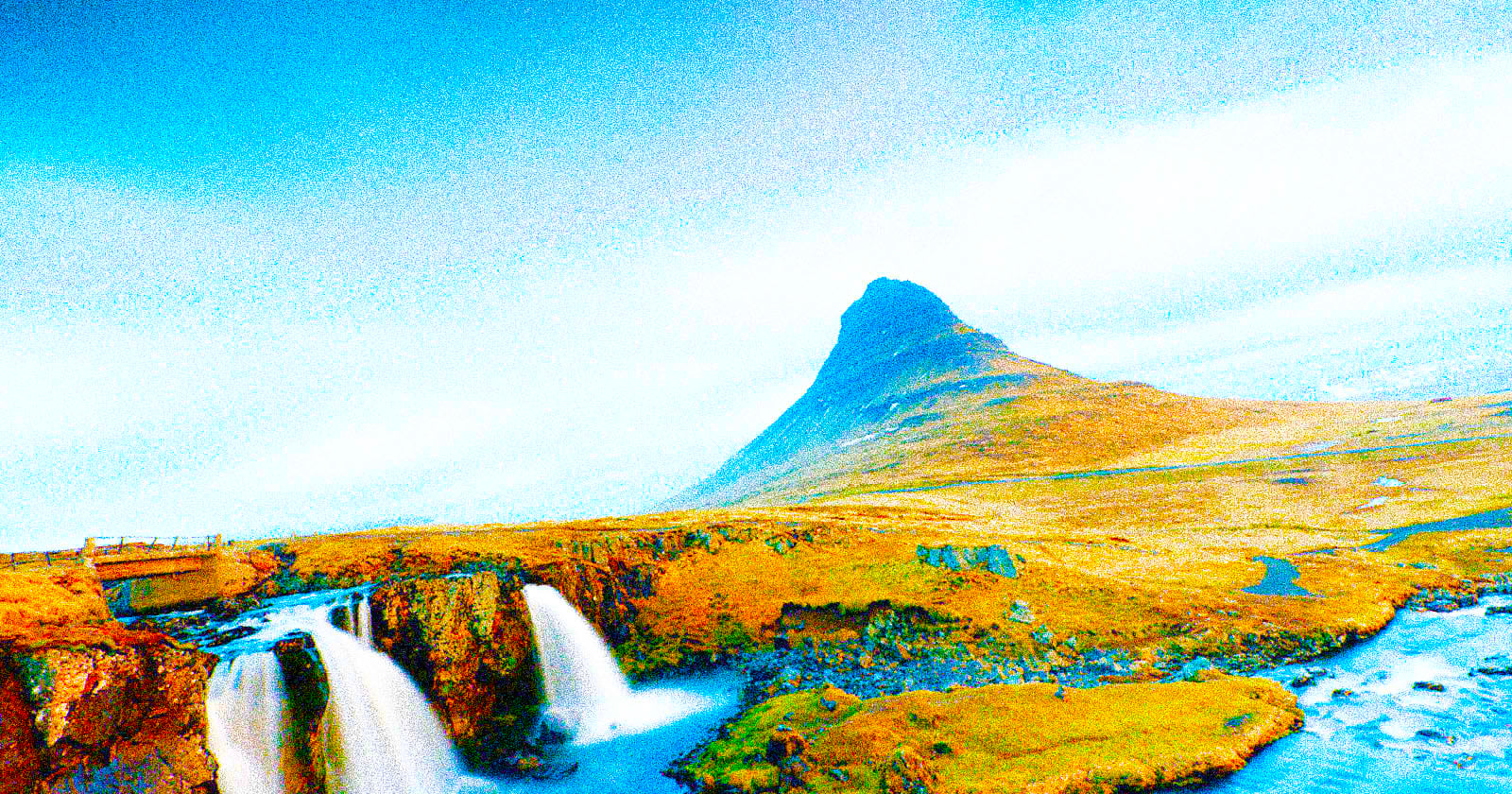
In a striking departure from conventional talent acquisition, Icelandair has initiated a global search for an individual described explicitly as a "really bad photographer," presenting a unique opportunity that blends a significant financial incentive with an immersive travel experience. This audacious marketing campaign, which has garnered international attention, offers the selected candidate a fully funded 10-day expedition across Iceland, coupled with a substantial payment of $50,000, all predicated on their proven lack of photographic prowess. The initiative challenges traditional notions of skill and professionalism, positing that Iceland’s inherent visual majesty is so profound it can elevate even the most technically flawed imagery into compelling visual narratives.
The Genesis of an Unconventional Campaign
The premise underpinning Icelandair’s "really bad photographer" campaign is elegantly simple yet profoundly strategic: to demonstrate the unparalleled, breathtaking beauty of Iceland in a manner that resonates with a broad, everyday audience. By seeking out a photographer whose work typically features missed focus, awkward framing, unintended subject truncation, or the ubiquitous accidental finger obscuring the lens, the airline aims to convey that the destination itself is the ultimate masterpiece, capable of transforming even photographic mediocrity into memorable art. This approach democratizes the travel photography experience, suggesting that professional skills are secondary to the sheer wonder of the Icelandic landscape.
Applicants are invited to engage with this unusual call to action by answering a concise set of questions. For those feeling particularly bold and confident in their photographic shortcomings, there is an optional opportunity to submit a 60-second video. This video serves as a platform for candidates to articulate precisely why their unique brand of photographic imperfection warrants global recognition and the extraordinary assignment from Icelandair. The campaign’s design clearly leans into self-deprecating humor and a celebration of authentic, unpolished experience.
Icelandair’s Distinctive Marketing Philosophy
This latest initiative is not an isolated incident but rather a consistent thread in Icelandair’s broader marketing tapestry. The airline has cultivated a well-established reputation for its distinctive, often tongue-in-cheek, and highly engaging promotional strategies. Over the years, Icelandair has frequently leveraged humor, direct audience participation, and a deep connection to its national identity to create memorable campaigns that stand out in a competitive global aviation market. This strategic alignment allows the airline to foster a unique brand personality that is both approachable and innovative.
Historically, Icelandair has launched various campaigns that transcend mere flight promotion, often intertwining travel with cultural immersion, adventure, or personal storytelling. Previous initiatives have included offering free stopovers in Iceland for transatlantic passengers, encouraging them to experience the country’s wonders, or creating content that highlights the unique character and resilience of Icelandic people. Such campaigns often generate significant organic reach and virality, proving that authenticity and creativity can be powerful marketing tools. The "really bad photographer" concept fits squarely within this lineage, extending the airline’s commitment to making Iceland accessible and appealing through novel, relatable narratives.
Industry Endorsement and Collaborative Spirit
The unconventional nature of Icelandair’s campaign has not only captivated the general public but has also drawn positive attention from within the photography industry itself. Notably, Think Tank Photo, a prominent accessory brand known for its high-quality camera bags and gear, publicly embraced the initiative. In a lighthearted social media post, Think Tank Photo jested that if a candidate were to secure the coveted "bad photographer" role, they would at least ensure the individual was equipped with a new bag to carry their "lack-lustre camera."
This playful interaction adds a significant layer to the campaign’s impact. It signals that even established brands within the professional photography ecosystem are willing to engage with and celebrate marketing strategies that subvert traditional notions of photographic excellence. Such endorsements underscore the campaign’s broad appeal and its ability to transcend niche professional circles, resonating with the wider community of amateur photographers. It suggests a broader industry appreciation for marketing that focuses on experience and narrative over technical perfection, acknowledging that the vast majority of photos taken globally are by non-professionals.
The Golden Opportunity: Remuneration and Responsibilities
The selected "really bad photographer" will embark on an all-expenses-paid, approximately 10-day journey across Iceland. This comprehensive package includes all necessary travel arrangements, comfortable accommodation throughout the trip, and seamless transportation within the country. While the trip promises an extraordinary adventure, it is also a working assignment. The candidate will be expected to meticulously document their experiences through a combination of photographs and video footage, albeit with the understanding that their "bad" photographic style is precisely what is being sought.
Beyond content creation, the individual will play an integral role in a broader, global marketing campaign. This involves active participation in various promotional activities, which may include interviews, behind-the-scenes content, and potentially public appearances. The financial remuneration is substantial, with the "bad photographer" receiving a fixed payment of $50,000 for their participation, the creation of content, and the licensing rights for their work. The produced images and videos are intended for use in Icelandair’s international campaigns and could potentially feature in a diverse array of additional publications, exhibitions, or digital platforms, elevating the "bad" photography to a global stage. This unprecedented offer transforms a common frustration—consistently disappointing friends with vacation photos—into a lucrative and globally visible opportunity.
The Anti-Portfolio: Eligibility and Criteria
The eligibility criteria for the "really bad photographer" position are deliberately crafted as an inversion of a standard professional photography job description. Far from seeking expertise, Icelandair explicitly states that applicants must not be professional photographers, nor should they have received any payment for their photographic work. Crucially, candidates should ideally not possess a strong interest in actively improving their photography skills. This set of negative qualifications emphasizes the campaign’s commitment to genuine amateurism.
Instead, Icelandair is looking for individuals who are genuinely comfortable operating a basic camera or a smartphone without overthinking technical aspects like composition, lighting, or focus. A key requirement is a certain level of self-awareness regarding one’s photographic abilities. Candidates should be familiar with the often-humorous feeling of reviewing their own vacation photos and wondering where things went awry, while perhaps occasionally stumbling upon a surprisingly usable shot. This acceptance of imperfection is central to the role.
Beyond these unconventional requirements, there are several standard logistical and physical prerequisites. Applicants must be at least 21 years old and possess a valid passport, along with the legal ability to travel internationally. Given Iceland’s rugged terrain and the nature of travel across the country, the role also demands a baseline level of physical capability, including the ability to participate in outdoor activities such as hiking across uneven landscapes. These conventional requirements ensure the selected candidate can safely and effectively undertake the travel and associated activities.
Application Process and Chronology
The application window for the "really bad photographer" position is currently open, providing ample time for aspiringly imperfect photographers to submit their candidacies. The deadline for applications is set for April 30, 2026. Following the selection process, the highly anticipated 10-day trip to Iceland is scheduled to take place in June of the same year. This timeline allows for thorough vetting of applicants and meticulous planning of the itinerary to maximize the photographic potential, even from a "bad" perspective.
The process for applying is streamlined and accessible. Interested individuals can access the official campaign page on the Icelandair website, where they will find a concise questionnaire. This initial step is designed to gauge basic eligibility and the applicant’s understanding of the campaign’s premise. The optional 60-second video submission offers a more personal avenue for candidates to express their unique brand of photographic mediocrity and their enthusiasm for the opportunity. This multi-faceted application approach allows Icelandair to identify individuals who not only meet the "bad photographer" criteria but also possess the personality and self-awareness to engage effectively with the campaign’s public-facing elements.
Legal Framework and Participant Obligations
Despite the playful and lighthearted framing of the "really bad photographer" campaign, the opportunity comes with a comprehensive and detailed set of terms and conditions, reflecting the seriousness of a global marketing initiative. The selected participant will be contractually obligated to engage in various filming, photography, and other marketing-related activities not only during the 10-day trip but also potentially in the periods leading up to and following the expedition. Icelandair will retain broad rights to capture, use, and license all content produced throughout the entire experience, including the photographs and videos taken by the "bad photographer" themselves, as well as any other media featuring the participant.
Applicants must also satisfy all standard legal and travel requirements applicable to international travel. This includes possessing a clean criminal record, ensuring all travel documentation (such as visas, if applicable) is valid and up-to-date, and demonstrating the ability to comply with all international travel regulations. The successful candidate will be required to sign a formal contractor agreement, outlining the terms of their engagement, responsibilities, and compensation. Furthermore, carrying appropriate travel insurance will likely be a mandatory requirement to ensure personal safety and cover unforeseen circumstances during the trip.
As with most large-scale promotional campaigns, Icelandair reserves the right to modify the terms of the campaign or revoke the selection of a participant under certain specified conditions. These conditions typically include concerns related to safety, non-compliance with contractual obligations, or conduct deemed inappropriate or detrimental to the brand image. These provisions are standard in such agreements, ensuring the integrity and successful execution of the campaign.
Broader Implications and Impact
The "really bad photographer" campaign represents more than just a clever marketing stunt; it carries several significant implications for the tourism industry, brand engagement, and the perception of photography itself.
-
Democratization of Photography: By actively seeking out and rewarding amateurism, Icelandair challenges the conventional hierarchy of photographic skill. It validates the everyday experience of travel photography, making it relatable to millions who capture memories with their phones or basic cameras without striving for professional perfection. This approach can inspire a wider audience to share their travel experiences without intimidation, fostering a sense of community around authentic, unpolished content.
-
Marketing Innovation and Authenticity: The campaign serves as a benchmark for innovative marketing. In an age where consumers are increasingly wary of overly polished, inauthentic advertising, Icelandair’s approach embraces vulnerability and humor. This fosters genuine engagement and builds brand loyalty through a relatable narrative. It highlights the power of self-awareness and celebrating imperfections as a unique selling proposition.
-
Enhanced Tourism Promotion: The core objective of promoting Iceland’s beauty is achieved through an unconventional lens. By demonstrating that even a "bad photographer" can capture compelling images, the campaign implicitly argues that the destination’s allure is so strong it transcends photographic skill. This broadens Iceland’s appeal to a demographic that might feel intimidated by the pristine, professional-grade imagery often used to promote travel destinations, suggesting that everyone can create memorable content there.
-
Viral Potential and Media Resonance: The inherent novelty and humor of the campaign ensure high viral potential. Its shareability across social media platforms, coupled with media coverage, generates extensive earned media value for Icelandair. The concept is easily digestible and memorable, making it a topic of conversation and further amplifying the campaign’s reach.
-
Redefining "Good" Content: In a landscape saturated with highly curated and often artificial digital content, Icelandair’s campaign subtly redefines what constitutes "good" content. It suggests that authenticity, relatability, and the story behind the image can be more impactful than technical perfection. This aligns with a growing consumer preference for genuine, unscripted experiences.
For countless individuals whose camera rolls are filled with consistently disappointing vacation photos, this campaign offers a rare and exciting reversal of fortune. What was once a source of mild embarrassment could now be the very qualification that unlocks a truly once-in-a-lifetime opportunity. The "really bad photographer" campaign is not merely about finding someone who takes poor pictures; it’s about celebrating the inherent, raw beauty of Iceland through an unfiltered, genuinely human lens, proving that sometimes, imperfection is the most perfect marketing strategy of all.