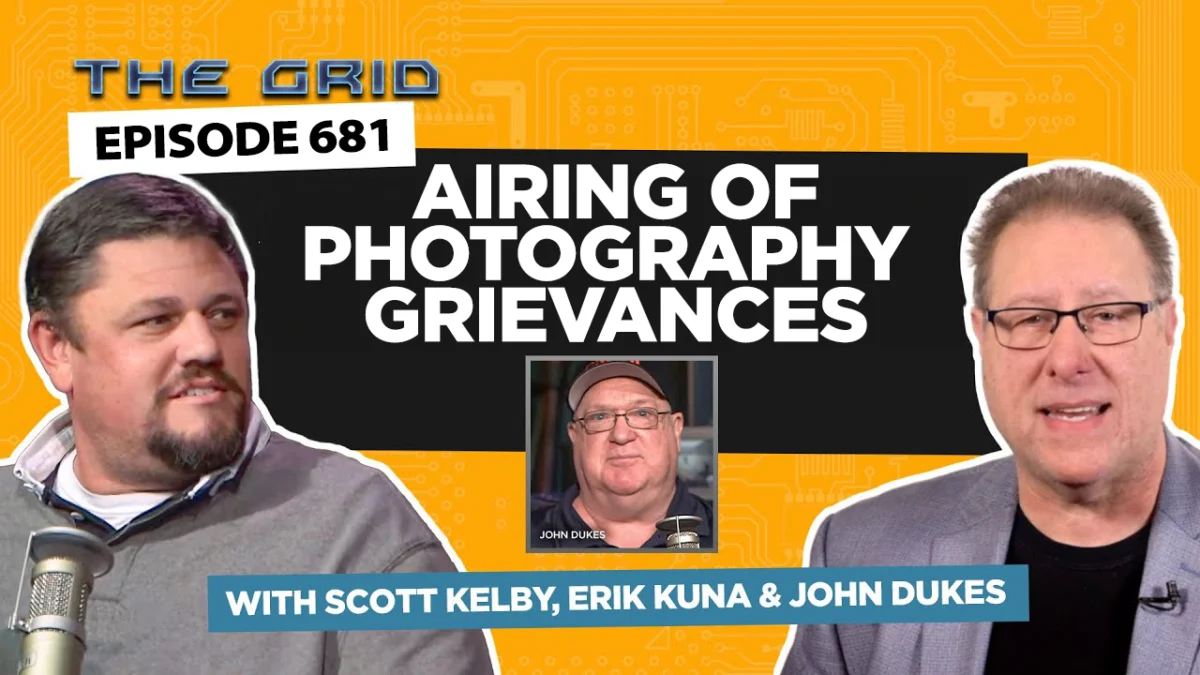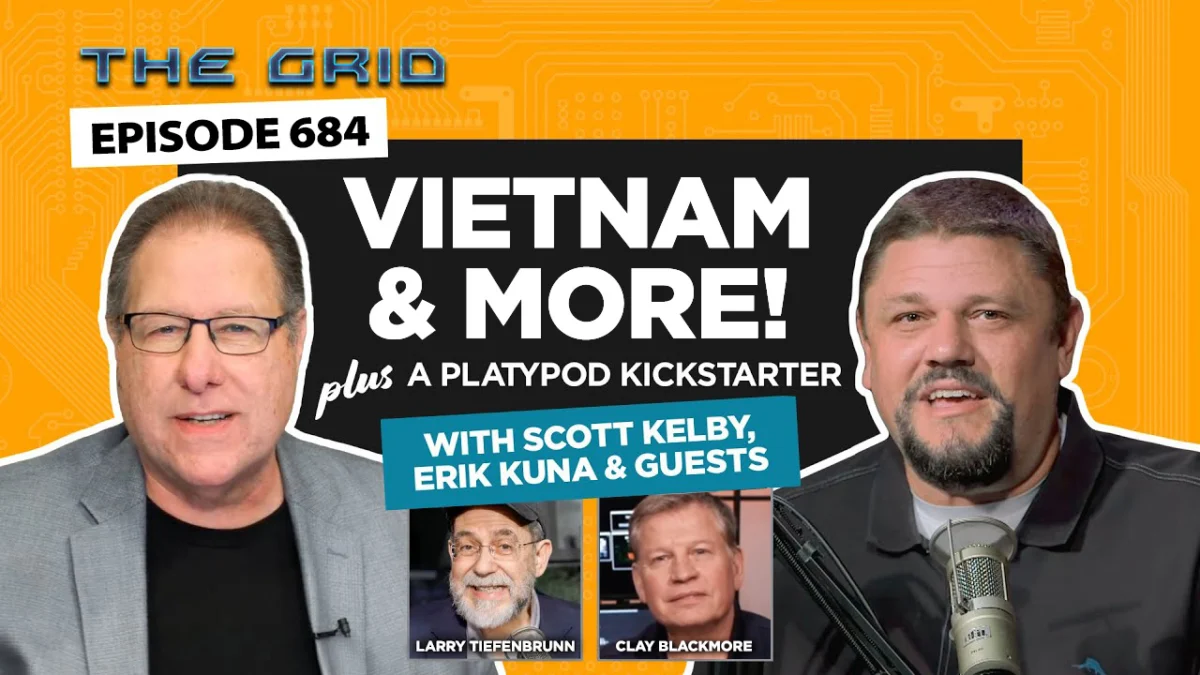
The latest installment of The Grid, episode 684, delivered an extensive and multifaceted exploration of contemporary photography, traversing topics from international travel and advanced gear to cutting-edge lighting techniques and profound artistic inspiration. Hosted by photography veterans Scott Kelby and Erik Kuna, the episode provided viewers with a rich tapestry of insights, practical demonstrations, and compelling narratives, further solidifying the program’s reputation as a cornerstone resource for photographers worldwide. This particular broadcast stood out for its diverse array of expert guests, including Dr. Larry T. and wedding photography icon Clay Blackmore, each contributing specialized knowledge that enriched the overarching discourse on photographic craft and industry trends.
The Grid: A Beacon in Photographic Education
Before delving into the specifics of episode 684, it is pertinent to contextualize The Grid within the broader landscape of photographic education. Launched by KelbyOne, a leading online training platform for creatives, The Grid has for many years served as a weekly live broadcast and replay series dedicated to professional photographers and enthusiasts alike. Known for its dynamic format, engaging hosts, and a consistent influx of industry-leading guests, the show typically covers a wide spectrum of photographic genres, technical skills, business acumen, and creative philosophy. Its longevity, evidenced by over 680 episodes, underscores its enduring relevance and its pivotal role in disseminating knowledge and fostering community within the global photography ecosystem. The program’s interactive nature, often incorporating live Q&A sessions, allows for direct engagement between experts and a global audience, making it a unique platform for learning and professional development.
From Vietnam’s Vibrant Streets to a Near-Miss with a Train: Travel Photography Insights
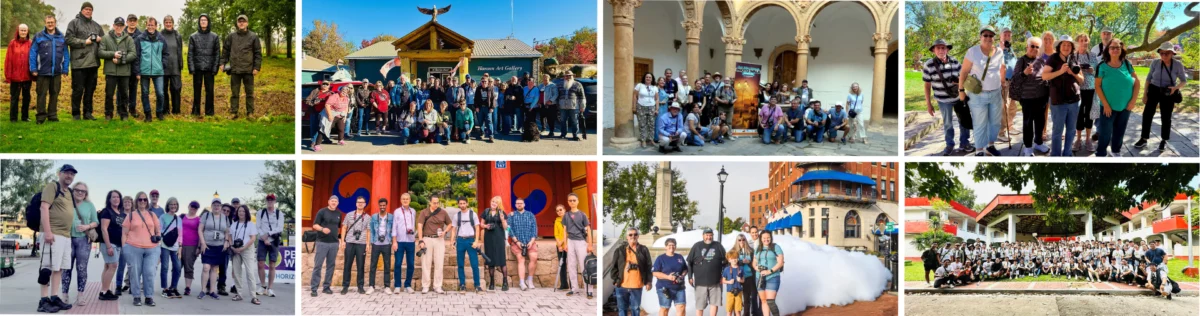
The episode commenced with an exhilarating account from Scott Kelby and Erik Kuna, detailing their recent photography workshop in Vietnam. Travel photography, a consistently popular genre, thrives on capturing the essence of a destination – its culture, people, landscapes, and unique moments. Vietnam, with its rich history, bustling urban centers like Hanoi and Ho Chi Minh City, serene rural landscapes, and vibrant street life, offers an unparalleled canvas for photographers. Kelby and Kuna, seasoned instructors renowned for their immersive workshops, likely guided participants through diverse scenarios, from capturing candid portraits in markets to sweeping vistas of terraced rice fields.
A focal point of their recount was a particularly "close encounter with a train," a narrative element that vividly illustrates the unpredictable yet thrilling nature of street and travel photography. Such incidents, while potentially hazardous, often become memorable anecdotes that underscore the importance of situational awareness, rapid decision-making, and the pursuit of unique perspectives. While specific details of the encounter were not fully elaborated, the implication is a moment of intense focus and perhaps a touch of adrenaline, characteristic of photographers pushing boundaries to secure a compelling shot. These workshop experiences are crucial for participants, not only for skill development but also for cultivating a keen eye for storytelling and adaptability in challenging environments. The global photography workshop market continues to see robust growth, driven by photographers seeking hands-on learning and unique travel experiences, with destinations like Vietnam consistently ranking high for their visual richness. The hosts’ recounting serves as both entertainment and a subtle lesson on the realities of working in dynamic, often unpredictable, locations.
Capturing the Dawn of Space Exploration: Erik Kuna’s Artemis Launchpad Shoot
Shifting gears from terrestrial adventures to celestial aspirations, Erik Kuna shared highlights from a sunrise photography session at NASA’s Artemis launchpad. Kuna, known for his expertise in astrophotography and his deep fascination with space exploration, brought a unique perspective to this segment. The Artemis program, a cornerstone of NASA’s ambitious plan to return humans to the Moon and eventually to Mars, represents a significant chapter in space history. Photographing its launch infrastructure, particularly at sunrise, presents a confluence of technical challenges and profound artistic opportunities.
The Kennedy Space Center in Cape Canaveral, Florida, where the Artemis rockets are prepared, is an iconic location steeped in the history of human spaceflight. Capturing this immense technological marvel against the dramatic backdrop of a sunrise requires meticulous planning, precise exposure control, and an understanding of the interplay between natural light and colossal structures. Erik Kuna’s experience likely involved navigating strict security protocols, understanding optimal vantage points, and employing specialized equipment to convey both the scale of the launchpad and the awe-inspiring promise of the Artemis mission. His insights would have focused on techniques for balancing dynamic range, emphasizing details on the rocket and gantry while preserving the ethereal qualities of dawn light. This segment effectively showcased the intersection of photography with scientific endeavor and historical documentation, providing viewers with a glimpse into the specialized world of aerospace photography and the unique visual narratives it can yield. The growing public interest in space exploration, fueled by programs like Artemis, creates a fertile ground for photographers capable of capturing these monumental events.
Innovation in Illumination: The Platypod Bracket & Bounce System on Kickstarter
A significant portion of the episode was dedicated to the unveiling of the new Platypod Bracket & Bounce system, launched live on Kickstarter. Dr. Larry T., a key innovator behind the Platypod brand, joined the hosts to elaborate on this groundbreaking modular flash and lighting system. Platypod, already recognized in the photography community for its innovative, compact, and low-profile tripods, has consistently aimed to provide photographers with versatile solutions that transcend traditional equipment limitations.
The Bracket & Bounce system represents a strategic expansion of this philosophy, addressing a common pain point for many photographers: the bulkiness and inflexibility of conventional off-camera flash setups. Dr. Larry T. meticulously explained how this new system is engineered for portability and adaptability, boasting a design that allows it to "actually fit in your bag." This focus on compact design without compromising functionality is critical in an era where photographers are increasingly mobile and demand lightweight, efficient gear. The system’s modularity implies a high degree of customization, allowing photographers to configure their lighting setups precisely for diverse shooting scenarios, from product photography to event coverage.
The choice to launch on Kickstarter is also noteworthy. Crowdfunding platforms like Kickstarter have become vital ecosystems for innovators in the photography industry, enabling direct engagement with potential users and securing pre-orders that fund production. This model allows for rapid iteration based on community feedback and democratizes access to innovative products. Dr. Larry T.’s presence provided an authoritative voice, breaking down the technical specifications and demonstrating the practical applications of the Bracket & Bounce system, underscoring its potential to revolutionize how photographers approach portable lighting. The implications for the industry are significant, potentially lowering the barrier to entry for advanced lighting techniques and empowering more photographers to achieve professional-grade results with greater ease and mobility. The global market for photography accessories, including lighting equipment, continues to expand, driven by technological advancements and the increasing demand for versatile, compact solutions.
Mastering the Art of Wedding Photography: Insights from Clay Blackmore
The episode culminated with an inspiring segment featuring Clay Blackmore, a legendary figure in wedding photography. Blackmore, celebrated for his elegant style, mastery of lighting, and profound ability to capture the emotional depth of a wedding day, joined The Grid to share seven powerful tips. His presence on the show provided an invaluable opportunity for both aspiring and seasoned wedding photographers to learn from one of the industry’s most respected voices.
Blackmore’s tips, centered on "lighting, posing, and shooting from the heart," represent the foundational pillars of exceptional wedding photography. While the specific seven tips were not explicitly detailed in the original summary, their thematic focus suggests a deep dive into critical aspects:
- Lighting: Blackmore likely emphasized understanding natural light, the strategic use of artificial light to sculpt subjects, and creating dramatic or romantic moods. His expertise often involves blending ambient light with flash to achieve a timeless, cinematic quality.
- Posing: Beyond rigid instructions, Blackmore’s approach to posing typically focuses on natural, authentic interactions. He would have shared techniques for guiding couples into comfortable, emotionally resonant poses that tell a story without appearing staged. This often involves creating a relaxed atmosphere and focusing on connection.
- Shooting from the Heart: This philosophical tenet is perhaps the most profound. It speaks to the importance of empathy, connection, and genuine passion in capturing the essence of a couple’s special day. Blackmore’s philosophy suggests that technical skill, while crucial, must be coupled with an emotional investment to create truly memorable and meaningful images. This involves anticipating moments, understanding unspoken cues, and translating the emotional landscape of the event into visual narratives.
Blackmore’s segment, enriched with "real-world images and stories," would have provided tangible examples of these principles in practice, illustrating how theoretical knowledge translates into stunning photographic outcomes. His insights serve not only as practical guidance but also as a motivational call to elevate the craft of wedding photography beyond mere documentation, transforming it into an art form that preserves precious memories with grace and authenticity. The wedding photography industry, a multi-billion dollar global market, constantly seeks innovation and excellence, making Blackmore’s contributions highly relevant and impactful for professionals aiming to distinguish their work. His appearance reinforced the episode’s commitment to providing holistic educational content, bridging the gap between technical execution and artistic vision.
Conclusion: A Holistic View of Modern Photography
Episode 684 of The Grid masterfully wove together a diverse array of topics, reflecting the multifaceted nature of contemporary photography. From the adventurous spirit of travel photography in Vietnam and the awe-inspiring scale of space exploration through Erik Kuna’s lens, to the practical innovation of the Platypod Bracket & Bounce system with Dr. Larry T., and the timeless wisdom of wedding photography legend Clay Blackmore, the episode offered something for every photographic interest. The comprehensive coverage, presented with professional journalistic rigor and enriched by expert insights, underscored The Grid‘s ongoing commitment to fostering growth and innovation within the photographic community. Viewers were not only informed about new gear and techniques but also inspired by narratives of creative pursuit and artistic mastery. The replay of this episode serves as a valuable resource, allowing photographers to revisit the tips, stories, and demonstrations that collectively paint a holistic picture of the dynamic and ever-evolving world of photography.