Meta Platforms’ ambitious international rollout of its innovative Ray-Ban Display Glasses has encountered substantial obstacles, extending beyond initial supply chain constraints. A recent report from Bloomberg has brought to light that the tech giant is facing considerable resistance from the European Union, primarily concerning impending repairability legislation and the comprehensive EU AI Act. These regulatory challenges threaten to severely limit the availability and functionality of Meta’s smart eyewear in a critical global market, casting a shadow over the company’s strategic pivot towards artificial intelligence and wearable technology.
The Initial Pause and Unveiling of Deeper Issues
In January, Meta announced an unexpected pause in the international launch of its Ray-Ban Display Glasses, initially citing unspecified supply chain difficulties. This decision left eager consumers outside the United States in limbo and sparked speculation regarding the true reasons behind the delay. While supply concerns are a common factor in global product deployments, the Bloomberg investigation, published in late March, revealed a more complex and potentially intractable set of issues stemming from the European Union’s increasingly robust regulatory environment. The core of these new challenges revolves around two pivotal pieces of EU legislation: upcoming repairability mandates concerning device batteries and the groundbreaking EU AI Act.
The "Right to Repair" and the Removable Battery Mandate
At the forefront of Meta’s European Union dilemma is the bloc’s "Right to Repair" initiative, which is set to introduce stringent requirements for electronic devices. From 2027, a significant number of electronic goods sold within the EU will be legally mandated to feature easily replaceable and removable batteries. This directive is a cornerstone of the EU’s broader sustainability agenda, aiming to combat electronic waste, extend the lifespan of products, and empower consumers to repair their devices rather than replace them. The rationale is clear: making batteries replaceable discourages planned obsolescence, reduces the environmental impact of manufacturing and disposal, and supports a circular economy.
For Meta’s Ray-Ban Display Glasses, which are developed in collaboration with its EU-based optical partner EssilorLuxottica SA, this mandate presents a formidable design and engineering challenge. The current design of the smart glasses integrates the battery in a way that prioritizes sleek aesthetics and a lightweight form factor, crucial for consumer adoption in an eyewear product. Introducing a removable battery mechanism would necessitate design alterations, likely including the addition of a battery compartment or door, which Meta argues would inevitably increase the device’s size and potentially compromise its minimalist appeal.
Meta has reportedly been seeking an exemption from this specific battery rule, contending that its smart glasses, along with other compact wearable devices, should not be subjected to the same requirements as larger electronics. The company’s argument underscores the delicate balance between regulatory compliance and product innovation, particularly in categories where discreet design is paramount. However, the EU’s stance on environmental protection and consumer rights has historically been unyielding, often prioritizing these principles over industry-specific design preferences. Critics of Meta’s position, including publications like Gizmodo, have pointed out that other smart glasses on the market, such as the Inmo Go 3, already incorporate removable batteries, demonstrating that such a design is achievable without completely sacrificing functionality or aesthetics. This counter-argument weakens Meta’s plea for a blanket exemption, suggesting that the issue may lie more with Meta’s specific design choices and manufacturing processes rather than an inherent impossibility for smart eyewear.
The diplomatic implications of this regulatory clash have also begun to surface. Andrew Puzer, the U.S. ambassador to the European Union, publicly voiced concerns regarding the battery rule’s impact on market access. "Where is the one place in the world that you can’t sell these glasses? The European Union. Why? Because the battery isn’t removable," Puzer stated, as reported by Bloomberg. This statement highlights the growing tension between U.S. tech innovation and the EU’s assertive regulatory framework, a recurring theme in transatlantic technology policy. It suggests that the battery rule is not merely a technical hurdle but a potential trade barrier, complicating market entry for American companies seeking to introduce cutting-edge products into the lucrative European market.
The EU AI Act: A New Frontier of Regulation
Beyond the battery controversy, Meta’s smart glasses are also navigating the complex landscape of the EU AI Act, landmark legislation that received final approval earlier in the year. This comprehensive framework is designed to regulate artificial intelligence systems based on their potential risk level, ranging from minimal to unacceptable. The Act categorizes AI applications, with higher-risk systems facing more stringent requirements for transparency, human oversight, data quality, and cybersecurity. Given that Meta’s Ray-Ban Display Glasses heavily rely on advanced computer vision powered by AI deep learning, their features are highly likely to fall under the scrutiny of this new regulation.

The exact classification of specific AI features within the smart glasses remains a critical point of uncertainty. Features such as real-time object recognition, contextual information display, and potentially even advanced teleprompter functionalities could be subject to different risk assessments. For instance, if the glasses incorporate any form of biometric identification or real-time public surveillance capabilities, even in a limited context, they could be deemed "high-risk" under the AI Act, triggering extensive compliance obligations. This could include rigorous conformity assessments, human oversight requirements, and strict data governance protocols, significantly increasing development costs and time to market.
The concern for Meta is that certain AI capabilities, freely available to users in the United States and other markets, might either be entirely prohibited or severely restricted for European consumers. This potential fragmentation of product features across different geographical markets poses a significant challenge for global product strategy and user experience consistency. It necessitates a careful re-evaluation of the glasses’ AI functionalities to ensure they align with the EU’s stringent ethical and safety standards for AI, potentially leading to a diluted product offering for European users. This regulatory divergence could also impact the competitive landscape, as companies grapple with tailoring AI products to meet varied global standards, potentially slowing down innovation or increasing operational complexities.
Meta’s Strategic Pivot and the Importance of Wearables
These European regulatory challenges come at a pivotal moment for Meta. The company has recently undergone a significant strategic realignment, shifting away from its ambitious but costly metaverse vision, spearheaded by its Reality Labs division, and squarely towards artificial intelligence. In March, Meta confirmed further layoffs within Reality Labs, affecting "several hundred" employees, following broader workforce reductions earlier in the year that impacted thousands, primarily from the VR division. These layoffs underscore a deliberate pivot, reflecting Meta’s commitment to prioritizing AI development and more immediately accessible hardware products like the smart glasses.
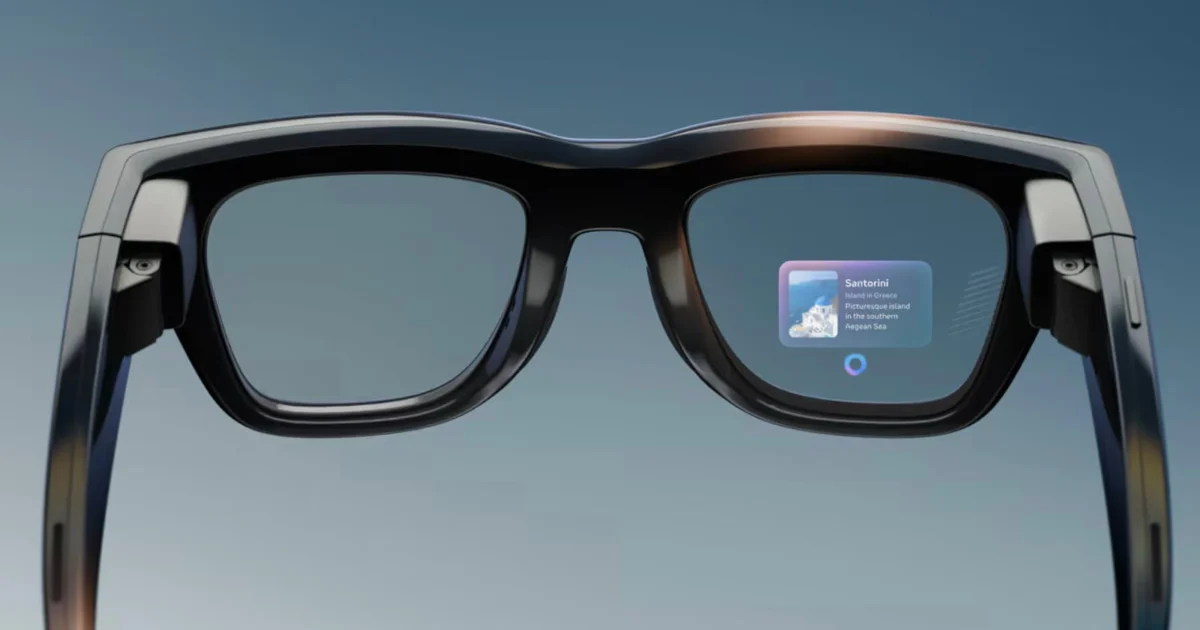
The Ray-Ban Display Glasses are central to this renewed AI focus. Unlike the often cumbersome and niche virtual reality headsets that struggled to achieve mainstream adoption, smart glasses offer a more subtle, integrated approach to augmented reality and AI-powered assistance. They represent Meta’s most successful foray into wearable technology to date, reportedly garnering more positive market reception and sales than its VR goggles. The ability of the lenses to act as a viewfinder for the integrated camera, display digital information, and function as a teleprompter positions them as a versatile tool for both personal use and content creation. For Meta, these glasses are not just a product; they are a critical stepping stone in its long-term vision of ubiquitous, AI-powered computing, seamlessly integrated into daily life. Losing or severely handicapping access to the European market for this key product would represent a significant setback for this strategic pivot.
The collaboration with EssilorLuxottica, a global leader in eyewear based in Europe, is also a crucial element of Meta’s strategy. This partnership leverages Luxottica’s expertise in design, manufacturing, and distribution of eyewear, granting Meta access to established brand recognition (Ray-Ban) and optical technology. The fact that the glasses are manufactured in collaboration with an EU-based partner further complicates Meta’s position, as it highlights the direct impact of EU regulations on its European supply chain and business relationships. The success of this partnership hinges on the ability to navigate European regulatory waters effectively.
Broader Implications for the Tech Industry and Global Regulation
The ongoing saga of Meta’s Ray-Ban Display Glasses in the European Union is indicative of a broader trend: the increasing assertiveness of European regulators in shaping the global technology landscape. The EU has consistently positioned itself as a trailblazer in digital regulation, enacting pioneering laws such as the General Data Protection Regulation (GDPR), the Digital Markets Act (DMA), and the Digital Services Act (DSA). The "Right to Repair" initiatives and the AI Act are the latest manifestations of this regulatory philosophy, prioritizing consumer protection, sustainability, and ethical AI development.
For the global tech industry, this creates a complex environment of regulatory fragmentation. Companies developing innovative hardware and software must increasingly design products not for a single global standard, but for a patchwork of often divergent national and regional regulations. This can lead to increased development costs, delayed market entry, and potentially, a two-tiered product offering where certain features are available in some regions but not others. The case of Meta’s smart glasses serves as a stark warning to other tech companies eyeing the European market, signaling that regulatory compliance must be an integral part of product development from inception, rather than an afterthought.
The tension between fostering innovation and ensuring consumer safety and environmental responsibility is at the heart of this debate. While tech companies often argue that stringent regulations stifle innovation and slow down progress, regulators counter that unchecked technological advancement can lead to societal harm, privacy infringements, and unsustainable consumption patterns. The outcome of Meta’s negotiations and compliance efforts in the EU will undoubtedly set precedents for how future smart wearables and AI-powered devices are designed, marketed, and sold globally. It will also test the resolve of the European Union in upholding its regulatory principles against the commercial interests of powerful multinational corporations, potentially shaping the future of digital product governance worldwide. The implications extend far beyond Meta’s balance sheet, touching upon fundamental questions of consumer rights, environmental stewardship, and the ethical deployment of artificial intelligence in an increasingly connected world.