The 2026 Italian Skating Championship served as a pivotal backdrop for a real-world assessment of generative artificial intelligence in professional photography workflows. During the event, veteran photographer Andrea Monti engaged in a technical experiment to determine if emerging AI platforms could effectively "salvage" images marred by critical technical errors, specifically those involving missed focus. By utilizing a high-resolution full-frame camera paired with vintage manual optics, the experiment highlighted the growing tension between traditional photographic skill and the rapid intervention of machine learning algorithms. As the demand for immediate editorial turnaround increases, the results of this test provide a window into the current capabilities and limitations of AI-driven image restoration in a professional context.
The Evolution of Technical Challenges in Sports Photography
The Italian Skating Championship is widely regarded as one of the most demanding environments for sports photographers. The combination of high-speed movement, unpredictable trajectories, and the reflective surface of the ice creates a difficult scenario for even the most advanced autofocus systems. Monti’s approach, however, involved a deliberate departure from modern automation. While performing his primary assignment with contemporary gear, he simultaneously utilized a secondary kit: a Pentax K-1 Mark II equipped with a vintage Carl Zeiss Ultron 50mm f/1.8 lens.
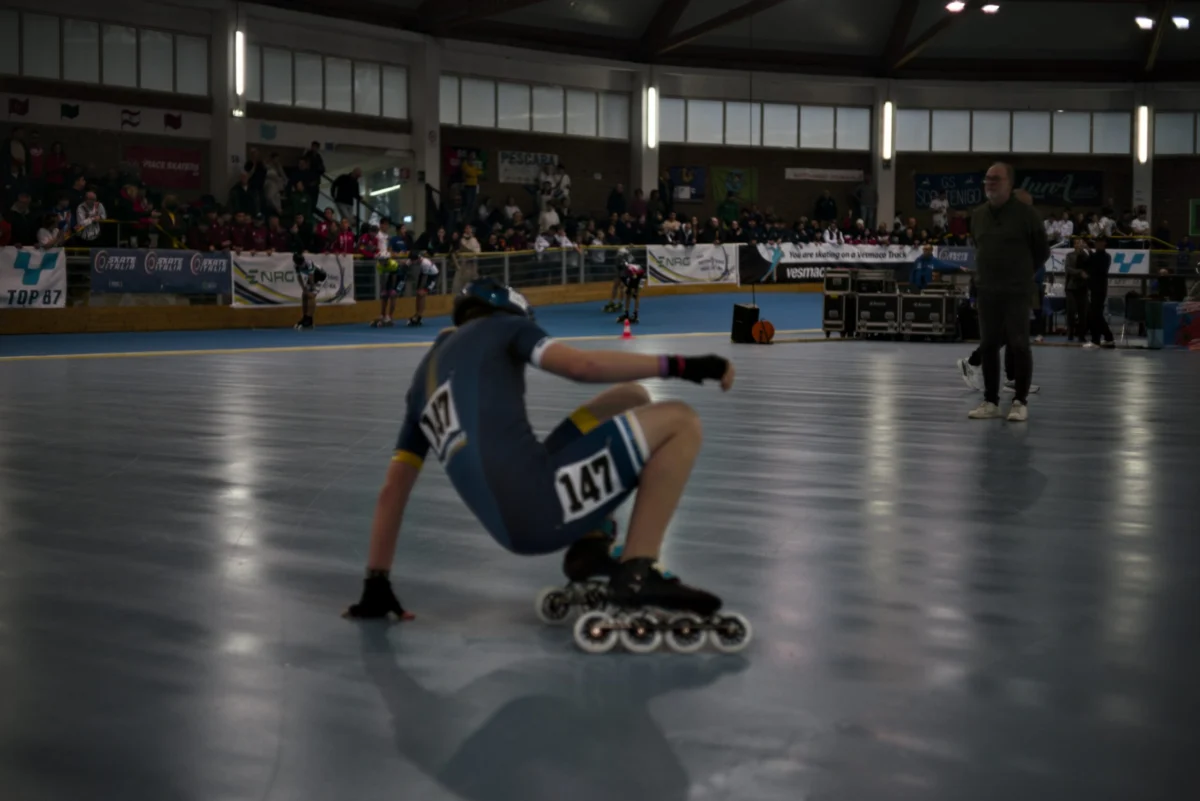
The Pentax K-1 II, known for its robust 36.4-megapixel full-frame sensor and exceptional dynamic range, represents a bridge between traditional DSLR handling and modern digital fidelity. When paired with the Carl Zeiss Ultron 50/1.8—a lens prized by enthusiasts for its unique "rendering" and micro-contrast—the photographer sought to capture images with a distinct aesthetic character that modern, clinically sharp lenses often lack. However, the use of such "vintage glass" necessitates manual focus, a high-risk strategy in a fast-paced championship environment. During a critical moment involving a skater attempting to recover from a fall, the manual focus was misplaced, resulting in a blurred subject and an unusable primary frame.
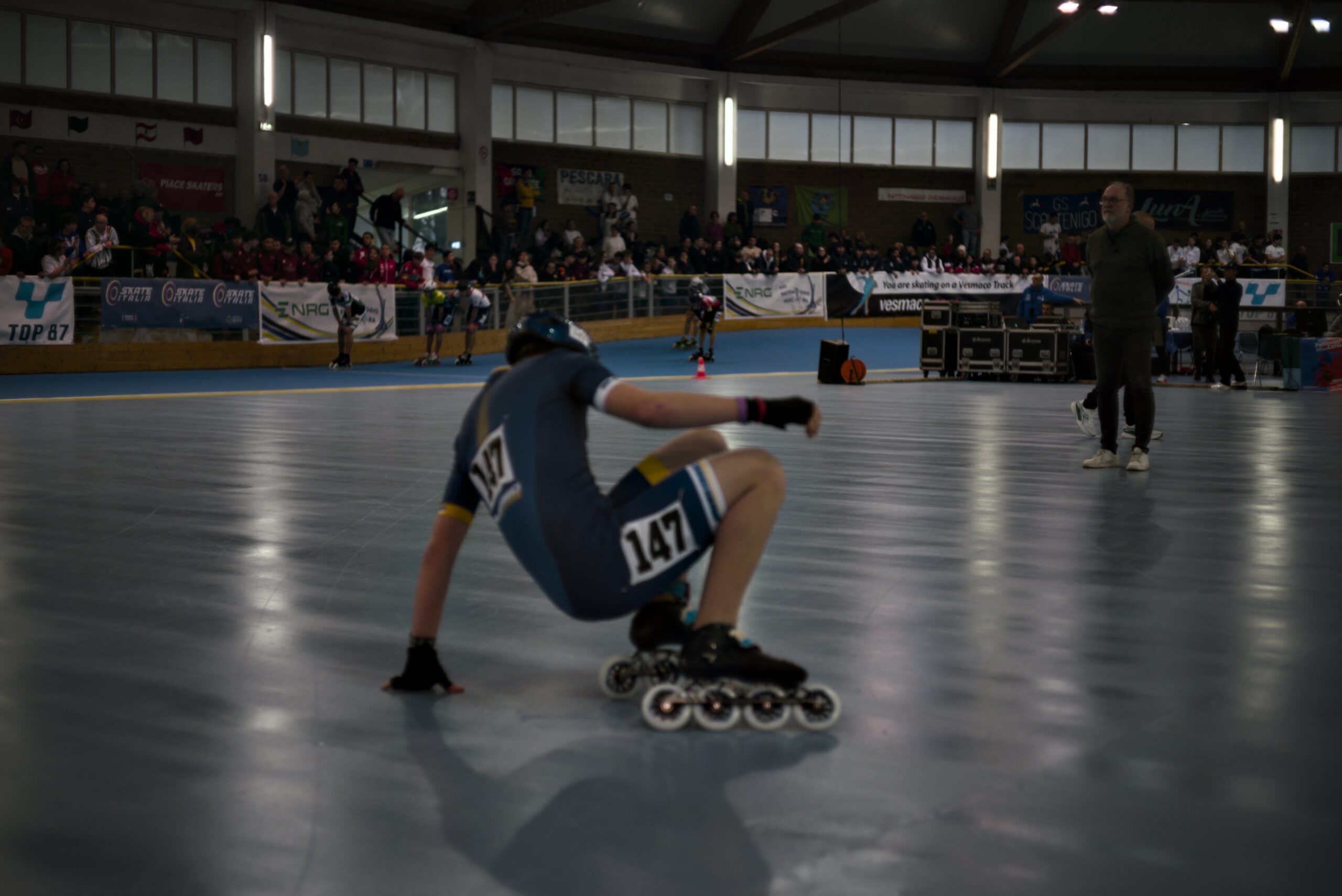
Chronology of the AI Experiment
Following the conclusion of the championship events in March 2026, the focus of the investigation shifted from the ice rink to the digital darkroom. The objective was to test the "quick fix" potential of two prominent AI models: ChatGPT (utilizing its integrated DALL-E and image processing capabilities) and a secondary model referred to as Nano Banana (widely identified in technical circles as a specialized iteration of Google’s Gemini engine).
The experiment followed a structured three-stage chronology:
- The Baseline Prompt (March 1-5, 2026): The initial test utilized a simple, direct instruction. The AI was asked to act as a "professional photoretouch expert and Photoshop power user" to bring the skater into perfect focus. This stage was designed to test the AI’s "out-of-the-box" understanding of depth of field and subject isolation.
- The Technical Refinement (March 10-15, 2026): A more sophisticated prompt was introduced, providing the AI with the specific hardware metadata, including the camera model (Pentax K-1 II), lens specs (Zeiss Ultron 50/1.8), and exposure settings (ISO 100). The AI was instructed to respect the hyperfocal distance and the specific depth-of-field characteristics inherent to that lens.
- The Comparative Analysis (March 20-27, 2026): The resulting images were analyzed for anatomical accuracy, background-to-foreground separation, and overall editorial viability.
Comparative Performance: Transformation vs. Restoration
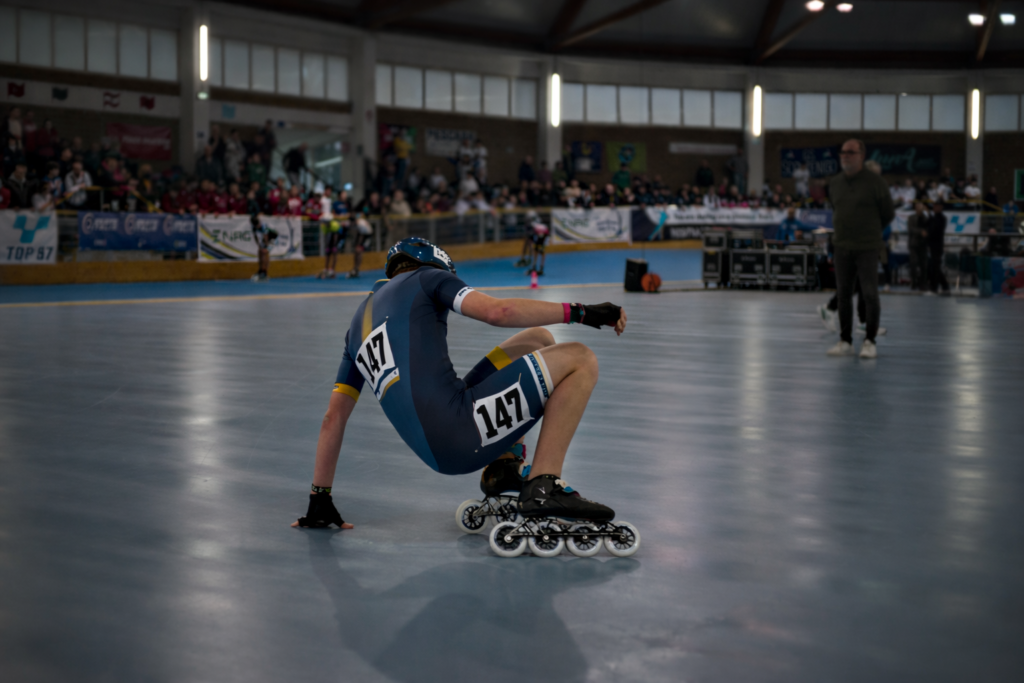
The results revealed a stark contrast in how different AI architectures approach image correction. ChatGPT’s response was characterized by aggressive intervention. The model did not merely sharpen the existing pixels; it effectively reconstructed the image. It applied a heavy Gaussian-style blur to the background to simulate a shallower depth of field and significantly increased the saturation of the athlete’s attire. A notable success was observed in the sharpening of the skater’s face and torso, making the image appear usable for low-resolution digital platforms or social media feeds where immediate impact outweighs technical purity.
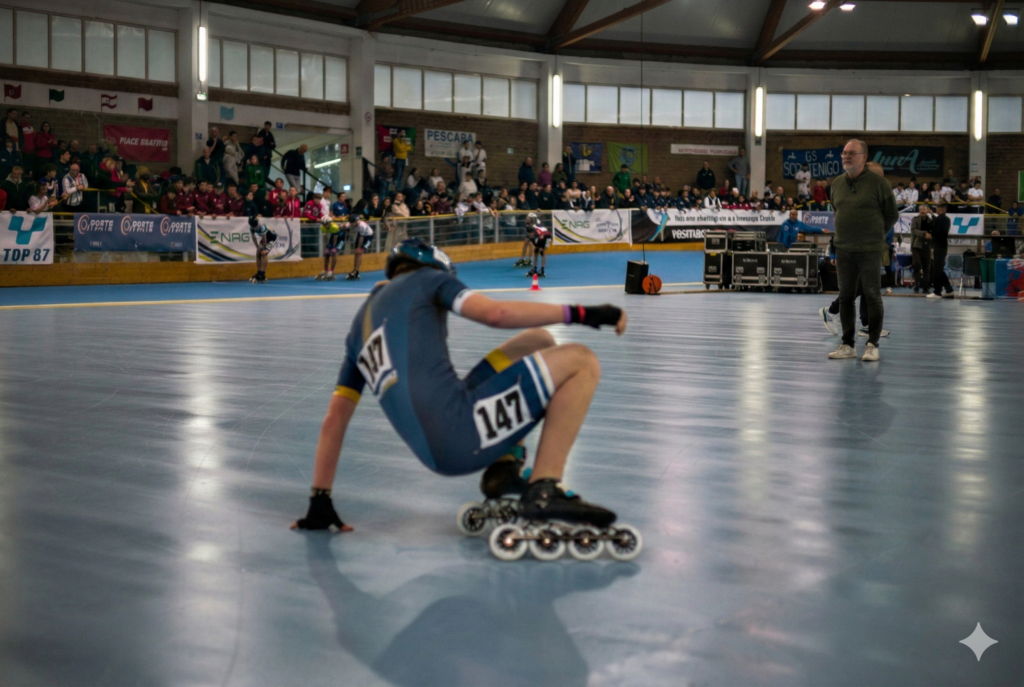
Conversely, Nano Banana (Gemini) adopted a conservative methodology. The model appeared to prioritize the integrity of the original file, making only marginal adjustments to contrast and edge definition. It failed, however, to correct the fundamental issue of the missed focus. In an editorial environment where speed is secondary only to quality, the conservative approach rendered the photo still unusable, while the aggressive approach provided a "passable" alternative, albeit one that introduced significant artifacts.
Supporting Data and Technical Failures
Despite the visual "pop" of the ChatGPT-edited images, a closer inspection revealed the persistent "uncanny valley" of AI generation. While the AI successfully identified the subject, it struggled with complex anatomical details—a common failure point in generative models.
- Anatomical Accuracy: In the ChatGPT render, the skater’s right hand exhibited distorted finger geometry. This "hallucination" occurs because the AI is not truly "focusing" the original light data; rather, it is predicting what a hand should look like in that position and generating new pixels to fill the void.
- Color Fidelity: The AI intensified the purple hues of a wristband and other costume elements. While aesthetically pleasing, this represents a departure from the "factual" reporting required in photojournalism.
- Depth Estimation: In the second phase of the experiment, despite being given the specific hyperfocal parameters of the Zeiss lens, neither AI demonstrated a true understanding of optical physics. The blur applied remained a digital filter rather than a mathematically accurate representation of the 50mm f/1.8’s bokeh.
Data from the 2025-2026 Editorial Tech Survey suggests that while 62% of photo editors are open to using AI for noise reduction and minor sharpening, only 14% approve of generative reconstruction for news-related content. The "hallucinated" fingers in Monti’s experiment highlight why these ethical and technical barriers remain high.
Impact on Editorial Workflows and Industry Standards
The primary takeaway from the Italian Skating Championship experiment is the "time-to-market" factor. In the modern news cycle, a photographer may have only minutes to transmit images to an editorial desk. If a primary shot is missed, the ability of an AI to "fix" it in under sixty seconds—as ChatGPT did—presents a tempting proposition for agencies.
However, industry experts and regulatory bodies, such as the Content Authenticity Initiative (CAI), have raised concerns regarding the "transformation vs. restoration" debate. If an AI adds a bracelet, changes a finger’s position, or alters the background, the image arguably ceases to be a photograph and becomes a digital illustration. For a publication like 35mmc, which focuses on the craft of photography and the nuances of film and vintage lenses, this distinction is critical.
Inferred reactions from the broader photographic community suggest a divided front. Purists argue that a missed focus is a human error that should result in the rejection of the frame. Conversely, "pragmatists" in the commercial and social media sectors argue that if the AI can make a "bad" photo "good enough" for a smartphone screen, the technology has served its purpose.
Broader Implications and Future Outlook
The experiment conducted by Andrea Monti underscores a transition period in the history of the medium. As of 2026, AI is capable of turning a technical failure into a visual success for casual consumption, but it remains unable to replicate the precise optical physics of legendary lenses like the Carl Zeiss Ultron.
The implications for the future are twofold. First, we are likely to see AI integrated directly into camera hardware, where "focus correction" happens at the RAW level using sensor-based depth maps rather than post-facto generative guessing. This would solve the anatomical distortion issues seen in the ChatGPT results. Second, the role of the photographer may shift further toward that of an "image director," where the initial capture is merely a blueprint for an AI-enhanced final product.
Ultimately, the 2026 Italian Skating Championship test proves that while AI can "save" a photo for a quick editorial post, it cannot yet replace the intentionality and technical precision of a focused lens. The "egregious miss" of a human photographer still carries more truth than the "perfectly focused" hallucination of a machine. As the industry moves forward, the challenge will be to harness the speed of these tools without sacrificing the factual integrity that defines the profession of photojournalism.