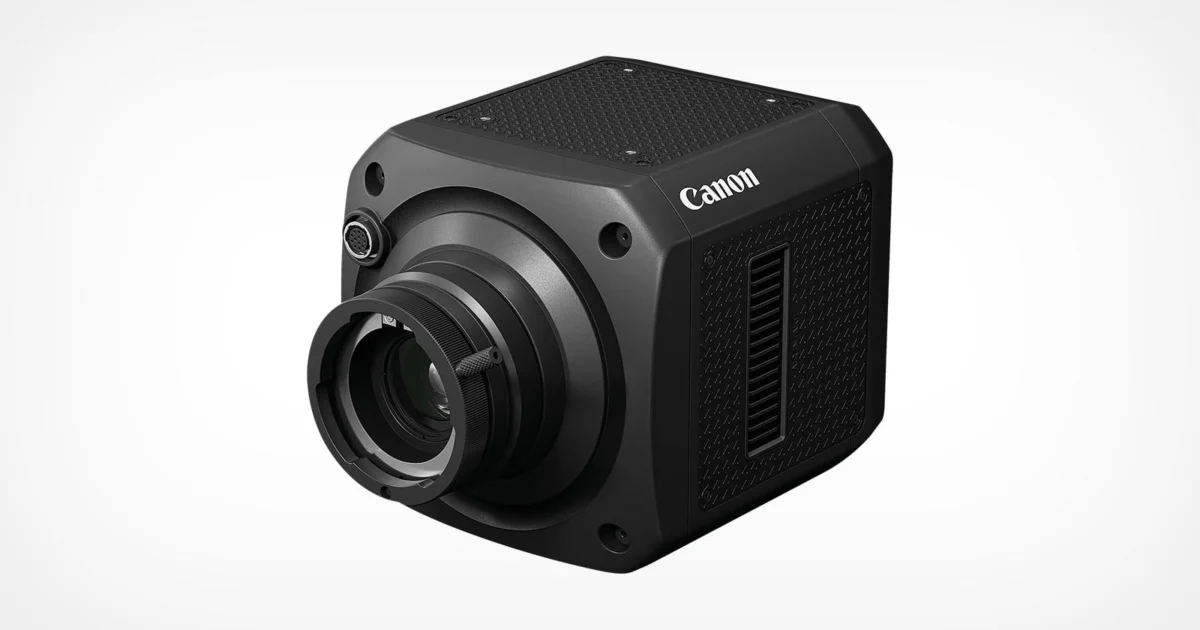
Las Vegas, NV – At the bustling National Association of Broadcasters (NAB) Show 2026, Canon made a significant announcement that pushed the boundaries of low-light imaging technology. Alongside the highly anticipated Cine-Servo 40-1200mm T5.0-10.8 video lens, the company introduced the MS-510 Multi-Purpose Camera, a highly specialized device engineered for extreme low-light environments. While not targeting the mainstream consumer market, the MS-510 represents a monumental leap in imaging capability, leveraging a newly designed Single Photon Avalanche Diode (SPAD) image sensor to capture clear visuals in conditions previously deemed impossible. This launch underscores Canon’s unwavering commitment to innovation, particularly in niche professional and scientific applications where conventional camera systems fall short.
The Dawn of Ultra-Low-Light Imaging: Canon’s MS-510
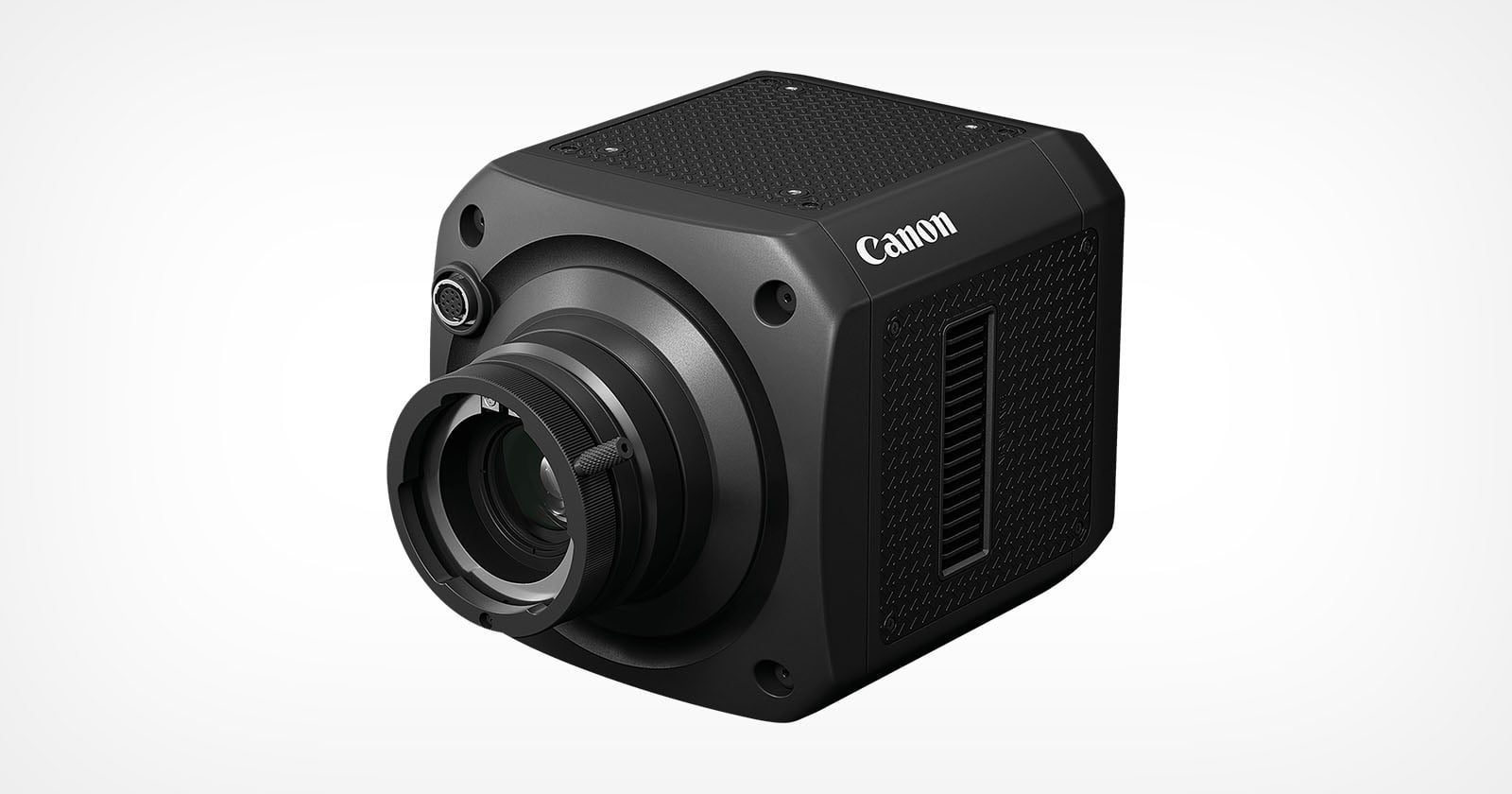
The MS-510 is not merely an incremental upgrade; it embodies a fundamental shift in how digital cameras perceive and process light. At its core lies a 3.2-megapixel Type 1 SPAD image sensor, a technology that operates on principles distinctly different from the ubiquitous Complementary Metal-Oxide-Semiconductor (CMOS) sensors found in nearly every other digital camera today. The introduction of such advanced technology at a prominent industry event like NAB highlights the growing demand for specialized imaging solutions capable of performing in the most challenging conditions. The camera’s cube-like, robust design, featuring textured sides and professional-grade ports for LAN, SDI, remote, and power input, speaks to its intended use in demanding environments where reliability and performance are paramount.
Unpacking the SPAD Sensor: A Paradigm Shift in Photon Detection
To fully appreciate the significance of the MS-510, one must understand the radical departure of SPAD technology from traditional CMOS image sensing. A typical CMOS image sensor functions by accumulating light over a specified exposure time. Photodiodes within each pixel convert incident photons into an electrical charge, which builds up over the exposure duration. At the end of the exposure, the accumulated charge is measured and converted into a digital signal, representing the brightness of that pixel. While highly effective for most lighting conditions, this method has inherent limitations.
- CMOS vs. SPAD: A Fundamental Difference: The primary challenge with CMOS sensors in extreme low light arises from noise. As the ambient light diminishes, the sensor’s signal-to-noise ratio deteriorates. To compensate, camera systems often increase the ISO sensitivity, which essentially amplifies the electrical signal. However, this amplification boosts not only the desired light information but also any inherent electronic noise present in the system, leading to grainy, degraded images. Furthermore, prolonged exposure times to gather sufficient light can result in motion blur, rendering the footage impractical for dynamic surveillance or observation.
- The Avalanche Effect: Capturing Single Photons: In stark contrast, the SPAD sensor in the Canon MS-510 operates on a photon-counting principle. Instead of measuring the amount of light accumulated, each pixel in a SPAD sensor detects and counts individual particles of light, or photons. When a single photon strikes a pixel, it immediately triggers an electron-hole pair. This initial electrical charge then undergoes an "avalanche" multiplication process, where it rapidly creates a cascade of secondary electrons. This avalanche effect amplifies the signal generated by even a single photon into a detectable electrical pulse, which is then digitally counted. This digital counting mechanism fundamentally bypasses the analog noise amplification issues inherent in CMOS sensors, allowing for exceptionally clean signal extraction even from the faintest light sources. As Canon elaborated in 2023, "SPAD sensors digitally count individual photon particles, preventing from any analog noise to enter. This makes it possible to obtain a clear image even in dark places when there is little light, and vividly capture subjects in the darkness."
- Quantifying the Unseen: 0.0006 Lux and Beyond: The practical implications of this technology are astounding. The Canon MS-510 boasts a minimum subject illumination of an astonishing 0.0006 lux. To put this into perspective, a typical starlit night is approximately 0.02 lux, while a heavily overcast night sky, often considered the threshold of natural darkness, registers around 0.007 lux. The MS-510’s capability to "see" in conditions more than ten times darker than an overcast night sky fundamentally redefines what is possible in optical imaging. This extreme sensitivity, combined with improved near-infrared capabilities compared to its predecessor, the MS-500, significantly enhances night-mode performance and enables effective long-range detection in virtually absolute darkness. This level of sensitivity is not just a numerical improvement; it opens up entirely new operational possibilities for a range of critical applications.
A Legacy of Innovation: Canon’s Journey in Specialized Imaging
Canon’s development of the MS-510 and its underlying SPAD technology is not an overnight achievement but the culmination of years of dedicated research and development in specialized imaging. The company has a long history of pushing technological boundaries in both consumer and professional markets, from groundbreaking lens designs to advanced sensor technologies.
- The Predecessor: Canon MS-500 and Early SPAD Milestones: The MS-510 builds directly upon the foundation laid by the Canon MS-500, which was introduced in 2023. The MS-500, itself a marvel of engineering, could detect subjects in light as dim as 0.001 lux. It demonstrated the initial commercial viability of SPAD sensor technology for ultra-low-light scenarios and showcased Canon’s ability to integrate these sensitive sensors into robust, functional camera systems. The MS-500 garnered significant attention for its ability to "see subjects from miles away, even at night," illustrating the power of combining SPAD sensors with high-performance telephoto optics. This earlier model served as a critical proof-of-concept, paving the way for the enhanced capabilities seen in the MS-510. Canon’s public explanation of SPAD technology in 2023 further indicated their long-term strategic investment in this field, educating the market on its unique advantages.
- The Strategic Significance of NAB 2026: The decision to unveil the MS-510 at NAB 2026, one of the world’s premier events for media, entertainment, and technology professionals, underscores the camera’s positioning within the professional imaging ecosystem. While not a broadcast camera in the traditional sense, its applications intersect heavily with professional video, surveillance, and specialized observation sectors that frequent NAB. Launching alongside a high-end Cine-Servo lens further highlights Canon’s commitment to delivering comprehensive solutions for professional cinematographers and specialized imaging experts, demonstrating their broad technological prowess across different segments of the market. The NAB platform provides unparalleled exposure to key industry players, potential clients, and technology enthusiasts who can appreciate the advanced capabilities of the MS-510.
Applications and Market Impact: Where the Unseen Becomes Visible
The Canon MS-510’s unprecedented low-light sensitivity and advanced near-infrared capabilities position it as a game-changer for a diverse array of professional applications where conventional cameras are simply inadequate. Its ability to capture clear, detailed images in near-absolute darkness opens up new frontiers for surveillance, research, and industrial monitoring.
- Fortifying Security and Surveillance: Perhaps the most immediate and impactful application for the MS-510 is in high-stakes security and surveillance operations. Imagine border patrol agents monitoring vast, unlit stretches of terrain, or critical infrastructure facilities (like power plants, oil refineries, or data centers) maintaining constant vigilance even in the deepest night, without the need for intrusive and easily detectable artificial lighting. Law enforcement agencies could utilize it for covert operations, providing clear visual intelligence in urban or rural environments where light pollution is minimal or nonexistent. Furthermore, maritime surveillance, disaster response efforts, and search and rescue missions operating under challenging conditions could benefit immensely from the MS-510’s ability to provide actionable visual data when every second counts. Its capacity for long-range detection, when paired with appropriate lenses, means that potential threats or subjects can be identified and tracked from significant distances, enhancing operational safety and effectiveness.
- Unveiling Nocturnal Wildlife: Beyond security, the MS-510 offers transformative potential for wildlife observation and ecological research. Traditional methods of studying nocturnal animals often involve artificial lighting, which can disturb natural behaviors, alter ecosystems, or even harm sensitive species. With the MS-510, researchers can observe wildlife in their natural, unlit habitats, capturing invaluable insights into their behaviors, migration patterns, and interactions without interference. This capability is crucial for studying elusive species, monitoring endangered populations, and conducting long-term ecological studies that require minimal human footprint. Zoos and conservation parks could also employ the technology for nighttime monitoring of enclosures, ensuring animal welfare and preventing potential security breaches.
- Beyond Terrestrial Observation: Potential Future Frontiers: While Canon primarily highlights security and wildlife observation, the inherent capabilities of the SPAD sensor suggest even broader applications. Industrial inspection in dark or confined spaces, where lighting is difficult or impossible to implement, could benefit from the MS-510’s vision. Scientific research, such as astronomy (for ground-based observations that need to cut through atmospheric light pollution), microscopy (for extremely low-light biological samples), or even advanced medical imaging techniques (where very low levels of light are used to avoid tissue damage), could find the MS-510’s technology invaluable. Its capacity to count individual photons also opens doors for advanced 3D mapping and ranging applications (Lidar), where precise time-of-flight measurements of individual photons are critical, potentially leading to more accurate and efficient autonomous systems.
Technical Synergy: B4 Mount and Ultra-Telephoto Capabilities
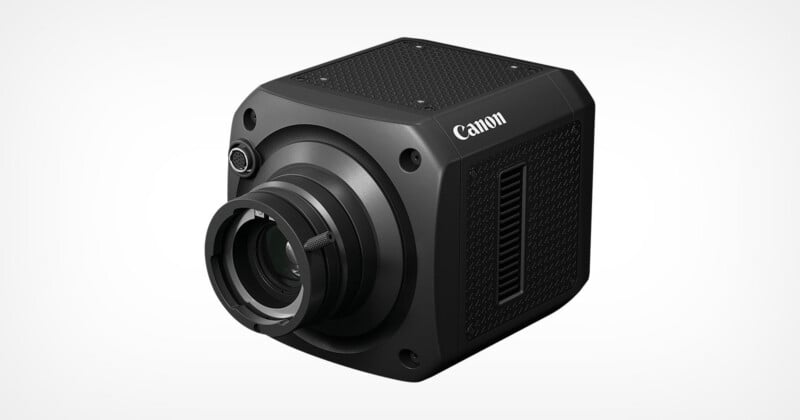
A key aspect of the Canon MS-510’s versatility lies in its compatibility with industry-standard professional optics. Like its predecessor, the MS-510 accepts broadcast lenses with the robust B4 mount. This choice is strategic, as the B4 mount is a widely adopted standard in professional broadcasting, known for its durability, optical quality, and wide availability of lenses.
The ability to use Canon’s lineup of 2/3-inch ultra-telephoto broadcast zoom lenses is particularly significant. These lenses are designed for extreme magnification and long-distance imaging, often used in sports broadcasting, nature documentaries, and surveillance. When paired with the MS-510’s hyper-sensitive SPAD sensor, these lenses enable the camera to clearly observe objects from very far away, even in minimal light. This combination of extreme sensitivity and powerful telephoto reach allows for discreet, long-range monitoring and data acquisition, minimizing the need for close proximity and reducing the risk of detection or disturbance. This synergy between advanced sensor technology and proven optical systems maximizes the camera’s operational utility across its intended applications.
Market Positioning and Pricing Strategy
The Canon MS-510 is unequivocally a specialized instrument, designed for specific, high-demand professional and scientific applications rather than general consumer or even mainstream professional photography. This positioning is reflected in its premium price point. With an expected shipping date later this year, the MS-510 will retail for $22,800.
This price tag, while substantial, is consistent with the cost of highly specialized, cutting-edge imaging technology. The target market for the MS-510 includes government agencies (defense, intelligence, law enforcement), large industrial enterprises (critical infrastructure, energy sector), academic and research institutions (wildlife biology, environmental science), and specialized security firms. For these entities, the unique capabilities of the MS-510 — its unparalleled low-light performance, robust design, and compatibility with high-end optics — represent a valuable investment that delivers operational advantages and enables missions otherwise impossible. The cost is justified by the advanced research and development involved in SPAD sensor fabrication, the precision engineering of the camera body, and the specialized applications it serves, where the value of reliable, high-quality visual data in extreme conditions far outweighs the initial investment.
Conclusion: A Glimpse into the Future of Imaging
The unveiling of the Canon MS-510 Multi-Purpose Camera at NAB 2026 marks a pivotal moment in the evolution of imaging technology. By harnessing the power of its newly designed SPAD image sensor, Canon has delivered a camera capable of capturing clear, usable imagery in light conditions that push the boundaries of human perception. This device is more than just a camera; it is a specialized tool that will empower professionals in security, scientific research, and environmental observation to operate with unprecedented effectiveness in the darkest corners of our world. As Canon continues to refine and integrate SPAD technology, the MS-510 stands as a testament to the company’s innovative spirit and offers a compelling glimpse into a future where the unseen can finally be brought into vivid focus.