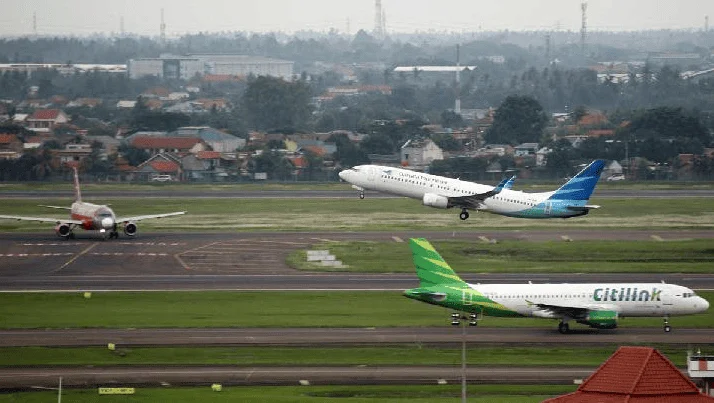
The Indonesian aviation sector is bracing for a monumental surge in activity as the annual Eid al-Fitr homecoming, known locally as Mudik, approaches in early 2025. Aviation authorities and industry analysts have identified March 22 and March 28, 2025, as the critical dates for the peak of aircraft movements across the archipelago. This period represents one of the most significant logistical challenges for the nation’s transportation infrastructure, as millions of citizens transition from urban centers to their ancestral hometowns. At the heart of this activity is Soekarno-Hatta International Airport, Indonesia’s primary gateway, which is expected to facilitate thousands of flights daily, testing the limits of its operational capacity and the resilience of the country’s air traffic management systems.
The phenomenon of Lebaran travel in Indonesia is not merely a seasonal uptick in passenger numbers but a massive socioeconomic migration that requires months of strategic planning. For 2025, the Ministry of Transportation and PT Angkasa Pura have indicated that the scale of movement may surpass previous post-pandemic records. The anticipated peak on March 22 marks the beginning of the mass exodus as the holiday period commences, while March 28 is projected to see the highest density of return flights as the workforce prepares to resume professional activities in major metropolitan areas.
Strategic Chronology of the 2025 Lebaran Peak Periods
The timeline for the 2025 Lebaran aviation surge is dictated by the lunar calendar and the subsequent public holiday schedule set by the Indonesian government. The concentration of travel into two primary windows—March 22 and March 28—is a result of the specific alignment of the Eid al-Fitr dates with the weekend.
Beginning in mid-March, airlines will start increasing their frequency, but the real spike begins on March 22. This date serves as the "Arus Mudik" (outflow) peak. Historically, passengers prefer to travel several days before the actual holiday to ensure they reach their destinations in time for the traditional festivities. Consequently, airports will see a massive concentration of departures from Jakarta, Surabaya, and Medan toward smaller regional hubs.
The second peak, occurring on March 28, constitutes the "Arus Balik" (inflow). This phase is often more compressed than the departure phase, as the majority of travelers attempt to return to the capital and other industrial hubs simultaneously. This synchronization creates a high-pressure environment for ground handling services, baggage claim systems, and air traffic controllers who must manage tight landing intervals to maintain the schedule.
Operational Preparedness at Soekarno-Hatta International Airport
As the primary hub, Soekarno-Hatta International Airport (CGK) remains the focal point of the 2025 projections. Data from aviation authorities suggest that the airport could handle upwards of 23,000 aircraft movements during the Lebaran period. To put this in perspective, this requires the airport to maintain a high "movements per hour" rate across its three runways for nearly 24 hours a day during the peak windows.
PT Angkasa Pura, the state-owned operator, has initiated a comprehensive readiness program. This includes the activation of the Integrated Lebaran Transport Post (Posko Terpadu), a command center that brings together stakeholders from the military, police, Ministry of Health, and airline representatives. The objective of this post is to provide real-time monitoring of passenger flows and to respond instantly to any operational bottlenecks or security concerns.
Technological upgrades have also been prioritized. The implementation of Advanced Surface Movement Guidance and Control Systems (A-SMGCS) will be vital during the peak movements on March 22 and 28 to ensure that aircraft can taxi and park efficiently, even during inclement weather or heavy congestion. Furthermore, the airport is optimizing its terminal usage, redistributing flights between Terminals 1, 2, and 3 to prevent any single terminal from reaching a critical saturation point that could lead to safety risks or passenger discomfort.
Airline Strategies and Extra Flight Allocations
To accommodate the surge, major Indonesian carriers including Garuda Indonesia, Citilink, Lion Air Group, and Indonesia AirAsia have begun the process of requesting "extra flight" slots from the Directorate General of Civil Aviation. These additional flights are essential to bridge the gap between regular capacity and the extraordinary demand seen during the Lebaran season.
Airlines are also focusing on "heavy maintenance" schedules, ensuring that the maximum number of aircraft in their fleets are airworthy and available during the last two weeks of March. Routine maintenance is being pulled forward so that no aircraft are grounded for non-emergency repairs during the peak dates of March 22 and 28.
"Our priority is the availability of seats and the punctuality of our departures," noted a senior operations manager from a leading domestic carrier. "During the Lebaran peak, even a 15-minute delay can have a cascading effect across the entire network. We are optimizing our turnaround times and ensuring that backup crews are stationed at key transit points like Makassar and Surabaya."
Safety, Security, and Public Health Protocols
Despite the high volume of traffic, safety remains the non-negotiable priority for the 2025 peak. The Ministry of Transportation has mandated rigorous "ramp checks" for all aircraft operating during this period. These inspections focus on critical safety components, including engines, landing gear, and emergency equipment, to ensure that the increased flight frequency does not lead to a compromise in maintenance standards.
Security measures are also being heightened. With thousands of people congregating in airport terminals, authorities are deploying additional personnel and K-9 units to maintain a visible security presence. Digital surveillance systems and facial recognition technology at check-in counters are being utilized to streamline the identification process while maintaining a high level of security.
Furthermore, while the global health landscape has stabilized, Indonesian authorities remain vigilant. Health posts will be available at all major airports to assist passengers who may fall ill during their journey, and sanitation protocols in high-touch areas will be increased to prevent the spread of seasonal illnesses that often circulate during mass migrations.
Economic Impact and Ticket Pricing Regulations
The surge in aircraft movement during Lebaran 2025 carries significant economic implications. For the aviation industry, this period represents a peak revenue window that helps offset lower-demand periods throughout the year. However, the high demand often leads to concerns regarding ticket inflation.
To protect consumers, the Indonesian government continues to enforce the "Tarif Batas Atas" (Upper Limit Price) and "Tarif Batas Bawah" (Lower Limit Price) regulations. The Ministry of Transportation has warned airlines that any violations of these pricing caps will result in severe sanctions, including the revocation of flight permits. This regulatory oversight is crucial in ensuring that air travel remains accessible to a broad segment of the population, even during the most competitive travel dates of the year.
Beyond the airlines, the regional economies of destination cities also benefit from the influx of travelers. Increased aircraft movements to airports in Yogyakarta, Padang, and Solo translate to higher occupancy rates for local hotels and increased spending in the small and medium enterprise (SME) sectors, providing a vital boost to regional development.
Recommendations for Travelers Navigating the Peak Period
Given the complexity and volume of movement expected on March 22 and 28, passengers are encouraged to adopt a proactive approach to their travel plans. Aviation experts offer several key recommendations to ensure a smoother experience during the 2025 Lebaran peak:
- Early Booking and Digital Check-in: Passengers should secure their tickets months in advance to avoid the inevitable price hikes as the limit is reached. Utilizing mobile check-in apps 24 hours before the flight can significantly reduce the time spent in airport queues.
- Arrive Early: For domestic flights during the peak period, arriving at the airport at least three to four hours before departure is advised. This provides a buffer for potential traffic congestion on airport access roads and longer-than-usual security lines.
- Baggage Management: To expedite the boarding process, travelers should adhere strictly to airline baggage allowances. Overweight luggage can cause delays at the check-in counter and complicate the loading process for ground crews.
- Monitoring Flight Status: With the high density of flights, schedule adjustments can occur. Passengers should stay informed through airline notifications and official airport websites to track the real-time status of their aircraft.
Conclusion: A Test of National Aviation Infrastructure
The peak aircraft movement of Lebaran 2025 stands as a testament to the growth and ambition of Indonesia’s aviation sector. The successful management of over 23,000 movements at Soekarno-Hatta, alongside thousands more at regional airports, requires a level of coordination that is rarely seen in other parts of the world.
By focusing on the strategic dates of March 22 and March 28, and through the combined efforts of the government, airport operators, and airlines, Indonesia aims to demonstrate that it can handle massive logistical hurdles while maintaining the highest standards of safety and service. As the nation prepares for this period of intense mobility, the focus remains clear: to connect families across the archipelago safely and efficiently, ensuring that the spirit of the Lebaran holiday is supported by a robust and reliable transportation network. The lessons learned from the 2025 peak will undoubtedly inform the future of Indonesian aviation as the country continues to expand its reach and modernize its infrastructure for the decades to come.