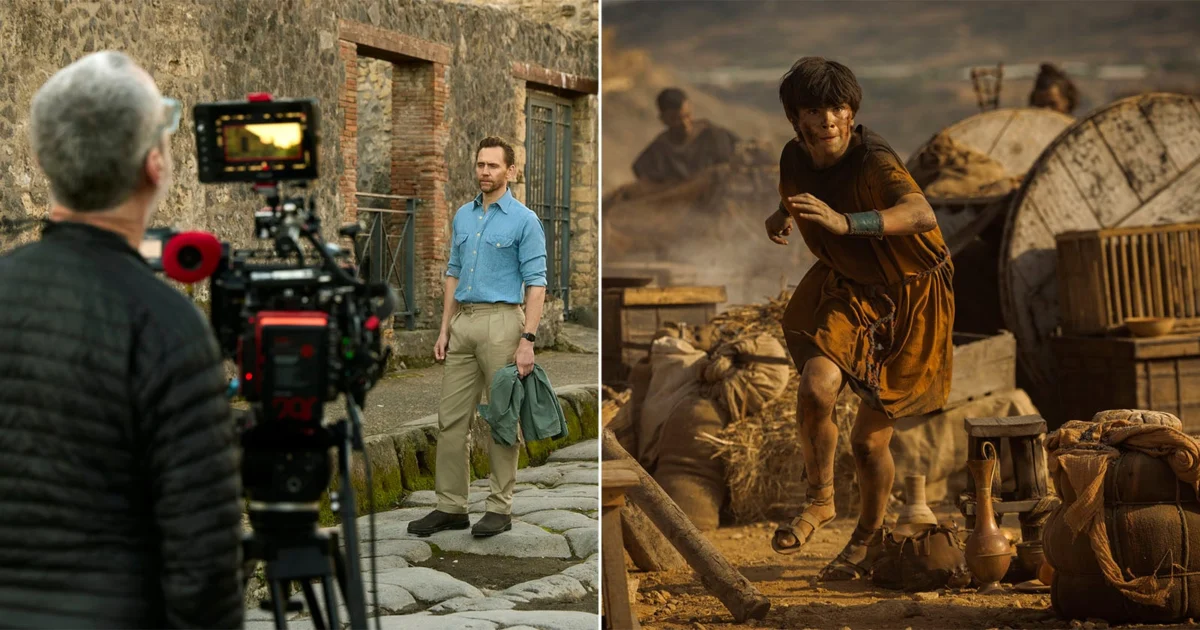
National Geographic is set to captivate audiences with its new three-part docudrama series, Pompeii: Out of Time, a meticulously crafted production that merges the compelling narrative skills of host and executive producer Tom Hiddleston with sophisticated cinematic techniques and a profound dedication to historical accuracy. The series promises an immersive exploration of Pompeii’s climactic final hours before its tragic obliteration by the cataclysmic eruption of Mount Vesuvius in 79 A.D., aiming to redefine historical storytelling on television.
The Enduring Allure of a City Frozen in Time
For nearly two millennia, Pompeii has exerted an extraordinary grip on the human imagination. This UNESCO World Heritage Site, nestled at the foot of the slumbering Vesuvius, annually draws approximately 2.5 million visitors from across the globe, all eager to wander its remarkably preserved streets, homes, and public spaces. The city offers an unparalleled window into daily life in the Roman Empire, a snapshot of antiquity unparalleled anywhere else on Earth. Its ruins reveal not just architecture but the very fabric of ancient existence—graffiti on walls, loaves of bread in ovens, the final, desperate gestures of its inhabitants. This enduring fascination underscores why a fresh, cinematic retelling of its demise continues to resonate deeply with contemporary audiences.
Crafting Cinematic History: A Behind-the-Scenes Revelation
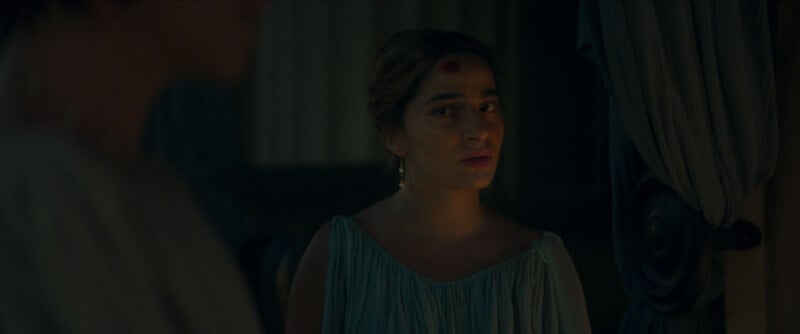
The distinctive visual grandeur of Pompeii: Out of Time is a testament to the collaborative vision of director Tom Barbor-Might and cinematographer Jim Jolliffe. Eschewing the often-maligned "cheesy" aesthetic of traditional docudrama reenactments, the series elevates its historical segments to the realm of high-end cinematic production. Jolliffe, in an exclusive interview with PetaPixel, revealed the artistic choices that underpinned this ambitious approach.
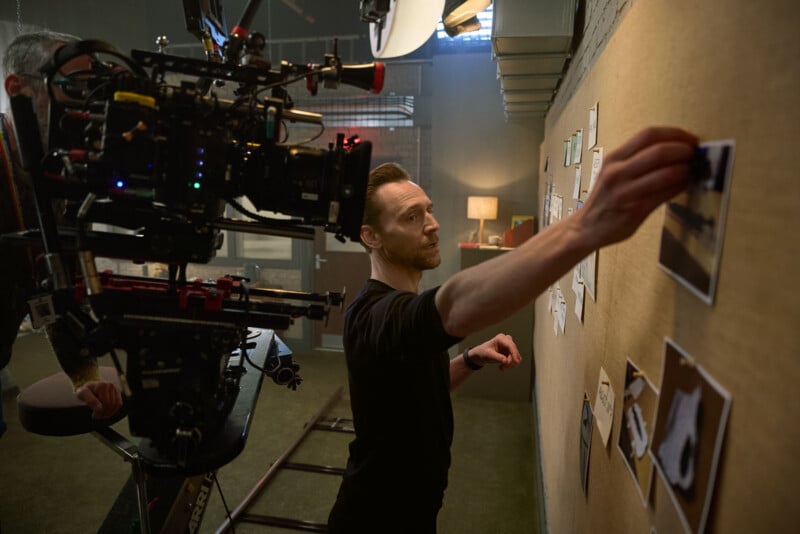
"The first thing we thought was that we both wanted to shoot on anamorphic lenses," Jolliffe explained, highlighting a shared artistic goal with Barbor-Might. This decision was pivotal, serving a dual purpose: enhancing the dramatic intensity of the historical sequences and establishing a cohesive visual language that seamlessly links the ancient past with Hiddleston’s present-day explorations and interviews. The anamorphic look, characterized by its wide aspect ratio and distinctive lens flares, imbues the entire production with a palpable cinematic quality, unifying the diverse elements of the series. "The lenses do a very good job giving it a distinct look across both timelines," Jolliffe affirmed.
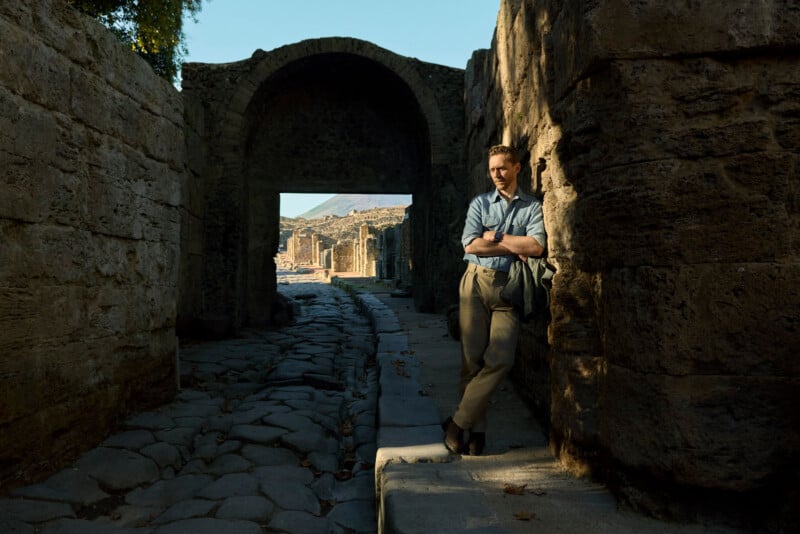
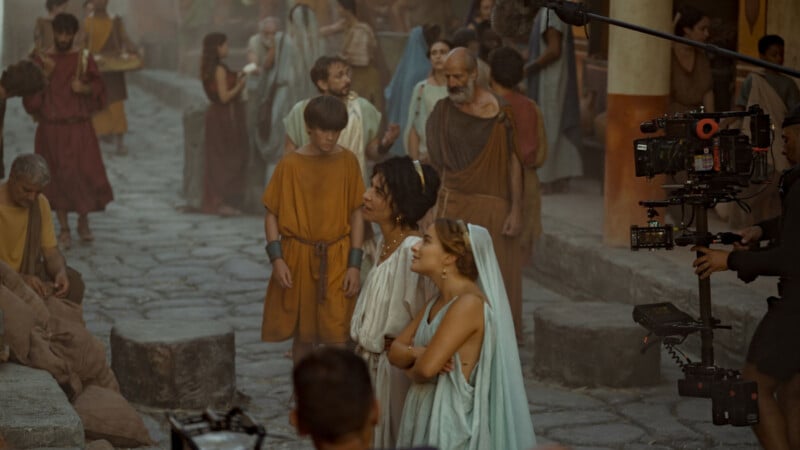
The choice of Caldwell Chameleon anamorphic prime lenses, paired with an Arri Alexa 35 Super35-format cinema camera, was instrumental in achieving this visual consistency. While Jolliffe noted that the nature of the historical settings limited opportunities for pronounced lens flares, he expressed immense satisfaction with their performance. The cinematographer also employed subtle diffusion and various filters to meticulously control the overall aesthetic, modulating between warmer tones for the pre-eruption scenes and cooler, ash-laden palettes for the eruption sequences. This careful calibration of color and light provides viewers with a visual narrative that mirrors the escalating tragedy.
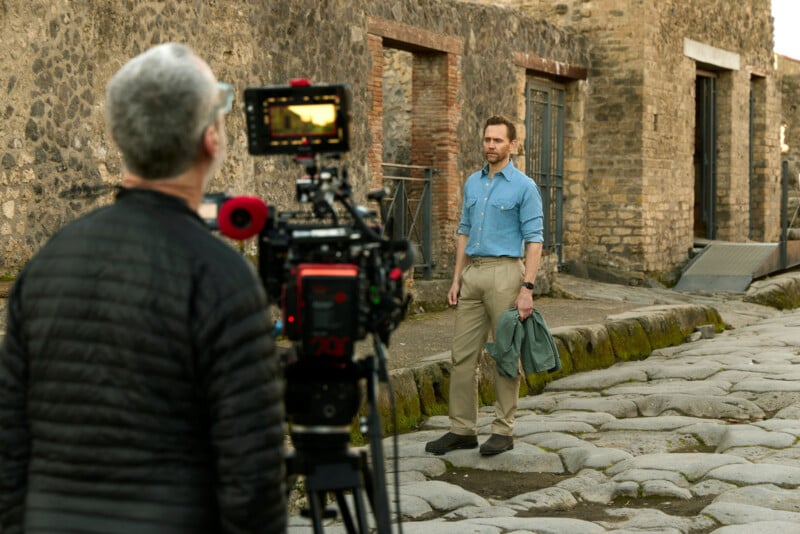
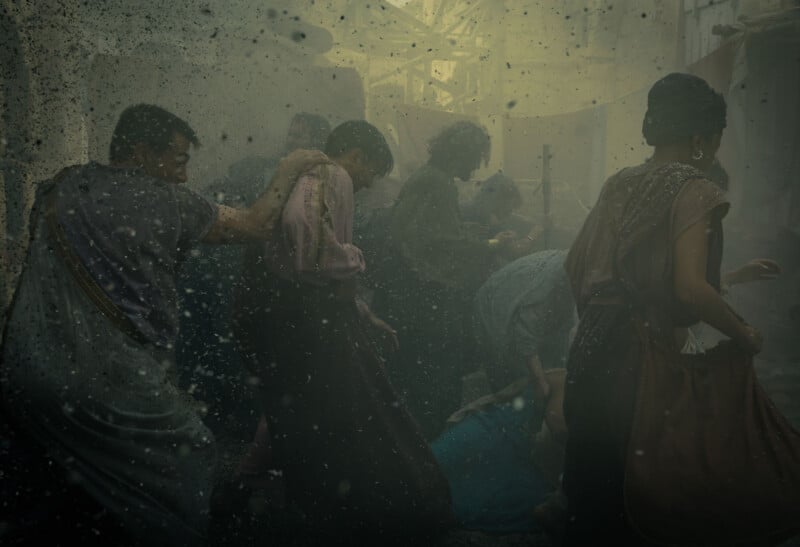
Beyond technical specifications, Jolliffe also varied his shooting style to reflect the narrative’s progression. Pre-eruption scenes were captured with a stable, deliberate pace, conveying the tranquility and rhythm of daily life. In stark contrast, the eruption itself is portrayed with a dynamic, "run-and-gun" style, employing camera shake and rapid movement to immerse viewers in the chaos and terror of the disaster. The aftermath, as survivors grapple with a city engulfed in ash, saw Jolliffe "literally throwing ash around and running around quite a bit," showcasing his versatility and commitment to authentic representation. This ability to deploy multiple filmmaking styles within a single project, encompassing both dramatic reenactment and documentary rigor, was a creative highlight for the cinematographer, who also oversaw intricate stunts.
Tom Hiddleston: A Passionate Guide Through History
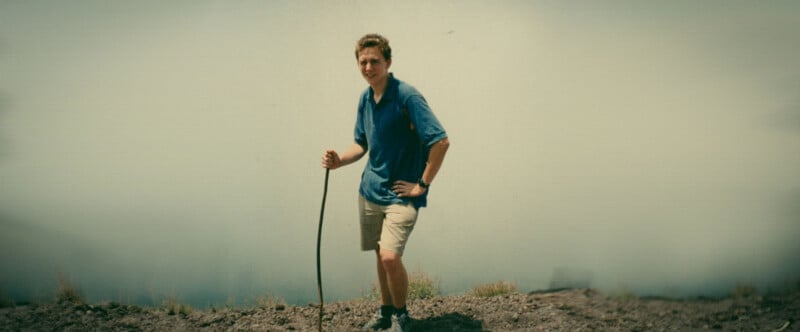
Tom Hiddleston’s involvement in Pompeii: Out of Time extends far beyond his celebrity status. As both host and executive producer, Hiddleston brings a genuine, long-standing passion for history to the forefront. The article highlights an archive photograph of a 17-year-old Hiddleston atop Mount Vesuvius in 1998, a testament to his early fascination with Pompeii and Herculaneum. This personal connection imbues his presentation with an authenticity and enthusiasm that is often lacking in historical documentaries.
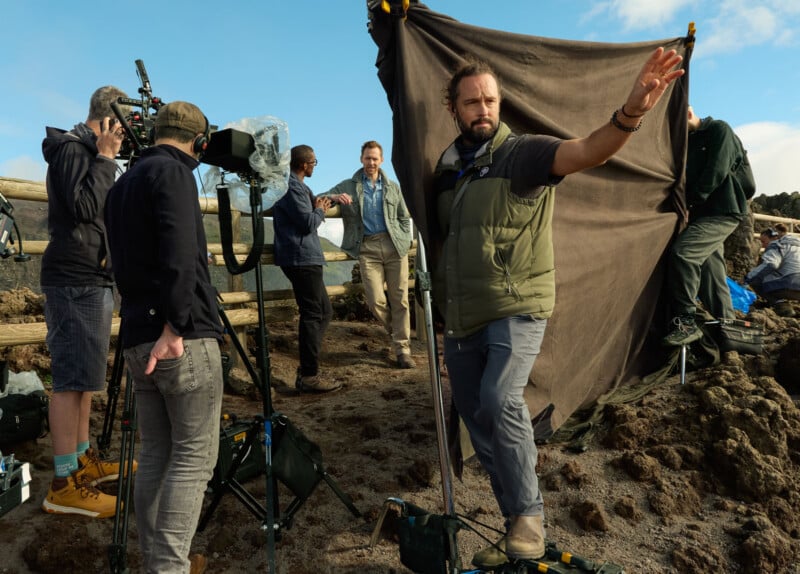
Jolliffe further praised Hiddleston’s innate ability to create a comfortable and engaging atmosphere on set, a crucial asset when interviewing academics, archaeologists, and historians who may be unaccustomed to the demands of television production. His charming demeanor and intellectual curiosity are key to drawing out nuanced insights from experts, making complex historical and archaeological discussions accessible and compelling for a broad audience. Hiddleston’s role bridges the gap between expert knowledge and public engagement, serving as a knowledgeable and empathetic guide through the ancient world.
The Cataclysm of 79 A.D.: A Detailed Historical Context
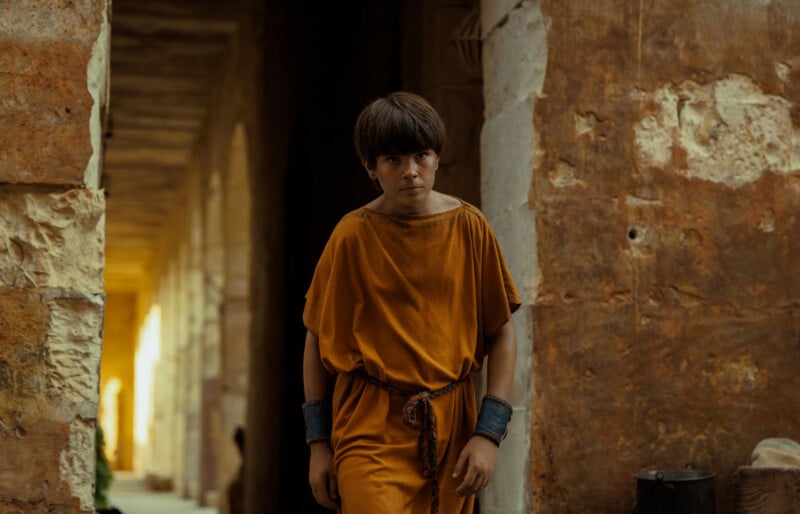
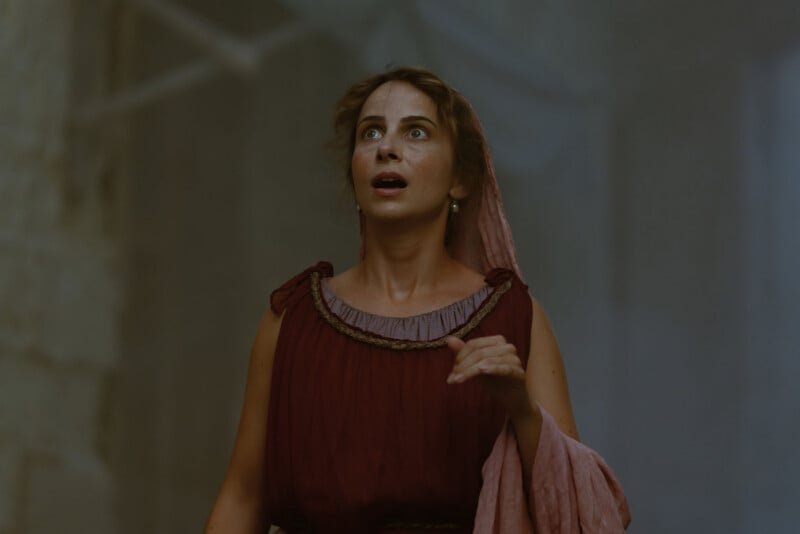
The series delves into the final, agonizing hours of Pompeii, meticulously reconstructing the events of August 24, 79 A.D. (though some modern scholars suggest an October date based on new evidence). Mount Vesuvius, a volcano long considered dormant, awoke with terrifying fury. The initial phase of the eruption was marked by a massive column of ash, pumice, and rock ejected high into the stratosphere, blanketing Pompeii in a rain of tephra. This initial fallout, while destructive, allowed some inhabitants to flee. The pre-eruption sequences in the series, bathed in warm, natural light, subtly hint at the impending doom while showcasing the vibrant life that once thrived in the Roman city.
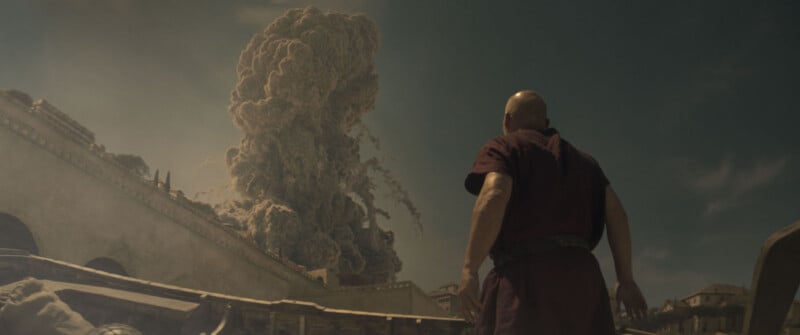
As the eruption intensified, pyroclastic flows—fast-moving currents of hot gas and volcanic debris—cascaded down the mountain’s flanks, incinerating everything in their path. These flows, reaching temperatures of several hundred degrees Celsius and speeds of hundreds of kilometers per hour, were the ultimate cause of death for most of Pompeii’s inhabitants, instantly vaporizing soft tissues and preserving their forms in hardened ash, creating the iconic plaster casts discovered by archaeologists centuries later. The series’ portrayal of the eruption shifts to a cooler, desaturated palette, reflecting the ash-choked skies and the encroaching darkness of the disaster. The devastating impact extended beyond Pompeii to neighboring Herculaneum and Stabiae, also buried and preserved. Understanding the specific stages and destructive mechanisms of the Vesuvius eruption is crucial to appreciating the unique preservation of Pompeii and the human stories the docudrama aims to tell.
Archaeological Insights and Modern Interpretations
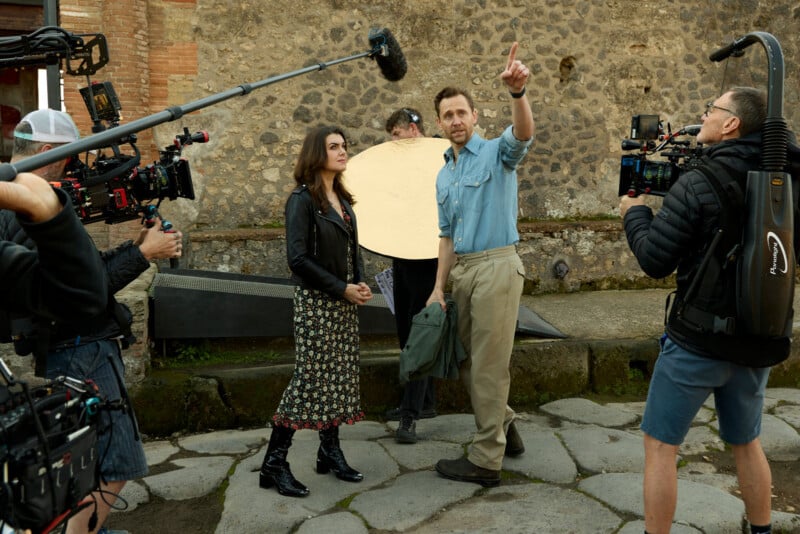
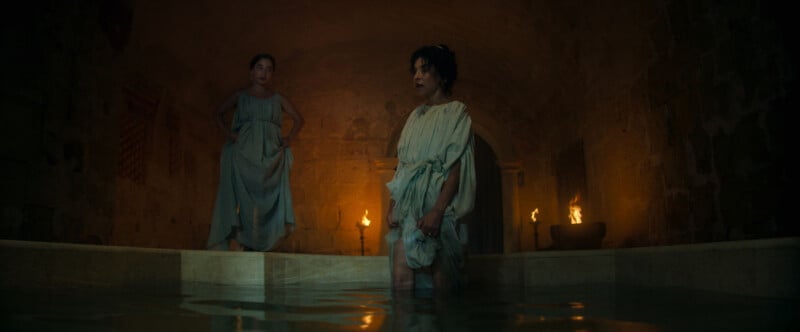
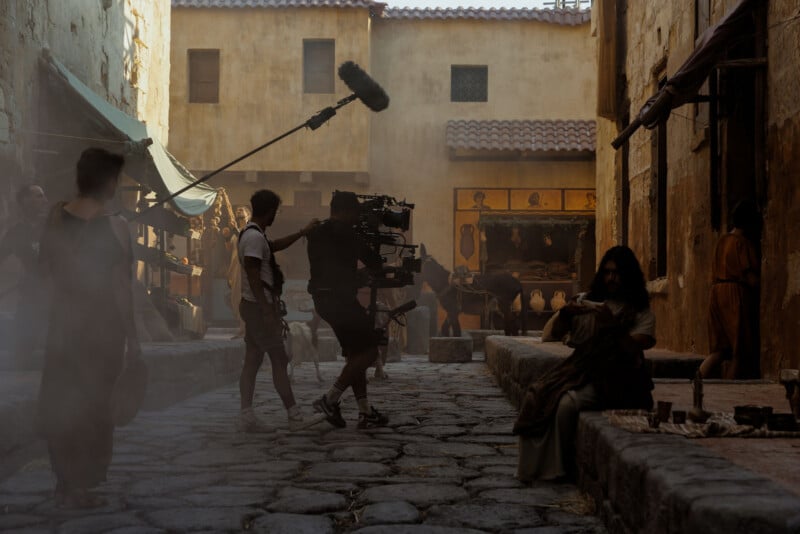
Pompeii: Out of Time distinguishes itself by integrating rigorous academic expertise with its dramatic reenactments. The series features interviews with leading archaeologists and historians, whose research provides the factual backbone for the historical segments. This blend ensures that while the narrative is engaging and cinematic, it remains grounded in the latest scientific and archaeological understanding. The challenge of filming on location within Pompeii itself, a protected archaeological site, presented unique logistical hurdles. Jolliffe recounts working with an extremely small crew—often just himself, an audio technician, director Barbor-Might, and Hiddleston—due to restrictions on equipment and impact.
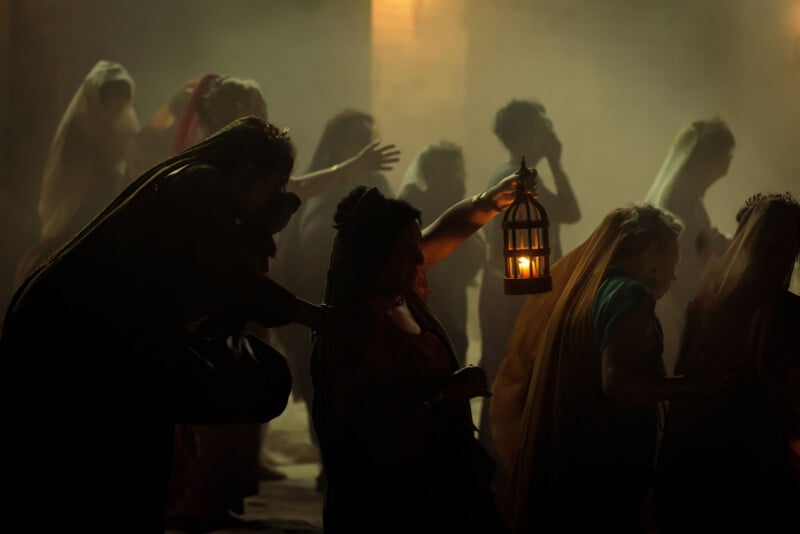
The necessity of working primarily with natural light in these ancient spaces, using only bounce and diffusion, paradoxically served to visually connect the modern-day investigative segments with the historical reenactments. While artificial lights were sparingly used, Jolliffe opted for relatively straightforward LED fixtures, never powerful enough to overcome direct sunlight. This commitment to naturalistic lighting, born partly out of necessity, ensures that the visual aesthetic remains cohesive and believable across all timelines. The series showcases how ongoing archaeological digs continue to unearth new secrets, revealing ever more intricate details about the lives of Pompeii’s citizens, from their social structures and political intrigues to their domestic routines and religious practices. The series leverages these discoveries to craft compelling, character-driven narratives, bringing individual stories from the ashes to life.
National Geographic’s Vision for Historical Storytelling
Tom McDonald, EVP of Content for National Geographic, articulated the network’s broader vision for this groundbreaking series. "National Geographic has spent more than a century bringing the past to life through groundbreaking discoveries, exploration and world-class storytelling," McDonald stated. He emphasized that the collaboration with Tom Hiddleston and the Plimsoll team, led by showrunner Tom Barbor-Might, represents "a process of inventing an entirely new genre of history programming — one which brings evidence and imagination together in a way which feels distinctive."
This commitment to innovation reflects a growing trend in documentary filmmaking to employ cinematic tools and high production values to make educational content more engaging and accessible. By investing in compelling narratives, strong visual aesthetics, and the star power of a respected actor, National Geographic aims to attract new demographics to historical programming, fostering a deeper appreciation for the past. The approach signifies a recognition that effective storytelling, even when dealing with historical facts, requires a sophisticated and emotionally resonant presentation.
Broader Implications: Education, Engagement, and Preservation
The launch of Pompeii: Out of Time carries significant implications for both historical education and the ongoing effort to preserve sites like Pompeii. By presenting history in such an engaging and visually stunning format, the series has the potential to spark curiosity and learning among viewers who might otherwise find traditional historical documentaries less appealing. The blend of dramatic reenactment with expert commentary offers a multi-layered learning experience, appealing to both emotional and intellectual faculties.
Furthermore, the renewed attention brought by a high-profile production like this can underscore the importance of continued funding for archaeological research and conservation efforts at Pompeii. The site, while remarkably preserved, faces ongoing challenges from natural erosion, seismic activity, and the sheer volume of tourist traffic. By highlighting the fragility and irreplaceable value of Pompeii, the series serves as a powerful reminder of our collective responsibility to protect and understand these ancient treasures. The article also notes that National Geographic will publish a major feature story on the three Roman cities buried by Vesuvius in its August issue and online on July 21, further extending the educational reach of the project beyond the screen.
Pompeii: Out of Time premieres on National Geographic on July 22 at 9/8c, with subsequent availability on Disney+ and Hulu on July 23. This strategic multi-platform release ensures maximum accessibility, inviting a global audience to witness the spectacular and tragic story of Pompeii through a fresh, cinematic lens. The series stands as a testament to the power of combining historical rigor with innovative filmmaking to unlock the past for future generations.