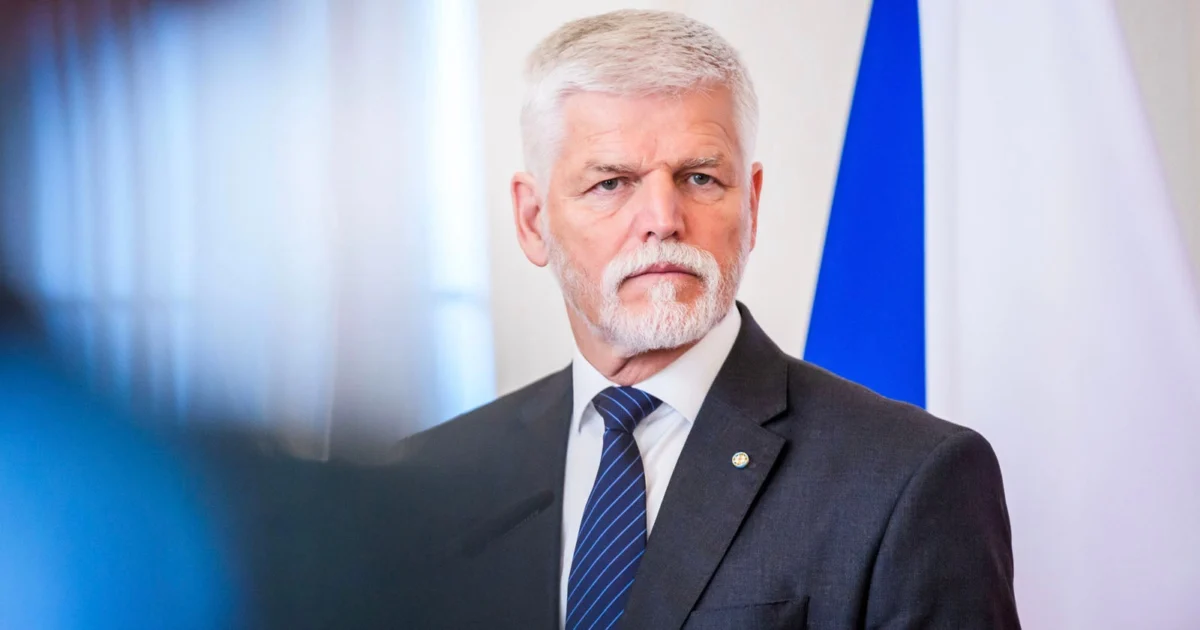
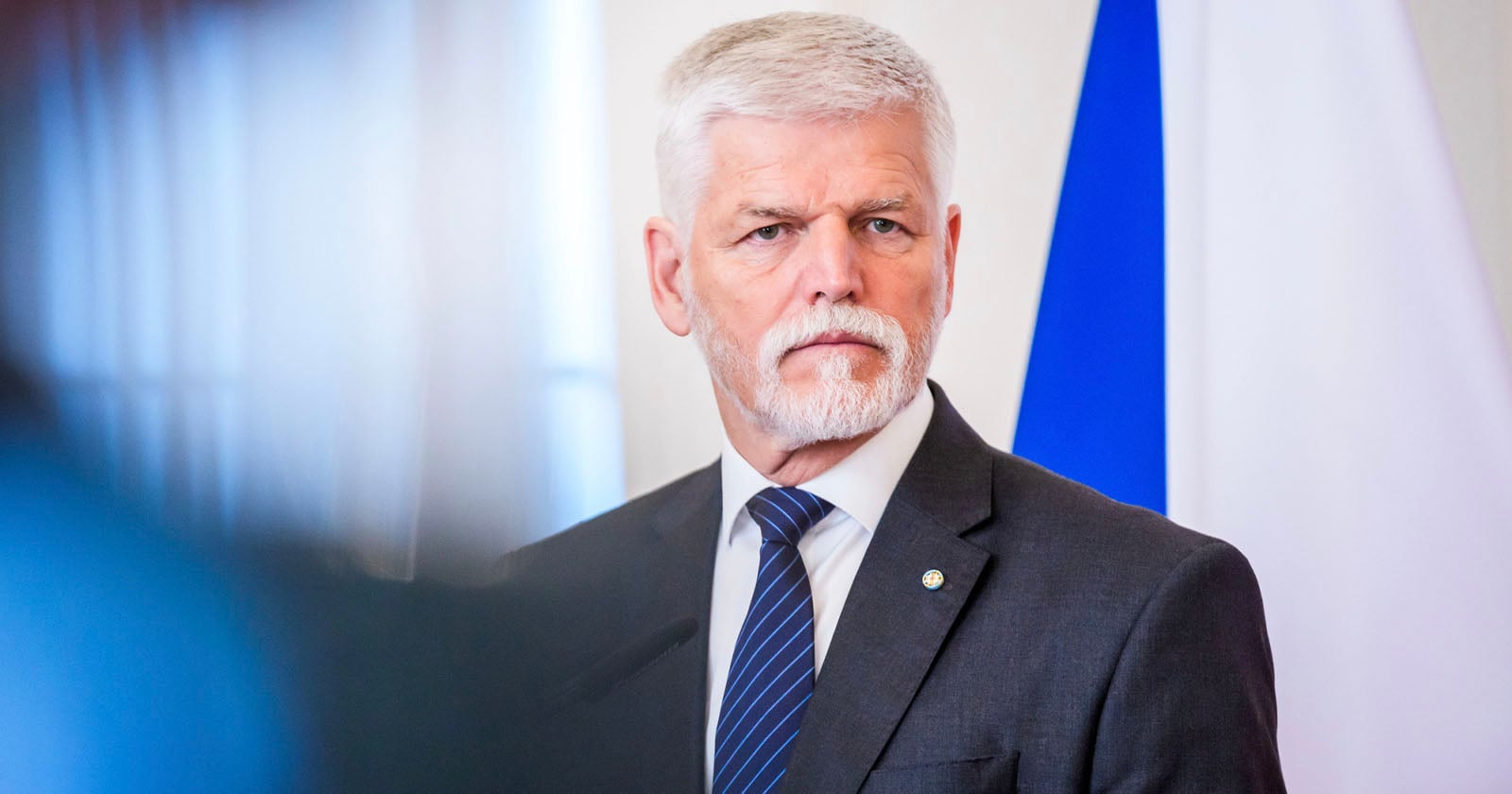
In a rare display of a head of state pursuing a highly specialized personal hobby, Czech President Petr Pavel was recently observed trackside at the Formula 1 Hungarian Grand Prix in Budapest, exchanging his customary presidential attire for a photographer’s jacket and a camera. This latest appearance underscores President Pavel’s long-standing and well-documented passion for motorsports photography, a pursuit that has seen him frequent some of the world’s most prestigious and challenging racing events, often with the same dedication and focus as a professional photojournalist. While many world leaders might unwind with activities like golf, as famously associated with former U.S. President Donald Trump, President Pavel’s commitment to capturing the high-octane drama of racing through his lens offers a unique glimpse into the personal interests of a modern statesman.
The Hungarian Grand Prix, held at the Hungaroring circuit outside Budapest, is a pivotal event in the Formula 1 calendar, known for its tight, twisty layout and often sweltering summer conditions that test both drivers and machinery to their limits. It was amidst this electric atmosphere that President Pavel, a distinguished figure with a military background, was seen navigating the bustling pit lane and trackside areas. His presence was not merely as a VIP spectator; he was equipped with professional camera gear, indicating a serious intent to photograph the event. This hands-on approach to his hobby sets him apart, offering a relatable dimension to his public persona that resonates with many.
A President Behind the Lens: Unpacking Pavel’s Trackside Presence
President Pavel’s immersion in the Hungarian Grand Prix was notable for its authenticity. Dressed in a practical photographer’s jacket, he blended seamlessly with the scores of accredited media professionals, albeit with the distinct accompaniment of a security detail. This arrangement highlights the logistical complexities of a head of state engaging in such a public and active hobby, balancing personal interest with the inherent demands of presidential security. His trackside access, mere feet from the blur of high-speed Formula 1 cars, provided him with an unparalleled vantage point, a privilege usually reserved for seasoned motorsports photographers. Capturing the essence of Formula 1 — the speed, the G-forces, the intricate machinery, and the raw emotion of the drivers — requires not only technical skill but also an intimate understanding of the sport, qualities President Pavel evidently possesses.
During his time in the pit lane, President Pavel was observed engaging in conversation with Mohammed Ben Sulayem, the president of the Fédération Internationale de l’Automobile (FIA), Formula 1’s governing body. This interaction between two influential figures, one a head of state and the other the global head of motorsports, underscores the significance of Pavel’s presence. Such encounters can foster informal diplomatic ties and highlight the Czech Republic’s engagement with international sporting events. It also signals a broader appreciation for the technical and athletic prowess inherent in Formula 1, further legitimizing motorsports as a cultural and economic force on the global stage.
The "Camera Blasphemy" and Public Discourse
Online communities, particularly on platforms like Reddit, were quick to notice and comment on President Pavel’s gear choices. Enthusiasts within the r/formula1 subreddit humorously pointed out that Pavel was utilizing both Canon and Nikon camera systems simultaneously. In the often-heated world of photography, where brand loyalty runs deep, using equipment from rival manufacturers is sometimes colloquially referred to as "blasphemy." This observation, while light-hearted, speaks to the depth of knowledge and passion among photography and motorsports communities, demonstrating how closely they observe such details. It also inadvertently showcases President Pavel’s practical approach: prioritizing the right tool for the job over brand allegiance, a pragmatic trait that perhaps echoes his military background. The ability to deploy different systems could suggest a need for specific lenses or body features that each brand excels in, allowing him maximum versatility in a demanding photographic environment.
Accompanying President Pavel was Czech photographer Jiri Krenek, a professional who shares a passion for motorsports. Krenek’s presence not only provided technical camaraderie but also offered a layer of professional support, allowing the President to further refine his skills and capture unique perspectives. This collaboration between a head of state and a professional artist speaks volumes about Pavel’s genuine interest and commitment to improving his craft, moving beyond a casual dabbling to a more serious engagement with photography as an art form and a technical challenge.
A Chronology of Presidential Motorsports Adventures
President Pavel’s appearance at the Hungarian Grand Prix is far from an isolated incident; it is part of a recurring pattern of his engagement with high-profile motorsports events. His passion for capturing the dynamism of racing extends across various disciplines and continents, forming a compelling timeline of his photographic endeavors:
- 2025 MotoGP Race, Brno, Czechia: Just last year, President Pavel attended a MotoGP race in Brno, his home country. MotoGP, motorcycling’s premier racing category, presents its own unique photographic challenges, demanding lightning-fast reflexes to capture bikes leaning at extreme angles and riders pushing the limits of physics. His presence at a domestic event likely resonated deeply with Czech motorsports fans, demonstrating national pride and personal investment in the country’s sporting culture.
- Dakar Rally, Saudi Arabia: Perhaps his most adventurous photographic excursion involved the Dakar Rally in Saudi Arabia. This legendary off-road endurance race, known for its grueling terrain, extreme conditions, and vast landscapes, offers a vastly different photographic canvas compared to the confined circuits of Formula 1 or MotoGP. What makes this particular engagement even more remarkable is that President Pavel chose to camp like a regular spectator, fully immersing himself in the rugged environment of the rally. This decision not only highlights his adventurous spirit but also his desire to experience the event authentically, free from the usual trappings of presidential privilege. Capturing the grit, determination, and sheer scale of the Dakar Rally requires significant dedication and resilience, attributes clearly possessed by the former general.
- "Speed and Endurance" Exhibition, National Technical Museum, Prague (March 2025): The culmination of his Dakar Rally efforts was an exhibition of his photographs, titled "Speed and Endurance," held at the prestigious National Technical Museum in Prague in March 2025. This event elevated his hobby from a personal pastime to a public artistic statement, showcasing his talent and perspective to a wider audience. The exhibition not only celebrated the beauty and challenge of motorsports but also provided a unique opportunity for the public to connect with their president on a more personal and cultural level.
At the launch of this exhibition, President Pavel articulated his philosophy behind his photographic pursuits: "Motorsport is a fascinating world, and I am glad that I can not only watch it but also record it in some way and share it with others. I hope that my photographs will bring the beauty and challenge of this legendary race closer to the audience." This statement reveals a profound appreciation for the sport and a desire to communicate its essence through his art, transcending mere documentation to create an emotional connection with viewers.
The Broader Implications of a President’s Hobby
The public pursuit of a passion like motorsports photography by a head of state carries several significant implications, ranging from public image to potential cultural diplomacy.
- Humanizing the Presidency: In an era where political leaders can often seem distant and unapproachable, a visible and active hobby like photography humanizes President Pavel. It allows citizens to see him not just as a statesman but as an individual with personal interests and creative inclinations. This relatability can foster greater public trust and connection, bridging the gap between governance and everyday life. It suggests a well-rounded personality, capable of intense focus beyond the political arena.
- Promoting Culture and Sport: By actively engaging with and photographing motorsports, President Pavel inadvertently promotes these disciplines within the Czech Republic and internationally. His presence lends prestige to events like the Hungarian Grand Prix and MotoGP, drawing attention to their cultural and economic significance. The exhibition of his work further elevates photography as an art form and highlights the technical and aesthetic aspects of motorsports, potentially inspiring new generations of photographers and racing enthusiasts.
- Soft Diplomacy and National Image: A president’s personal interests can also serve as a form of soft diplomacy. His interactions with figures like the FIA president, or simply his visible presence at international events, subtly projects an image of the Czech Republic as a country engaged with global culture, sport, and innovation. It showcases a leader who is not confined to the traditional political sphere but is also a connoisseur of diverse fields.
- Balancing Duty and Personal Well-being: The demanding nature of presidential office necessitates outlets for stress relief and personal rejuvenation. For President Pavel, motorsports photography clearly serves this purpose. It demonstrates the importance of maintaining personal interests and hobbies for mental well-being, even in the highest echelons of power. This can be a powerful message to citizens about work-life balance.
Historical Precedents: Leaders and Their Lenses
President Pavel is not entirely unique in his photographic inclinations, although his active, trackside involvement is certainly distinctive. Historically, several political figures have demonstrated an interest in photography:
- U.S. President Franklin D. Roosevelt: Known for his keen interest in various aspects of art and technology, Roosevelt is believed to have been interested in photography. While perhaps not as hands-on in the field as Pavel, his appreciation for the medium reflected a broader intellectual curiosity that many leaders share. His era saw significant advancements in photographic technology, and a leader with a progressive outlook would naturally be drawn to such innovations.
- King Jigme Khesar Namgyel Wangchuck of Bhutan: The Dragon King of Bhutan sometimes shares his photographs on official channels, offering glimpses into his personal perspective on his kingdom and its people. This practice serves to connect the monarch with his subjects on a more intimate level, using the universal language of imagery. It often reflects a careful curation of national identity and natural beauty.
- Other Notables: Throughout history, many leaders, though perhaps not professional-grade photographers, have utilized the camera as a tool for documentation, personal expression, or even propaganda. From amateur enthusiasts to those who recognized its power for historical record-keeping, photography has always held a particular allure for figures in power. The ability to freeze a moment in time, to capture a specific perspective, is a compelling draw for individuals accustomed to shaping narratives.
However, President Pavel’s engagement stands out due to its active, immersive, and technically demanding nature. He is not merely posing with a camera or sharing curated images; he is actively participating in the challenging environment of sports photography, seeking to master its intricacies and push his creative boundaries.
The Allure of Motorsports Photography
Motorsports photography is an incredibly challenging genre, demanding a unique blend of technical skill, artistic vision, and an understanding of the sport. Photographers must contend with:
- Extreme Speed: Capturing vehicles moving at hundreds of kilometers per hour requires fast shutter speeds, precise focusing, and often panning techniques to convey motion blur effectively.
- Dynamic Lighting: Races often occur under varying light conditions, from bright midday sun to dramatic twilight, requiring constant adjustment of camera settings.
- Unpredictable Action: Crashes, overtakes, and pit stops happen in an instant, demanding anticipation and quick reflexes to capture decisive moments.
- Environmental Challenges: Trackside environments can be dusty, hot, wet, or crowded, testing both equipment and endurance.
President Pavel’s willingness to engage with these challenges, rather than merely observe, speaks volumes about his character and commitment. His choice to shoot "purely for his own enjoyment," as evidenced by the lack of his personal photographs on his official Instagram page, further solidifies the authenticity of his passion. While his professional role demands a public persona, his photography provides a private space for creative expression and personal fulfillment.
In conclusion, President Petr Pavel’s continued presence at major motorsports events, camera in hand, offers a fascinating and refreshing perspective on modern leadership. It paints a picture of a dedicated statesman who is also a passionate enthusiast, unafraid to pursue a demanding hobby that requires both technical skill and an adventurous spirit. His trackside adventures, from the high-speed drama of Formula 1 to the rugged endurance of the Dakar Rally, not only provide him with a unique personal outlet but also subtly enrich the public’s understanding of their president, bridging the gap between the corridors of power and the thrilling world of elite sports photography.