A Minnesota photojournalist is spearheading a legal challenge against a sweeping nationwide temporary flight restriction (TFR) that prohibits drone flights within a significant radius of Department of Homeland Security (DHS) assets. This unprecedented restriction, which effectively creates a mobile, undefined no-fly zone, has drawn strong condemnation from press freedom advocates and major news organizations, who argue it severely impedes journalistic newsgathering and violates constitutional rights.
The Genesis of a Controversial Restriction
The contentious temporary flight restriction, formally implemented on January 16, 2026, by the Federal Aviation Administration (FAA) at the behest of the DHS, imposes a ban on drone operations within 3,000 feet laterally and 1,000 feet vertically of any DHS assets. Crucially, this broad definition extends to vehicles, including unmarked cars utilized by agencies like U.S. Immigration and Customs Enforcement (ICE). The ban also encompasses assets belonging to the Department of Defense (DoD) and the Department of Energy (DoE), and is slated to remain in effect until October 29, 2027.
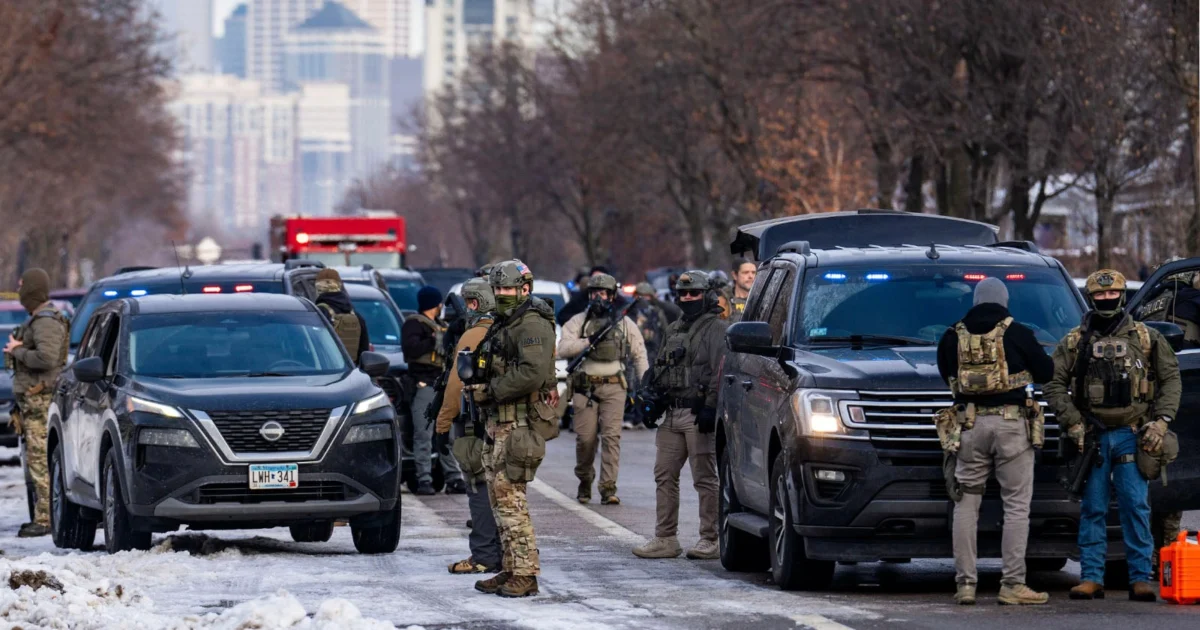
The timing of this TFR is particularly significant, as it coincided with "Operation Metro Surge," an enforcement initiative led by ICE and Customs and Border Protection (CBP) targeting undocumented immigrants in Minnesota. While the federal agencies have characterized such operations as essential for national security and border integrity, critics argue that the accompanying drone ban serves to shield these activities from public scrutiny, hindering the ability of journalists to document and report on federal law enforcement actions.
Rob Levine, an experienced Minnesota-based drone photographer, is the plaintiff in the lawsuit against the FAA. Represented by the Reporters Committee for Freedom of the Press (RCFP), Levine’s challenge underscores the practical impossibility for drone operators, particularly journalists, to comply with a restriction that is inherently unknowable in real-time. Grayson Clary, a staff attorney at the RCFP, highlighted this dilemma to the Minnesota Reformer, stating, "You have no way of knowing in advance before you fire up the drone whether you are within a prohibited distance of, say, an unmarked car that ICE is using for immigration enforcement." This ambiguity creates an untenable situation where a journalist could inadvertently violate federal airspace regulations simply by operating a drone in an urban environment where unmarked federal vehicles are commonplace.
Unprecedented Scope and Impact on Photojournalism
The National Press Photographers Association (NPPA), a leading advocate for visual journalists, has vehemently protested the TFR. NPPA President Alex Garcia issued a press release on January 28, articulating the profound difficulties faced by its members. "Our members are finding it impossible to comply with the order — even when photographing stories with drones that are unrelated to these agencies," Garcia stated. He further emphasized the chilling effect of such a regulation: "A moving, effectively invisible TFR, applying to unmarked or rented vehicles creates a constantly shifting restricted airspace that journalists have no practical way to identify or avoid."
This sentiment is echoed by broader media organizations. The Minnesota Reformer reported that both The New York Times and The Washington Post, two of the nation’s most influential news outlets, have formally protested the TFR in letters sent to the FAA. Their collective argument centers on the assertion that the restriction infringes upon the First Amendment’s guarantees of freedom of the press and the Fifth Amendment’s due process clauses, which demand clear and unambiguous laws. The vagueness of the TFR, particularly concerning the identification of "assets," makes it difficult for individuals to know what conduct is prohibited, potentially leading to arbitrary enforcement.
Drone journalism has rapidly evolved into an indispensable tool for newsgathering, offering unique aerial perspectives on major events, natural disasters, protests, and public demonstrations. From documenting the scale of environmental damage to capturing the dynamics of large crowd movements, drones provide an unmatched capability for visual storytelling. This TFR, however, fundamentally undermines this capability, especially when federal agencies are involved in events that demand public oversight and accountability.
A History of Advocacy and Fear of Reprisal
Rob Levine is not new to challenging restrictive flight regulations. In 2016, during the contentious Standing Rock protests against the Dakota Access Pipeline in North Dakota, Levine sought and initially was denied a drone flight waiver by the FAA. However, after persistent advocacy, the FAA reversed its decision, granting him a three-day waiver that made him the sole photographer with legal aerial access to document the unfolding events. This previous experience highlights Levine’s commitment to journalistic access and his understanding of the regulatory landscape surrounding drone operations. His successful precedent at Standing Rock underscores the potential for federal agencies to balance security concerns with press freedom, a balance that critics argue is sorely lacking in the current TFR.
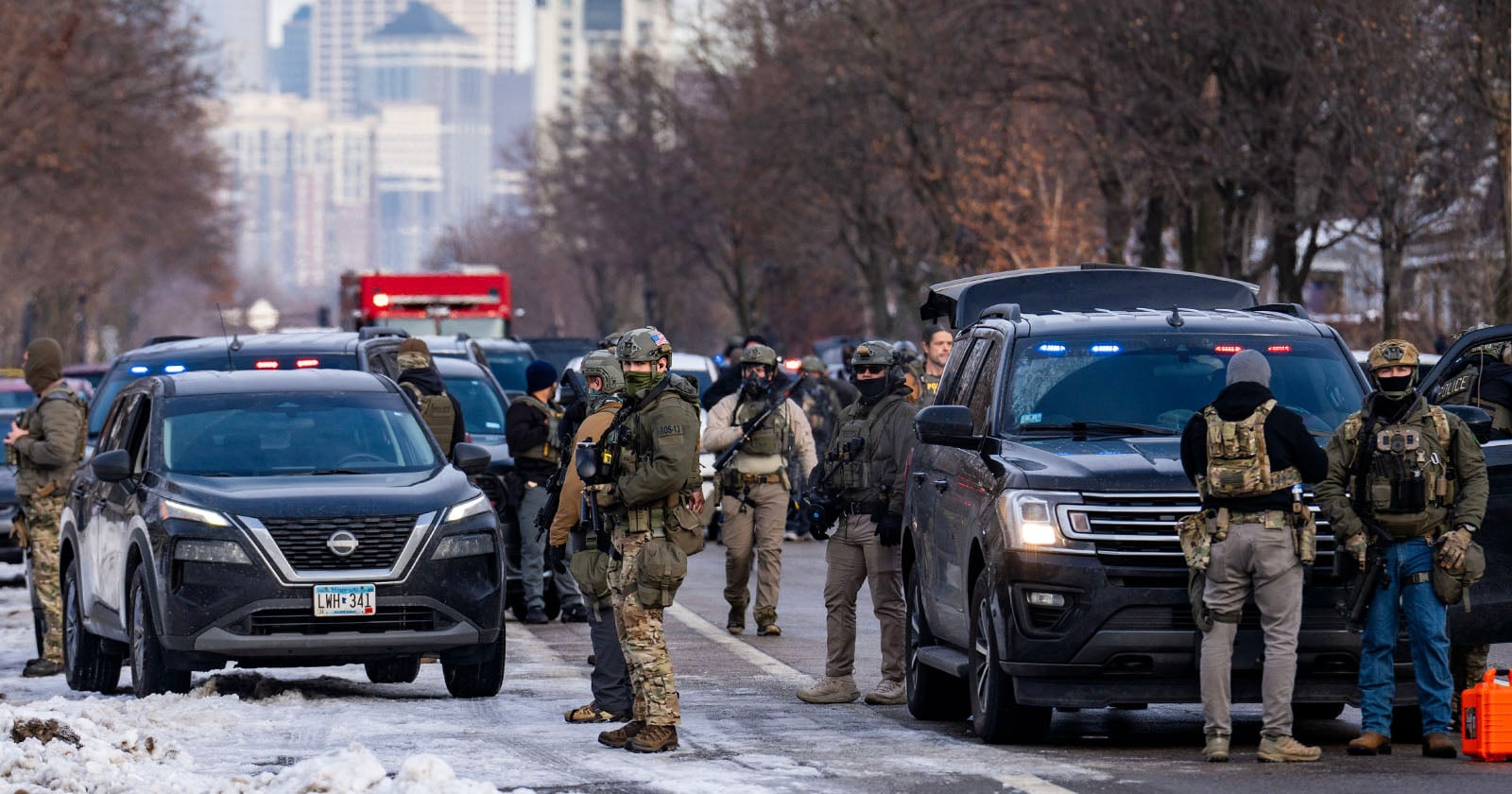
Levine’s current challenge, however, is tinged with a more acute sense of personal risk. Reflecting on the conduct of federal agents during recent events, he expressed serious concerns about potential confrontation. "Seeing how these federal agents treated constitutional observers, I was truly worried that going out and flying," Levine told DroneXL. His apprehension stemmed from the fear of being "arrested, have my drone destroyed, and be roughed up, like they did to so many of those constitutional observers." This fear is not unfounded; reports from various protests and federal operations have detailed instances of journalists and legal observers being detained, having their equipment seized, or facing physical intimidation, raising alarms about the erosion of protections for those documenting government actions. The TFR, by creating an ambiguous and easily violated zone, could inadvertently create more such flashpoints.
The Legal Framework and Constitutional Arguments
The lawsuit filed by Levine and the RCFP challenges the FAA’s authority to issue such a broad and ill-defined TFR, particularly when it encroaches upon constitutionally protected activities like newsgathering. The core of their argument rests on the First Amendment, which protects the freedom of speech and of the press. The ability to gather news is a fundamental component of press freedom, and arbitrary restrictions on access, especially to public spaces or events of public interest, are subject to strict scrutiny by the courts. By creating an "invisible" no-fly zone, the TFR effectively prevents journalists from documenting federal operations, thereby limiting the public’s access to information and hindering oversight of government power.
Furthermore, the Fifth Amendment’s due process clause demands that laws be sufficiently clear so that individuals can understand what conduct is prohibited. The vagueness of defining "DHS assets" to include unmarked vehicles that could be anywhere in the country at any given time, without any public notification or clear identification, arguably violates this principle. Drone operators have no practical means of determining their proximity to these mobile, undefined assets, making compliance impossible and opening them up to potential legal penalties without fair warning. This lack of clarity transforms vast swathes of airspace into potential no-go zones, not based on fixed, publicly known parameters, but on the unpredictable movement of federal vehicles.
The FAA typically issues TFRs for specific, well-defined events, such as presidential movements, major sporting events, or natural disaster response zones. These TFRs are usually spatially and temporally limited, with clear boundaries and public advisories. The DHS TFR, in contrast, represents a novel and expansive application of this regulatory power, creating a dynamic, nationwide restriction that critics argue far exceeds the reasonable scope of typical TFRs and directly targets the ability to document government activities.
Broader Implications for Transparency and Oversight
The outcome of Rob Levine’s lawsuit carries significant implications beyond drone journalism. It will test the boundaries of federal agencies’ power to restrict public access to information, particularly concerning law enforcement operations. In an era where government transparency is increasingly scrutinized, and the public relies heavily on independent media to report on critical events, the ability of federal agencies to create de facto information blackouts through broad, undefined restrictions poses a serious threat to democratic accountability.
If upheld, such a TFR could set a dangerous precedent, potentially leading to similar restrictions by other federal, state, or even local agencies. This could severely curtail the ability of journalists to cover a wide array of public interest stories, from environmental enforcement actions to disaster responses, whenever federal personnel or assets are involved. The erosion of journalistic access, particularly through aerial perspectives that offer unique insights, directly impacts the public’s right to know and the capacity of the press to serve as a watchdog on government power.
Conversely, should Levine’s challenge succeed, it would affirm the importance of press freedom in the digital age and underscore the need for federal regulations to be narrowly tailored, clear, and respectful of constitutional rights. It would force federal agencies to re-evaluate how they balance operational security with the public’s interest in transparency and the media’s essential role in reporting on government actions.
The Path Forward
As the legal proceedings unfold, the case will likely involve detailed arguments from both the RCFP, representing Levine, and the FAA, which will likely defend the TFR on grounds of national security, operational safety, and the protection of federal personnel and assets. The FAA and DHS may argue that the nature of their operations, particularly those involving sensitive law enforcement or security functions, necessitates a broad protective zone to prevent interference, surveillance, or potential threats. However, they will need to demonstrate that this broad, undefined restriction is both necessary and narrowly tailored to achieve those goals without unduly infringing upon First Amendment rights.
The legal battle initiated by Rob Levine is more than just a dispute over drone flight rules; it is a critical test of press freedom in an evolving technological and regulatory landscape. Its resolution will undoubtedly shape the future of drone journalism, redefine the boundaries of government secrecy, and reaffirm or challenge the constitutional protections afforded to the media in their vital role of informing the public. The eyes of photojournalists, civil liberties advocates, and transparency proponents across the nation will be keenly fixed on the outcome.