Bird photography stands as a pinnacle of photographic achievement, demanding an intricate blend of technical mastery, profound patience, and unwavering respect for wildlife. This demanding yet profoundly rewarding genre distinguishes itself from other photographic pursuits by its inherently dynamic subjects, requiring photographers to not only capture fleeting moments of grace and power but also to possess an astute understanding of avian behavior within their natural habitats. While the core principles of light, composition, and exposure remain foundational, the added complexities of rapidly moving, often unpredictable subjects elevate bird photography into a specialized field that continuously challenges even the most seasoned professionals.
The Enduring Challenge: Capturing Motion and Elusive Beauty
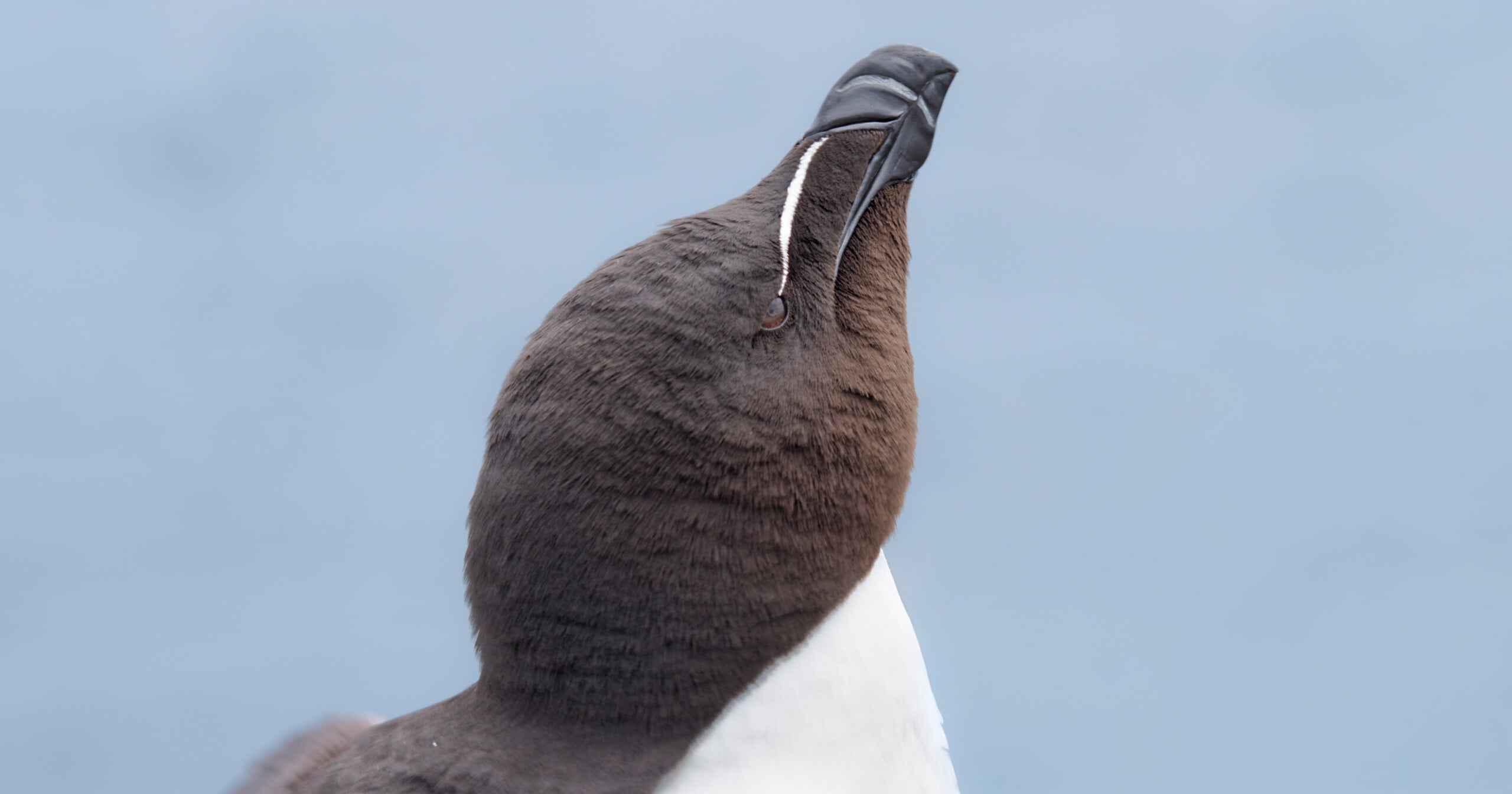
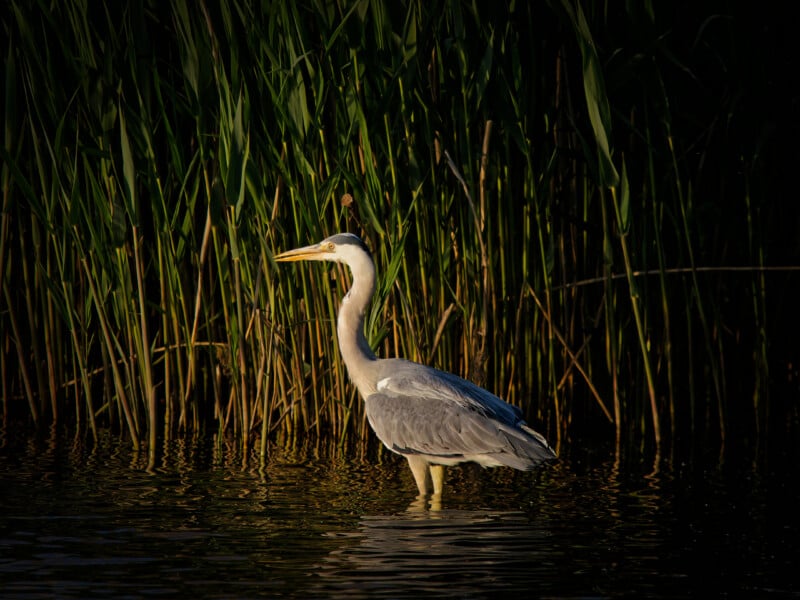
Unlike static landscapes or posed portraits, birds are creatures of constant motion. Even when seemingly at rest, a bird’s head is perpetually scanning for sustenance, potential threats, or mates, requiring photographers to anticipate subtle movements. This intrinsic dynamism presents the primary obstacle. Herons, for instance, might offer a momentary reprieve, standing motionless during a hunt, but the vast majority of avian species, from the smallest garden "LBJs" (little brown jobs, as affectionately known in the UK) to powerful raptors, are in perpetual flux. Capturing a sharp, compelling image of a bird perched on a branch—a seemingly simple "bird on a stick" shot—often demands considerable perseverance, an intimate knowledge of the species’ habits, and precise camera control to freeze motion and achieve critical focus.
The complexity escalates dramatically when attempting to photograph birds in flight. Small birds, in particular, exhibit remarkable agility and speed, often crossing the entire field of view in less than a second. This incredibly brief window leaves minimal time for a photographer to acquire focus, track the subject, and compose a shot. The challenge is not merely about achieving a fast shutter speed to prevent motion blur, but also about the ability to locate, lock onto, and follow a subject that moves with astonishing unpredictability. Historically, this required exceptional manual dexterity and foresight, often resulting in a low "hit rate" of usable images.
Technological Evolution: A Game-Changer for Avian Photographers
Over the past decade, technological advancements in camera systems have significantly democratized and enhanced the accessibility of bird photography. The introduction of sophisticated subject recognition algorithms, particularly for animals and birds, coupled with ever-faster and more accurate autofocus (AF) systems, has revolutionized the field. Modern mirrorless cameras, in particular, offer capabilities that were once unimaginable, such as real-time tracking, deep learning-based subject detection, and high-speed burst shooting. These innovations assist photographers in maintaining focus on erratically moving subjects, dramatically improving the likelihood of capturing sharp, detailed images.
Despite these technological leaps, the fundamental skills of observation, patience, and understanding avian behavior remain paramount. Technology serves as a powerful tool, an extension of the photographer’s intent, but it cannot replace the art of knowing when and where to point the camera, or how to interact ethically with wildlife. As a result, bird photography continues to be a journey of continuous improvement, where even seasoned wildlife photographers routinely encounter "dud shots" that never see the light of day.
Fieldcraft: Blending In and Minimizing Disturbance
Successful bird photography extends beyond the technical aspects of camera operation; it profoundly relies on effective fieldcraft. A critical component of this is understanding how to approach and observe birds without causing undue disturbance.
The Importance of Clothing and Camouflage: Birds perceive color, and like humans, they interpret different hues in various ways. A broad behavioral analysis indicates that many species, though not all, tend to avoid bright or bold colors such as stark white, deep black, vivid red, orange, or yellow. These colors can inadvertently signal a predator, toxicity, or a general threat. Consequently, wearing muted, natural tones—greens, browns, grays, and earth colors—is highly advisable. These colors help the photographer blend into the environment, reducing their visual impact and allowing birds to feel more at ease. Even seemingly minor details, like naturally white hair, can be mitigated by wearing a hat in a subdued color, as one experienced photographer noted.
Stillness and Subtlety: A common mistake made by novice photographers is actively walking towards birds in an attempt to get closer. Invariably, this direct approach causes birds to perceive a threat and flee. Instead, cultivating stillness and patience is crucial. Many birds react negatively to direct eye contact; turning one’s head or avoiding a direct gaze can often allow for closer proximity without startling the subject. The ability to remain motionless for extended periods, perhaps concealed by natural cover or a blind, allows birds to grow accustomed to a photographer’s presence, leading to more natural and intimate photographic opportunities. This approach not only yields better photographs but also demonstrates a fundamental respect for the wildlife being observed.
Getting Started: Learning with Common Species
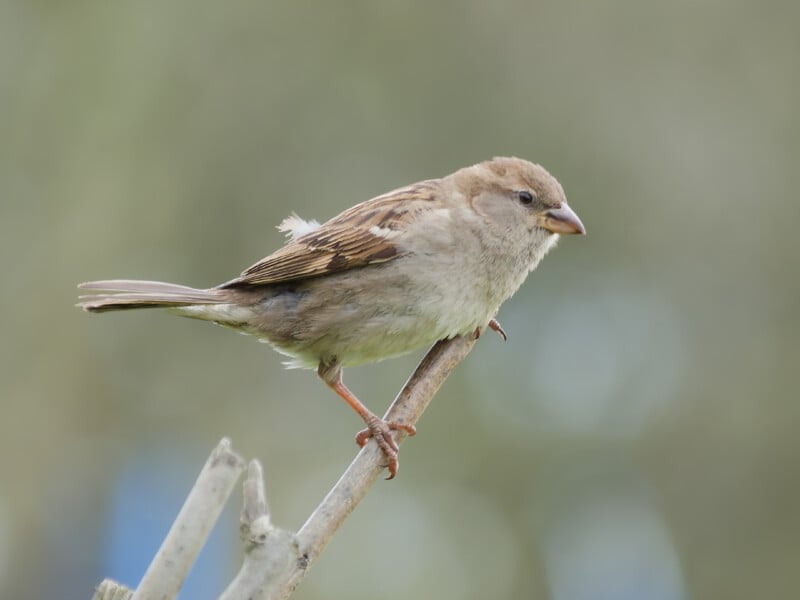
For aspiring bird photographers, beginning with common, easily accessible species is an excellent strategy for honing skills before venturing into more challenging subjects. In regions like the UK, "LBJs" (little brown jobs) such as sparrows, finches, and other small garden birds are ubiquitous and provide ideal learning opportunities. Their rapid movements challenge a photographer’s ability to track and focus, while their prevalence means that mistakes can be analyzed and new attempts made without significant travel or expense.
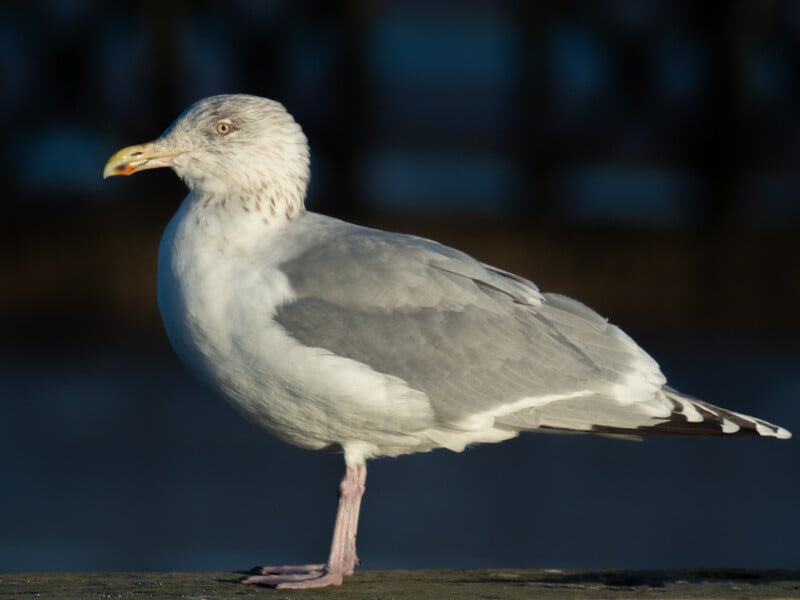
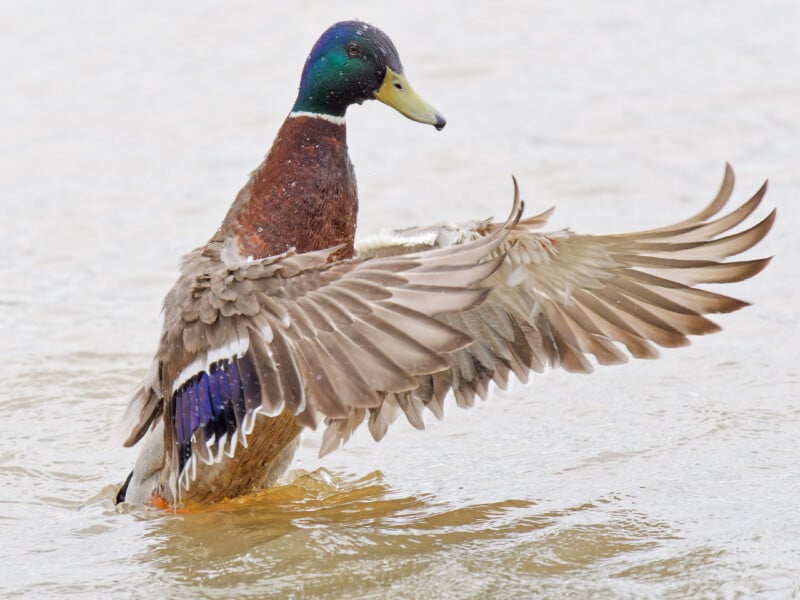
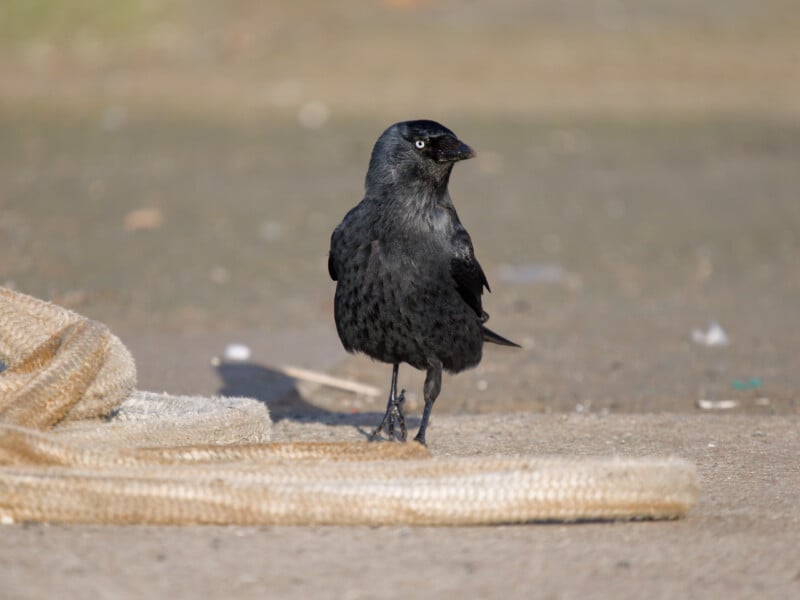
Similarly, gulls, corvids (crows, rooks, jays), swans, geese, and ducks are often habituated to human presence, making them more approachable subjects. Their relatively slower movements, especially when perched or foraging, allow for practice in composition, exposure, and understanding autofocus systems. Mastering the photography of these common species builds a strong foundation, equipping photographers with the essential skills and behavioral knowledge required to capture stunning images of rarer or more exotic birds in the future.
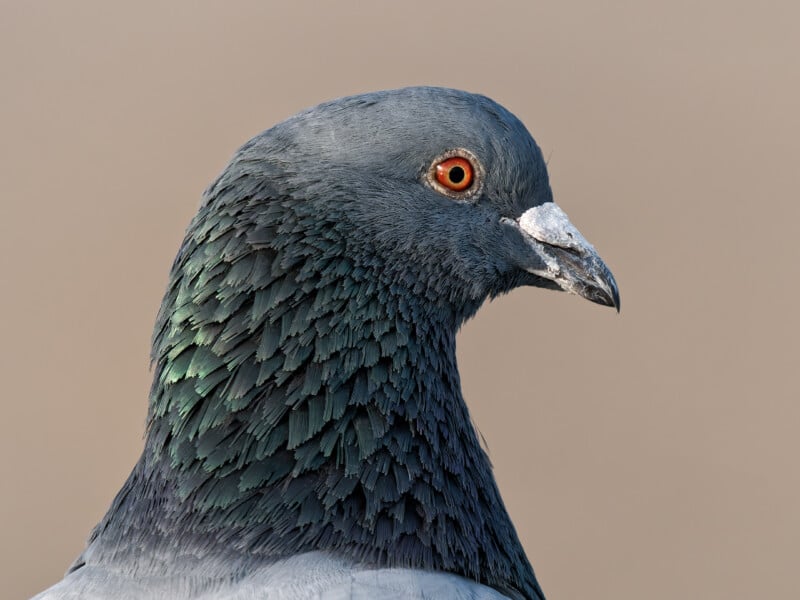
The "bird on a stick" photograph, though sometimes dismissed by photographic purists, is an invaluable learning tool. It allows photographers to focus on fundamental elements like sharp focus, pleasing composition, and correct exposure without the added complexity of tracking flight. Once these basics are mastered, the photographer can gradually introduce more dynamic elements.
Camera-Specific Considerations and Equipment Choices
Every camera system, from Canon and Nikon to Sony, Lumix, and OM System, possesses unique autofocus algorithms and operational characteristics. Understanding these nuances is crucial for optimal performance. A setting that works perfectly on one model within a brand might be suboptimal on another, let alone across different manufacturers. Photographers must invest time in learning their specific equipment’s capabilities and limitations, experimenting with different settings to find what yields the best results for avian subjects. This often involves delving into custom menu settings, fine-tuning tracking sensitivity, and understanding how the camera’s subject detection performs in various scenarios.
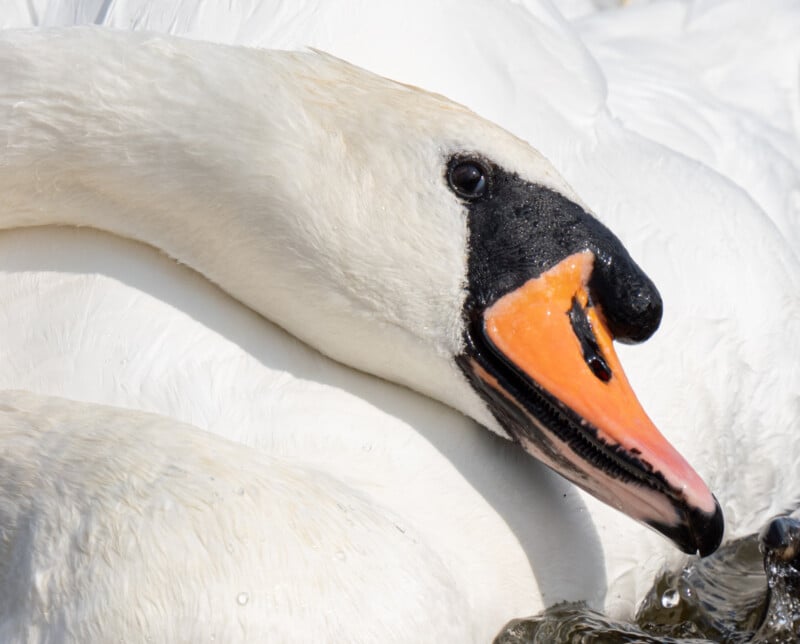
Lenses: The Gateway to Detail and Reach: For bird photography, the lens is arguably the most critical piece of equipment. Generally, the longest focal length and widest aperture a photographer can afford will yield the best results. Longer lenses provide the necessary reach to fill the frame with distant subjects, while wider apertures allow for faster shutter speeds in challenging light conditions and create pleasing background blur (bokeh).
The choice of lens also interacts with sensor size. For instance, a Micro Four Thirds system like the OM-1 Mark II might use a 400mm lens to achieve a field of view equivalent to an 800mm lens on a full-frame camera or a 500mm lens on an APS-C camera. This "crop factor" is a significant consideration, as smaller sensors effectively magnify the apparent focal length, offering greater reach in a more compact and often more affordable package. While debates about sensor size and equivalent focal lengths can be academic, the practical reality for a photographer is working with the gear they own to maximize its potential.
Zoom lenses offer greater versatility, especially when subject distance changes frequently, allowing for quick adjustments to framing. However, prime lenses, with their fixed focal lengths, often boast wider maximum apertures, superior optical quality, and faster autofocus performance, making them a preferred choice for some professional wildlife photographers who prioritize ultimate image fidelity and speed in specific situations.
Autofocus Configuration: Precision in Motion
Optimally configuring a camera’s autofocus system is foundational for successful bird photography.
- Continuous Autofocus (AF-C) with Tracking/Subject Detection: This is the default starting point. Continuous autofocus ensures the camera constantly adjusts focus as the subject moves. Modern cameras with advanced subject detection (specifically for birds/animals) will attempt to lock onto and track the bird’s eye or body.
- Automatic Focus-Point Selection: For birds in flight, allowing the camera to use all available focus points often yields the best results. This enables the system to maintain focus as the bird traverses the frame, reducing the likelihood of losing the subject.
- Tracking Sensitivity Adjustment: Many cameras offer adjustable AF tracking sensitivity.
- Lower Sensitivity (-1 or -2): Ideal for predictable motion, subjects in groups, or when objects might briefly pass in front of the bird. A lower sensitivity makes the AF system less reactive to sudden changes, helping it "stick" to the initial subject.
- Higher Sensitivity (+1 or +2): Useful for erratic, fast-moving subjects where the AF needs to react quickly to abrupt changes in distance or direction, or to rapidly switch focus to a new, closer subject that enters the frame.
Exposure Management: Balancing Light and Detail
Achieving correct exposure is another critical aspect. Birds in flight, particularly against bright skies, are prone to appearing as silhouettes. Cameras’ metering systems often underexpose the subject in such high-contrast scenarios.
- Positive Exposure Compensation: Applying positive exposure compensation, often around +⅔ EV to +1 EV, is frequently necessary to brighten the bird and reveal feather details, preventing it from becoming a dark shape against the sky.
Depth of Field and Aperture Choice: The temptation exists to shoot with the widest possible aperture to achieve the fastest shutter speed. However, this often results in a very shallow depth of field, which can be problematic with moving subjects.
- Balancing Aperture and Focus: Long telephoto lenses inherently produce shallow depth of field. Even with continuous autofocus, a bird might fly out of the narrow plane of focus during the tiny interval between pressing the shutter and the actual exposure. Furthermore, autofocus systems, while advanced, are not always perfectly accurate.
- Increasing Depth of Field: Reducing the aperture size (e.g., from f/2.8 to f/4 or f/5.6) increases the depth of field, making it more likely that the entire bird, or at least critical elements like the head and eyes, will remain in acceptable focus. This trade-off between shutter speed and depth of field requires careful consideration based on the bird’s size, distance, and movement.
ISO Sensitivity: Managing Noise for Action Shots
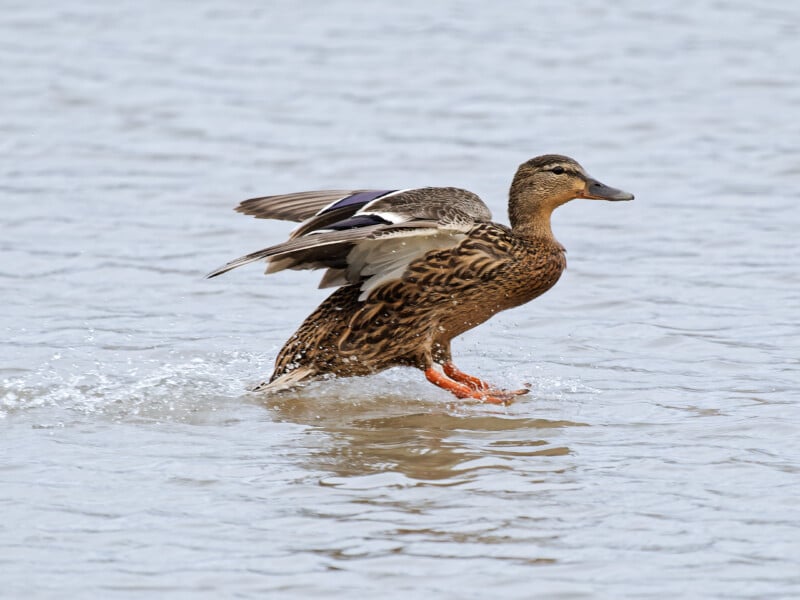
Increasing exposure compensation and reducing aperture size both necessitate longer shutter speeds, which is counterproductive for freezing fast-moving birds. The solution lies in increasing the ISO sensitivity.
- ISO and Noise: Higher ISO values allow the sensor to gather more light, enabling faster shutter speeds. However, this comes at the cost of increased digital noise, which can degrade image quality.
- Camera-Specific Performance: Every camera model exhibits different noise performance at various ISO levels. Photographers must determine the maximum acceptable ISO for their specific equipment before noise becomes distracting.
- Automatic ISO with Limits: A common and effective strategy is to set the ISO to automatic mode while imposing a maximum limit. This allows the camera to adjust ISO as needed within acceptable noise parameters.
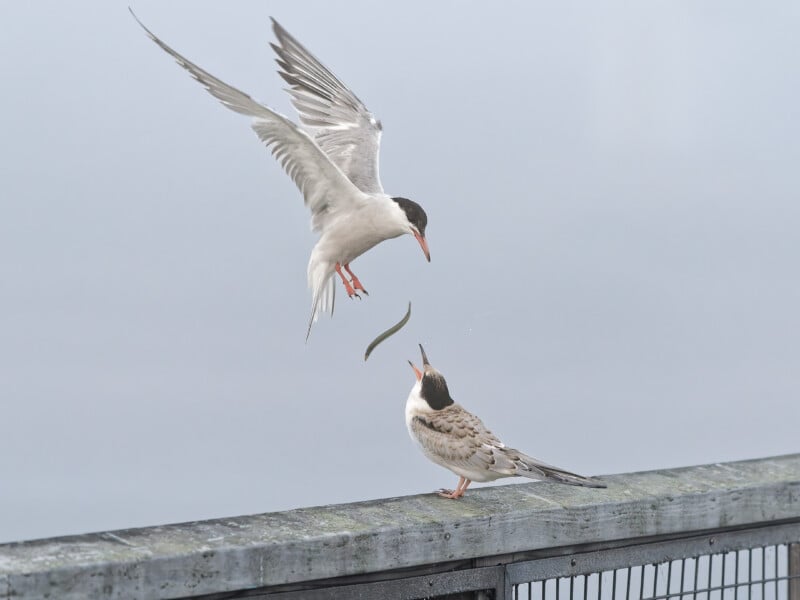
- Shutter Priority or Manual Mode: Combining Auto ISO with Shutter Priority (Tv/S) or Manual (M) mode offers excellent control. In Shutter Priority, the photographer sets the desired shutter speed (e.g., 1/1600s or faster for flight), and the camera selects the aperture and ISO (within limits). In Manual, the photographer controls both shutter speed and aperture, allowing Auto ISO to handle the light sensitivity, ensuring a minimum shutter speed is maintained. This provides flexibility for quick exposure adjustments while prioritizing motion freezing. Capturing action shots, such as a sandwich tern feeding its fledgling in thick fog at ISO 1250, demonstrates the necessity and effectiveness of managing ISO for challenging light conditions.
Ethical Bird Photography: A Growing Imperative
Beyond technical skills, ethical conduct is paramount in bird photography. The increasing popularity of the genre, fueled by accessible technology, necessitates a heightened awareness of responsible practices. This includes:
- Minimizing Disturbance: Never approach birds too closely, especially during nesting season or when they are feeding. Use long lenses to maintain a respectful distance.
- Avoiding Baiting: The practice of baiting birds with food, particularly live prey, can disrupt natural behaviors, create dependency, and attract predators.
- Respecting Habitats: Stay on designated trails, avoid trampling vegetation, and never alter a bird’s environment for a shot.
- Educating Others: Share ethical guidelines with fellow photographers and enthusiasts.
Organizations dedicated to bird conservation consistently emphasize the importance of putting the welfare of the birds first. Bird photography can be a powerful tool for conservation, raising awareness and appreciation for avian species, but only when conducted responsibly.
The Broader Impact and Future Outlook
Bird photography contributes significantly to citizen science, with enthusiasts documenting species, migration patterns, and habitat health through their images. Platforms like eBird and iNaturalist leverage photographs for scientific data collection, allowing global monitoring of avian populations. Economically, the genre drives innovation and sales within the photography industry, particularly for high-end telephoto lenses and advanced camera bodies.
As technology continues to evolve, with AI playing an ever-increasing role in image processing and in-camera features, the boundaries of bird photography will undoubtedly expand. However, the core principles of patience, observational skill, and an ethical approach to wildlife will remain the enduring hallmarks of this captivating art form. The journey of continuous learning, both technically and ethically, is what truly defines the dedicated bird photographer.