Relatives of the enigmatic Arkansas photographer Mike Disfarmer have successfully concluded a protracted copyright dispute, reaching a confidential settlement with the Arkansas Museum of Fine Arts (AMFA) over thousands of his iconic photographs and the original glass-plate negatives. This agreement marks a significant turning point in the legacy of a photographer whose stark, unvarnished portraits of rural America during the early to mid-20th century have captivated the art world for decades, even as his personal history remained shrouded in eccentricity. The resolution, reported by the Arkansas Democrat-Gazette and later confirmed by The New York Times, brings to an end a legal battle that underscored fundamental questions about artistic ownership, institutional custodianship, and the rights of heirs to an artist’s posthumously recognized work.
The Genesis of a Dispute: A Legacy Unclaimed and Rediscovered
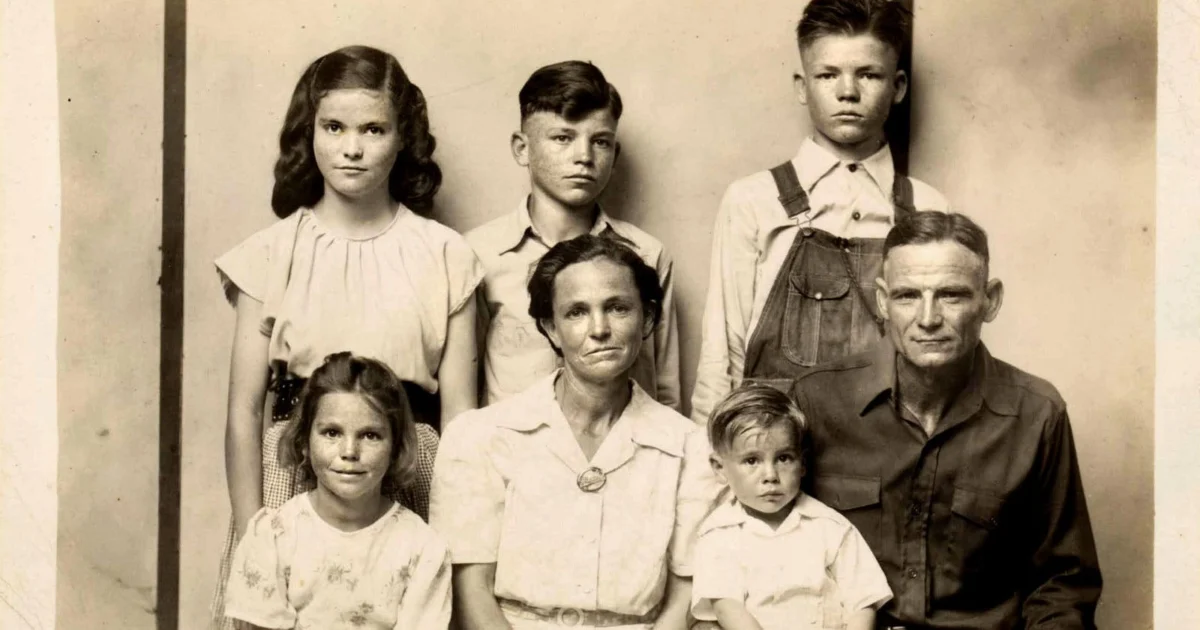
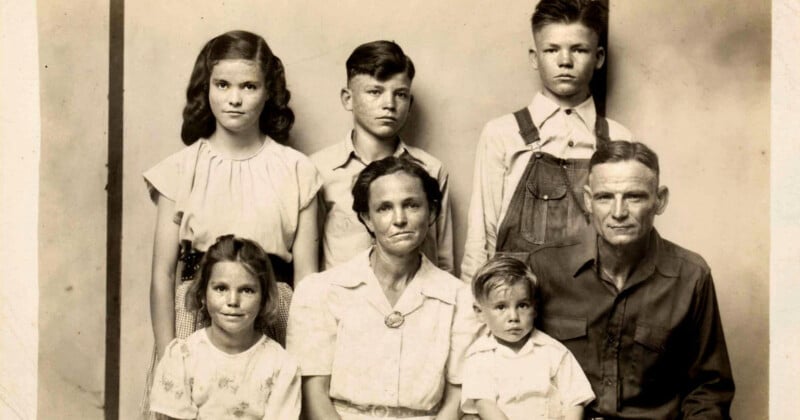
Mike Disfarmer, born Michael Meyer in Indiana in 1884, carved out a unique existence in Heber Springs, Arkansas. His decision to legally change his name in 1939 to "Disfarmer"—a self-proclaimed rejection of what he believed "Meyer" meant ("farmer" in German), and a nod to an improbable childhood tale of being blown by a tornado into the home of a couple named Meyer—speaks volumes about his peculiar character. He was, by all accounts, an eccentric recluse who lived and worked alone in his studio, never marrying. Yet, within the confines of his simple studio, he created a profound visual record of his community. From around 1914 until his death in 1959, Disfarmer captured the faces of local residents, offering portraits for as little as 25 cents. His subjects, often posed stiffly against plain backdrops with neutral expressions, unwittingly became timeless emblems of small-town American life.
Upon his death at 75, Disfarmer left behind not only a modest bank account containing $18,148.80, which was distributed among his siblings or their heirs, but also a treasure trove of thousands of glass-plate negatives. At the time, these negatives held little perceived value to his family, who reportedly showed scant interest. Consequently, they were sold at an estate sale for a paltry $5 to Joe Allbright, then the mayor of Heber Springs. This seemingly insignificant transaction would later prove to be the critical juncture in the fate of Disfarmer’s photographic legacy.
From Obscurity to Acclaim: The Artistic Reappraisal
For over a decade, the negatives languished in Allbright’s garage, exposed to environmental elements that threatened their very existence. The delicate animal-gelatin emulsion on many plates began to degrade, a silent testament to the impermanence of physical media without proper preservation. It wasn’t until 1973 that Peter Miller, editor of the Arkansas Sun, recognized the potential significance of the collection. Miller, who acquired approximately 6,000 glass-plate negatives from Allbright, embarked on an arduous, years-long journey to salvage and restore them. His dedication led him to the headquarters of Kodak in Rochester, New York, where he sought expertise on how to preserve the deteriorating plates. This painstaking restoration effort was crucial in bringing Disfarmer’s work back from the brink of oblivion.

The rediscovery of Disfarmer’s work in the 1970s by the broader art photography world ignited a surge of interest. Critics and collectors were drawn to the stark simplicity and raw authenticity of his portraits, which stood in stark contrast to the more romanticized or posed photography of the era. His images of ordinary people—farmers, families, soldiers, and townsfolk—came to symbolize the resilience and spirit of rural America during the Great Depression and World War II. The minimalist aesthetic, characterized by direct gazes and unadorned settings, drew comparisons to the mood and stylistic purity of Grant Wood’s iconic painting, American Gothic. Disfarmer’s subjects, devoid of pretense, offered a window into a specific time and place, capturing the quiet dignity and unspoken hardships of a bygone era. His work was increasingly exhibited in prestigious galleries and museums, cementing his status as a significant, albeit posthumously recognized, figure in American photographic history.
The Museum’s Custodianship and the Seeds of Conflict
In 1976, Peter Miller, having invested considerable effort and resources into the preservation of the negatives, transferred the collection to an entity known as The Group Inc. This organization subsequently donated the negatives to the Arkansas Arts Center, which later became the Arkansas Museum of Fine Arts (AMFA). For decades, the AMFA served as the primary custodian of Disfarmer’s legacy, housing the surviving negatives and playing a crucial role in their exhibition, research, and conservation. The museum’s stewardship helped introduce Disfarmer’s unique vision to a wider audience, contributing significantly to his posthumous recognition and the academic study of his oeuvre. The institution’s efforts were instrumental in establishing Disfarmer as a master of American portraiture, elevating his images from simple studio photographs to works of profound artistic and historical value.
However, as the commercial and artistic value of Disfarmer’s photographs soared, questions surrounding ownership and copyright began to emerge. The original transfer of the negatives in the 1970s did not explicitly address the intellectual property rights associated with the images, a common oversight in a pre-digital era where the physical object often eclipsed the intangible copyright. The family, initially disinterested, gradually became aware of the burgeoning market for Disfarmer prints and the widespread reproduction of his images in books, exhibitions, and merchandise. This growing awareness laid the groundwork for a future legal challenge.
The Lawsuit: A Battle for Ownership and Legacy
The simmering dispute escalated into legal action in 2024 when Fred Stewart, Disfarmer’s great-great nephew and a representative of the family heirs, filed a lawsuit against the Arkansas Museum of Fine Arts foundation. Stewart alleged that the museum had been illegally profiting from the thousands of Disfarmer photographs and glass-plate negatives that had been donated to the institution in the mid-1970s. The core of the family’s claim rested on the assertion that while the physical negatives might have been gifted, the intellectual property rights—the copyright—remained with the artist’s heirs. They argued that the museum’s commercial activities, including selling prints and licensing images, constituted an infringement on these rights, from which the family had received no benefit.
The lawsuit brought to light complex legal questions about the transfer of artistic property, particularly when the artist died long before the full extent of their work’s commercial and cultural value was realized. Museum attorneys, in their court filings, countered by emphasizing the family’s initial disinterest and the circumstances of the negatives’ sale for a nominal sum, arguing that the subsequent efforts of individuals like Peter Miller and the museum were essential in rescuing and elevating Disfarmer’s work. They likely highlighted the substantial investment in conservation, cataloging, and promotion that the museum undertook, arguing for their role as responsible custodians who preserved a significant cultural asset that would otherwise have been lost. The legal battle threatened to cast a shadow over Disfarmer’s legacy, potentially restricting access to his work and creating an adversarial dynamic between the family and the institution that had championed his art.
The Resolution: A Confidential Agreement and a Path Forward
After months of negotiations, the parties reached a confidential settlement. While the specific financial terms and detailed arrangements remain private, key outcomes have been reported. Fred Stewart, representing the Disfarmer family, issued a statement confirming the agreement: “The Arkansas Museum of Fine Arts and the Disfarmer family have reached a mutual agreement. I have met several representatives of the AMOFA and found them very pleasant and professional.” This cordial tone suggests a cooperative resolution rather than a bitter capitulation.
Crucially, reports indicate that the agreement appears to leave the Disfarmer heirs in possession of the copyright to the photographs. This is a significant victory for the family, affirming their claim to the intellectual property rights. Furthermore, the family will reportedly gain possession of approximately 3,000 of Disfarmer’s original glass-plate negatives, along with hundreds of posthumous prints made from them. The museum, presumably, retains a significant portion of the remaining negatives, ensuring continued access for scholarly research, exhibitions, and public appreciation. This division suggests a shared custodianship, acknowledging both the family’s heritage rights and the museum’s established role in preservation and public access. The settlement represents a delicate balance, allowing the family to benefit from their ancestor’s legacy while ensuring that a substantial portion of the original archive remains in institutional care for broader public benefit.
Implications for Disfarmer’s Enduring Legacy
This settlement carries profound implications for the future of Mike Disfarmer’s work. For the family, gaining copyright control means they can now actively manage the reproduction, licensing, and commercialization of Disfarmer’s images, ensuring that future profits directly benefit his heirs. This provides a formal framework for recognizing their familial connection to a globally recognized artist. The acquisition of a significant portion of the physical negatives also empowers the family to initiate new projects, exhibitions, or publications, potentially offering fresh perspectives on Disfarmer’s oeuvre.
For the Arkansas Museum of Fine Arts, while the loss of exclusive control over the entire negative collection and the copyright is a notable change, the agreement likely ensures that they can continue to exhibit and utilize their retained portion of the archive. The amicable resolution also avoids the potential for a prolonged and costly legal battle, allowing the museum to focus on its core mission of art preservation and education. The collaborative spirit hinted at in Stewart’s statement suggests that future partnerships between the family and the museum are possible, potentially leading to jointly sanctioned exhibitions or projects that celebrate Disfarmer’s legacy.
A New Chapter: Exhibitions and Future Prospects
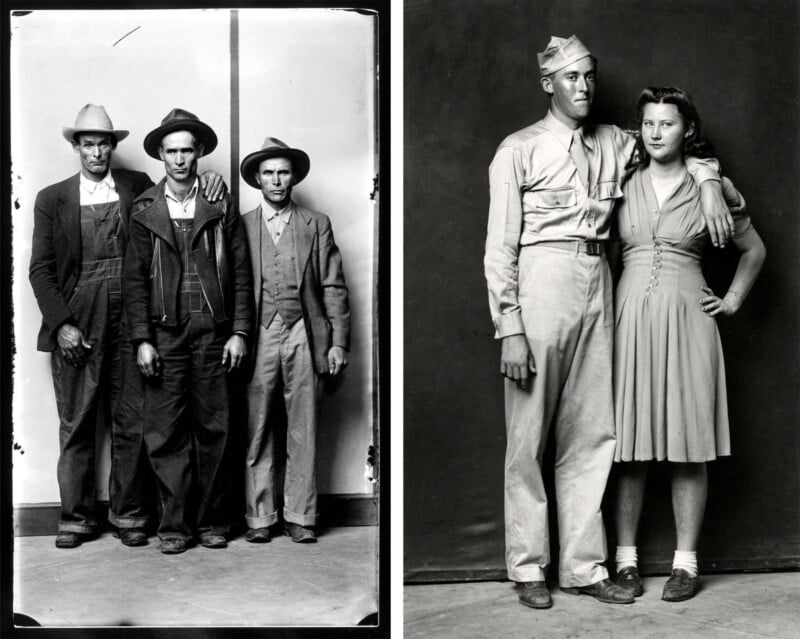
Indeed, a new chapter has already begun. The first family-authorized exhibition of Disfarmer’s work, titled “Disfarmer: The Homecoming,” opened on February 25, 2026. This display, featuring nine prints, is on view in the rotunda of the Arkansas State Capitol through late May. The exhibition’s title itself—"The Homecoming"—is symbolic, signaling a return of Disfarmer’s legacy, in a sense, to its rightful familial and geographical roots. This marks a new era where the family, empowered by the settlement, can actively shape the narrative and presentation of Disfarmer’s art.
The success of this initial exhibition may pave the way for more extensive collaborations, both with the AMFA and other institutions. With clearer lines of ownership and a spirit of cooperation, there is potential for comprehensive retrospectives, scholarly publications, and digital archives that further cement Disfarmer’s place in the pantheon of American photographers.
Broader Lessons in Art, Copyright, and Heritage
The Disfarmer settlement transcends the specifics of one photographer’s estate. It serves as a potent case study in the evolving landscape of art law, particularly concerning posthumous recognition and copyright. The dispute highlights the critical importance of clearly defined agreements when transferring artistic property, especially historical collections. It underscores the ongoing tension between institutional preservation—which often involves significant investment and expertise—and the moral and legal rights of an artist’s heirs.
In an age where cultural heritage is increasingly digitized and globally accessible, the balance between public access and private ownership becomes even more pronounced. The Disfarmer case, ultimately resolved through mutual agreement, offers a template for how such complex issues can be navigated, ensuring that an artist’s legacy is both honored by their descendants and preserved for the benefit of future generations. It reinforces the idea that an artist’s work, even when initially unappreciated, can attain immense cultural and commercial value, making the careful stewardship of their legacy a matter of both legal precision and ethical responsibility.