
The Genesis of a Tech Feud: Lux Optics and Apple’s Interest
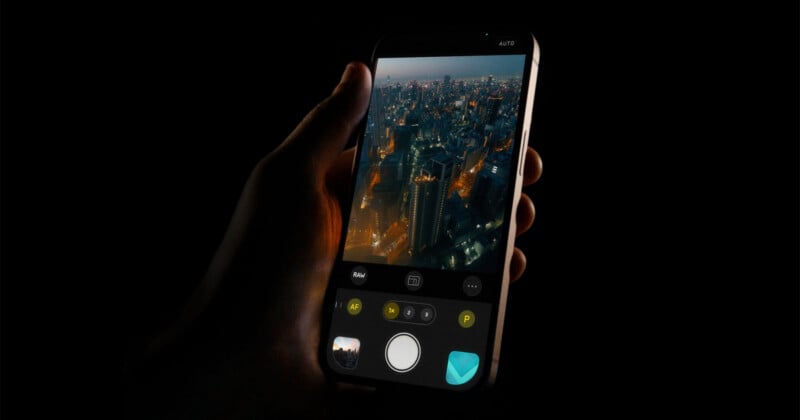
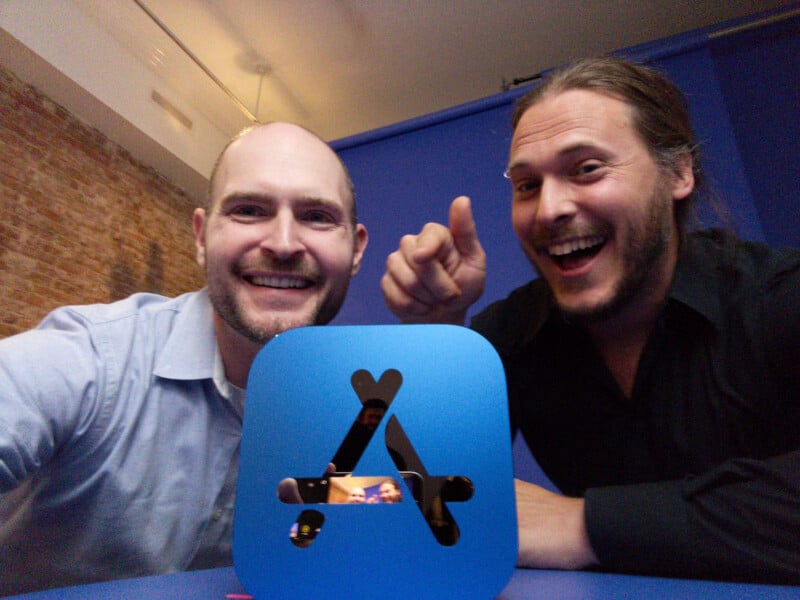
Lux Optics, co-founded by CEO Ben Sandofsky and designer Sebastiaan de With, rose to prominence through its highly regarded camera applications, Halide and Kino. Halide, in particular, has consistently been lauded as one of the most powerful and intuitive professional camera apps available on the iPhone, offering advanced manual controls, RAW capture capabilities, and sophisticated computational photography features that often surpass Apple’s native Camera app. Kino, its video-focused counterpart, has similarly garnered praise for bringing pro-grade video recording and editing tools to the mobile platform. Both applications have received prestigious Apple App Store Awards, cementing their reputation for excellence within the iOS ecosystem and demonstrating their significant impact on mobile content creation.
Given Apple’s ongoing commitment to enhancing the iPhone’s photographic capabilities – a cornerstone of its product differentiation strategy – the tech giant’s interest in Lux Optics was, in hindsight, entirely predictable. Apple frequently acquires smaller software companies to integrate their technology, talent, or intellectual property into its vast ecosystem. Recent examples include the acquisition of photo editing software company Pixelmator in 2024 and video editor plugin company MotionVFX just last week, underscoring a clear pattern of strategic investments in media creation tools. For Apple, acquiring a company like Lux Optics could have meant integrating Halide’s advanced features directly into iOS, bringing de With’s acclaimed design expertise and Sandofsky’s engineering prowess in-house, or simply removing a popular third-party alternative that, in some ways, outshone its native offerings.
According to reports from The Information, preliminary acquisition talks between Apple and Lux Optics commenced last year, signaling a serious consideration by Apple to bring the acclaimed app developer under its wing. These discussions reportedly spanned several months, exploring the potential terms and strategic alignment of such a deal. Acquisition talks of this nature are complex, often involving extensive due diligence, valuation negotiations, and strategic assessments from both sides, and it is not uncommon for them to eventually "fizzle out" if a mutually agreeable path forward cannot be found.

A Stalled Acquisition and a Pivotal Hire
The trajectory of these negotiations, however, took a sharp turn. While the broader acquisition discussions between Apple and Lux Optics ultimately stalled without a definitive agreement, Apple’s engagement with Sebastiaan de With, Lux’s co-founder and lead designer, did not cease. Instead, Apple continued to cultivate a relationship with de With, eventually leading to his direct employment by the Cupertino-based giant earlier this year. This move, often referred to as an "acqui-hire" even without a full company acquisition, is a well-established practice in the tech industry, where companies prioritize securing top talent, especially when an acquisition of the entire entity proves unfeasible. De With’s announcement of his new role at Apple was met with widespread interest, given his prominent public profile as the face and design mind behind Halide.
What makes this development particularly contentious is the timing and the context in which Lux Optics’ other co-founder and CEO, Ben Sandofsky, reportedly learned of Apple’s direct overtures to de With. According to a new lawsuit filed by Sandofsky against de With in California, Sandofsky discovered Apple’s efforts to recruit his co-founder while he was already engaged in a separate internal investigation into de With’s conduct regarding company finances. This confluence of events — the breakdown of acquisition talks, Apple’s subsequent hiring of a co-founder, and an internal investigation into alleged financial impropriety — has ignited a corporate firestorm.
Allegations of Misconduct and Intellectual Property Disputes
Sandofsky’s lawsuit, filed late last week, paints a detailed and damning picture of alleged misconduct by Sebastiaan de With. The Information‘s in-depth reporting highlights several key allegations:

-
Misuse of Company Funds: The most prominent claim is that de With improperly used approximately $150,000 of Lux Optics’ funds for personal expenses between 2022 and his termination in December. This allegation suggests a significant breach of fiduciary duty, implying that company resources were diverted for non-business-related purposes without proper authorization or oversight. Such claims, if proven, could have severe financial and legal repercussions for de With, including demands for restitution and punitive damages. In a small startup, where financial controls might be less formalized than in larger corporations, such alleged misuse can be particularly damaging to trust and operational integrity.
-
Theft of Confidential Materials and Source Code: The lawsuit further alleges that de With unlawfully took Lux Optics’ source code and other confidential proprietary material with him when he departed the company to join Apple. This is a critical accusation, as intellectual property (IP) is the lifeblood of software companies. The alleged unauthorized retention or transfer of source code, trade secrets, or confidential business strategies could constitute intellectual property theft, a serious offense with potentially enormous implications for competitive advantage and market position. The lawsuit claims that even by the time de With interviewed with and joined Apple in January, he had still not returned all confidential materials, despite Lux’s demands.
Ben Sandofsky officially fired Sebastiaan de With in December, shortly before de With publicly announced his new role at Apple. This sequence of events suggests a rapid and dramatic deterioration of the co-founder relationship, culminating in a legal battle that now threatens to expose the inner workings and financial details of Lux Optics to public scrutiny.
De With’s Defense and Broader Implications
Sebastiaan de With’s attorneys have vehemently refuted these allegations. In a statement, they denied that de With "used, transferred, or disclosed any Lux intellectual property" to Apple. Furthermore, they characterized Sandofsky’s allegations as a "retroactive recharacterization of ordinary, disclosed business activity in a small company that was jointly managed without formal controls." This defense suggests that the expenses in question were, at the time, recorded, visible, and never challenged, implying that any current objections are a retaliatory response to de With’s departure or related disputes over financial transparency that de With himself was reportedly pressing for. This counter-narrative points to a potential dispute over financial governance and accountability within Lux Optics, arguing that the claims are being weaponized post-facto.
It is crucial to note that Sandofsky’s lawsuit is explicitly focused on de With and does not allege any wrongdoing on the part of Apple. While Apple directly hired de With after acquisition talks with Lux Optics faltered, there is no indication from the lawsuit that Apple was aware of, or complicit in, any alleged misuse of funds or theft of intellectual property. This distinction is important for Apple, as being implicated in such a dispute could damage its reputation and complicate future talent acquisitions.
A Chronology of Discord
To understand the full scope of the dispute, a detailed chronology of events is essential:
- Last Year (Pre-September): Apple initiates acquisition talks with Lux Optics, expressing interest in the company behind Halide and Kino. These discussions reportedly continue for a couple of months, involving both co-founders, Sandofsky and de With.
- September (Last Year): According to Sandofsky’s lawsuit, he and de With mutually agree to terminate the acquisition talks with Apple. Their reasoning, as alleged by Sandofsky, was a strategic decision to potentially secure a better offer from Apple in the future, after further enhancing their apps on iPhone and iPad. This suggests a shared vision, at least at this point, for the company’s trajectory.
- October (Last Year): Sandofsky reportedly learns concerning details about de With’s financial behavior, specifically regarding the use of company funds and Lux Optics’ credit card. The exact nature of these "concerning details" is central to the lawsuit’s allegations of improper personal expenses.
- November (Last Year): Following his confrontation with de With and dissatisfaction with the explanations provided, Sandofsky takes action. He hires an investigator to delve deeper into de With’s financial conduct and places de With on leave, signaling a severe breakdown in their working relationship and mutual trust.
- December (Last Year): The internal investigation apparently concludes, leading Sandofsky to make the decision to fire de With. This termination occurs just weeks before de With publicly announces his new role.
- December (Late, Last Year) / January (This Year): Following de With’s termination, Lux Optics demands the return of all company property, including de With’s work computers and any sensitive data related to Lux’s applications. The lawsuit claims that de With had not returned these confidential materials by the time he interviewed with and subsequently joined Apple.
- Earlier This Year (January/February): Sebastiaan de With officially joins Apple, a move he publicly announced, indicating a new chapter in his career within the tech giant.
- Late Last Week (This Year): Ben Sandofsky files the lawsuit against Sebastiaan de With in California, bringing the internal dispute into the public legal arena and revealing the complex intertwining of corporate negotiations, alleged financial impropriety, and intellectual property concerns.
Broader Implications for Lux Optics, Apple, and the Tech Industry
The implications of this legal battle are multifaceted and extend beyond the immediate parties:
- For Lux Optics: The future of Halide and Kino, two highly respected applications, now hangs in the balance. A protracted legal dispute can be financially draining, divert leadership attention from product development, and potentially impact team morale. The allegations of financial impropriety and IP theft, regardless of their outcome, can damage the company’s reputation and potentially affect investor confidence. Sandofsky, as the remaining CEO, faces the challenge of stabilizing the company and ensuring the continued development and support for their user base amidst the turmoil.
- For Apple: While not a defendant in the lawsuit, Apple’s proximity to the dispute is undeniable. The company hired de With shortly after failed acquisition talks and his subsequent firing from Lux Optics. While legal experts have noted that Apple’s hiring practices are robust, and there is no indication of wrongdoing on their part, the situation could prompt greater scrutiny in future "acqui-hires" or talent recruitment from companies with whom Apple has had prior acquisition discussions. The perception of Apple directly benefiting from talent exiting a company under such contentious circumstances, even if indirectly, could be a minor public relations challenge. However, Apple’s legal team is likely well-versed in navigating such situations, and the lawsuit’s explicit focus on de With insulates Apple from direct legal action in this instance.
- For the Tech Industry and Startups: This case serves as a stark reminder of the critical importance of clear co-founder agreements, robust corporate governance, and stringent financial controls, particularly in early-stage startups where trust often substitutes for formal structures. The breakdown of a co-founder relationship, especially one that was outwardly successful and celebrated, underscores the personal and professional risks involved. It also highlights the complexities of intellectual property protection when key personnel transition to competitors or larger companies, even without a formal acquisition. The case may prompt other startups to review their internal policies regarding expense reporting, IP management, and exit clauses for departing founders.
The legal proceedings will undoubtedly be closely watched by the mobile photography community, app developers, and the broader tech industry. The outcome will not only determine the liabilities of Sebastiaan de With but could also set precedents for how co-founder disputes, intellectual property claims, and high-stakes talent acquisitions are handled in the fast-paced and competitive world of technology. The saga of Lux Optics, Halide, and Apple’s intertwined interests serves as a compelling narrative of ambition, innovation, and the often-turbulent realities of startup life.