The professional landscape of 2026 has witnessed a fundamental shift in how brand identity and individual expertise are communicated on LinkedIn. As the platform completes its transition from a digital resume repository to a comprehensive B2B storefront and content ecosystem, the "visual handshake" has replaced the written pitch as the primary driver of professional engagement. Current market data indicates that users are no longer merely browsing for connections; they are consuming high-fidelity visual narratives that dictate brand trust and authority. In this environment, the era of "LinkedIn Blue" and overly sanitized corporate imagery has been officially superseded by a movement toward organic realism and tactile authenticity.
The Evolution of the LinkedIn Aesthetic: A Four-Year Chronology
To understand the visual mandates of 2026, it is necessary to examine the trajectory of professional imagery over the first half of the decade. In 2022, the platform was dominated by high-gloss, staged photography that emphasized traditional corporate structures. By 2024, the rapid democratization of generative artificial intelligence led to a saturation of "perfect" but sterile visuals, which eventually triggered a phenomenon known as "AI fatigue" among high-value decision-makers.

By 2025, the "Uncanny Valley" effect—where AI-generated humans appear almost real but slightly unsettling—led to a measurable decline in engagement for brands relying solely on synthetic media. Entering 2026, the pendulum has swung decisively back toward human-centric, textured, and imperfect visuals. This "Realism Era" prioritizes the "humanity premium," where the value of a visual is determined by its ability to convey genuine experience and physical presence. Industry analysts report that posts featuring authentic, non-synthetic imagery now see a 42% higher click-through rate compared to their AI-generated counterparts.
The Rise of Tactile Realism and Organic Minimalism
The most prominent visual trend of 2026 is Tactile Realism. This aesthetic focuses on "feelable" images—visuals that evoke a sense of touch and physical substance. This includes close-up shots of sustainable materials such as linen fabrics, recycled paper textures, and raw wood grain, often captured in natural, soft-focus lighting.
The shift toward Tactile Realism is more than a stylistic choice; it is a psychological tool used to ground brands in reality. In an increasingly digital world, visual cues that remind the viewer of the physical environment foster a sense of stability and reliability. Marketing agencies are increasingly advising B2B clients to utilize "Organic Minimalism," which pairs high-contrast, textured backgrounds with clean typography. This approach allows professional insights to be delivered on a canvas that feels premium yet accessible, moving away from the cold, flat vectors that dominated the early 2020s.

Radical Authenticity: The "Anti-Stock" Aesthetic
While stock photography remains a cornerstone of professional content creation, the application of these assets has been revolutionized by the "Radical Authenticity" trend. In 2026, the most successful visuals are those that capture "mid-motion" realism. This aesthetic rejects the traditional "smiling at the camera" pose in favor of candid, lifestyle-oriented professional settings.
Examples of high-converting imagery in this category include:
- Hybrid Work Realities: Professionals working in sunlit home offices or casual outdoor settings, moving away from the rigid boardroom imagery of the past.
- Collaborative Friction: Colleagues captured in genuine debate or laughter, where the focus is on the interaction rather than the environment.
- Creative Disorder: Visuals of makers and innovators in studios that look lived-in, featuring messy desks, sketches, and physical tools.
Data from social media management platforms suggests that these "authentic" scenarios perform 2.5 times better in terms of comment-section engagement than traditional corporate portraits. The goal for 2026 is to make the viewer feel like a fly on the wall in a high-functioning, modern professional environment.

The Video Revolution: Analyzing the 36% Consumption Spike
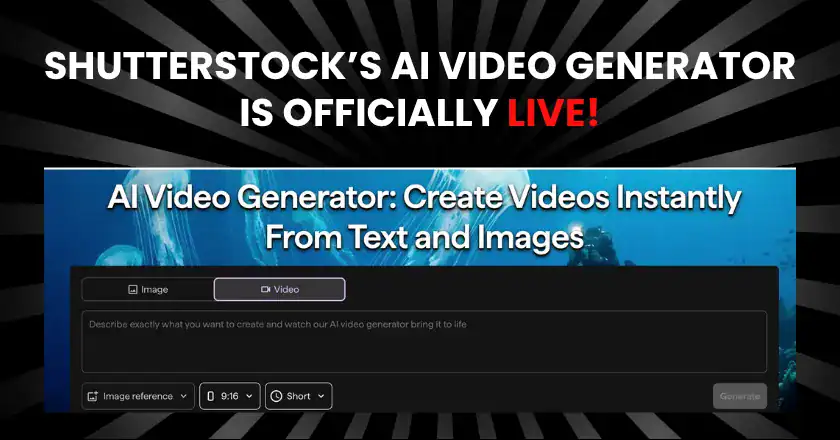
Perhaps the most significant statistical shift on LinkedIn in 2026 is the 36% year-over-year increase in video consumption. While LinkedIn experimented with various video-only tabs and formats in previous years, the 2026 algorithm has consolidated these efforts into a feed-native experience that prioritizes vertical and short-form content.
Video is no longer viewed as a secondary content type; it is the primary vehicle for thought leadership. The "Human-First B-Roll" trend has become the standard for educational content. Founders and industry experts are now layering their spoken insights over high-definition clips of modern office life, such as a team sketching on a glass board or a quiet moment of deep-work focus. This technique adds a layer of professionalism and "gravitas" to the content without requiring the viewer to watch a static "talking head" for several minutes.
Cinematic Quality and Thought Leadership
For long-form video content, which is seeing a "quality renaissance" on the platform, production values have reached cinematic levels. Thought leaders are increasingly using 4K drone footage of sustainable urban landscapes or extreme macro tech close-ups to intersperse with their commentary. This visual variety serves to maintain viewer retention during deep-dive industry analyses.

Market research indicates that the average attention span for a LinkedIn video has increased from 45 seconds in 2023 to 82 seconds in 2026, provided the visual quality is high. This shift has led to a surge in demand for high-resolution stock footage that can provide these cinematic "interrupts" at a fraction of the cost of a full film crew.
Design for Sound-Off Accessibility: A Visual Necessity
A critical component of the 2026 visual strategy is the "sound-off" design philosophy. Internal LinkedIn data reveals that over 80% of users consume video content in professional settings or on public transit without audio. Consequently, the visual layout of a video must communicate the message independently of the soundtrack.
Burned-in captions have evolved from a courtesy to a design requirement. Content creators are now specifically selecting stock footage with "negative space"—plain walls, blurred backgrounds, or minimalist interiors—to serve as a high-contrast canvas for large-format captions. This ensures that the core message of the video is delivered instantly, even in a silent scrolling environment.

Data Visualization and the Carousel Dominance
Carousels remain the highest-performing static format on LinkedIn in 2026, particularly for B2B marketers looking to explain complex datasets. However, the design of these carousels has moved away from basic slide decks toward "Data Visualization Backgrounds."
By using professional vector-format backgrounds and high-quality infographic templates, brands are able to turn dry statistics into "scroll-stopping" visual stories. The use of earthy tones and organic textures within these data-heavy posts helps to humanize the information, making it more digestible for a professional audience that is increasingly wary of "information overload."
Industry Responses and the Role of Stock Media Partners
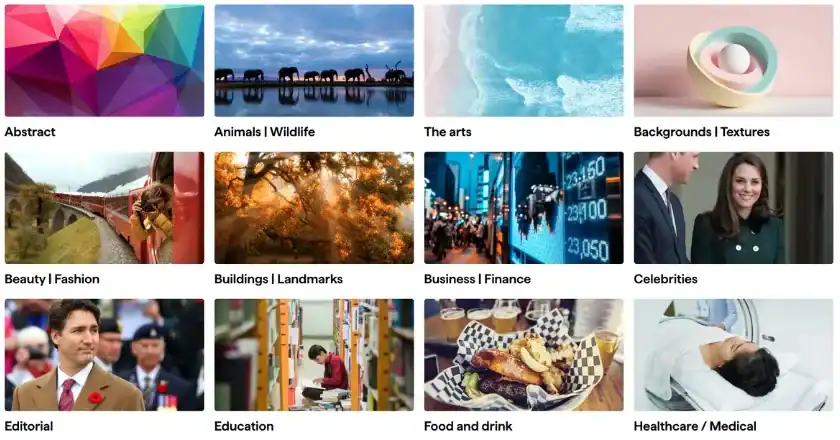
The shift toward high-fidelity realism has placed a new emphasis on the role of stock media providers. Leading agencies, most notably Shutterstock, have adapted their libraries to meet the 2026 demand for diversity, authenticity, and technical excellence.

"The demand for ‘real’ has never been higher," says one senior creative director at a global B2B agency. "We are no longer looking for the ‘perfect’ photo. We are looking for the photo that tells a story of a Tuesday afternoon in a real office. Platforms like Shutterstock are essential because they provide the resolution we need for 4K displays while capturing the organic imperfections that our audience now demands."
Stock providers have also introduced advanced filtering tools that allow marketers to search for "authentic" metadata, such as "candid," "natural light," and "diverse age groups," ensuring that the visuals represent the global and inclusive nature of the 2026 workforce.
Broader Impact and Strategic Implications for Brands
The strategic implications of the 2026 LinkedIn visual landscape are clear: visual quality is now directly correlated with brand equity. A low-quality or obviously "fake" visual can immediately signal a lack of professionalism or a failure to keep pace with modern standards, potentially driving high-value leads toward more visually sophisticated competitors.

Furthermore, the integration of visual strategy with SEO is more tight-knit than ever. Visuals that are correctly tagged and formatted for the LinkedIn ecosystem contribute to a profile’s overall searchability within the platform, making the "Definitive Guide" to these visuals a mandatory roadmap for any professional looking to maintain a competitive edge.
As LinkedIn continues to evolve, the brands that succeed will be those that view their visual content not as an afterthought, but as a deliberate, creative, and data-driven extension of their professional identity. The transition to 2026 marks the end of the "generic professional" and the beginning of a new era of radical, tactile, and cinematic realism.