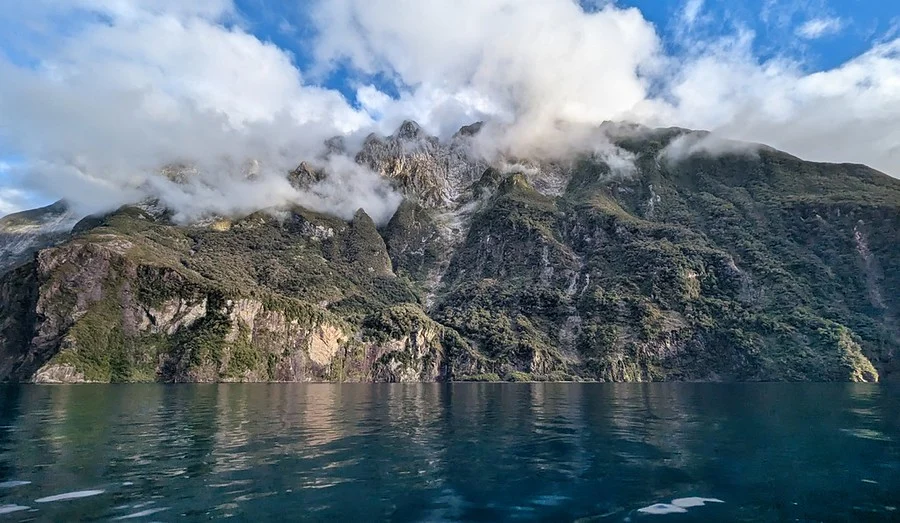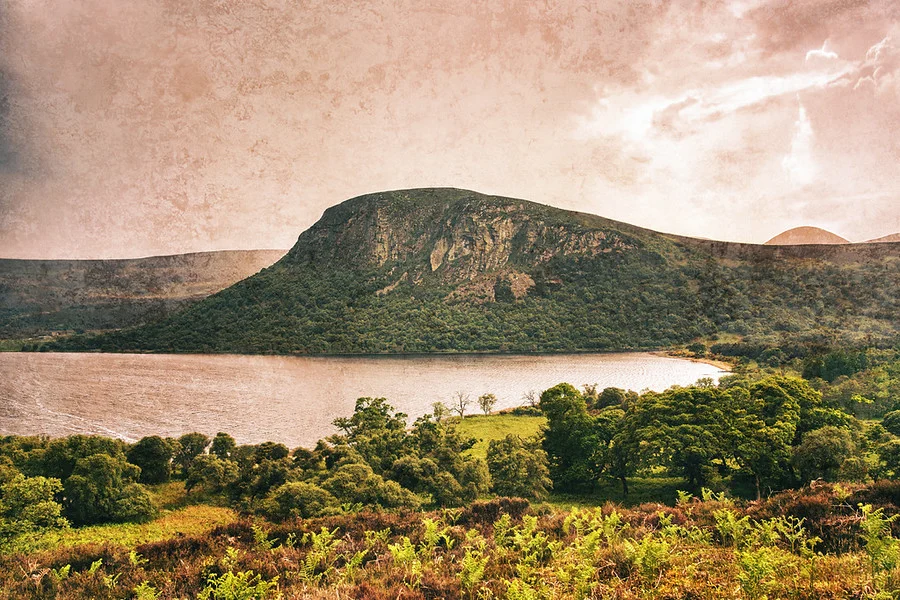
A seemingly ordinary Google reminder, triggered by an archived image on a personal SmugMug portfolio, has unexpectedly sparked a profound connection and prompted a public sharing of a photograph titled "The Big Dune." The photographer, whose identity remains undisclosed but is associated with the online presence "stuckincustoms.smugmug.com," found this particular image resonating with them on a deeper level, leading to its dissemination. The impetus behind this renewed appreciation for the photograph is attributed, by the photographer, to the prevailing winter conditions in their current location. While the specific geographic location of the photographer and the "Big Dune" remain unspecified, the act of sharing the image is intended to offer a moment of visual respite and potential joy to the viewer, particularly during this colder season. The accompanying metadata indicates the image was captured at a resolution of 900×455 pixels and is titled "Bel on a Walk."
The Significance of a Momentary Connection
The act of rediscovering and sharing a personal photograph, especially one that evokes a strong emotional response, highlights the intricate relationship between memory, visual media, and personal well-being. In an era saturated with digital imagery, the ability of a single photograph to transcend its immediate context and offer solace or inspiration is a testament to its enduring power. The photographer’s introspection, prompted by a digital artifact from their past, suggests a broader human inclination to seek anchors in visual memories, particularly when current circumstances might be less vibrant or inspiring. The mention of winter conditions as a potential catalyst for this sentiment is a subtle yet significant detail, underscoring how environmental factors can influence our perception and appreciation of art and personal archives. The simple desire to impart "a little bit of joy" through a visual medium speaks to the universal human need for connection and positive emotional experiences, even those mediated through a screen.
Understanding the "Big Dune" Photograph
While the specific location and geological characteristics of "The Big Dune" are not detailed in the provided information, the title itself conjures images of vast, sweeping landscapes, often associated with natural grandeur and solitude. Dunes, as geological formations, are dynamic and ever-changing, shaped by the relentless forces of wind and time. They can be found in diverse environments, from arid deserts to coastal regions, each possessing unique ecological and aesthetic qualities. The act of a person, "Bel," being on a walk across this dune suggests a narrative of exploration, contemplation, or perhaps a simple moment of leisure within a grand natural setting. The photograph, therefore, likely captures a scene that embodies both the monumental scale of nature and the human presence within it, creating a sense of perspective and possibly awe. The absence of detailed "Photo Information," such as aperture, shutter speed, or ISO, suggests a focus on the emotional and artistic impact of the image rather than its technical specifications, aligning with the photographer’s stated intention of sharing joy.
The Role of Digital Archives and Personal Memory
The genesis of this sharing lies in a digital reminder, a common feature of modern online platforms. These reminders, often powered by algorithms that track user activity and past uploads, can serve as unexpected catalysts for revisiting personal histories. In this instance, the reminder unearthed an image that held personal significance for the photographer. This phenomenon underscores the increasingly blurred lines between our physical and digital lives, and how our online archives have become extensions of our personal memories. SmugMug, as a platform for photographers to showcase and sell their work, provides a structured environment for curating such visual histories. The photographer’s journey down a "little rabbit hole" on their portfolio is a relatable experience for many who engage with digital photography and online storage solutions. It demonstrates how revisiting past creations can lead to new insights and unexpected emotional connections, fostering a sense of continuity and self-reflection.
The Broader Implications of Shared Visual Content
The act of sharing "The Big Dune" photograph, however personal in its origin, contributes to the vast ecosystem of visual content that circulates online. Each shared image, regardless of its initial purpose, has the potential to resonate with individuals beyond its intended audience. In a globalized digital landscape, a photograph originating from one person’s private collection can find viewers across continents, experiencing it in their own unique contexts. The photographer’s hope that the image will bring "a little bit of joy" to others is a fundamental aspect of art and communication. It suggests a belief in the power of shared experiences, even those mediated through passive observation. This aligns with the broader trend of social media and online platforms facilitating the rapid dissemination of images, fostering a collective visual culture. While the specific impact of this single photograph remains localized to those who encounter it, it exemplifies the power of individual acts of sharing to contribute to a wider cultural dialogue.
Potential Interpretations and Viewer Engagement
The inherent subjectivity of art means that "The Big Dune" photograph will likely be interpreted in diverse ways by different viewers. For some, it might evoke memories of personal travels to similar landscapes, triggering feelings of nostalgia or wanderlust. For others, the vastness of the dune could symbolize challenges, aspirations, or the immensity of the natural world. The presence of "Bel on a Walk" introduces a human element, prompting contemplation on themes of solitude, journey, and the individual’s place within nature. The fact that the photographer felt a particular connection to the image "for some reason" suggests an unspoken narrative or emotional resonance that viewers might also discover or project onto the photograph. This open-endedness is a characteristic of compelling imagery, inviting active engagement and personal meaning-making from the audience.
The Context of Winter and the Appeal of Escapism
The photographer’s explicit mention of winter as a potential reason for their renewed connection to the photograph is particularly insightful. Winter, often associated with shorter days, colder temperatures, and a general sense of dormancy, can lead individuals to seek visual or emotional warmth and escapism. A photograph depicting a grand, open landscape, even if it is a dune which can exist in varied climates, might offer a sense of expansive freedom or a reminder of warmer, more vibrant times. This desire for a mental or emotional escape from present circumstances is a common human coping mechanism, and visual art can serve as a powerful tool in this regard. The image, therefore, might be perceived by viewers experiencing similar seasonal sentiments as a welcome respite, a window into a different environment, or a symbolic representation of enduring beauty.
The Future of Personal Photographic Archives
The incident of the Google reminder and the subsequent sharing of "The Big Dune" photograph serves as a microcosm of how personal digital archives are becoming increasingly integrated into our daily lives and social interactions. As technology advances, the ways in which we access, curate, and share our photographic memories will continue to evolve. Platforms that facilitate serendipitous rediscovery, like the one experienced by the photographer, will likely play a more prominent role in how we engage with our past. This trend suggests a future where personal photographic archives are not merely passive repositories of memories, but active participants in our ongoing narrative, offering moments of reflection, inspiration, and connection, both with ourselves and with others. The enduring power of a single image, like "The Big Dune," to evoke emotion and prompt sharing, underscores the timeless human impulse to capture and communicate through visual means, regardless of the technological tools employed.