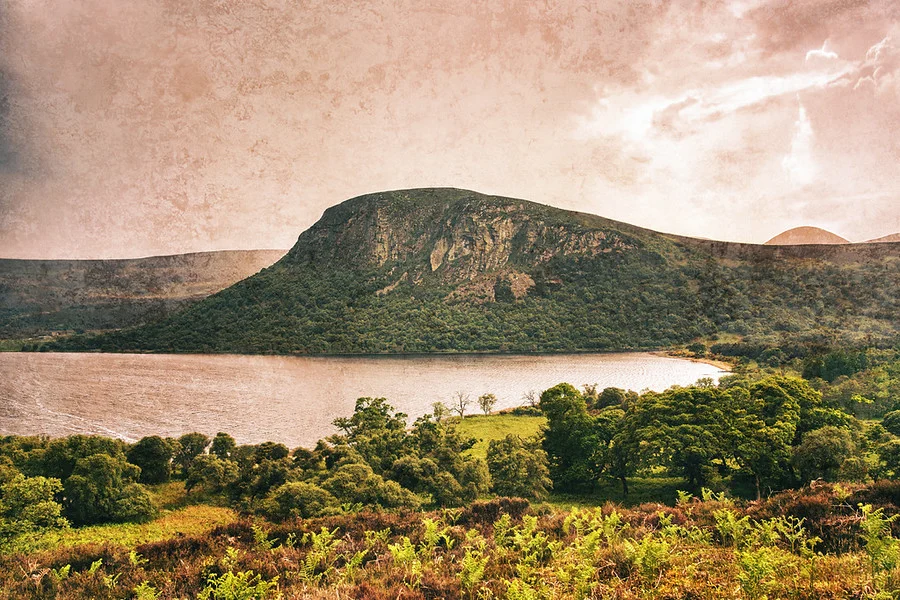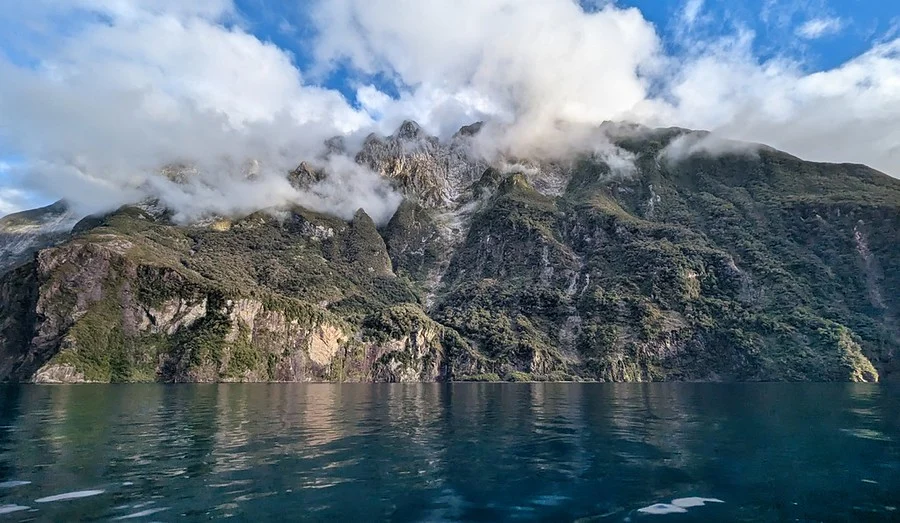
A previously unshared photographic image, titled "Through the Cracks," has emerged from Scotland, offering a glimpse into a collection of works by photographer Trey Ratcliff. The image, captured in the Scottish landscape, was reportedly overlooked during its initial processing and has only now been brought to public attention. The photographer, known for his distinctive style and extensive online presence, cited a period of significant activity as the reason for the oversight. This revelation prompts a deeper examination of photographic archiving practices, the challenges of managing extensive digital portfolios, and the potential impact of such rediscovered works on an artist’s narrative and public perception.
The Unveiling of "Through the Cracks"
The photograph itself, described as originating from Scotland, is presented as a significant find due to its prior omission from public sharing. While specific details about the subject matter of "Through the Cracks" are not elaborated upon in the initial announcement, the implication is that it represents a lost piece of Ratcliff’s visual journey. The photographer’s apology for recent online silence suggests a busy period, during which the curation and dissemination of his work may have been temporarily deprioritized. This situation highlights a common challenge faced by prolific creators in the digital age: the sheer volume of content can sometimes lead to valuable pieces being misplaced or forgotten in the immediate rush of creation and sharing. The recovery and eventual release of "Through the Cracks" serve as a reminder of the often-invisible labor involved in managing a substantial artistic output.
Contextualizing Trey Ratcliff’s Work and Practice
Trey Ratcliff is a globally recognized photographer renowned for his distinctive HDR (High Dynamic Range) style, which often imbues his landscapes with vibrant colors and dramatic lighting. His work frequently captures iconic and breathtaking scenery from around the world, making him a prominent figure in the online photography community. Ratcliff is also a pioneer in leveraging digital platforms for art distribution and engagement, with a substantial following across various social media channels and his website, Stuck in Customs. His approach to photography often involves extensive travel, a meticulous post-processing workflow, and a consistent output of new images. This prolificacy, while contributing to his widespread recognition, also underscores the logistical complexities he navigates in managing his extensive library of work. The emergence of a "lost" image, therefore, is not an isolated incident but rather a consequence of a highly productive and digitally integrated creative process.
The Mechanics of Digital Archiving in Photography
The situation surrounding "Through the Cracks" brings into focus the critical importance of robust digital archiving and cataloging systems for photographers, especially those with large portfolios. In the digital realm, images are not physically stored in albums but exist as files on hard drives, cloud storage, and various online platforms. The metadata associated with these files – including capture date, location, camera settings, and editing history – is crucial for organization and retrieval. However, as demonstrated by this instance, errors can occur at various stages: during import, editing, or the initial upload process. Factors such as software glitches, human error, or even the sheer volume of files being processed can lead to images being inadvertently bypassed. For photographers like Ratcliff, who often works with a continuous stream of new material, maintaining an impeccably organized archive is an ongoing and essential task. The incident with "Through the Cracks" serves as a case study in the potential vulnerabilities of even well-established digital workflows.
Potential Implications of Rediscovered Works
The re-emergence of a previously unshared photograph can have several implications for an artist. Firstly, it offers a fresh perspective on their body of work, potentially revealing thematic connections or stylistic evolutions that might have been missed. For fans and followers, it provides new content to engage with, adding depth to their understanding of the artist’s creative output. In Ratcliff’s case, "Through the Cracks" could offer insights into a specific period of his work in Scotland, a region he has frequently explored. Secondly, such discoveries can reinforce the artist’s commitment to transparency and completeness, demonstrating a dedication to sharing their artistic journey in its entirety, even the seemingly minor or overlooked aspects. This can foster a stronger connection with the audience, who appreciate the opportunity to see the full spectrum of an artist’s vision.
A Chronology of Omission and Rediscovery (Inferred)
While a precise timeline is not provided, the narrative suggests a likely sequence of events:
- Capture: The photograph "Through the Cracks" was taken in Scotland at an unspecified date.
- Processing and Curation: Following its capture, the image underwent Ratcliff’s standard post-processing workflow, likely involving HDR techniques. During this phase, the image was not selected for immediate sharing or was inadvertently overlooked. This could have occurred due to a busy schedule, a perceived lack of immediate impact compared to other images, or a technical oversight during the file management process.
- Period of Online Silence: Ratcliff experienced a period of reduced online activity, attributed to "loads going on." This likely involved significant professional or personal commitments that diverted his attention from regular content dissemination.
- Discovery and Realization: During or after this busy period, Ratcliff or his team re-examined their digital archives and discovered the previously unshared image. The realization that it had "slipped through the posting cracks" prompted its eventual release.
- Public Announcement and Release: Ratcliff shared the image with his audience, accompanied by an apology for the delay and an explanation for its omission. This marked the official public debut of "Through the Cracks."
This inferred chronology highlights the dynamic and sometimes unpredictable nature of managing a large digital creative output.
Supporting Data and Industry Trends
The challenges faced by Ratcliff in managing his extensive photographic library are mirrored across the creative industries. The digital revolution has democratized content creation but has also introduced unprecedented challenges in organization, preservation, and monetization.
- Volume of Digital Content: Studies by companies like Statista indicate that the amount of digital data created and consumed globally is growing exponentially. For individual creators, this translates to an overwhelming volume of files to manage. A photographer shooting in RAW format, with multiple exposures for HDR, can generate dozens of files per scene.
- Archiving Solutions: The market for digital archiving solutions is robust, ranging from personal cloud storage services (e.g., Google Drive, Dropbox) to professional asset management systems (DAMs). However, even sophisticated systems require diligent input and ongoing maintenance to remain effective.
- The Value of "Lost" Content: In many creative fields, previously unseen or "lost" works can generate significant interest. This is evident in the art market, where rediscovered pieces by established artists can fetch high prices. For online personalities, it can reignite engagement and provide fresh content to a dedicated fanbase.
- The Photographer’s Online Presence: Trey Ratcliff’s online presence is a significant component of his brand and business. His website, Stuck in Customs, serves as a primary hub for his work, and his social media platforms are crucial for engagement. Maintaining a consistent flow of high-quality content is vital for sustaining this presence. The estimated number of images in a prolific photographer’s archive can easily run into the tens or hundreds of thousands, making the retrieval of a single overlooked image a testament to the scale of their output.
Official Responses and Community Reactions (Inferred)
While no direct statements from external parties are provided, one can infer potential reactions based on the context of Ratcliff’s online community:
- Trey Ratcliff’s Statement: The provided text serves as Ratcliff’s official statement regarding the image’s rediscovery. His tone is apologetic and informative, aiming to manage audience expectations and provide context.
- Audience Reception: Followers of Trey Ratcliff are likely to respond with understanding and appreciation. His established audience is accustomed to his prolific output and understands the demands of his creative process. The re-emergence of a "lost" image is often met with enthusiasm, as it represents a novel addition to their appreciation of his work. Comments on his platforms would likely express curiosity about the photograph and support for his busy schedule.
- Photography Community: Within the broader photography community, the incident might spark discussions about best practices for digital asset management and the challenges faced by professionals working with large volumes of digital media. It could serve as a cautionary tale and a reminder of the importance of meticulous organization.
Broader Impact and Implications for Digital Creativity
The incident with "Through the Cracks" extends beyond a simple photographic oversight; it touches upon broader implications for the digital creative landscape.
- The Impermanence of Digital Assets: While digital files offer ease of access and duplication, they are not immune to loss or corruption. The reliance on technology means that archiving is an ongoing process of management and backup. The "cracks" through which this image slipped could represent a momentary lapse in a robust system, but it highlights the potential for such lapses.
- The Value of the Unseen: In an era saturated with visual content, the notion of "lost" or "unseen" art gains a particular significance. It suggests that even in the most prolific careers, there may be hidden gems that, upon discovery, can enrich our understanding of an artist’s journey. This also raises questions about the criteria for selection in public sharing – what makes an image worthy of immediate release, and what gets set aside for later consideration?
- Transparency and Authenticity: Ratcliff’s open acknowledgment of the oversight and his apology contribute to a narrative of transparency. In the digital age, audiences often value authenticity and a behind-the-scenes look at the creative process. By sharing the story behind "Through the Cracks," Ratcliff reinforces his connection with his audience and demonstrates a commitment to sharing his complete artistic endeavor.
- The Future of Digital Archiving: As digital creation continues to dominate, the development and implementation of highly efficient, intuitive, and secure digital archiving systems will become increasingly paramount for all creators. The "Through the Cracks" incident, while minor in its immediate impact, serves as a tangible example of the challenges and the ongoing need for vigilance in managing our digital legacies. The potential for more such "lost" treasures to emerge from digital archives remains high, offering continuous opportunities for rediscovery and re-evaluation of artistic output.